
Enhancing Student Engagement through Problem-Based Learning
A detailed intervention plan for Grade 10 classrooms
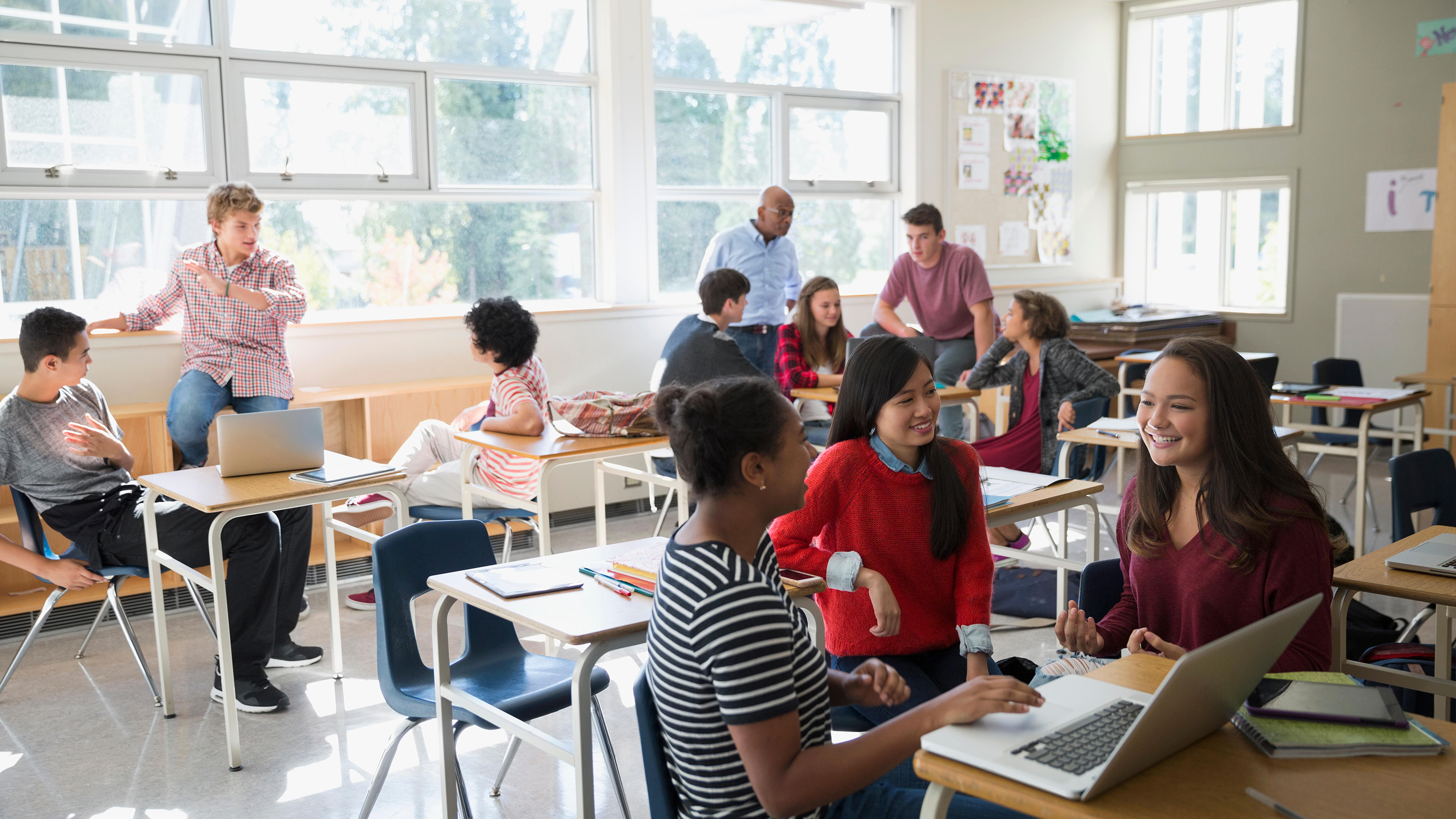
Highlights
- Structured Steps: A comprehensive sequence of problem identification, group collaboration, research, solution development, and reflection.
- Engagement Strategies: Strategies that focus on student interests, active participation, and real-world relevance to increase engagement.
- Evaluation and Iteration: Continual assessment and feedback loops ensure both academic achievement and sustained engagement.
Introduction to Problem-Based Learning (PBL)
Problem-Based Learning (PBL) is a student-centered methodology that emphasizes real-world problems as the cornerstone of the educational process. For Grade 10 students, PBL serves not only as a vehicle for acquiring academic knowledge but also as a tool for developing critical life skills such as teamwork, problem-solving, and independent research. In this intervention plan, we outline the systematic steps undertaken to enhance student engagement through PBL, ensuring that the approach is both effective and sustainable.
Steps of Intervention
Step 1: Literature Review and Preliminary Research
Objective
The initial phase focused on establishing a strong theoretical foundation by reviewing the existing literature on PBL. This helped in identifying the key elements of effective PBL strategies that enhance student engagement, such as autonomy, collaborative learning, and real-world problem-solving.
Activities
- Conduct a systematic review of academic journals, educational case studies, and reports on successful PBL implementations.
- Identify core components of PBL that contribute to student engagement.
- Gather evidence-based practices that align with the curriculum taught to Grade 10 students.
Step 2: Designing PBL Modules
Objective
The second step involved designing PBL modules tailored to enhance student engagement while meeting curriculum requirements. The modules were developed to connect academic content with problem-solving and to integrate real-life scenarios that are relevant to Grade 10 students.
Activities
- Create realistic, open-ended problems that resonate with the daily lives of Grade 10 students.
- Ensure that the selected problem aligns with the targeted learning outcomes, including content knowledge, critical thinking, and collaboration skills.
- Design scenarios that are complex enough to stimulate inquiry while being approachable for the student’s level.
- Prepare associated instructional resources, guidelines, and rubrics to support the PBL process.
Step 3: Preparing the Learning Environment
Objective
A conducive learning environment is crucial for fostering group work and collaboration. This step focused on preparing the classroom layout and setting clear guidelines that encourage active participation.
Activities
- Rearrange classroom seating to promote group collaboration and open communication.
- Establish explicit ground rules that facilitate respectful dialogue and equal participation.
- Ensure availability of research materials, both physical (books, printouts) and digital (online databases, articles).
- Set up a designated area where groups can collaborate comfortably without distractions.
Step 4: Problem Introduction and Initial Exploration
Objective
The success of PBL hinges on how effectively the problem is introduced to the students. This phase is dedicated to ensuring that students comprehend the problem fully and are motivated to engage in the subsequent research activities.
Activities
- Present the problem in a clear, engaging manner using multimedia aids to capture students’ attention.
- Facilitate an initial brainstorming session in which students discuss what they know and identify knowledge gaps.
- Clarify any complex terms and set the stage for critical inquiry by posing guiding questions.
- Encourage each group to outline preliminary ideas and potential approaches to solving the problem.
Step 5: Conducting Research and Investigation
Objective
In this stage, students delve into in-depth research to gather the necessary information to tackle the problem. The focus is on promoting independent learning and encouraging collaboration within groups.
Activities
- Divide the class into small, diverse groups to combine different perspectives and expertise.
- Guide students on effective research methodologies, including how to identify credible sources and evaluate information.
- Encourage the use of digital tools, libraries, and expert interviews to enhance the depth and breadth of their research.
- Monitor progress with periodic check-ins, ensuring that groups remain focused and productive while providing scaffolding support when necessary.
Step 6: Developing Hypotheses and Formulating Solutions
Objective
The synthesis of research findings is crucial to develop viable hypotheses and potential solutions. Student groups integrate gathered insights to propose informed, creative, and evidence-based solutions.
Activities
- Encourage groups to analyze their research critically and to identify common threads or innovative solutions.
- Promote the creation of multiple hypotheses or proposed solutions, allowing for a comparative or iterative approach.
- Facilitate workshops where groups share preliminary ideas and receive constructive feedback from peers and instructors.
- Guide them in the refinement of their ideas into coherent, detailed solutions ready for presentation.
Step 7: Presentation and Peer Review
Objective
In this critical phase, groups formally present their solutions to the class. This not only allows them to showcase their work, but also facilitates further learning through peer review and interactive discussions.
Activities
- Arrange a presentation session where each group systematically presents their problem-solving process, research insights, and final proposals.
- Implement rubrics to objectively assess each presentation, focusing on clarity, evidence-based reasoning, creativity, and group participation.
- Encourage peer feedback sessions where students can offer constructive criticism and reflect on alternative approaches.
- Allow time for interactive Q&A sessions to deepen understanding and address any lingering doubts about the solutions.
Step 8: Reflection and Ongoing Dialogue
Objective
Reflection is pivotal in consolidating learning and improving future PBL experiences. This step is not merely an afterthought but an essential component that ensures continuous improvement.
Activities
- Conduct structured reflection sessions immediately following the presentations. Use questions that prompt both self-assessment and group critique.
- Encourage students to keep reflective journals focused on what they learned throughout the PBL process.
- Facilitate group discussions that allow students to articulate challenges faced, skills acquired, and ideas for improving the process in future iterations.
- Use feedback forms and one-on-one interviews to collect detailed insights from students on how the PBL experience impacted their engagement and learning.
Step 9: Assessment and Evaluation
Objective
Rigorous assessment is key to understanding the success of the intervention. The evaluation process incorporates both qualitative and quantitative metrics to holistically measure the impact on student engagement.
Activities
- Develop comprehensive rubrics that assess not only the final solution but also the process of group collaboration, individual participation, and critical thinking skills.
- Utilize surveys and focus groups before and after the intervention to measure changes in student engagement, motivation, and academic performance.
- Collect and analyze data on performance metrics such as grades, quality of the presentations, and feedback from peers and instructors.
- Identify areas of success and observe any challenges to inform refinements to the PBL process for future iterations.
Step 10: Revision, Scaling, and Dissemination
Objective
Continuous improvement is achieved through a process of revision and scaling based on evaluation data. The final step involves refining the PBL modules and scaling successful strategies to other classes or schools.
Activities
- Assemble data and feedback from all phases of the intervention to determine the overall success and identify areas for enhancement.
- Revise the PBL modules and facilitate sessions based on identified challenges, thereby improving the classroom experience gradually.
- Plan for broader application by engaging other classes or even different subjects that can benefit from the PBL approach.
- Prepare reports and presentations summarizing the findings and insights to share at educational conferences and with school stakeholders.
Summary of Intervention Steps in a Table
| Step | Objective | Key Activities |
|---|---|---|
| 1. Literature Review | Establish theoretical foundations | Review literature, identify key PBL elements, gather evidence-based practices |
| 2. PBL Module Design | Create relevant, curriculum-aligned scenarios | Design open-ended problems, develop instructional resources |
| 3. Learning Environment Prep | Set up a conducive physical and digital classroom | Arrange seating, establish group guidelines, provide necessary resources |
| 4. Problem Introduction | Engage and inform students | Present problem, conduct brainstorming sessions, clarify objectives |
| 5. Research Phase | Foster independent and collaborative research | Guide search methodologies, divide groups, monitor progress |
| 6. Developing Solutions | Encourage hypothesis formation and innovative approaches | Create and refine multiple hypotheses, conduct peer reviews |
| 7. Presentation & Peer Review | Showcase learning and receive feedback | Formal presentations, Q&A sessions, objective evaluations |
| 8. Reflection | Enhance learning through introspection | Reflection sessions, journals, feedback forms |
| 9. Assessment | Measure student engagement and learning outcomes | Use rubrics, surveys, qualitative analysis |
| 10. Revision & Dissemination | Improve and scale the PBL process | Revise modules according to feedback, prepare reports |
Additional Strategies to Sustain Engagement
Student-Centered Approaches
Beyond implementing the structured steps, several complementary strategies can amplify the effectiveness of PBL:
Integrating Interests and Real-World Relevance
Activities and projects should tap into students' interests, making sure that academic content is relevant to real-life situations. Teachers can establish links between classroom topics and community issues or career pathways, which promotes a deeper connection and sustained motivation.
Active Learning Techniques
Incorporate dynamic methodologies such as group discussions, hands-on tasks, and peer teaching. These methods not only break the monotony of traditional lectures but also empower students to take ownership of their learning experiences.
Confidence-Building Tasks
Embed activities that boost self-confidence, particularly in students who may initially be reluctant to participate. Gradual exposure to public speaking, group leadership roles, and attributed successes can all contribute to a more engaged student body.
Conclusion
Enhancing student engagement through Problem-Based Learning in Grade 10 classrooms necessitates a comprehensive, iterative process that aligns academic goals with real-world challenges. From a thorough literature review to designing tailored PBL modules, every step is aimed at promoting critical thinking, effective communication, and collaborative problem-solving. The structured intervention plan detailed above captures each phase—from preparatory research to solution development, peer reviews, extensive reflection, and final assessments. Not only does this approach foster a richer learning environment, but it also equips students with essential tools for lifelong learning.
The process emphasizes creating an engaging classroom environment that not only meets curriculum objectives but also adapts dynamically to the needs of the students. By employing thoughtful feedback mechanisms and iterative revisions, the PBL strategy becomes more than a teaching method—it evolves into a platform for continuous academic and personal growth. The synthesis of research-based approaches with practical teaching strategies creates a holistic framework that is both scalable and replicable, ideal for further adoption and research across educational institutions.
References
-
3 Ways to Sustain Student Engagement through PBL - Edutopia
- Problem-Based Learning - Cornell Teaching
-
Six Steps to Implement Problem-Based Learning - Faculty Focus
- Implementing Problem-Based Learning - TeachEDX
- PBL Strategies - University of Illinois
Recommended Further Queries
Last updated February 27, 2025