
Exploring the Impact of Gender Inequality on Kitemu Village's PDM
How gender roles shape community development and men’s engagement in the project
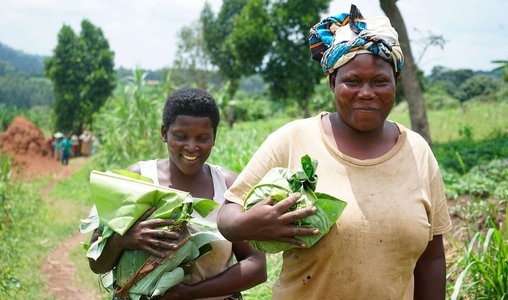
Key Highlights
- Men’s Participation Gap: Many men have not joined the development project due to cultural norms and perceived irrelevance.
- Gender Inequality Effects: Unequal access to resources and traditional gender roles hinder full community engagement.
- Addressing the Gap: Sensitization, community dialogue, and tailored programs can enhance men’s participation.
Understanding the Parish Development Model (PDM) in Kitemu Village
The Parish Development Model (PDM) is an innovative initiative introduced in Uganda with the primary goal of transitioning households from subsistence living to participating successfully within a monetary economy. In Kitemu village, this model is implemented through community-led development projects that aim to improve local livelihoods via agricultural support, micro-enterprises, financial inclusion, and social services.
Objectives and Structure of the PDM
The overarching objectives of the PDM include increasing employment opportunities, improving income levels, and reducing poverty by delivering services at the lowest administrative planning unit – the parish level. The model integrates multi-sector interventions such as:
- Improving agricultural productivity
- Enhancing financial inclusion through cooperative societies and microfinancing
- Providing access to social services and infrastructure
- Empowering community groups to participate in decision-making
Role of the Community in PDM Implementation
Community participation is central to the PDM’s implementation strategy. The initiative encourages local residents to actively engage in planning and managing projects designed to uplift their standard of living. Successful implementation, however, depends on the broad participation of all segments of the community, including both men and women.
Impact of Gender Inequality on the PDM
Definition of Gender and Development
Gender and Development (GAD) is a framework that examines the socially constructed roles and expectations for men and women and how these roles influence access to resources, opportunities, and overall empowerment. This concept aims to address and alleviate the imbalances that restrict the full participation of all genders in societal progress.
Observations from Kitemu Village
In Kitemu village, one specific development project under the PDM focuses on improving agricultural productivity, establishing micro-finance systems, and boosting local entrepreneurship. Notably, community surveys and focus group discussions have revealed a recurring challenge:
Many men have not been joining the project initiatives. Field reports and community feedback indicate that there is a significant gap in male participation, attributable to multiple factors interlinked with gender inequality.
Factors Contributing to Low Male Participation
- Cultural Norms and Traditional Roles: In Kitemu, entrenched cultural beliefs and social expectations dictate that men should focus on conventional income-generating activities outside the community projects. Many view involvement in the PDM — which often emphasizes roles and responsibilities seen as typically female, such as micro-enterprises or small-scale farming — as incompatible with their designated roles as primary breadwinners.
- Perceived Lack of Direct Benefits: Men in Kitemu village often perceive that the tangible benefits of joining the project – including financial perks and training opportunities – are either minimal or more oriented towards empowering women. This perception reduces their motivation to participate.
- Limited Outreach and Sensitization: Communication efforts around the PDM seem to target women more frequently, leaving men with insufficient awareness regarding how the project can augment overall household income and community well-being. Such gaps in effective communication contribute to the disinterest of male community members.
- Resource Allocation and Opportunity Costs: Some men express concern over the opportunity costs associated with dedicating time to participation in the project when they could be engaging in other income-producing activities. This challenge is particularly acute in households where traditional roles have not evolved to incorporate shared or dual income responsibilities.
Practical Impacts on the Development Project
The observed gender imbalance in participation has several implications:
- Imbalanced Skill Sets: Many development activities under the PDM require a diversity of skills. The lower engagement of men can limit the workforce diversity needed for labor-intensive projects, potentially slowing down progress and innovation.
- Reinforcement of Gender Stereotypes: Persistent low participation rates among men may reinforce the notion that community development or projects like the PDM are predominantly "women’s issues," further marginalizing male members who could contribute valuable perspectives.
- Limited Collective Decision-Making: When one gender dominates project participation, decision-making processes may inadvertently overlook the unique insights and contributions of the absent gender. This imbalance can affect planning, implementation, and ultimately, the sustainability of the project.
Strategies to Address Gender Inequality and Encourage Male Engagement
Community Sensitization and Education
One of the most effective strategies is to launch comprehensive community sensitization campaigns aimed at redefining traditional gender roles and demonstrating the mutual benefits of inclusive participation:
- Workshops and Dialogues: Regular community meetings and workshops can serve as platforms to educate community members on the benefits of involvement in the PDM. These sessions should explicitly address how both men and women gain from the project, emphasizing shared prosperity.
- Highlighting Success Stories: Disseminating case studies of successful male participants in similar projects can provide positive role models and show that engagement does not detract from traditional roles.
- Integrated Communication Efforts: Use culturally sensitive media and communications strategies tailored to reach male audiences. This may include local radio segments, community bulletin boards, and engaging respected local leaders or influencers who can advocate for balanced participation.
Tailored Program Initiatives and Incentives
Redesigning certain elements of the project to be more appealing and beneficial to men can also help:
- Vocational and Technical Training: Develop programs that focus on skills traditionally associated with male labor, such as advanced agricultural techniques, machinery operation, or entrepreneurship training in sectors where men are more likely to engage.
- Economic Incentives: Offer targeted financial incentives or subsidies to encourage the participation of men in areas that have previously shown low engagement. For instance, linking project outputs to local market opportunities might highlight the potential for increased earnings.
- Inclusive Project Structures: Ensure that project design is gender-neutral. Involve men directly in project planning by establishing committees or advisory groups that reflect the entire demographic composition of the village. This can help adjust project activities to align with the interests of all community members.
Collaboration with Local Leaders and Stakeholders
Local leaders and influential community members can play a pivotal role in reshaping attitudes towards gender roles:
- Community Mobilization: Engage religious leaders, local government officials, and respected elders to endorse the PDM and its inclusive philosophy. Their support can shift perceptions and encourage broader participation among men.
- Structured Feedback Mechanisms: Set up regular feedback sessions where community members - including the less involved male population - can voice concerns or suggestions in a constructive environment. This mechanism ensures that their perspectives are integrated into project adjustments.
Comparative Analysis: Gender Dynamics in Community Development
Summary Table of Gender Participation Factors in PDM
| Factor | Description | Implications for Male Participation |
|---|---|---|
| Cultural Norms | Traditional gender roles designate men as providers, often viewing community projects as peripheral to regular income sources. | Results in a hesitancy to participate, as involvement might be seen as a deviation from expected roles. |
| Perceived Benefits | The projects are often designed with a focus on household-level improvements largely benefiting women through empowerment programs. | Men may perceive a lower direct utility from participation and thus opt-out. |
| Awareness Gaps | Communication and outreach efforts seem more inclusive of women, leading to information asymmetry. | Limited awareness among men about potential benefits, leading to low levels of engagement. |
| Opportunity Costs | Involvement in the PDM may conflict with other traditional income-generating activities. | Men might prioritize existing economic activities over joining the project. |
Further Considerations and Action Steps
Engaging Both Genders for Holistic Development
True development transcends gender barriers, and the key to strengthening the impact of the PDM lies in promoting an inclusive environment where both men and women actively contribute to decision-making and implementation processes. This dual engagement is essential not only to improve the tangible outputs of the project but also to foster sustained societal change regarding gender roles.
In addition to the strategies mentioned, it is critical to develop robust monitoring and evaluation systems that continuously assess participation levels, document success stories, and identify further areas for improvement. By establishing measurable benchmarks and continuously engaging with the community, project leaders can adapt strategies to ensure balanced participation.
Frameworks for Future Improvement
Local stakeholders, empowered by community feedback and guided by best practices from similar development initiatives, might consider integrating gender-transformative approaches. This involves:
- Conducting regular gender audits to track shifts in participation trends.
- Adopting policy recommendations to support shared household and community responsibilities.
- Implementing incentive schemes specifically designed to reward cross-gender collaboration in community development activities.
- Facilitating inter-generational dialogues that challenge traditional stereotypes and encourage progressive roles for both genders.
These frameworks not only bolster the current implementation of the PDM but also pave the way for future projects that aim to achieve comprehensive socio-economic development in Kitemu and similar communities.
References
- Parliament Opposes Transfer of UWEF Funds - Independent Uganda
- Gender Minister Tasks Men on Unpaid Care Work - Monitor Uganda
-
Parish Development Model - Presidential Initiatives Uganda
- The Parish Development Model: Uganda’s Solution to Poverty - Borgen Project
- PDM and Job Creation under NDP III - EPRC Uganda
Recommended Queries
Last updated March 26, 2025