
Exploring the World’s Most Peaceful Places
Discover serene destinations around the globe for tranquility and relaxation
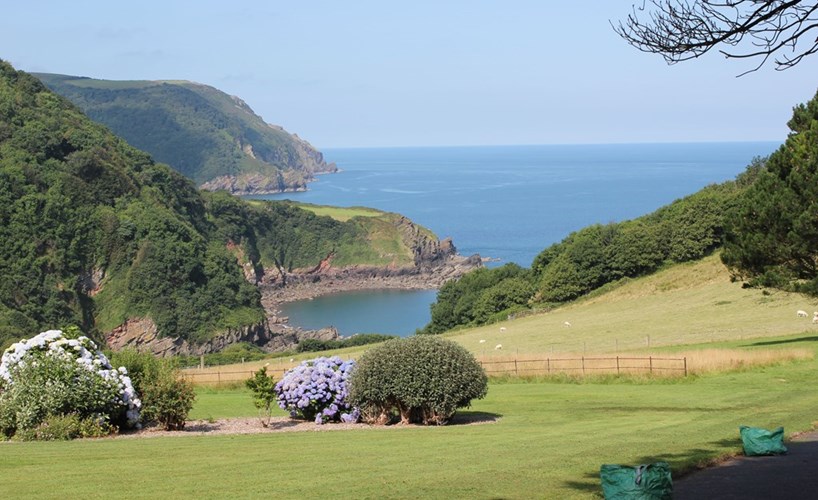
Key Highlights
- Iceland Leads Global Peace Rankings: Consistently rated number one with strong social cohesion and minimal conflicts.
- Diverse Destinations for Peace: From entire countries to specific natural sites offering serene landscapes.
- Attributes of Peaceful Environments: Low crime, robust social safety nets, environmental sustainability, and an emphasis on well-being.
Overview of Peaceful Destinations
Across the world, various regions are celebrated for their peaceful environments. Reliable indicators like the Global Peace Index show that nations such as Iceland, New Zealand, and Denmark maintain high standards of safety and stability. These countries provide an ideal blend of natural beauty, low crime rates, and robust social infrastructures. The serenity is both a product of well-managed governance and deep-rooted cultural values that emphasize community and human development.
Categories of Peaceful Places
Peace on Earth manifests in different forms. While some nations are recognized as models of tranquility due to extensive social policies and cultural homogeneity, many regions and spots offer a focused retreat from the hectic pace of modern life. These can be broadly categorized into two types:
Most Peaceful Countries
Countries like Iceland, New Zealand, Denmark, and others are consistently ranked among the world’s most peaceful. Attributes such as low internal conflict, high socio-economic development, strong rule of law, healthcare, and social welfare systems contribute significantly to their calm environments. Western European countries, in particular, display deep societal cohesion, making them exemplary peace havens.
Peaceful Destinations & Retreats
In addition to entire nations, specific regions and natural landmarks provide deep pockets of tranquility. National parks, beaches, islands, and nature reserves found in Costa Rica, Banff National Park in Canada, the Whitsundays in Australia, and Zen gardens in Japan offer peaceful escapes. Whether it’s the isolated beauty of Lapland or the vibrant natural serenity of Thailand’s coasts, each location invites visitors to unwind and reconnect with nature.
Detailed Comparative Table of Peaceful Destinations
| Destination Type | Examples | Key Attributes |
|---|---|---|
| Country | Iceland, New Zealand, Denmark, Bhutan, Ireland, Austria | Low crime rates, robust social systems, political stability, natural isolation |
| Island Retreats | Maldives, Kauai (Hawaii) | Tranquil beaches, crystal clear waters, luxurious resorts encouraging relaxation |
| National Parks & Nature Reserves | Manuel Antonio National Park (Costa Rica), Banff National Park (Canada), Nordfjord (Norway) | Stunning natural landscapes, low human intervention, extensive biodiversity |
| Cultural Retreats | Zen Gardens (Japan) | Meticulously designed for meditation and reflection, contributing to a serene atmosphere |
In-depth Look at Top Peaceful Countries
Iceland
Iceland has consistently held the top spot on global peace rankings. With a population of roughly 380,000, it benefits from uniquely low crime rates and strong societal cohesion. Its geographical isolation, unspoiled natural beauty, and low internal conflicts contribute to an environment that is both safe and soothing. The nation’s commitment to renewable energy and environmental sustainability further enhances its reputation as a peaceful, forward-thinking society.
New Zealand
New Zealand stands out for its expansive, unspoiled landscapes that include everything from rolling hills to dramatic coastlines. This island nation is a favorite for those seeking adventure and tranquility alike. In addition to low levels of violence and a commitment to environmental protection, New Zealand frequently tops the charts on the Global Peace Index. The country’s rich cultural heritage and indigenous wisdom also contribute to its overall peaceful atmosphere.
Denmark
Denmark is renowned not only for its striking landscapes and efficient governance but also for its inclusive society that emphasizes social welfare and community cohesion. Its stable political environment and high quality of life have made it one of the most desirable places to live and visit. Like other top-ranking peaceful nations, Denmark’s balanced approach to modern challenges and its cultural emphasis on trust and cooperation play a key role in sustaining its peaceful status.
Exploring Peaceful Destinations Beyond Borders
Bridging Nature and Tranquility
Beyond whole countries, many natural retreats offer a piece of the world where one can find inner peace. For instance, Costa Rica’s Manuel Antonio National Park and the lush rainforests scattered across the country provide secluded spots ideal for meditation and escaping daily stresses. In Canada, Banff National Park offers not only breathtaking vistas of towering mountains and pristine lakes but also a sense of quiet humility in the face of nature’s grandeur.
Island Escapes and Oceanic Bliss
Islands such as the Maldives provide a unique mix of luxury and tranquility. With clear turquoise waters, vibrant coral reefs, and remote bungalows often reachable only by boat, these islands create a secluded environment. Whether seeking to disconnect completely or to enjoy the serenity of seaside living, such destinations are perfect for those who cherish the calming influence of the ocean.
Cultural Sanctuaries
In Japan, Zen gardens represent a profound cultural and aesthetic philosophy. Designed for contemplation and meditation, these gardens encapsulate a balance between human artistry and nature’s imperfection. Similarly, regions like Bhutan emphasize Gross National Happiness over conventional economic growth, fostering a society that values spiritual well-being and community over material wealth. This cultural commitment to peace reflects in everyday life and lends an inspirational quality to the nation.
Characteristics and Global Trends
Common Characteristics of Peaceful Places
Analysis of the world’s most serene locations reveals several key attributes:
- Low Crime Rates: Nations and regions that invest in community welfare and efficient law enforcement frameworks typically exhibit remarkably low crime statistics.
- Strong Social Safety Nets: Welfare systems, quality healthcare, and education contribute significantly to the high levels of personal freedom and satisfaction found in these societies.
- Environmental Stewardship: Many peaceful countries prioritize sustainable environmental practices. This not only ensures the preservation of natural beauty but also supports a healthier, more balanced lifestyle.
- Political Stability: A stable political environment minimizes conflicts, allowing governments to focus on civic amenities and peaceful coexistence.
- Cultural Emphasis on Community: Whether through social traditions, community gatherings, or public policies, the collective focus on social cohesion reinforces the peacefulness of a society.
Global Peace Index and Other Measures
The Global Peace Index (GPI) is one of the most respected benchmarks to assess the peacefulness of nations. Countries that score highly on the GPI typically have robust social, economic, and environmental policies. The GPI evaluates nations based on factors such as internal conflict, societal safety, militarization, and political stability. Nations like Iceland, New Zealand, and Denmark consistently score well due to their effective governance and cultural values that emphasize community and personal freedoms.
References
- Top 10 Safest Places In The World 2025 - Prime Insights
- Most Peaceful Country In The World - Global Citizen Solutions
- Most Peaceful Countries In The World - The Frugal Expat
- Most Peaceful Places On Earth - Next Luxury
- World's 15 Most Peaceful Places - SMH
Recommended Related Queries
Last updated March 5, 2025