
Beyond the Fellowship: Charting Your Course to Pediatric Trauma Expertise in Ontario
Discover diverse pathways to specialize in pediatric trauma care, even without a dedicated trauma fellowship, tailored for PEM fellows in Ontario.
As a Pediatric Emergency Medicine (PEM) fellow in Ontario, your aspiration to become a pediatric trauma expert is highly commendable and achievable, even if a formal Trauma fellowship isn't a viable path for you. The journey to expertise involves a multifaceted approach, blending enhanced clinical experience within your current fellowship with targeted education, professional engagement, and specialized training. This guide outlines strategic avenues to cultivate the advanced skills and knowledge required to excel in pediatric trauma care.
Key Highlights: Your Roadmap to Expertise
- Leverage Your PEM Foundation: Maximize trauma exposure within your existing PEM fellowship by actively seeking complex cases and engaging with multidisciplinary trauma teams.
- Targeted Skill Enhancement: Pursue specialized courses like Trauma Resuscitation in Kids (TRIK), Advanced Trauma Life Support (ATLS), and trauma-informed care certifications to build specific competencies.
- Network and Collaborate: Join professional bodies such as the Pediatric Trauma Society (PTS) and the Trauma Association of Canada, and seek mentorship from seasoned trauma experts.
Maximizing Your Current PEM Fellowship for Trauma Focus
Transforming Your Fellowship into a Trauma Incubator
Your PEM fellowship already provides a robust platform for encountering pediatric trauma. To specialize further:
Strategic Clinical Exposure
Actively seek out opportunities to manage pediatric trauma cases, especially in high-volume centers. In Ontario, institutions like SickKids in Toronto and McMaster Children's Hospital in Hamilton are Level 1 pediatric trauma centers offering significant exposure. Volunteer for trauma shifts if possible, and take the lead in managing complex patients under supervision. Documenting and reflecting on these cases will deepen your learning.
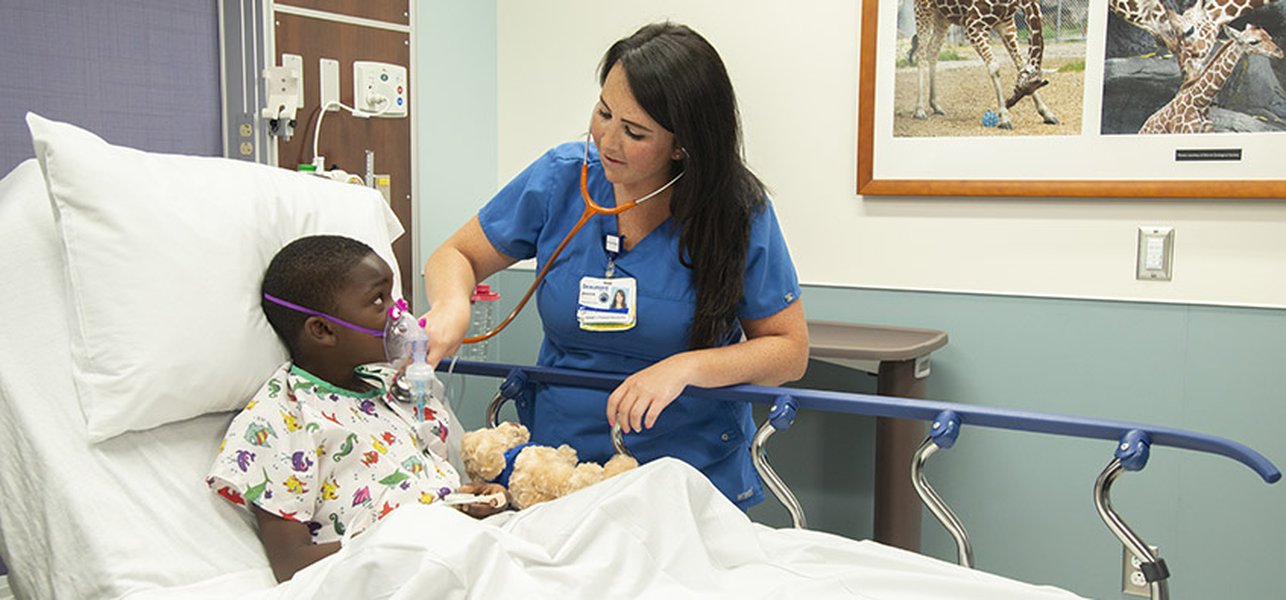
A pediatric emergency care unit, a common setting for initial trauma management.
Multidisciplinary Team Engagement
Integrate yourself into the multidisciplinary trauma team. Participate actively in trauma rounds, case discussions, and decision-making processes alongside trauma surgeons, critical care specialists, orthopedic surgeons, neurosurgeons, radiologists, and allied health professionals. This holistic involvement is crucial for understanding the comprehensive management of pediatric trauma patients from resuscitation through to rehabilitation.
Seek Mentorship
Identify and connect with pediatric trauma leaders within your institution or the broader Ontario network. A mentor can provide invaluable guidance, share insights from their experience, help navigate career development, and potentially open doors for research or specialized learning opportunities.
Specialized Courses and Certifications: Building Your Skillset
Targeted Training for Advanced Trauma Competencies
Supplement your clinical experience with structured courses and certifications designed to enhance specific trauma care skills.
Core Trauma Resuscitation Skills
- Trauma Resuscitation in Kids (TRIK): Offered by the Trauma Association of Canada and CAEP, this two-day, simulation-based course is tailored for healthcare providers managing pediatric trauma. It focuses on team leadership, resuscitation techniques, and managing complex cases, making it highly relevant for PEM fellows. ATLS certification is often a prerequisite.
- Advanced Trauma Life Support (ATLS): Provided by the American College of Surgeons and through Canadian programs, ATLS offers foundational knowledge and skills for the initial assessment and management of trauma patients. It's a cornerstone for anyone involved in trauma care.

Critical Care Services Ontario plays a role in the provincial trauma system.
Trauma-Informed Care Education
Understanding the psychological impact of trauma on children and families is vital. Courses focusing on trauma-informed care, such as those offered by the Ontario Association of Children's Aid Societies (OACAS) or curricula like the Pediatric Approach to Trauma Treatment and Resilience (PATTeR), equip you to provide holistic care that addresses both physical and emotional well-being.
Online CME and Self-Study
Numerous online Continuing Medical Education (CME) modules and self-study courses are available from institutions like SickKids, Nationwide Children’s, and organizations such as the Pediatric Trauma Society (PTS) or NetCE. These can cover specific topics in pediatric trauma, from initial assessment to long-term outcomes, and offer flexibility in learning.
The Power of Simulation in Trauma Training
Honing Skills in High-Fidelity Environments
Simulation-based training is an exceptionally effective method for developing and refining pediatric trauma management skills. It allows you to practice critical decision-making, procedural skills, and teamwork in realistic, high-stakes scenarios without risk to actual patients.
Dedicated Simulation Courses
As mentioned, courses like TRIK heavily feature simulation. Seek out other workshops or courses specifically focused on pediatric trauma simulations. Many academic centers and hospitals in Ontario offer such training, sometimes integrated into broader emergency medicine or pediatric critical care education.
In-House Institutional Simulations
Participate in any in-house trauma simulations offered by your hospital or affiliated institutions. These might include mock trauma codes, scenarios focusing on neonatal resuscitation (NRP) relevant to perinatal trauma, or advanced pediatric life support (APLS) scenarios with a trauma focus. These sessions are excellent for improving team dynamics, communication, and adherence to protocols.
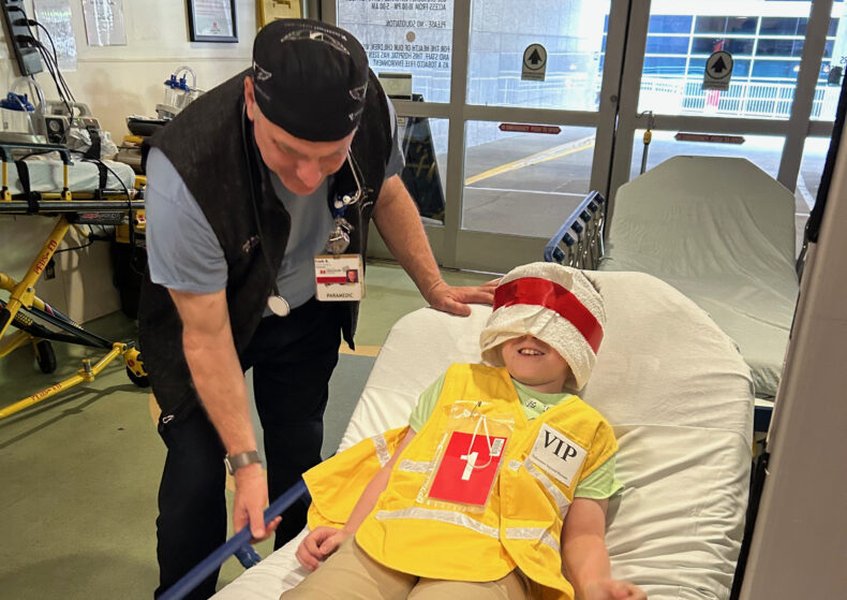
Simulation exercises, like this disaster drill, are invaluable for trauma preparedness.
Navigating Your Path: A Comparative Look at Development Strategies
Evaluating Different Approaches to Expertise
To help you decide where to focus your efforts, the following chart provides an opinionated comparison of various strategies for developing pediatric trauma expertise. The axes represent "Depth of Expertise" gained, "Time Commitment (Lower is Better)", "Cost (Lower is Better)", "Accessibility in Ontario", and "Practical Skills" development. Scores are on a scale of 2 to 10, where higher is generally better, except for Time Commitment and Cost.
This chart illustrates that a balanced approach, combining practical courses like TRIK with ongoing mentorship and simulation, can be highly effective. Online CMEs offer great accessibility but may provide less depth in practical skills compared to hands-on training.
Professional Engagement and Lifelong Learning
Connecting with the Wider Trauma Community
Membership in Professional Societies
- Pediatric Trauma Society (PTS): Joining PTS offers access to a global network of pediatric trauma professionals, educational resources (including the Journal of Trauma and Acute Care Surgery), annual meetings, and opportunities for collaboration and research.
- Trauma Association of Canada (TAC): TAC provides Canadian-specific resources, educational events (like the MyBeST course focusing on thriving after trauma), and networking opportunities relevant to trauma care in Canada.
- Canadian Association of Emergency Physicians (CAEP): While broader, CAEP has interest groups and resources relevant to pediatric emergency and trauma care, and it supports courses like TRIK.
Research and Quality Improvement (QI) Initiatives
Engaging in pediatric trauma research or QI projects within your institution can significantly deepen your understanding of injury mechanisms, treatment efficacy, system performance, and evidence-based practices. This can also lead to publications or presentations, bolstering your credentials as an expert.
Clinical Pathways and Guidelines
Familiarize yourself with established pediatric trauma clinical pathways and guidelines from leading institutions (e.g., Children's Hospital of Philadelphia (CHOP), Upstate Golisano Children's Hospital) and adapt them to your local context. Contributing to the development or refinement of local trauma protocols can also enhance your expertise.
Specialized knowledge is crucial in managing pediatric trauma cases effectively.
Exploring Key Educational Resources
A Curated Table of Training Opportunities
The following table summarizes some key courses and resources that can contribute to your development as a pediatric trauma expert. This is not exhaustive but highlights impactful options.
| Course/Resource Name | Provider/Organization | Focus Area | Key Benefit for PEM Fellows in Ontario |
|---|---|---|---|
| Trauma Resuscitation in Kids (TRIK) | Trauma Association of Canada / CAEP | Pediatric trauma resuscitation, team leadership, advanced procedural skills, simulation-based learning | Hands-on skills development, Canadian context, recognized certification |
| Advanced Trauma Life Support (ATLS) | American College of Surgeons / Trauma Association of Canada | Systematic approach to initial trauma assessment and management for all age groups | Essential foundational knowledge, often a prerequisite for advanced trauma roles and courses |
| Pediatric Trauma Society (PTS) Membership | Pediatric Trauma Society | Networking, educational materials, research opportunities, access to guidelines and Journal of Trauma and Acute Care Surgery | Connection to global pediatric trauma community, continuous learning, conference access |
| Trauma-Informed Care Training (e.g., OACAS, PATTeR) | OACAS / Various specialized programs | Understanding and addressing the psychological and emotional impact of trauma on children and families | Development of holistic patient care skills, crucial for long-term patient outcomes |
| SickKids PEM Trauma Fellowship (or similar short/integrated options) | SickKids (Toronto) / Other academic centers | Advanced competency in pediatric trauma management, leadership, clinical rotations, simulation, research | Intensive, focused training (if shorter or elective components are accessible) |
| Online CME (e.g., NetCE, CTRI, institutional offerings) | Various providers (NetCE, Crisis and Trauma Resource Institute, academic institutions) | Specific pediatric trauma topics, assessment, resuscitation, injury prevention, emerging practices | Flexible learning, fulfills CME requirements, broadens knowledge base on diverse topics |
Visualizing Your Path: A Mindmap of Strategies
Interconnected Avenues to Pediatric Trauma Expertise
This mindmap illustrates the interconnected strategies you can employ to become a pediatric trauma expert without a formal fellowship. Each branch represents a key area of focus, with sub-branches detailing specific actions or resources.
(Without Formal Fellowship)"] id1["Leverage PEM Fellowship"] id1a["Maximize Trauma Cases & Complexity"] id1b["Active Role in Multidisciplinary Teams"] id1c["Seek Mentorship from Trauma Leaders"] id2["Specialized Training & Courses"] id2a["Trauma Resuscitation in Kids (TRIK)"] id2b["Advanced Trauma Life Support (ATLS)"] id2c["Trauma-Informed Care Courses (OACAS, PATTeR)"] id2d["Simulation Workshops (Beyond TRIK)"] id2e["Point-of-Care Ultrasound (POCUS) for Trauma"] id3["Professional Engagement & Networking"] id3a["Pediatric Trauma Society (PTS) Membership"] id3b["Trauma Association of Canada (TAC) Membership"] id3c["Attend Conferences & Workshops"] id3d["Collaborate with Regional Trauma Networks"] id4["Experiential & Self-Directed Learning"] id4a["Study & Implement Clinical Pathways (CHOP, etc.)"] id4b["Engage in Research & QI Projects"] id4c["Consider Short Rotations/Observerships (if feasible)"] id4d["Continuous Online Learning (CME, Journals)"]
By strategically combining these elements, focusing on areas that align with your interests and opportunities within the Ontario healthcare system, you can build a strong profile as a pediatric trauma expert.
Insight from the Field: Pediatric Trauma Assessment and Management
Learning from Experts in Pediatric Trauma Care
The following video, "Basics of Pediatric Trauma Assessment and Management" by Dr. Michelle Niescierenko, provides valuable insights into the core principles of handling pediatric trauma. It covers leading causes, the steps of trauma assessment (primary and secondary surveys), and key management strategies tailored to children. Understanding these fundamentals is crucial as you build your expertise.
This presentation emphasizes the unique anatomical, physiological, and developmental considerations in pediatric trauma patients, which differentiate their care from adult trauma. Watching and internalizing such expert discussions can supplement your hands-on experience and structured learning.
Frequently Asked Questions (FAQ)
What is the most crucial first step I should take?
The most crucial first step is to intentionally maximize your exposure to pediatric trauma cases within your current PEM fellowship. Discuss your interest with your program director and mentors to identify opportunities for increased involvement in trauma resuscitations, management, and follow-up. Simultaneously, begin researching and enrolling in foundational courses like ATLS and TRIK if you haven't already completed them.
How important is trauma-informed care in becoming a pediatric trauma expert?
Trauma-informed care (TIC) is increasingly recognized as essential. A pediatric trauma expert must understand that trauma extends beyond physical injuries; it has profound psychological and emotional effects on children and their families. Integrating TIC principles into your practice means recognizing the signs of trauma, avoiding re-traumatization, and promoting resilience. Training in TIC will enhance your ability to provide truly comprehensive and compassionate care.
Can I achieve a recognized level of expertise or certification without a formal trauma fellowship?
While a trauma fellowship offers a structured path to specialized certification, you can achieve a high level of recognized expertise through a combination of focused clinical experience, completion of key certifications (like TRIK, ATLS, and potentially others specific to pediatric subspecialties), active participation in professional societies (like PTS), contributions to research or QI, and mentorship. While there might not be a single "pediatric trauma expert" certification outside of fellowship, your accumulated skills, experience, and contributions will build your reputation and credibility in the field.
Are there specific resources or networks in Ontario I should prioritize?
Yes, in Ontario, prioritize connecting with the pediatric trauma programs at major centers like SickKids (Toronto) and McMaster Children's Hospital (Hamilton). Engage with the Trauma Association of Canada, as they offer Canadian-specific courses and resources. Look for regional trauma networks or communities of practice. Your PEM fellowship program faculty and local trauma leaders can also guide you to Ontario-specific opportunities for training, collaboration, and research.
Recommended Next Steps for Deeper Exploration
Further Queries to Expand Your Knowledge
- How can I integrate pediatric trauma research into my PEM fellowship in Ontario?
- What are the key differences in managing pediatric versus adult trauma patients?
- Find pediatric trauma simulation workshops available in Canada.
- What role does point-of-care ultrasound (POCUS) play in pediatric trauma assessment?
References
Sources for Further Reading
Last updated May 17, 2025