
Exploring Peer Facilitation and Knowledge Advancement
Discover two impactful studies on peer facilitation’s role in enhancing academic and professional knowledge.
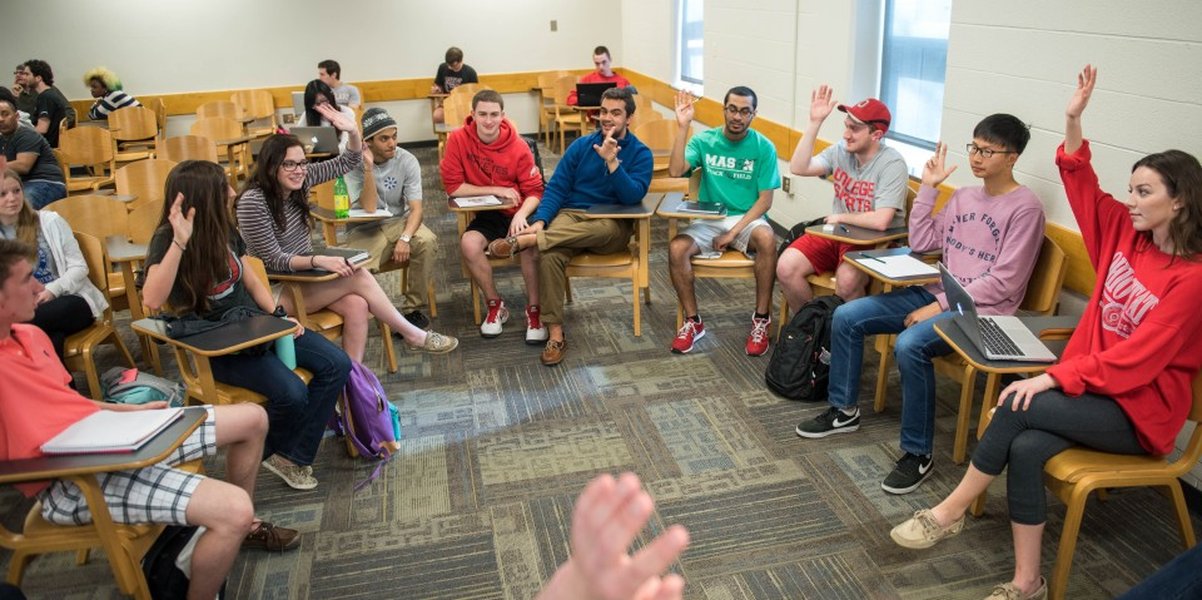
Key Highlights
- Evidence-Based Insights: Detailed studies demonstrate how peer facilitation can accelerate knowledge and skill development.
- Real-World Applications: Both studies offer links to accessible resources with APA 7th edition citations for proper academic referencing.
- Impact on Future Careers: The benefits extend beyond academic learning with implications for professional growth and vocational exploration.
Introduction to Peer Facilitation and Knowledge Advancement
Peer facilitation is a structured model where experienced group members help create an environment of mutual learning and advancement. This model has been harnessed in both academic and professional contexts to not only share information but also co-create knowledge through interaction, discussion, and problem-solving.
In this discourse, we explore two influential studies that underscore the role of peer facilitators in promoting knowledge advancement. Each study provides insights into how engagement in peer facilitation translates into enhanced learning, confidence, and skill acquisition. Comprehensive details, including direct links for further exploration and APA 7th edition citations, are provided to facilitate academic reference and further study.
Study 1: Serving as a Peer Study Group Facilitator
Overview and Findings
The study titled "Serving as a Peer Study Group Facilitator: Catalyst for Vocational Exploration of a Teaching Career" by Arendale (2020) examines the transformative impact of serving as a facilitator within peer study groups. The research highlights that student facilitators not only reinforce their own understanding of the subject matter but also gain valuable insights into professional practices. Through the process of facilitating group discussions and problem-solving exercises, peer facilitators report heightened confidence in their facilitation skills, improved communication, and a deeper reflection on their vocational aspirations.
Accessing the Study
You can access the full study by following the link provided below:
APA 7th Edition Citation
Arendale, D. R. (2020). Serving as a peer study group facilitator: Catalyst for vocational exploration of a teaching career. Retrieved from https://www.academia.edu/25817496/Serving_as_a_Peer_Study_Group_Facilitator_Catalyst_for_Vocational_Exploration_of_a_Teaching_Career
Study 2: Peer Learning – Academic Advancement Program
Overview and Findings
The second study comes from the University of California, Los Angeles (UCLA), entitled "Peer Learning – Academic Advancement Program." This research investigates how peer learning environments contribute significantly to knowledge and skills development within academic settings. The study found that facilitating peer-led sessions not only improved the academic competencies of the facilitators but also provided them with essential practical skills that can be applied to future professional pursuits.
Accessing the Study
To explore the findings and methodology of this peer learning program in detail, please refer to the following link:
- View UCLA Peer Learning Program
APA 7th Edition Citation
University of California, Los Angeles. (n.d.). Peer learning – Academic advancement program. Retrieved from https://www.aap.ucla.edu/units/peer-learning/
Comparative Analysis of the Studies
Both studies provide valuable insights into how peer facilitation can be effectively utilized to advance knowledge within academic settings. While Arendale's study focuses on personal growth and vocational exploration through facilitation roles, the UCLA study emphasizes broader academic advancements facilitated by structured peer learning programs. The table below encapsulates the key details of each study:
| Aspect | Arendale (2020) | UCLA Peer Learning |
|---|---|---|
| Study Focus | Peer study group facilitation and vocational exploration | Academic advancement and skill development via peer learning |
| Key Benefits | Improved facilitation skills, deeper subject understanding, heightened confidence, vocational insights | Enhanced academic competencies, practical skill application, collaborative learning environment |
| Access Link | Link to Study | Link to Program |
| APA Citation | Arendale, D. R. (2020). Serving as a peer study group facilitator: Catalyst for vocational exploration of a teaching career. Retrieved from Academia.edu. | University of California, Los Angeles. (n.d.). Peer learning – Academic advancement program. Retrieved from UCLA. |
Visual Representation of Key Factors
The radar chart below provides a visual representation of several vital parameters associated with peer facilitation and knowledge advancement, illustrating aspects such as knowledge acquisition, facilitation skills, academic impact, vocational influence, and collaborative learning. The datasets reflect subjective evaluations based on the synthesis of the studies discussed.
Frequently Asked Questions
What is the main focus of Arendale's study?
How does the UCLA Peer Learning Program contribute to academic advancement?
Why are peer facilitators important for knowledge advancement?
References
- Serving as a Peer Study Group Facilitator: Catalyst for Vocational Exploration of a Teaching Career - Academia.edu
-
Peer Learning – Academic Advancement Program - UCLA
-
Peer Facilitation and Team Learning - NCBI
- The Role of Peer Mentors in Promoting Knowledge and Skills Development - Wiley Online Library
- The Impact of a Peer-Teaching Instructional Approach - Scholar Commons
Recommended Related Queries
Last updated April 2, 2025