
Unlocking Group Synergy: How Peer Facilitators Bridge Divides and Build Unity
Exploring the strategies and attributes that enable peer facilitators to foster collaboration amidst diverse perspectives.
Highlights: Bridging the Gaps
- Focus on Common Ground: Effective peer facilitation emphasizes shared experiences, values, and goals to reduce tension and build connection among diverse group members.
- Cultivate Essential Attributes: Key qualities like inclusivity, compassion, adaptability, and strong communication skills are crucial for peer facilitators navigating differences.
- Leverage Structured Approaches: Utilizing intentional processes, active listening, and empathy helps transform diverse viewpoints into collective strengths and shared understanding.
Understanding Peer Facilitation in Diverse Groups
What is Peer Facilitation?
Peer facilitation is a dynamic process where individuals guide and support the learning, discussion, or activities of their peers. Unlike traditional hierarchical models, peer facilitators operate on a more level playing field, fostering a sense of shared ownership and mutual learning. They are not necessarily subject matter experts but are skilled in guiding group processes, encouraging participation, and helping the group achieve its objectives. This approach is utilized across various settings, including educational institutions, community organizations, support groups, and workplaces.
The Inherent Challenge of Diversity
Any group brings together individuals with unique backgrounds, perspectives, experiences, communication styles, and working methods. This diversity, while a potential source of richness and innovation, also presents challenges. Differences can lead to misunderstandings, conflict, or fragmentation if not managed effectively. Peer facilitators often find themselves at the intersection of these dynamics, tasked with creating an environment where differences are acknowledged and respected, while simultaneously building a sense of unity and shared purpose.
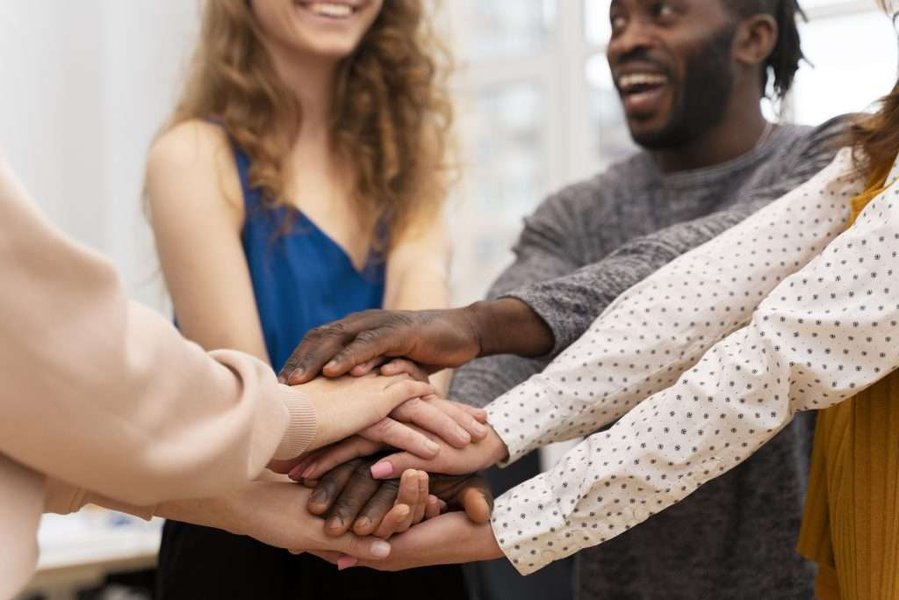
Peer facilitators help diverse individuals collaborate effectively towards common goals.
Strategies for Cultivating Unity Amidst Differences
Skilled peer facilitators employ specific techniques to navigate the complexities of group diversity and foster a cohesive environment.
Emphasizing Common Ground
One of the primary strategies is to actively seek and highlight commonalities. When disagreements or tensions arise, focusing on shared values, overarching goals, or universal human experiences (like the desire for respect, stability, or connection) can help bridge divides. By "tuning their ears to the frequency of common ground," facilitators help participants see beyond their differences and recognize their interconnectedness.
Leveraging Diversity as a Strength
Instead of viewing differences as obstacles, effective facilitation reframes them as assets. Diverse perspectives can lead to more robust discussions, creative problem-solving, and comprehensive understanding. Facilitators encourage participants to share their unique viewpoints in a respectful manner, creating a space where variety is valued and contributes to the group's collective intelligence.
Structured Dialogue and Processes
Implementing structured activities and clear processes can provide a safe framework for navigating potentially sensitive discussions. Techniques like rounds (ensuring everyone gets a chance to speak), active listening exercises, brainstorming sessions that separate idea generation from evaluation, and consensus-building methods (drawing from traditions like Quaker practices) help manage group dynamics and ensure all voices are heard. This structure can prevent conversations from becoming dominated by a few individuals or devolving into unproductive conflict.
Active Listening and Empathy
Peer facilitators model and encourage active listening – truly hearing and attempting to understand others' perspectives without immediate judgment. Fostering empathy, the ability to understand and share the feelings of another, is crucial. When participants feel heard and understood, even if not agreed with, it builds trust and rapport, laying the foundation for unity.
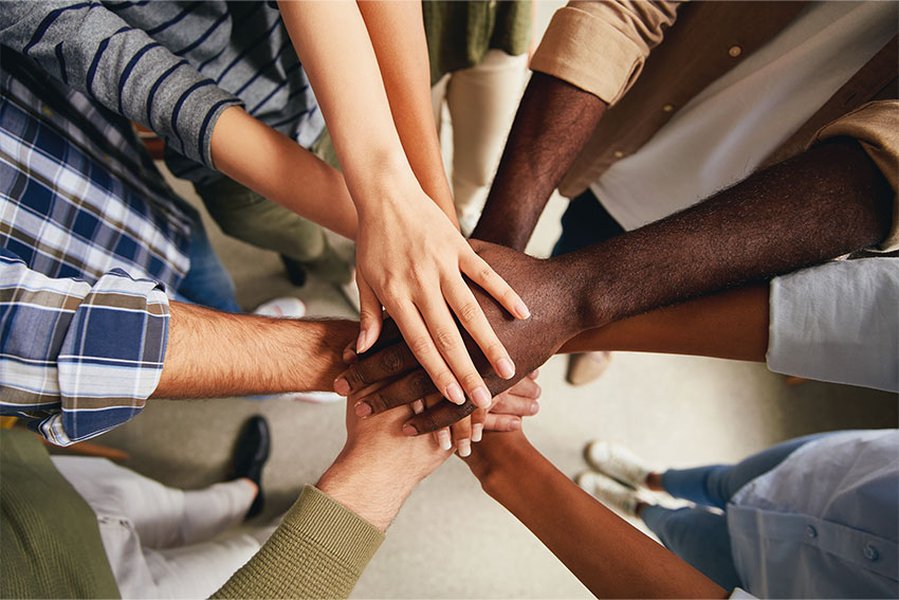
Active listening and empathy are foundational to effective peer support and facilitation.
Key Attributes of Effective Peer Facilitators
Beyond specific techniques, certain personal qualities and skills significantly enhance a peer facilitator's ability to foster unity in diverse groups.
Inclusivity and Compassion
An inclusive facilitator actively works to ensure everyone feels welcome, valued, and able to participate fully. They are sensitive to power dynamics and strive to create equitable opportunities for contribution. Compassion involves understanding and caring about the experiences and feelings of group members, which helps build trust and psychological safety.
Adaptability and Flexibility
Groups are dynamic, and unexpected issues or conflicts can arise. An adaptable facilitator can adjust their approach based on the group's needs and the evolving situation. They are comfortable with ambiguity and can pivot their strategies without becoming flustered.
Communication and Interpersonal Skills
Clear, concise, and respectful communication is essential. This includes not only how the facilitator speaks but also how they listen and interpret non-verbal cues. Strong interpersonal skills allow them to build rapport, manage group energy, and provide constructive feedback.
Conflict Resolution Abilities
While the goal is often harmony, disagreements are natural. A skilled facilitator doesn't shy away from conflict but knows how to guide the group through it constructively. This might involve mediation techniques, reframing issues, or helping the group establish ground rules for handling disagreements.
Visualizing Facilitator Effectiveness in Diverse Settings
The effectiveness of a peer facilitator in fostering unity amidst differences relies on a blend of key attributes. The radar chart below illustrates a hypothetical assessment of these attributes, highlighting areas of strength and potential development for facilitators working in complex group environments. Attributes like Inclusivity, Adaptability, Communication, Conflict Resolution, and Empathy are crucial for navigating diverse perspectives and building cohesive, productive groups. A well-rounded facilitator demonstrates competence across these areas.
Mapping the Concepts: Unity Through Peer Facilitation
Understanding how peer facilitation fosters unity amidst differences involves several interconnected concepts. This mindmap visually outlines the core elements: starting with the practice of peer facilitation itself, identifying the challenge of navigating differences, detailing the facilitator's crucial role, outlining key strategies employed, and highlighting the positive outcomes achieved through this process.
Peer Facilitation in Action: Examples Across Settings
The principles of fostering unity amidst differences through peer facilitation are applied in numerous real-world contexts. The table below provides examples, illustrating how the approach adapts to specific challenges and aims for unifying outcomes.
| Setting | Specific Challenge | Facilitation Approach | Unity Outcome Examples |
|---|---|---|---|
| Interprofessional Education (IPE) in Health | Students from different health professions (e.g., medicine, nursing, pharmacy) with varied knowledge bases, perspectives, and professional cultures. | Student facilitators guide collaborative case studies, emphasizing shared goals of patient-centered care, active listening across disciplines, and valuing each profession's contribution. | Improved understanding of different professional roles, enhanced teamwork skills, stronger focus on shared patient outcomes. |
| Online Multicultural Learning Groups | Participants from diverse cultural backgrounds facing potential communication barriers, different learning styles, and varying perspectives due to cultural norms. | Online peer facilitators establish clear communication guidelines, use structured discussion forums, encourage sharing of cultural perspectives respectfully, and actively manage potential misunderstandings. | Increased cultural competence, better cross-cultural collaboration, richer learning experience leveraging diverse insights, reduced feelings of isolation. |
| Community Support Groups | Members dealing with shared issues (e.g., recovery, grief, health conditions) but coming from diverse life experiences, socioeconomic backgrounds, and coping styles. | Peer facilitators (often with lived experience) foster empathy by encouraging sharing of personal stories, identifying common themes in experiences, maintaining confidentiality, and ensuring mutual respect. | Reduced stigma, stronger sense of belonging and mutual support, shared coping strategies, increased community resilience. |
| Workplace Teams | Team members with conflicting work styles, personality differences, or disagreements on project approaches. | A designated peer facilitator (or manager using facilitation skills) leads structured meetings to identify shared project goals, clarifies roles and responsibilities, mediates disagreements, and encourages appreciation for diverse skills. | Improved team cohesion and collaboration, reduced interpersonal friction, more efficient project completion, creation of a more inclusive work environment. |
| University Diversity & Inclusion Programs | Students from various racial, ethnic, socioeconomic, and identity backgrounds navigating campus climate and potentially divisive social issues. | Peer facilitators lead workshops or dialogues focused on identity exploration, sharing personal narratives, challenging biases, and finding common ground on social justice issues. | Increased empathy and understanding across different identity groups, development of allyship skills, stronger sense of campus community and shared identity. |
Broader Perspectives on Finding Unity
While peer facilitation offers specific strategies within groups, the challenge of finding unity amidst differences is a broader societal theme. Understanding how communities and individuals navigate divisions can provide valuable context. This video explores the concept of unity and community building in times of cultural division, emphasizing shared values and purpose as foundational elements for connection, themes that resonate strongly with the goals of peer facilitation.
Frequently Asked Questions (FAQ)
1. What's the difference between peer facilitation and peer mediation?
2. How can diversity actually *strengthen* a group facilitated by a peer?
3. Can peer facilitation be effective in online or virtual settings?
4. Is specific training required to be an effective peer facilitator for diverse groups?
References
The following sources informed the discussion on peer facilitation, unity, and diversity:
-
Peer facilitation: Accelerating individual, community, and societal learning through supportive peer interactions - PMC
- Unity and Diversity | Group Works - Group Works Deck
- Unpacking the perceptions and experiences of student facilitators in health professions education - Taylor & Francis Online
- Exploring the roles and facilitation strategies of online peer facilitators in culturally diverse learning environments - Studies in Self-Access Learning Journal
- Multicultural study groups: Long-term gains for peer facilitators - E-International Journal of Educational Research
- Expert peer facilitation of the EVERYbody project - PubMed
- Fostering Team Unity Amidst Diverse Work Styles - LinkedIn
- Peer perspectives on inclusion: Fostering unity amidst diversity in higher education - Bentley University News
Recommended Reading
Last updated April 24, 2025