
Positive Emotional Experiences in Mathematics Peer Tutoring
Enhancing Mathematics Learning through Supportive Peer Interactions
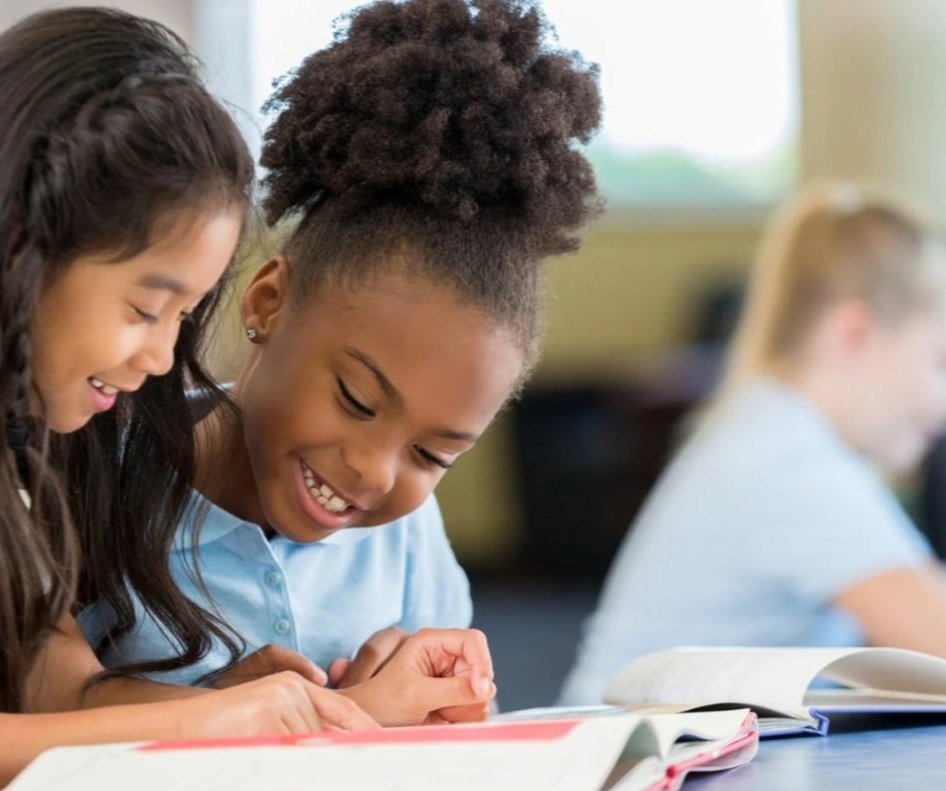
Key Takeaways
- Reduction of Anxiety: Peer tutoring alleviates math anxiety, offering a comforting and informal learning environment.
- Boost in Confidence and Self-Concept: Both tutors and tutees experience improved self-esteem and a more positive attitude towards mathematics.
- Enhanced Social Interaction: Collaborative learning fosters deeper interpersonal connections and promotes inclusiveness within diverse classrooms.
Overview
Peer tutoring in mathematics involves the pairing or grouping of students to facilitate a shared learning experience where both tutors and tutees benefit from reciprocal teaching and learning. This approach not only improves academic performance but also enlivens the learning environment with a range of positive emotional outcomes. Research consistently reveals that such strategies reduce subject-related anxiety, foster a growth mindset, and encourage positive interpersonal relationships that contribute to a robust community of learners.
Creating a Supportive Learning Environment
One of the primary benefits of mathematics peer tutoring is the creation of a supportive, non-judgmental environment. By working together, students create a space that is academically enriching and emotionally supportive. This relational dynamic is particularly beneficial in mitigating the high levels of anxiety often associated with challenging subjects like mathematics.
Reduction of Mathematics Anxiety
Anxiety in mathematics is a well-documented barrier to success. Peer tutoring provides a low-pressure environment where students can ask questions and confront difficulties without the stigma that sometimes occurs in traditional classroom settings. A comfortable atmosphere is established where:
- Students face fewer fears about making mistakes.
- Learning happens in a relaxed, interactive setting.
- There is a supportive structure that encourages all participants to share their challenges.
This reduction in anxiety can lead to improved academic performance as students become more willing to engage with complex mathematical problems and explore creative solutions.
Boost in Confidence and Self-Concept
Engaging in peer tutoring also reinforces positive self-concepts among students. When students act as tutors, they are compelled to review and articulate known concepts, which reinforces their own understanding and nurtures a belief in their ability to succeed. Similarly, tutees may experience a significant uplift in confidence when they see their peers succeed and recognize that they too can achieve success in mathematics. This process is instrumental in:
- Improving self-esteem and encouraging a growth mindset.
- Enhancing academic self-concept, leading to a sustained interest in mathematics.
- Building resilience in facing academic challenges.
Interpersonal Benefits and Social Integration
The benefits of peer tutoring go beyond academic achievement. Social connectedness and emotional well-being are equally important outcomes. In the realm of mathematics, which often suffers from a reputation steeped in isolation or frustration, peer tutoring breaks down traditional hierarchies and facilitates an environment of mutual aid.
Enhanced Social Relationships
The interpersonal dynamics inherent in peer tutoring sessions help in building relationships that extend beyond the academic domain. By collaborating on problem-solving, students learn to appreciate diverse thinking styles and offer empathy towards each other. Benefits include:
- Fostering trust and camaraderie between peers.
- Strengthening a sense of belonging in the classroom community.
- Encouraging an atmosphere where diversity and inclusion are celebrated, turning differences into educational assets.
Collaborative Engagement and Motivation
Peer tutoring sets the stage for increased engagement and motivation. The reciprocal nature of tutoring, where both tutor and tutee contribute to the learning process, creates an environment that is more interactive and rewarding compared to traditional teacher-centered instruction. This dynamic plays a crucial role in:
- Providing immediate feedback and positive reinforcement.
- Encouraging a more active engagement with complex mathematical concepts.
- Promoting a spirit of exploration and problem-solving as students work together to overcome academic hurdles.
The Multifaceted Impact of Peer Tutoring
Combining the emotional and academic improvements, peer tutoring in mathematics has a multifaceted impact that benefits the whole educational ecosystem. Through deliberate structure and careful facilitation by educators, these programs can be designed to encourage not just academic rigor but also social empathy and constructive self-reflection.
Academic Achievement and Self-Concept
A key consensus emerging from multiple studies is that the experience of tutoring in mathematics bolsters both academic achievement and self-concept. When peer tutoring is implemented effectively:
| Aspect | Impact | Examples |
|---|---|---|
| Mathematics Achievement | Improved test scores and heightened understanding of mathematical concepts | Personalized explanations, collaborative problem-solving |
| Self-Concept | Boost in confidence and a positive identity related to academic abilities | Success in teaching/learning roles, reinforcing strengths |
| Emotional Engagement | Increased motivation and positive attitudes towards math | Interactive and enjoyable process that makes learning fun |
These elements create a cycle where heightened self-confidence leads to improved performance, which in turn reinforces positive self-concept—a benefit that may have lifelong implications.
Development of a Growth Mindset
Peer tutoring encourages students to develop a growth mindset, which is the belief that abilities can be developed through dedication and hard work. This mindset is crucial, especially in subjects like mathematics that many students find intimidating. The tutoring process supports this concept by:
- Transforming setbacks into learning opportunities.
- Validating the value of persistence and hard work.
- Ensuring that both tutors and tutees see failure as a stepping stone to success and personal growth.
Implementation Strategies for Effective Peer Tutoring
To maximize the benefits associated with peer tutoring in mathematics, careful planning and implementation are essential. Here are several strategies that educators and institutions can employ:
Structured Pairing and Role Reversal
Effective tutor-tutee pairing is critical. Rotating roles periodically ensures that all students experience both teaching and learning. This approach can:
- Equalize power dynamics, making the learning environment more democratic.
- Offer every student the chance to articulate mathematical concepts and thus solidify their understanding.
- Create opportunities for empathy, as students get to understand different perspectives on learning mathematics.
Guided Peer Interactions
For peer tutoring to be consistently effective, it benefits from guided interactions. Educators can set clear expectations and provide frameworks that encourage productive dialogue. For example:
- Structured discussion points to ensure conversations stay focused on solution-building.
- Regular check-ins and progress monitoring to support both tutors and tutees.
- Feedback loops where tutors can learn and refine their teaching strategies, and tutees can assess their comprehension effectively.
Incorporation of Technology
Integrating technology into peer tutoring sessions can expand the methods available to convey mathematical concepts. Interactive whiteboards, digital platforms, and virtual breakout rooms can enhance communication, enabling more dynamic and engaging sessions. This integration supports:
- Real-time problem-solving and collaboration regardless of physical location.
- Access to rich, multimedia content that can adapt to different learning styles.
- Digital record keeping, which aids in tracking progress and identifying areas for additional support.
Broader Benefits Beyond Mathematics
While our focus here is mathematics, the positive emotional outcomes of peer tutoring extend to other academic disciplines as well. The skills developed—such as critical thinking, emotional intelligence, and effective communication—are transferable to a wide array of subjects and future professional environments. The collaborative experiences not only prepare students for academic challenges but also equip them with practical skills for everyday interactions.
Long-Term Educational Impact
The benefits experienced in peer tutoring can contribute to a long-term enhancement of educational environments. Students who have both taught and been taught in a structured peer-learning context often go on to display:
- Higher levels of academic engagement and persistence in challenging subjects.
- Greater adaptability to diverse learning contexts, including higher education and professional training programs.
- Stronger social and emotional competencies that support lifelong learning and success.
Practical Examples and Case Studies
Several empirical studies have documented the positive effects of peer tutoring in mathematics. For instance, collaborative programs in middle school settings have shown significant reductions in mathematics anxiety. Such studies highlight that even brief interventions in a peer tutoring context can lead to measurable improvements in student outcomes, both academically and emotionally. The following example table provides a snapshot of research findings associated with peer tutoring:
| Study Aspect | Observed Benefits | Research Highlights |
|---|---|---|
| Anxiety Reduction | Significant decrease in math anxiety levels | Informal peer interactions reduce pressure and fear of failure |
| Self-Concept Improvement | Increased self-esteem and confidence | Active role reversal encourages both teaching and learning confidence |
| Enhanced Motivation | Higher engagement and enthusiasm for math | Collaborative problem-solving leads to more invested learning |
| Strengthened Social Bonds | Improved relationships among peers | Regular interaction fosters trust and a sense of community |
Implementing a Successful Peer Tutoring Program
When considering the establishment of a peer tutoring program, educators should consider multiple factors such as program structure, student readiness, and ongoing support mechanisms. Comprehensive training for peer tutors can enhance the effectiveness of the program dramatically. Useful strategies involve:
- Providing initial training that covers not only mathematical content but also communication and teaching skills.
- Setting clear expectations and guidelines for both tutors and tutees.
- Encouraging reflective practices after each session to assess emotional and academic progress.
- Adopting a flexible structure that adjusts to the needs of diverse student groups.
Broader Implications for Education
The benefits of peer tutoring underscore the importance of social dynamics in academic settings. Schools and educators are increasingly recognizing that learning is not just about imparting knowledge—it is also about cultivating the right emotional and interpersonal environment. In mathematics, where many students face significant barriers, peer tutoring acts as a catalyst for change, building educational ecosystems that are both nurturing and challenging.
Enhanced Classroom Climates
By integrating peer tutoring into regular classroom activities, educators can foster a more welcoming and cohesive classroom climate. This approach not only enhances the learning of mathematics but also contributes to overall student well-being. Schools that implement these programs often report:
- Lower incidences of disruptive behavior.
- Higher overall student satisfaction and engagement with learning material.
- An increased sense of belonging and community among students.
References
- Classroom Observations of a Cross-Age Peer Tutoring Mathematics Program - ResearchGate
- Peer Tutoring and Its Effects on Learning - Sage Journals
- Peer Tutoring Effects on Students' Mathematics Anxiety - Frontiers in Psychology
-
Effects of Peer Tutoring on Mathematics Self-Concept - PMC
-
Cultivating Positive Relationships in Math Class - Edutopia
Recommended Queries
Last updated March 6, 2025