
Research on Population Aging and Pension Schemes
A comprehensive review of econometric and DSGE studies examining the impact of aging on pension systems.
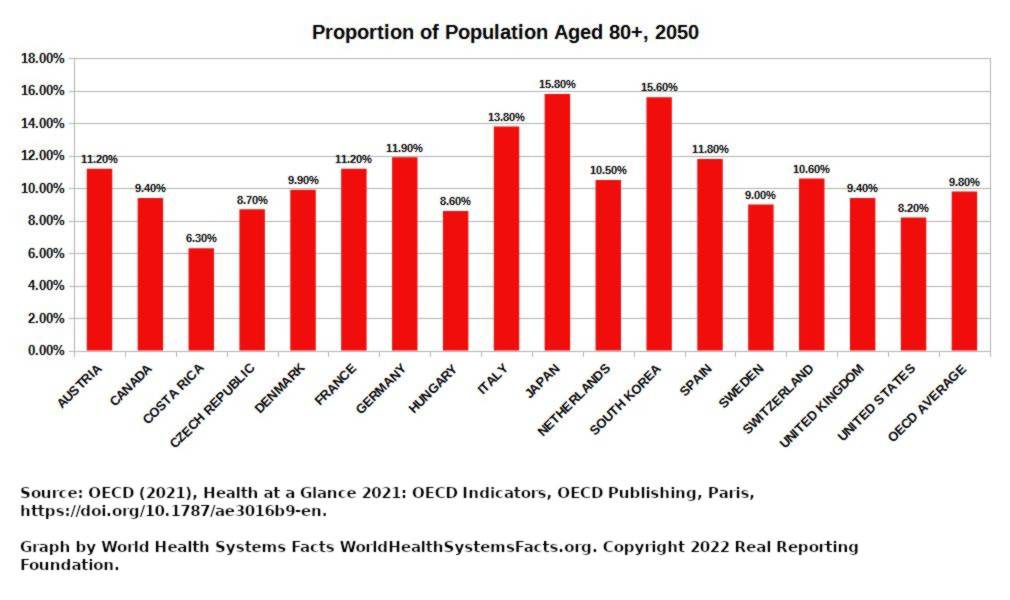
Key Highlights
- Demographic Shifts and Financial Sustainability – Multiple studies address the challenges posed by an increasing number of retirees relative to the working population.
- Econometric Insights and Policy Implications – Empirical models highlight the need for pension reforms and flexible policies to ensure long-term viability.
- DSGE Modeling for Macroeconomic Analysis – Dynamic models are used to simulate and forecast the interaction of pension systems with broader economic dynamics.
Overview of Research Methodologies
The academic literature addressing the impact of population aging on pension schemes and pension funds is rich and diverse. Researchers have utilized both econometric techniques and Dynamic Stochastic General Equilibrium (DSGE) models to understand how demographic transitions affect pension sustainability, savings rates, and economic growth. The advantage of econometric models is their ability to empirically quantify relationships using historical data, whereas DSGE models provide a theoretical framework to simulate macroeconomic interactions over time.
Econometric Approaches
Econometric studies on this topic involve the analysis of large datasets to empirically determine the effects of an aging population on pension sustainability. Key areas include:
Focus Areas in Econometric Research
- Replacement Rates and Elderly Poverty: Research shows that pension income replacement rates are inversely related to the incidence of poverty among the elderly. Panel data models have been employed to capture these effects across different nations.
- Savings Behavior: Studies indicate that both public and private savings tend to decline as pension spending increases. This decline affects overall physical capital investment and, subsequently, economic growth.
- Policy Reform Analysis: A number of papers suggest that adjusting retirement ages, encouraging extended labor force participation, and extending coverage to informal sector workers are necessary steps to bolster pension schemes.
Dynamic Stochastic General Equilibrium (DSGE) Models
DSGE models incorporate various sectors of the economy to evaluate the macroeconomic effects of population aging. They help simulate how changes in pension funding, savings, and investment interact to influence broader economic outcomes.
DSGE Model Insights
- Macro Policy Implications: DSGE analyses evaluate the impact of different pension system designs, including pay-as-you-go (PAYG) schemes, on unemployment, consumption, and public debt levels.
- Demographic Transition Effects: These models highlight how a rising dependency ratio influences national saving patterns and can lead to a decline in economic growth if not counteracted by structural pension reforms.
- Long-Term Simulations: By simulating various future scenarios, DSGE studies guide policymakers in understanding the long-term fiscal challenges associated with an aging workforce.
Notable Papers and Summaries
| Title | Focus | Methodology | Key Findings |
|---|---|---|---|
| "The Future of Saving: The Role of Pension System Design in an Aging World" | Pension system structure, savings behavior | Econometric Analysis, Panel Data | Highlights the need for policy reforms to counteract declining savings and ensure pension sustainability. |
| "Population Aging and the Rising Cost of Public Pensions" (Bongaarts, 2004) | Public pension expenditures | Theoretical Framework, Empirical Projections | Demonstrates that current trends are unsustainable without significant pension and fiscal policy changes. |
| "Population Aging and Public Pension Reforms in a Small Open Economy" | Pension reform impacts, economic variables | Theoretical, DSGE Modeling | Analyzes how different reform schemes can affect consumption, public debt, and overall economic stability. |
| "Population Aging, Pension Systems, and Economic Growth" | Macro-economic impact of pension systems | Overlapping Generations (OLG) Model, DSGE Extensions | Sheds light on the negative consequences of prolonged aging on national savings rates and economic growth. |
| "The Impact of Rapid Aging and Pension Reform on Savings and the Labor Supply" | Interrelation between aging, saving patterns, and labor supply | DSGE Modeling, Econometric Estimation | Emphasizes the need for extending working age to mitigate declining savings and maintain economic equilibrium. |
Additional Insights from Comparative Studies
Comparative studies across various regions have provided key insights into how the impact of demographic aging is context-dependent. Advanced economies often face a shrinking labor force leading to greater challenges in sustaining pension systems, while emerging markets might still experience higher private savings. These disparities underscore the importance of tailored policy interventions:
Regional Variations
- Advanced Economies: Countries with higher life expectancies and low birth rates are forced to adopt significant pension reforms to address fiscal imbalances, including increasing retirement ages and revisiting benefit calculations.
- Emerging Economies: While some face challenges from lower coverage of pension schemes, higher private savings and different labor market dynamics offer a different set of policy tools to address aging.
- International Perspectives: Cross-country analyses reveal that variations in pension system design—whether contributory or pay-as-you-go—critically mediate the economic impact of aging populations.
Policy Recommendations Derived from Academic Studies
- Extend Retirement Age: Encouraging longer working lives is directly linked with improving the sustainability of both public and private pension schemes.
- Enhance Pension Coverage: Particularly in developing countries, expanding pension coverage to include informal workers and the self-employed is essential for reducing elderly poverty.
- Promote Sustainable Investment: Pension funds are increasingly adopting long-term investment strategies that also consider environmental and social governance (ESG) principles.
- Reform Pension Structures: Whether transitioning from unfunded to more savings-based systems or revising benefit formulations, academic evidence supports a range of potential reforms to buffer against demographic shifts.
Key Research Papers – A Summary
The following is a consolidated list of notable research papers addressing the impact of population aging on pension systems:
- "The Future of Saving: The Role of Pension System Design in an Aging World" – Focuses on pension design and its influence on private savings using both panel data econometrics and analytical models.
- "Population Aging and the Rising Cost of Public Pensions" – This influential work demonstrates how current trends in demographic change forecast unsustainable pension expenditure without policy intervention.
- "Population Aging and Public Pension Reforms in a Small Open Economy" – Presents various reform scenarios using DSGE models, stressing how model outcomes can guide legislative changes.
- "Population Aging, Pension Systems, and Economic Growth" – Employs OLG and DSGE modeling to show the interaction between demographic trends and economic performance.
- "The Impact of Rapid Aging and Pension Reform on Savings and the Labor Supply" – An empirical and model-based study that underscores the importance of adjusting labor participation rates to stabilize long-term pension viability.
References
-
The Impact of Aging on Pensions and Public Policy – IMF F&D
- Population Aging and the Sustainability of Pension Funds – ResearchGate
- Macroeconomic Consequences of Population Aging – AEA
- Population Aging, Pension Reforms, and Public Policy – ECB
-
The Impact of Rapid Aging and Pension Reform on Savings and the Labor Supply – IMF Working Paper
-
The Future of Saving: The Role of Pension System Design – IMF Working Paper
-
Population Aging, Health Investment and Economic Growth – PMC
- Population Aging and Growth: The Effect of Pay-as-You-Go Pension Reform – JSTOR
-
The Impact of Aging Populations on Pension Systems Worldwide – Icuvo
-
IMF F&D: Impact of Aging on Pensions – IMF
Recommended Further Exploration
Last updated March 1, 2025