
Valorization of Pension Contributions Across Countries
Understanding the Growth Value of Money in Retirement Accounts
Key Highlights
- Diverse Investment Approaches: Countries use various asset mixes and investment strategies to grow pension contributions.
- System Structures Matter: The distinction between defined benefit and defined contribution plans greatly affects how money grows.
- Indexation & Regulatory Influence: Indexation methods and national regulations play significant roles in ensuring that contributions maintain real value over time.
Introduction: The Valorization Process
When discussing the growth value of "money" in retirement accounts, or the valorization of pension contributions, we explore a multifaceted process that involves not only market returns but also the underlying methodology used by national pension systems. Valorization refers to the adjustments made to pension account balances over time, reflecting both investment earnings and mechanisms that preserve the purchasing power of contributions against inflation and wage growth. In this comprehensive overview, we delve into multiple factors such as investment strategies, plan types, indexation methods, and regulatory environments that impact the growth value of these contributions across various countries.
Investment Strategies and Asset Mix
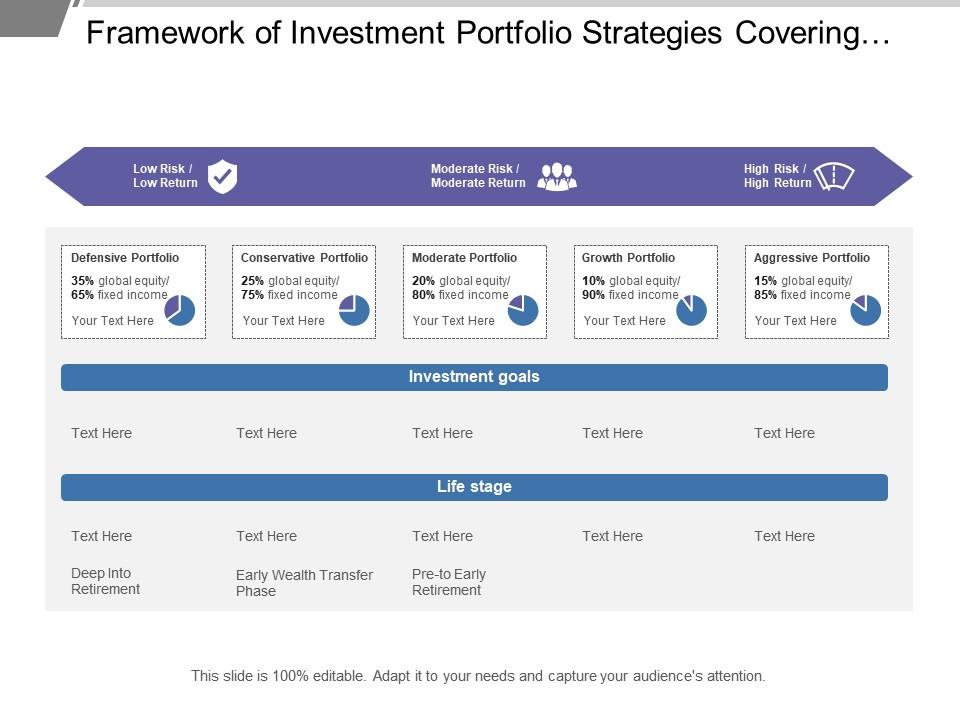
One of the most significant factors in the valorization of pension contributions is the investment strategy implemented by the pension fund or retirement system. Many countries rely on diversified investment portfolios that typically include equities (stocks), bonds, real estate, and even alternative investments:
Asset Allocation and Diversification
A diversified portfolio helps reduce overall risk while aiming for a higher rate of return, which ultimately improves the growth value of contributions. For example, Australia’s superannuation system, which is primarily based on defined contribution plans, relies heavily on a mix of assets that are managed dynamically based on market conditions. In countries like Denmark and Sweden, occupational pensions are invested in a combination of asset classes, which are tailored to the risk appetite of the system – from conservative bonds to higher-risk equities.
Investment-Based Growth
Across many countries, the core idea is that contributions should not just be saved but be invested. This means that the performance of underlying assets directly affects the future value of retirement accounts. Pension funds that invest in higher-yielding instruments can deliver substantial growth over time, provided they manage risk appropriately. Notable strategies include:
Target-Date Funds
Target-date funds offer another popular investment method. They involve an automatically adjusted mix of assets that become more conservative as the individual nears retirement. This helps in maximizing returns early on while protecting gains during the later years.
Asset Performance and Economic Conditions
Market performance plays a pivotal role, and fluctuations in the global economy can have both positive and negative impacts on retirement savings. Countries with robust investor protection, rigorous oversight, and diversified investment infrastructures tend to achieve more stable and higher valorization outcomes for their pension contributions.
Defined Benefit versus Defined Contribution Plans
Pension systems worldwide can primarily be classified into two categories: defined benefit (DB) plans and defined contribution (DC) plans. Both have distinct roles in the valorization of contributions:
Defined Benefit (DB) Plans
In defined benefit plans, the retirement benefit is predetermined based on an employee’s salary history and tenure. The onus of managing investment performance falls on the plan sponsor, which is often a government or employer. In these systems, valorization often involves actuarial assumptions and periodic adjustments (i.e., indexation) to account for inflation and wage growth. For instance, some countries integrate wage indexation rules, ensuring that the eventual payout keeps pace with rising wages.
Defined Contribution (DC) Plans
Defined contribution plans, by contrast, accumulate contributions over time and the eventual retirement benefit depends directly on the investment performance of those funds. Here, valorization is primarily driven by how well the investment portfolio performs. In systems prevalent in the United States, Canada, and Australia, the retirement merit is essentially a reflection of market returns – making the choice of investment strategy vital. Poor market performance could jeopardize the growth value, whereas a diversified asset strategy can significantly enhance the fund's performance through compound interest.
Indexation and Regulatory Frameworks
Beyond pure investment returns, various countries implement specific indexation and regulatory strategies to ensure that the real value of pension contributions is maintained over time.
Indexation Methods
Indexation is the process by which pension contributions or benefits are adjusted periodically to account for changes in economic indicators:
Price Indexation vs. Wage Indexation
Price indexation involves adjusting pension amounts based on inflation. Though it safeguards against the loss of purchasing power, wage indexation can result in higher benefits since wages typically grow faster than prices over long periods. Some countries adopt a hybrid model, linking pension benefits to both price changes and average wage increases.
Regulatory Environment and Reforms
Each country develops its own norms and standards regarding pension contributions. Regulatory frameworks are designed to protect the contributors and to ensure the sustainability of pension systems. Some key regulatory aspects include:
Tax Incentives and Subsidies
Many countries encourage higher contributions through tax advantages. For example, tax-deferred growth in pension accounts is a common feature in systems like those in the United States and Germany. Tax policies not only incentivize savings but also contribute indirectly to the valorization process, as higher contributions lead to greater investment potential.
Market-Based Adjustments
In several European countries as well as Japan, the process of adjusting pension liabilities uses market-based discount rates. For instance, in Japan, discount rates are often linked to government bond yields. While these adjustments primarily affect the liabilities side of pension funds, they also indirectly influence how contributions are managed and grown over time.
Comparative Overview: A Closer Look at Country Practices
To provide a clearer understanding of how pension contributions are valorized, it is useful to compare different national approaches. The following table consolidates key factors from various countries:
| Country | Pension Type | Primary Valorization Method | Investment Strategy | Indexation |
|---|---|---|---|---|
| Australia | Defined Contribution | Market-based growth | Mixed asset portfolio (equities, bonds, real estate) | Often linked to inflation and wage growth |
| United States | Both DB and DC | Investment returns for DC, actuarial assumptions for DB | Diversified investment with target-date funds | Varies by plan; some use cost-of-living adjustments |
| Japan | Predominantly DB | Market-based for liabilities | Often reliant on government bonds | Not directly indexed to inflation; adjustments based on bond yields |
| Netherlands | Predominantly DB | Market-based valuation of liabilities | Globally diversified investments | Both wage and price indexation models applied |
| Sweden | Defined Contribution | Investment returns drive growth | Mixed asset portfolios with a focus on equities | Often employs inflation-linked increases |
This table illustrates that there is no one-size-fits-all approach to valorizing pension contributions. Instead, each system is tailored to its own economic, regulatory, and demographic contexts, leveraging a balanced mix of investment strategies and indexation methods to protect and grow retirement funds.
Additional Factors Affecting Pension Growth
Beyond the straightforward influences of investments and indexation, several other factors can significantly impact the ultimate growth value of pension money:
Fees and Administrative Costs
Administrative fees and management costs can erode returns over extended periods. Countries that maintain low-cost pension funds often see a more significant accumulation of assets. Effective cost management is therefore critical to achieving optimal valorization of contributions.
Economic Environment and Market Cycles
Economic cycles, including periods of recession and boom, play an essential role in how investments perform. The resilience of the pension system during downturns, as well as its capacity to capitalize on periods of growth, is vital for long-term asset accumulation. Diversification and dynamic asset allocation help mitigate risks during economic slowdowns.
Longevity and Demographic Trends
Increasing life expectancy in many parts of the world has prompted reforms to pension systems. Systems with generous longevity projections may require higher contributions or adjusted growth assumptions, thereby impacting the overall valorization process. This demographic shift necessitates that pension schemes not only grow contributions but also adequately manage liabilities.
Synthesis of Global Practices
Drawing on diverse international practices, the valorization of pension contributions can be synthesized into several key components:
1. Investment Diversity and Strategy
Nearly all countries acknowledge the importance of a diversified investment approach. Whether through direct investment in public equities, bonds, or alternative assets, the risk-adjusted return from these vehicles is instrumental in enhancing the growth of the pension pot. Systems that leverage target-date funds and balanced asset strategies generally show favorable outcomes.
2. Tailored Indexation Approaches
Indexation methods are critical, ensuring that the real value of contributions does not diminish over time. The choice between price indexation, wage indexation, or a hybrid approach depends on the local economic context and historical wage-image growth dynamics. Countries that use wage indexation often yield better retirement incomes compared to those solely using inflation adjustments.
3. Impact of Regulatory and Tax Policies
Regulations and tax incentives not only encourage consistent contributions but also help manage how pension funds are administered. Tax-deferred growth and low-fee management can significantly improve the net returns on retirement accounts. Robust regulatory oversight ensures that pension funds are not overly exposed to high-risk investments, thereby safeguarding future assets.
Forward-Looking Considerations
With evolving global economic conditions, many nations continue to reform and adapt their pension landscapes. The trend towards defined contribution plans, which place the investment risk on individuals, has heightened the importance of effective asset management and low-cost fee structures. Additionally, as digital financial advisory services become more prevalent, retirees might benefit from tailored investment advice that further enhances the value of their contributions.
It is also essential to recognize that while market performance plays a significant role, the structural elements of pension systems—such as regulatory frameworks, tax policies, and indexation methodologies—form the backbone of sustainable growth. Continuous monitoring and periodic reforms are necessary to adjust pension systems in line with demographic trends and economic shifts, ensuring that the valorization of pension contributions aligns with long-term retirement goals.
References
- Pension systems by country - Wikipedia
- Retirement Statistics - NerdWallet
- Pensions at a Glance 2023 - OECD
- Ranked Pension Plans, by Country - Visual Capitalist
- Pension Systems Overview - World Bank
Recommended Queries for Deeper Insights
Last updated March 18, 2025