
Meta Analysis of PERMA in Indian Classical Dancers
Exploring the Well-being Dimensions through Dance Research
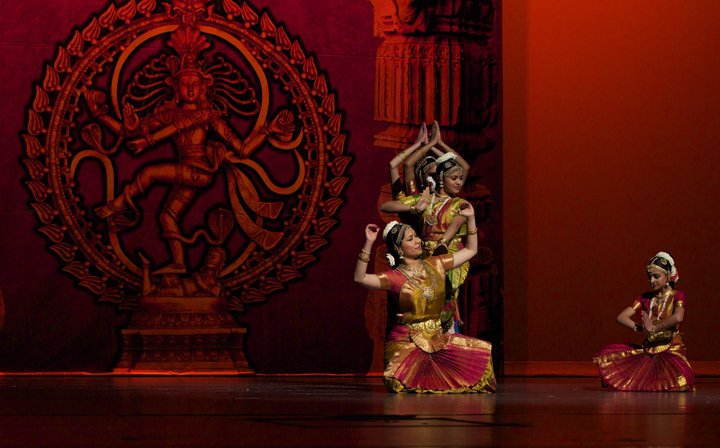
Key Insights
- Integration of PERMA Components: Research aligns Indian classical dance with enhanced positive emotions, deep engagement, and meaningful social relationships.
- Mental and Physical Health: Studies reveal a dual trajectory where increased psychological well-being coexists with risks like musculoskeletal injuries.
- Need for Standardization: A meta-analytical approach is needed to systematically evaluate and quantify the psychological, emotional, and physical aspects among dancers.
Overview of PERMA and Its Relevance to Indian Classical Dance
The PERMA framework, conceptualized by psychologist Martin Seligman, comprises five core elements that define human well-being: Positive Emotion, Engagement, Relationships, Meaning, and Accomplishment. These dimensions collectively offer a holistic approach not only to individual flourishing but also to understanding the benefits accrued from artistic pursuits, including Indian classical dance.
Understanding PERMA Dimensions
Positive Emotion
Positive emotions involve feelings of joy, satisfaction, and optimism, which are frequently reported by dancers. In the context of Indian classical dance, the expressive and vibrant nature of performances often elevates mood and provides a cathartic release of emotions. Research indicates that regular engagement in this art form can elevate mood and contribute to an overall positive outlook on life.
Engagement
Engagement pertains to the state of being completely absorbed and involved in an activity—a state often referred to as flow. Indian classical dance, with its rhythmic sequences and intricate movements, naturally facilitates this immersive experience. Dancers describe moments during performances when their focus is so intense that time seems to stand still, consistently describing it as the flow state that enhances both skill and emotional satisfaction.
Relationships
Relationships concern the social bonds that sustain human life. The training environment in Indian classical dance fosters strong communities, as dancers engage closely with gurus, peers, and choreographers. This collective journey not only supports technical growth but also builds a network of encouragement, thereby reinforcing a sense of belonging and social support that is critical for mental resilience.
Meaning
The search for meaning is intrinsic to human existence. For many Indian classical dancers, the art form is more than a performance; it is a channel for cultural expression and spiritual storytelling. The stories conveyed during performances often hold historical significance and impart life lessons that resonate deeply with both performers and viewers, thereby enhancing the sense of purpose and existential fulfillment.
Accomplishment
Accomplishment refers to the satisfaction derived from achieving set goals. Rigorous training and the pursuit of mastery in Indian classical dance lead to tangible milestones that build self-esteem and confidence. Public performances, awards, and recognition further contribute to a dancer’s self-worth, creating a feedback loop that reinforces commitment to the art.
Meta-Analytical Perspectives on Indian Classical Dance and PERMA
A meta-analysis is a statistical approach that synthesizes findings from multiple studies, leading to more objective, generalized results. While direct meta-analyses solely focused on the PERMA dimensions in Indian classical dancers are relatively scarce, existing literature sheds light on related aspects. Scholars have examined how the performance of traditional dance forms like Bharatanatyam, Kathak, and Odissi can influence psychological well-being, aligning well with the PERMA components.
Synthesizing Existing Research
Integrative studies indicate that engaging in Indian classical dance can lead to improvements in various facets of well-being. For instance, research emphasizing positive emotions reveals that dancers commonly report elevated levels of happiness and reduced stress. Concurrently, studies focusing on the concept of flow contribute to the understanding of engagement among dancers, highlighting moments where technical mastery and emotional immersion blend seamlessly.
Mental Well-being Benefits
Several studies contrasting the mental health of Indian classical dancers with that of non-dancers find a positive correlation between regular dance practice and mental health outcomes. Elevated self-esteem, reduced anxiety, and heightened resilience were frequently reported. Notably, these positive effects are strongly reflective of the PERMA components of Positive Emotion and Engagement. Moreover, the harmonious integration of culture and art contributes significantly to a sense of Meaning, providing both personal and communal significance.
Physical Health Considerations
Notwithstanding the evident psychological benefits, Indian classical dancers face challenges such as musculoskeletal injuries. Research on Bharatanatyam and Kathak dancers demonstrates that repetitive movements and extensive training regimens contribute to strains and postural imbalances. For instance, altered lumbar lordosis and pelvic inclinations have been documented. These physical health issues, while seemingly contradictory to positive well-being, underscore the need for a balanced approach to dance training that prioritizes both physical and psychological safety.
The Intersection of Mental and Physical Health
The interplay between mental well-being and physical health is complex. Though activities such as Indian classical dance boost psychological resilience, they simultaneously require vigilant monitoring for injuries and overuse syndromes, which could adversely affect overall well-being. Techniques such as yoga, meditation, and specialized physiotherapy have been recommended to complement rigorous dance training, ensuring that the benefits derived from improved PERMA dimensions are not overshadowed by physical ailments.
A Detailed Table: Linking PERMA Dimensions and Dance Outcomes
| PERMA Dimension | Associated Benefits in Dance | Relevant Observations |
|---|---|---|
| Positive Emotion | Increased happiness, mood elevation, reduced stress | Dancers experience cathartic expression and joy during performances. |
| Engagement | Deep concentration, flow state, immersive involvement | Flow experiences during choreography lead to skill mastery and intrinsic motivation. |
| Relationships | Strong community ties, mentorship, social support | Frequent interactions with peers and gurus foster emotional support and professional networking. |
| Meaning | Cultural expression, spiritual fulfillment, narrative connection | The storytelling inherent in dance connects performers with their heritage and personal identity. |
| Accomplishment | Achievement in technical skills, recognition, self-esteem | The rigorous training regime and public performances contribute to a sustained sense of achievement. |
Empirical Evidence in Research: Challenges and Opportunities
In reviewing the literature, many studies adopt diverse methodologies, which often makes direct comparisons challenging. Key insights have emerged highlighting the following issues and opportunities:
Challenges in Conducting Meta-Analyses
One of the primary challenges in carrying out a comprehensive meta-analysis on the PERMA aspects in Indian classical dancers is the variation in research methodologies. While some studies emphasize psychological questionnaires and self-report measures, others focus on biomechanical analyses of posture and movement patterns. This diversity creates complexity in data synthesis, as:
- The measurement tools and scales for psychological assessment can vary significantly.
- Physical injury studies may not directly correlate with psychological outcomes, though they are interrelated.
- Studies vary in sample size, demographics, and cultural contexts, necessitating careful consideration in any meta-analytical approach.
Opportunities for Future Research
The current body of literature, while robust in many areas, underscores the need for standardized research protocols that could integrate the PERMA elements explicitly into the study of Indian classical dance. Future meta-analyses could benefit from:
Standardized Assessment Tools
Developing universally accepted measures of well-being that encapsulate each PERMA component will permit a more uniform analysis. This includes validated scales for positive emotion, state of flow, and assessments of life meaning related to artistic expression.
Longitudinal Studies
Longitudinal research designs can provide insight into how sustained engagement in dance impacts well-being over time. Such studies would be particularly valuable in distinguishing immediate emotional responses from long-term psychological and physical health outcomes.
Interdisciplinary Approaches
Combining insights from psychology, physiotherapy, and cultural studies can help create a more holistic understanding of how Indian classical dance influences both the mind and body. Interdisciplinary research efforts will not only clarify how the PERMA components interact but also how potential negative physical outcomes might be mitigated through targeted interventions.
Injury Prevention Strategies
As physical injuries are a notable risk among dancers, integrating injury prevention techniques—such as tailored physiotherapy, strengthening exercises, and ergonomically informed dance practices—into research frameworks could yield dual benefits: sustaining physical health while supporting the psychological gains celebrated by the PERMA framework.
Integrative Model: Dance, PERMA, and Holistic Well-being
The interplay of culture, art, and well-being presents a unique paradigm in the study of Indian classical dance. Findings from various research efforts have begun to pave the way for an integrative model whereby the PERMA dimensions function not only as discrete elements of well-being but also interlink to create an overarching state of holistic health. Dancers often find that their artistic practices simultaneously enhance their emotional, cognitive, and physical well-being, establishing a positive feedback cycle. This integrative model emphasizes:
- Interconnectivity of Emotional and Physical Training: Emotional upliftment can lead to enhanced physical performance, which in turn reinforces self-esteem and personal accomplishment.
- Cultural and Spiritual Enrichment: The rich, cultural narratives embedded in dance imbue performances with profound meaning, contributing to long-term mental resilience and a reinvigorated sense of purpose.
- Preventive Health Measures: Awareness and proactive measures to prevent injuries can help dancers sustain longer, healthier careers, which further supports the long-term integration of PERMA elements into their lives.
By framing the holistic nature of well-being within the context of Indian classical dance, it becomes clear that while individual PERMA components can be isolated and measured, their true value emerges from their synergistic effects over time. This perspective opens up valuable avenues for practitioners, educators, and policymakers to design training programs, performance guidelines, and clinical interventions that nurture both the mind and body.
References
- Indian Journal of Interdisciplinary Perspectives - IJIP
- Unraveling the Importance of Indian Classical Dances on Mental Well-Being of Performers - ResearchGate
- Musculoskeletal Pain and Injury in Indian Classical Dancers - PubMed
-
Journal of Injury and Sports Science - IJSSRR
-
Classical Indian Dance Genres for Better Mental Health - Mind and Society
Recommended Queries
Last updated March 11, 2025