
Perpetual Virginity of Mary: A Comprehensive Analysis
Exploring the doctrine, history, and theological nuances of Mary's lifelong virginity
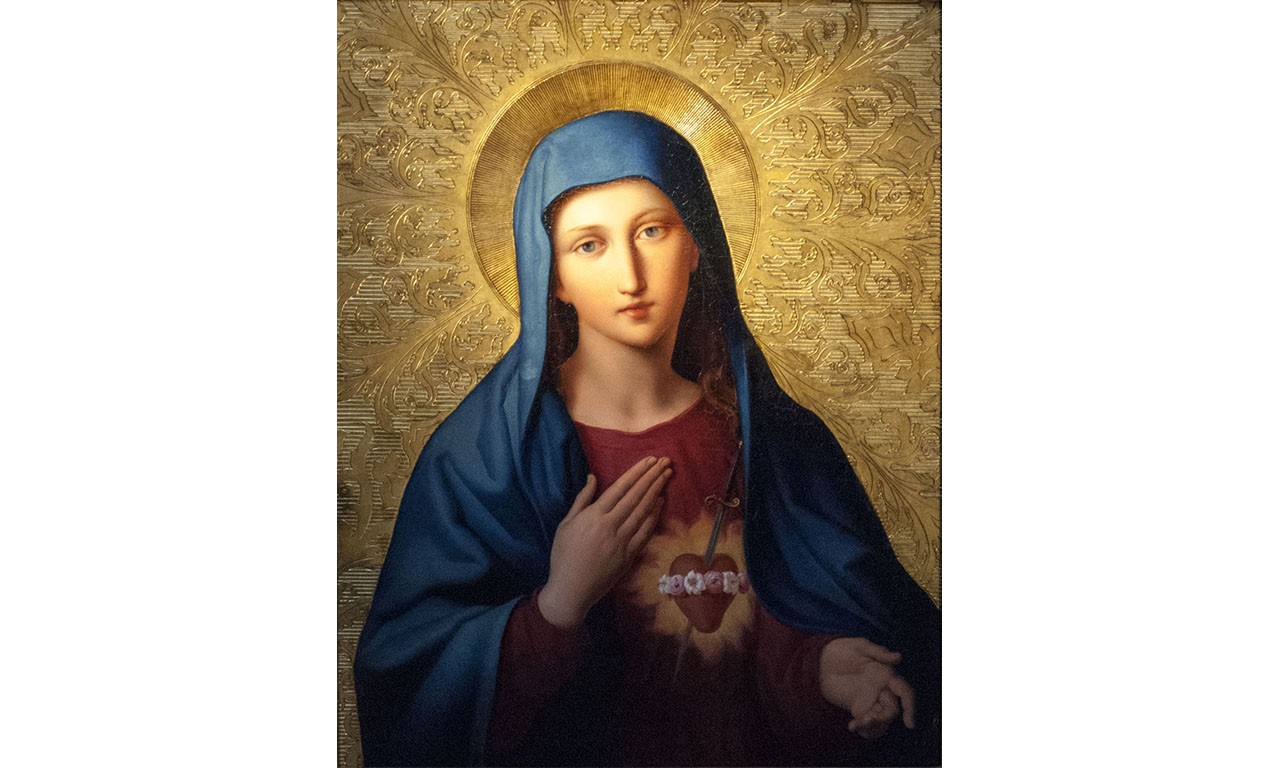
Key Highlights
- Theological Significance: Mary’s perpetual virginity symbolizes her total dedication and unique role in salvation history.
- Historical Context: Rooted in early Christian texts and affirmed in ecumenical councils, this doctrine has shaped centuries of Christian thought.
- Contemporary Debate: While upheld by Catholic, Orthodox, and certain Protestant communities, modern interpretations continue to stir theological discussion.
Introduction
The doctrine of the perpetual virginity of Mary is one of the most intriguing and enduring beliefs in Christian theology. It asserts that Mary, the mother of Jesus, maintained her virginity not only before but also during and after the birth of Christ. This concept has permeated Christian thought for centuries, influencing both theological interpretations and devotional practices. In understanding this doctrine, it is essential to examine its theological definition, historical context, biblical interpretations, and its impact on both historical and contemporary Christian beliefs.
Theological Foundations
Definition and Meaning
The doctrine of perpetual virginity posits that Mary remained a virgin throughout her life. The term “perpetual” implies that her virginity was preserved before the conception of Jesus, during his birth, and after his arrival. This idea goes beyond a mere commentary on virginity at the moment of Jesus’ conception; it establishes a lifelong state of consecration and purity.
Connection to Marian Dogmas
This belief is one of the four major Marian dogmas within the Catholic Church, alongside the Immaculate Conception, the Assumption, and Mary's divine maternity. These doctrines collectively underline Mary's exceptional role in the Christian narrative. By affirming her perpetual virginity, the Church emphasizes her complete and undivided dedication to God. Mary is often viewed as a symbol of spiritual purity and total commitment, with her virginity serving as an emblem of her exclusive relationship with the divine.
Theological Implications
Theologically, the perpetual virginity of Mary is seen as a sign of the new creation initiated through Jesus Christ. Mary’s unbroken state of virginity is interpreted not only as a physical condition but also as a metaphor for spiritual renewal and dedication. This concept resonates with typological interpretations of the Old Testament, where figures and symbols prefigure the new covenant established by Christ.
Symbolism and Spiritual Purity
The doctrine symbolizes purity, sanctity, and a life wholly devoted to God's will. It draws parallels to the sanctified objects and sacred spaces described in the Old Testament, such as the Ark of the Covenant. Mary represents a new Ark, a vessel chosen and consecrated to bring forth a divine savior. This not only elevates her position within Christian theology but also influences devotional practices, as many believers view her as an exemplar of chaste and devoted life.
Historical and Scriptural Context
Early Christian Writings and Ecumenical Councils
The origins of the doctrine can be traced back to early Christian writings, particularly in the late second century. One of the primary texts, an apocryphal narrative written in the form of a Protoevangelium, presents a detailed account of Mary's early life and her consecration to God. This narrative laid the foundation for later theological reflection and was influential among early church leaders.
Developments in the Early Church
Church Fathers such as Tertullian, Athanasius, Ambrose, and Augustine played a pivotal role in developing and defending this doctrine. Their writings not only reinforced the belief in Mary's perpetual virginity but also solidified its importance within early Christian thought. Over time, dissenting interpretations emerged, especially from groups emphasizing a strict literal interpretation of scripture. Nonetheless, the doctrine gained significant traction and was eventually ratified during important ecumenical councils, including the Fifth Ecumenical Council held in Constantinople in 553 A.D., which affirmed Mary's title as "ever-virgin" or Aeiparthenos.
Biblical Interpretations
The New Testament provides a nuanced backdrop for discussions about Mary’s virginity. While the virgin conception of Jesus is clearly stated in the Gospels, the subsequent portrayal of Mary’s life leaves room for doctrinal interpretation. For instance, passages in the Gospels refer to Jesus’ "brothers" and "sisters." Various interpretive traditions suggest alternative understandings: some propose that these references denote close relatives or children from a previous marriage of Joseph, rather than biological siblings of Jesus. This interpretation helps harmonize scriptural accounts with the doctrine of perpetual virginity.
Scriptural Ambiguities and Doctrinal Declarations
Key verses, such as Matthew 1:25 which mentions Joseph not consummating the marriage "until" the birth of Jesus, have been used by proponents to argue that the language leaves open the possibility of continued virginity thereafter. Interpretations vary widely, but within Catholic and Orthodox traditions, these texts are understood in the context of a divine mystery that transcends literal historical accounts. The lack of explicit biblical support for postnatal virginity does not undermine the doctrine; rather, it is supported by centuries of theological reflection and liturgical tradition.
Denominational Perspectives
Catholic and Eastern Orthodox Views
Within the Catholic Church, the doctrine of Mary's perpetual virginity is not only a faith statement but also a cornerstone of Marian devotion. It acts as a bridge between the Old and New Testaments, signaling God’s redemptive plan through an immaculate vessel. The Eastern Orthodox Church, with its own rich tradition of liturgy and theology, also upholds this belief, emphasizing Mary's role as a unique intercessor and protector. Both traditions attribute a special sanctity to Mary, partly because her perpetual virginity represents a life solely dedicated to God.
Protestant Interpretations
Among Protestant denominations, the reception of this doctrine is more mixed. Many modern Protestant communities tend to reject or downplay the dogma of perpetual virginity, citing a reliance on the principle of sola scriptura. They argue that since the New Testament does not explicitly declare Mary’s virginity after the birth of Jesus, the doctrine should not be considered a definitive element of Christian orthodoxy. However, a segment of Protestant thought, including some Anglican, Lutheran, and Reformed circles, finds room for a nuanced acceptance of the doctrine, often viewing it as a symbolic representation of Mary’s exemplary faith and holiness.
Cultural and Devotional Impact
The belief in Mary’s perpetual virginity has had a profound impact on Christian liturgy, art, and personal piety. Across centuries, artists, poets, and theologians have drawn inspiration from Mary’s purity and her role as an unblemished vessel chosen by God. Her image, often depicted in art as serene and immaculate, reinforces the values of chastity, faith, and divine grace. For many believers, Mary stands as an ideal to emulate—a figure whose life exemplifies absolute spiritual commitment and purity.
Devotional Practices and Iconography
The perpetual virginity of Mary continues to inspire devotional practices in various Christian traditions. In Catholicism, for instance, Marian feasts, prayers, and hymns frequently underscore her perpetual virginity as an expression of her special status. Moreover, icons and statues frequently depict Mary with symbolic elements such as lilies, which represent purity. In many Eastern Orthodox communities, icons of Mary, often with the designation “Theotokos” (God-bearer), serve as a focal point for veneration and a reminder of her unique role in the divine plan of salvation.
Comparative Analysis Using a Table
| Aspect | Catholic & Eastern Orthodox View | Protestant Perspective |
|---|---|---|
| Theological Basis | Emphasizes Mary’s role as a sanctified vessel, marked by divine intervention and total consecration. The doctrine is embedded in Marian dogmas and longstanding tradition. | Often questions the biblical basis for postnatal virginity. Upholds Mary’s purity symbolically but generally rejects the doctrinal necessity of perpetual virginity. |
| Historical Acceptance | The belief was affirmed by early Church Fathers and ratified in ecumenical councils. Historical texts, such as early apocryphal narratives, support this long-held tradition. | Some early reformers accepted aspects of this view symbolically; however, it has largely been sidelined in modern interpretations emphasizing scripture. |
| Devotional Impact | Integral to devotional practices, with numerous feasts, hymns, and visual representations celebrating Mary's purity and unique role. | While Mary is respected as the mother of Jesus, the emphasis on her perpetual virginity is less pronounced and largely viewed as non-essential to faith. |
Contemporary Relevance and Debates
Ongoing Theological Debates
In modern theological discourses, the perpetual virginity of Mary remains a topic of passionate debate. Scholars and theologians continue to reexamine historical texts, biblical interpretations, and doctrinal formulations in light of contemporary understandings of gender, sexuality, and religious symbolism. For traditionalists within the Catholic and Orthodox faiths, this doctrine is a non-negotiable element of faith—a manifestation of divine mystery and sanctity. Conversely, many modern Protestant theologians advocate for interpretations that align strictly with the literal wording of scripture, viewing the doctrine as an extrabiblical development that reflects historical context rather than divine mandate.
Analyzing Scriptural Ambiguities
Proponents of the doctrine find that the historical and literary context of texts like the Protoevangelium of James offers insight into early Christian thought, even if these texts are not considered canonical by all traditions. On the other hand, critics argue that these apocryphal writings, while culturally influential, do not meet the criteria for establishing dogma based solely on biblical authorship or divine inspiration. In academic circles, the divergence arises from differing hermeneutical approaches—whether to prioritize tradition and the patristic testimony or to adhere to a strict literal interpretation of the canonical scriptures.
The Role of Tradition
One of the major strengths of the doctrine lies in its deep roots within the tradition of the Church. The consistent veneration of Mary across centuries, as documented in liturgical practices and doctrinal declarations, provides a strong historical foundation that goes beyond scriptural texts alone. Tradition serves as a living testimony to the enduring impact of Mary’s archetype on the Christian imagination, influencing not just theological doctrine but also the cultural and artistic expressions of the faith.
Interpreting Tradition in a Modern World
In an era characterized by rapid sociocultural changes and evolving perspectives on gender and autonomy, the doctrine of perpetual virginity invites ongoing reflection. The blending of historical reverence with modern critical analysis allows for a multifaceted understanding that respects tradition while grappling with contemporary contexts. Whether one views the doctrine as a literal historical claim or a metaphor for spiritual purity, its influence is undeniable. It continues to shape ecumenical dialogue, scholarly debate, and personal devotion across the global Christian community.
Modern Impact and Cultural Resonance
Art, Literature, and Iconography
The impact of Mary's perpetual virginity extends far beyond theological treatises. In art and literature, Mary is often portrayed as the epitome of grace, purity, and maternal care. Icons, frescoes, and sculptures capture her serene and contemplative presence, while literary works celebrate her as an ideal of unwavering fidelity to God. These depictions have not only enriched the aesthetic heritage of Christianity but also reinforced the enduring appeal of her story as a narrative of divine intervention and sacred beauty.
Cultural Interpretations
In different cultural settings, the portrayal of Mary and her perpetual virginity has been adapted to reflect local traditions and sensibilities. In Latin America, for example, Marian devotion is intertwined with regional religious practices and social narratives, imbuing the doctrine with a unique blend of the sacred and the cultural. Similarly, in Eastern Orthodox regions, Marian feasts and processions emphasize her intercessory role, solidifying her status as a guardian angel-like figure in the daily lives of the faithful.
Educational and Scholarly Perspectives
Scholars continue to study the evolution of the doctrine from its early textual origins to its current theological positions. This includes analyses of early Christian writings, liturgical documents, and the interplay between biblical exegesis and traditional beliefs. University courses, theological seminaries, and research institutions delve deep into the multifaceted implications of Mary’s perpetual virginity, fostering a nuanced dialogue between historical scholarship and contemporary theology. This academic interest underscores the doctrine’s significance not only as a matter of faith but also as a subject of intellectual inquiry.
Conclusion
In summary, the doctrine of the perpetual virginity of Mary occupies a significant position within Christian theology. It is celebrated as a testament to Mary's unique role as the chosen vessel for the incarnation of Christ and is deeply rooted in the traditions and historical defenses of the early Church. Mary’s life, as depicted through this doctrine, transcends the physical realm and speaks to larger themes of spiritual purity, divine purpose, and total consecration to God.
While the doctrine has been embraced with fervor by Catholic and Eastern Orthodox communities, it continues to spark debate among modern Protestant denominations and academic theologians. These discussions revolve around differing interpretive methodologies, historical-critical analysis, and the balance between scriptural literalism and the weight of tradition. Yet, whether viewed as a literal historical phenomenon or as a symbol imbued with deep spiritual meaning, the perpetual virginity of Mary endures as a critical element of Christian devotion and religious identity.
Ultimately, this multifaceted doctrine not only enriches the theological landscape of Christianity but also provides a canvas upon which the complexities of faith, history, and cultural expression are vividly painted. Its role in shaping both personal piety and collective religious identity ensures that Mary's legacy, enshrined in her perpetual virginity, remains a subject of enduring significance and inspiration for believers around the world.
References
- Perpetual Virginity of Mary - Wikipedia
- Understanding Mary's Perpetual Virginity - St. Paul Center
- Why Mary's Perpetual Virginity Matters - Catholic.com
- Perpetual Virginity - Britannica
- Perpetual Virginity Explanation - Home of the Mother
Recommended Further Reading
Last updated February 27, 2025