
Comparing Personality Traits and Demographics in Shaping Personal Style
An in-depth exploration of how inner characteristics and broad societal factors interplay
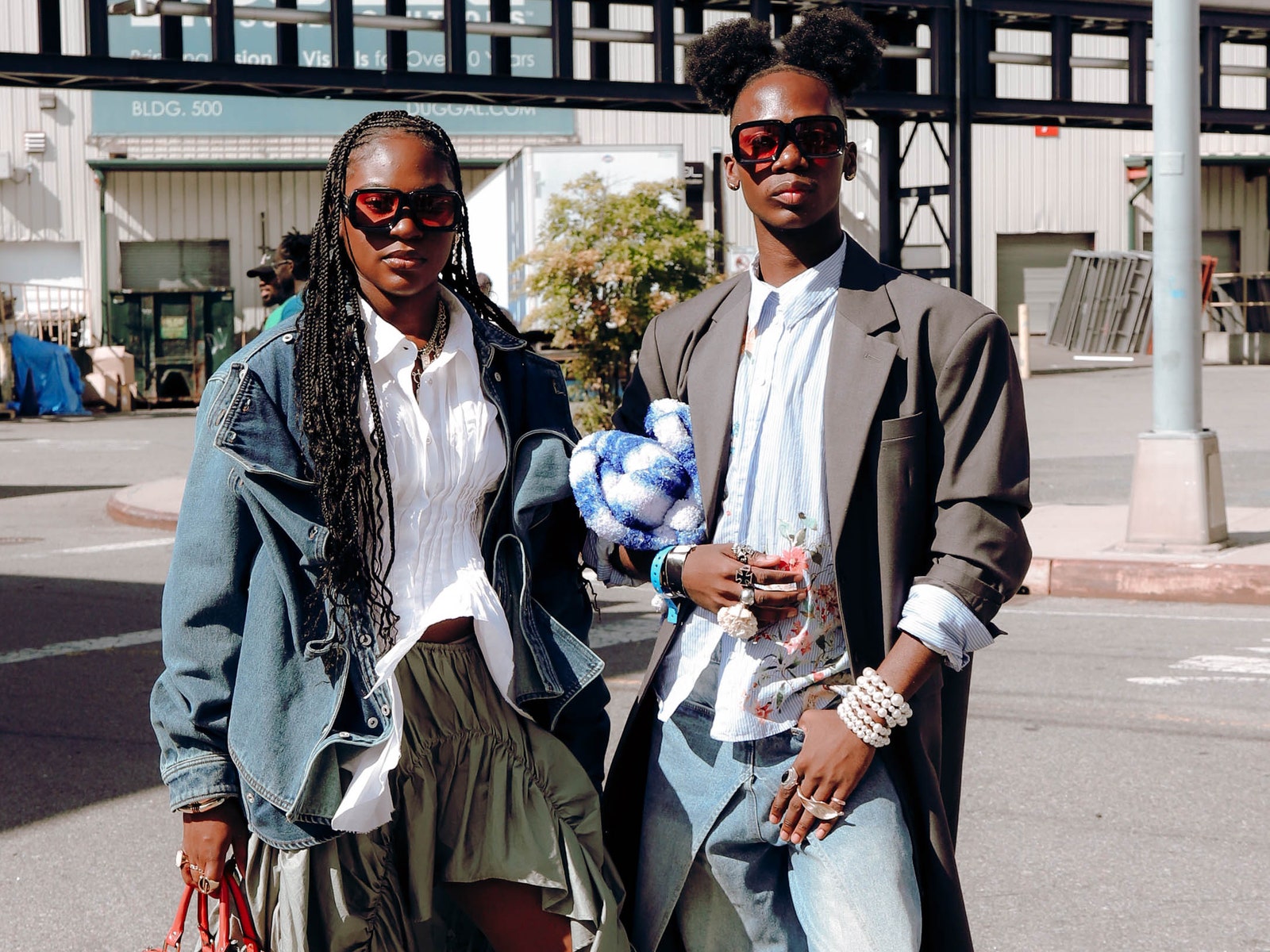
Key Highlights
- Personality Dominance: Individual personality traits significantly influence personal style with a higher degree of variance than demographics.
- Demographic Framework: Demographics provide a broad contextual understanding, but they often fail to capture the nuanced expressions of style.
- Interplay and Nuance: While demographics set the stage through factors like age and income, personality delves deeper into identity, emotions, and expression.
Understanding the Distinct Roles
Personal style is a multifaceted expression that reflects both the inner workings of one’s personality and the external framework provided by demographic factors. Research and contemporary thinking in fashion psychology suggest that while demographics such as age, income, and gender offer a statistical and contextual snapshot, the real essence of fashion expression is largely driven by personality traits.
Personality Traits: The Inner Narrative
Personality traits account for a significant proportion of the variance in personal style. They are not only indicators of how an individual might dress, but they also provide insight into the underlying motivations, emotions, and values that drive fashion and clothing choices. The Big Five personality model – Openness, Conscientiousness, Extraversion, Agreeableness, and Neuroticism – is particularly influential in understanding these dynamics:
Openness
Individuals high in openness are generally more creative, curious, and receptive to new ideas. These personality characteristics are reflected in a more eclectic and sometimes experimental approach to fashion. An open person is more likely to mix styles, experiment with colors, and adopt unconventional trends, often interpreting fashion as a medium for artistic expression.
Extraversion and Agreeableness
Extraverted individuals tend to choose bold, vibrant, and eye-catching ensembles that announce their presence. Their clothing choices are often aligned with their sociable nature and desire for attention. Meanwhile, those high in agreeableness may opt for softer, harmonious color palettes and styles that convey an amiable and approachable demeanor. Their fashion decisions often reflect a balance between personal taste and the desire to maintain social cohesion.
Conscientiousness and Neuroticism
Conscientious individuals often exhibit a more organized and consistent style. Their choices in clothing are deliberate, reflecting a preference for high-quality, well-coordinated wardrobes that speak to their disciplined nature. On the other hand, neuroticism can influence fashion in a way that may translate into clothing choices that are designed to manage or express emotional states – often a subtle form of communication about personal well-being.
In studies evaluating the impact of personality versus demographics, findings suggest that personality traits can explain up to 46% of the variance in fashion shopping behavior. This stark contrast with demographics, which account for only about 9%, underscores the dominant role of personality in forming individual style judgments.
Demographics: The Broader Framework
Demographics encompass factors such as age, gender, income, education, occupation, and cultural background. These indicators provide a macro-level understanding of consumer groups and are invaluable for market segmentation and strategic decision-making in the fashion industry. Some notable ways demographics influence personal style include:
Age and Life Stage
Age plays a crucial role in shaping fashion preferences. Younger individuals may lean towards trendier, experimental styles, while older consumers often favor classic and timeless looks. This difference is not only a result of evolving tastes but also of practical considerations associated with different life stages, such as the need for comfort or the desire for refined aesthetics.
Gender Influences
Traditional gender roles have historically influenced fashion norms, with women typically having a broader range of style options and men often adhering to more defined norms. However, these distinctions are becoming increasingly fluid as societal perspectives evolve, leading to a more diverse and inclusive understanding of gender and style.
Income and Socioeconomic Status
Income significantly affects what brands, trends, and types of clothing are accessible to an individual. Higher-income groups often lead in fashion innovation, embracing new trends and luxury brands, while lower-income segments might prioritize practicality and long-term value over fleeting fashion statements.
Despite their importance, demographic factors provide more of a descriptive layer – a general background of a person’s lifestyle and opportunities – rather than a nuanced explanation of why certain fashion choices are made. Demographics shape the available canvas, but personality fills in the details.
The Interplay Between Personality and Demographics
Although personality traits and demographics function on different levels, they are not mutually exclusive. In fact, their interplay creates a comprehensive profile of an individual’s fashion behavior:
Complementary Roles
Demographics provide a foundation, setting the parameters within which a person operates – such as cultural background, societal expectations, and economic conditions. Within this framework, personality traits become the driving force for personal expression. For instance, a young, affluent individual with high openness might experiment boldly with cutting-edge trends, whereas an older person with similar creative tendencies may adopt a more restrained and classic approach due to different lifestyle needs and social expectations.
Dynamic Interactions and Evolving Styles
Personal style is not static; it evolves throughout an individual’s life. Often, major life transitions, such as changes in career, shifts in income, or alterations in social roles, can influence how one expresses personality through fashion. As these demographic elements change, they interact with the more stable personality traits to result in a continuously evolving style profile. This dynamic is particularly evident in the way individuals gradually refine their wardrobes, balancing practicality with personal expression.
Visualizing the Differences
The table below summarizes key distinctions between personality traits and demographics in influencing personal style, highlighting their unique contributions:
| Factor | Description | Influence on Style |
|---|---|---|
| Personality Traits | Internal characteristics including the Big Five traits: Openness, Conscientiousness, Extraversion, Agreeableness, and Neuroticism. | Directly guides expression and individuality; explains why unique style choices occur based on emotional and cognitive dispositions. |
| Demographics | External factors such as age, gender, income, education, and cultural background. | Provides a context or framework for fashion choices, influencing trends and opportunities rather than personal expression. |
| Interplay | The interaction between internal personality and external circumstances. | Leads to dynamic and evolving styles as personality adapts to or expresses itself within different demographic contexts. |
Deeper Analysis: Psychological and Social Underpinnings
At a psychological level, clothing is much more than a functional necessity; it is a powerful instrument of communication. Fashion is often employed as a tool to bolster self-esteem and convey an individual’s inner state. Personality traits provide a potent lens for understanding these behaviors:
Self-Expression and Identity
Individuals use their style as a means of broadcasting their internal identities. For example, extraverted individuals often use clothing to signal their readiness for social interaction, while those high in openness might select clothing that challenges conventional norms. This emphasis on self-expression underscores the intimate relationship between fashion and personal identity.
Cultural and Societal Norms
Demographics, in contrast, encapsulate the cultural, social, and economic conditions that influence everyday life. Cultural background can determine what is deemed fashionable or acceptable within a particular society. Societal norms and expectations – often a product of demographic patterns – can either reinforce or challenge an individual’s personality-driven expression. For instance, someone with a bold personality may temper their choices in environments where conservative dress is expected.
Adaptive Fashion Behavior
Fashion is a living, adaptive system. As individuals transition through different life phases – such as entering the workforce, starting a family, or experiencing economic shifts – the influences of demographics become ever more pronounced. However, personality traits remain a steadfast internal compass. The balance between adapting to external expectations (demographics) and nurturing internal authenticity (personality) results in a distinctive, personalized style that evolves over time.
Integrating the Factors: A Holistic View
When considering personal style through a holistic lens, it is crucial to recognize that the interplay between personality traits and demographics produces a complex, multifactorial outcome. While studies demonstrate that personality can account for almost five times more variance in fashion behavior than demographic factors alone, the reality is that each person’s style narrative is a product of both internal dispositions and external influences.
Practical Implications
For designers and marketers, understanding this interplay is vital. Strategies rooted in personality insights allow for targeted, individualized fashion offerings that resonate on a deeper emotional level, while demographic segmentation informs broader market trends. Merging both approaches can lead to more personalized shopping experiences and innovative design processes that cater to the nuances of consumer identity.
Future Outlook
The future of fashion is likely to continue this trend of personalization. With advances in data analytics and consumer psychology, both personality and demographic information will increasingly be leveraged to anticipate trends, guide fashion personalization, and create designs that are both contextually relevant and deeply reflective of individual identity.
Conclusion
In conclusion, while both personality traits and demographics exert influence on personal style, personality factors are demonstrably more pivotal in shaping individual fashion expressions. Demographics offer a broad contextual foundation that relates to cultural values, societal expectations, and economic circumstances. However, it is the nuanced and dynamic expressions of personality that truly drive fashion choices. The interplay of these elements creates a rich tapestry of personal style that evolves over time, reflecting both predictable patterns from demographic influences and the unique, dynamic inner world of an individual. Thus, understanding this balance not only illuminates the motivations behind fashion choices but also paves the way for more tailored and meaningful approaches in fashion marketing and design.
References
- Why Are Demographics Important in Fashion - Fashion Coached
- Psychographics vs Demographics: The Power of Consumer Behavior Data - Consolidata
- Lifestyle and Psychographics - Iowa State Fashion Apparel
- Does Your Personality Affect the Way You Dress? - TLC Style and Colour
- The Effect of Demographic and Personality Characteristics on Fashion Shopping Proneness - Emerald Insight
-
Personality Traits in Fashion - The Psychology of Fashion
-
Styling the Self: Clothing Practices, Personality Traits, and Body Image - PMC
Recommended Searches
Last updated February 22, 2025