
Bordetella pertussis: In-Depth Analysis of Morphology, Distinguishing Features, and Structural Characteristics
A comprehensive exploration of the bacterium causing whooping cough
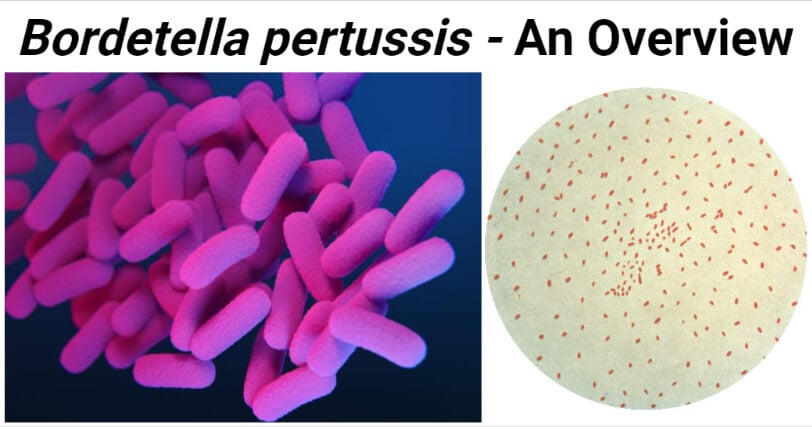
Highlights
- Unique Morphology: Small, Gram-negative coccobacilli with occasional filamentous forms.
- Specialized Surface Structures: Features such as fimbriae, filamentous hemagglutinin, and specific outer membrane proteins contribute to its virulence.
- Distinctive Structural and Biochemical Attributes: A two-membrane cell wall system enriched with lipooligosaccharide and selective growth conditions enhance its pathogenic profile.
Introduction
Bordetella pertussis, the causative agent of whooping cough (pertussis), is a Gram-negative bacterium that has garnered significant attention due to its impact on human health. This bacterium exhibits unique morphological, distinguishing, and structural characteristics that contribute to both its pathogenicity and the challenges associated with its cultivation and treatment. In this comprehensive analysis, we explore the bacterium’s morphology, its surface structures that play critical roles in adhesion and immune evasion, and its underlying cell wall and biochemical features. Understanding these characteristics not only provides insights into the mechanisms of disease progression but also aids in developing and refining strategies for effective vaccine and therapeutic interventions.
Morphological Characteristics
Physical Appearance and Dimensions
Bordetella pertussis is classically described as a small, pleomorphic coccobacillus. The cells are typically observed under a microscope as short, rod-shaped forms or as slightly oval (coccoid) entities. The standard dimensions generally fall within a range of 0.2 to 0.5 micrometers in width, and 0.5 to 2.0 micrometers in length. In some instances, particularly in clinical samples, filamentous forms have been observed where the bacteria present as elongated structures extending several micrometers in length.
Coccobacillary Nature
The term "coccobacillus" refers to the bacterium's intermediate shape between spherical cocci and rod-like bacilli. This shape is advantageous for infection, as it facilitates close adherence to host ciliated epithelial cells, particularly those in the respiratory tract. The small size also allows B. pertussis to navigate the complex microenvironments within the host’s airways.
Staining and Microscopic Features
Being a Gram-negative bacterium, Bordetella pertussis does not retain the crystal violet stain during the Gram staining process, instead taking up the counterstain (usually safranin or fuchsine) which gives it a pink appearance under the microscope. This Gram-negative classification is vital as it gives clues about the bacterium’s cell wall complexity, which is a characteristic that differentiates it from Gram-positive organisms.
Bipolar Staining and Encapsulation
Some observations under specific staining procedures show bipolar staining, where the ends of the bacterial cells may pick up more stain than the central region, a feature that can assist in diagnostic differentiation. Additionally, while some studies suggest the presence of an encapsulating material composed of polysaccharides or a slime sheath, this feature is not consistently observed in all strains. Nevertheless, the potential for encapsulation may contribute to the bacterium's ability to evade host immune defenses.
Distinguishing Features
Surface Structures and Adhesins
One of the key aspects that set Bordetella pertussis apart from other respiratory pathogens is its ensemble of surface structures. These structures are instrumental in facilitating adherence to the respiratory tract's epithelial cells. The bacterium is decorated with several fimbriae, which are fine, filamentous projections measuring approximately 3 nm in thickness and are arranged peritrichously around the cell surface.
Fimbriae and Filamentous Hemagglutinin
The fimbriae serve as mechanical anchors that help the bacterium attach firmly to host cells, overcoming the mechanical clearance mechanisms such as mucociliary action. Alongside fimbriae, Bordetella pertussis also produces large adhesins such as filamentous hemagglutinin (FHA). FHA is a multifunctional protein known for its role in binding to ciliated epithelial cells, thereby initiating colonization. Binding through these adhesins not only allows the bacteria to secure a niche within the host respiratory tract but also plays a role in evading early immune responses.
Pertactin and Outer Membrane Proteins
Another critical adhesin is pertactin, an outer membrane protein that acts in concert with FHA and fimbriae to establish a firm connection with host tissues. This protein is a significant component of acellular pertussis vaccines, highlighting its importance in the bacterium's infection process and immune recognition. The surface of B. pertussis is further adorned with other outer membrane proteins (OMPs) such as OMP 15, OMP 18, OMP 69, and, in some isolates, OMP 91. These proteins not only assist in adhesion but also serve as protective antigens that stimulate host immune responses.
Growth Characteristics and Laboratory Differentiation
Bordetella pertussis is known as a fastidious organism, meaning that it has strict nutritional and environmental requirements for growth in vitro. Unlike many other bacteria that can grow on a variety of common laboratory medias, B. pertussis requires specialized culture conditions including enriched media such as Bordet-Gengou agar or Regan-Lowe medium. These media usually contain charcoal, blood or starch, and additional supplements like nicotinamide which provide the nutrients necessary for bacterial propagation.
Differentiating Biochemical Reactions
In the laboratory, B. pertussis can be distinguished from related species by several biochemical tests. It is oxidase positive, an indicator of its electron transport chain components, and urease negative, which distinguishes it from species such as Bordetella parapertussis that are urease positive. The slow growth rate, along with its specific requirements for oxygen (aerobic conditions), further aids in differentiating it from other pathogens.
Structural Characteristics
Cell Wall Structure and Components
The cell wall of Bordetella pertussis encapsulates the bacterium in a typical Gram-negative architecture. This involves a dual-membrane system composed of an inner (cytoplasmic) membrane and an outer membrane, with a thin peptidoglycan layer embedded in the periplasmic space between them. This unique configuration is fundamental to the bacterium’s survival and its ability to resist certain antibiotics.
Outer Membrane Constituents: LOS and OMPs
One of the definitive features of the outer membrane of B. pertussis is the predominance of lipooligosaccharide (LOS) in place of the more complex lipopolysaccharide (LPS) seen in many other Gram-negative bacteria. LOS is less structurally complex but exerts potent immunomodulatory effects that can trigger inflammatory responses. In addition to LOS, the outer membrane houses several proteins, many of which have roles in immune evasion and virulence. These outer membrane proteins (such as OMP 15, OMP 18, OMP 69, and sometimes OMP 91) serve as antigens and are crucial for both bacterial adherence and evasion from host immune detection.
Intracellular Arrangement and Biochemical Properties
Beyond the outer membrane, the cellular construction of B. pertussis is characterized by the presence of an inner membrane that surrounds the cytoplasmic contents. The thin peptidoglycan layer within the periplasmic space offers structural support while also playing a role in the transmission of mechanical and osmotic stresses. The organization of these layers is instrumental in the bacterium's survival under fluctuating environmental conditions encountered in the human respiratory tract.
Biochemical Reactivity and Enzyme Activity
B. pertussis exhibits a range of biochemical activities that are directly tied to its structural components. It tests positive for oxidase and catalase, enzymes that are integral to its respiratory metabolism and defense against oxidative stress. Importantly, its metabolism is strictly aerobic, necessitating oxygen-rich environments for optimal growth. Additionally, the bacterium does not ferment carbohydrates, which is a distinguishing factor from many other bacterial pathogens. These biochemical properties are often exploited in diagnostic microbiology to confirm its identity.
Virulence Factors and Their Structural Basis
Surface-Associated Virulence Determinants
The pathogenicity of Bordetella pertussis is largely due to a well-orchestrated set of virulence factors, several of which have direct associations with its morphology and cellular structure. Key among these factors is the array of surface adhesins including FHA and pertactin, which facilitate the initial attachment to ciliated epithelial cells, an essential step in colonization and infection.
Toxins Relating to Structural Components
In addition to the adhesins, B. pertussis secretes potent toxins that further the process of infection. The pertussis toxin (PT) is an AB5-type exotoxin that modulates signaling pathways within host cells by ADP-ribosylating regulatory G proteins. The structural context of this toxin, linked intrinsically with the bacterium's outer membrane constructs, supports its efficient delivery into host tissues. Another toxin, adenylate cyclase toxin (ACT), elevates intracellular levels of cyclic AMP (cAMP) in host cells. This elevation interferes with normal immune cell functions and promotes an environment conducive to bacterial survival. Both toxins underscore how intimately the bacterium’s structural attributes interconnect with its virulence strategies.
Additional Structural Elements and Their Clinical Relevance
Another aspect that underscores the clinical complexity of addressing pertussis is the occasional filamentous formation observed in clinical isolates. Although the bacterium is primarily non-motile, some strains have been noted to form filament-like extensions. Such structures may represent an adaptive response under the pressures of host immune defenses or in response to environmental cues within the respiratory stream.
Environmental Adaptation and Surface Variability
The flexibility in the bacterium’s surface expressions, including variations in fimbriae length and arrangement, promotes survival under various environmental conditions encountered within the host. Moreover, some strains display encapsulation or produce a slimy polysaccharide covering that can protect against humoral immune responses. This structural adaptability is a critical factor in its persistence and ability to cause recurrent outbreaks despite vaccination efforts.
Comparative Table: Key Morphological and Structural Attributes
| Characteristic | Description |
|---|---|
| Shape | Small, pleomorphic coccobacilli with occasional filamentous forms |
| Size | Approximately 0.2-0.5 µm in width and 0.5-2.0 µm in length |
| Gram Stain | Gram-negative |
| Surface Structures | Fimbriae, filamentous hemagglutinin (FHA), pertactin, and multiple outer membrane proteins |
| Cell Wall Structure | Dual membranes with a thin peptidoglycan layer and a periplasmic space |
| Outer Membrane Components | Contains lipooligosaccharide (LOS) and several immunogenic OMPs |
| Growth Requirements | Fastidious; requires enriched media like Bordet-Gengou agar and aerobic conditions |
| Biochemical Properties | Catalase positive, oxidase positive, urease negative, non-fermentative |
Integration of Structural Characteristics into Pathogenesis
Pathogen-Host Interactions
The interplay between Bordetella pertussis’ structural attributes and its pathogenic mechanism is a classic example of how microbial form directly influences function. The bacterium’s ability to adhere to the respiratory epithelium, facilitated through surface proteins like FHA and pertactin, sets the stage for colonization. Once attached, the secretion of toxins ensures that host immune cells are modulated, supporting the persistence of the pathogen despite immune clearance mechanisms.
Immune Evasion and Inflammatory Response
The structural complexity afforded by its dual membranes and LOS in the outer membrane enables Bordetella pertussis to obscure itself from immediate immune recognition. LOS, in particular, is known for initiating strong inflammatory responses, which although part of the host defense, can also contribute to tissue damage and the classical symptoms of whooping cough. The bacterium’s encapsulation or slime production further acts as a barrier to phagocytosis, reinforcing its ability to survive within the host.
Molecular Interactions and Vaccine Implications
Insights into the structural components of B. pertussis have had a profound impact on vaccine development. Acellular pertussis vaccines have been formulated to include antigens such as pertactin and filamentous hemagglutinin, capitalizing on their roles in eliciting protective immune responses. The detailed study of outer membrane proteins has led to an increased understanding of the mechanisms by which the pathogen evades host immunity. These vaccines essentially target the very structures that are critical for the bacterium’s ability to colonize and persist in the human respiratory tract.
Emerging Approaches from Structural Analysis
With advances in microscopy and molecular biology, more refined characterizations of the bacterium’s structure have been achieved. Techniques such as cryo-electron microscopy have allowed scientists to visualize the arrangement of OMPs and the organization of the LOS, further elucidating targets for next-generation vaccines. Additionally, researchers are examining the genetic basis for surface structure variability, which may explain the occasional emergence of strains that partially escape immune recognition. These studies underscore the importance of continuously updating our understanding of the pathogen’s structural biology.
Clinical Significance and Public Health Perspectives
Impact on Human Health
Whooping cough remains a significant public health concern, particularly affecting infants and young children. The onset of the disease is often marked by paroxysmal coughing fits that can be severe and prolonged. The efficiency of Bordetella pertussis in colonizing the respiratory tract, driven by its specialized morphological and structural attributes, is a major contributor to its success as a pathogen. Understanding these features helps in the early detection of the disease, improving both treatment outcomes and preventive measures.
Challenges in Cultivation and Diagnosis
The fastidious nature of B. pertussis poses unique challenges to clinical laboratories. Due to its slow growth and the need for specific culture media, diagnosis is often delayed. Molecular methods, such as PCR, have thus become essential for the rapid identification of this pathogen in clinical specimens. Accurate differentiation between B. pertussis and related organisms, for instance via the oxidase and urease tests, remains critical in ensuring that appropriate treatments are administered.
Preventive Strategies and Future Research Directions
Continuous research into the morphology and structure of Bordetella pertussis is vital for the development of new preventive strategies. The insights gained from studying its surface adhesins and outer membrane proteins have the potential to lead to the next generation of vaccines that could provide longer-lasting immunity. Furthermore, understanding how structural variations in different strains contribute to vaccine escape can inform surveillance programs and guide future modifications to vaccine formulations.
Conclusion and Final Thoughts
In conclusion, Bordetella pertussis exhibits a fascinating interplay of distinctive morphological, structural, and biochemical characteristics that not only define its identity as a bacterium but also underpin its success as a human pathogen. The small, Gram-negative coccobacillary shape, combined with specialized adhesion structures such as fimbriae, filamentous hemagglutinin, and pertactin, facilitate robust attachment to respiratory epithelial cells. In tandem with a complex dual-membrane system featuring lipooligosaccharide and multiple outer membrane proteins, these features confer upon B. pertussis the ability to invade, persist, and occasionally evade host immune responses.
The endeavor to characterize B. pertussis in depth has not only illuminated its mechanisms of disease but has also played a pivotal role in shaping public health strategies, including vaccine development and targeted therapies. Continued research in this area remains critical as we strive to mitigate the impact of whooping cough through improved diagnostic methods and innovative therapeutic approaches. Ultimately, the structural and morphological nuances of Bordetella pertussis continue to remind us of the intricate ways in which microscopic life forms interact with their hosts, challenging our scientific understanding and driving advancements in medical microbiology.
References
- Bordetella pertussis- An Overview - Microbe Notes
- BORDETELLA, HAEMOPHILUS AND LEGIONELLA - Microbiology Book
-
Morphology of cells and hemagglutinogens of Bordetella species
- Bordetella pertussis: Characteristics, Morphology, Pathology
- Bordetella Pertussis: Cellular Morphology and Structure Analysis
- Bordetella - Medical Microbiology - NCBI Bookshelf
- Bordetella pertussis - Wikipedia
- Bordetella pertussis - Microbewiki - Kenyon College
-
Bordetella - An Overview | ScienceDirect Topics
- Bordetella pertussis | Bacterium - Britannica
Recommended Queries
Last updated February 20, 2025