
Unlocking Ketamine's Secrets: Selecting the Optimal PET Tracers for Your Psychedelic Research
Guidance for identifying the most valuable PET radiotracers from your available list to investigate ketamine's effects on the brain.
Positron Emission Tomography (PET) is a powerful neuroimaging technique used extensively in psychedelic research to visualize and quantify molecular processes in the living human brain. Ketamine, a dissociative anesthetic with rapid antidepressant properties and psychedelic effects, is a key focus of such research. Its primary mechanism involves antagonizing the N-methyl-D-aspartate (NMDA) receptor, leading to downstream effects on various neurotransmitter systems (glutamate, GABA, dopamine, serotonin), brain metabolism, and synaptic plasticity. Understanding these complex interactions is crucial for elucidating its therapeutic mechanisms and identifying biomarkers for treatment response.
Selecting the appropriate PET tracers is vital for effectively studying these processes. Based on your available inventory, we can identify the tracers most likely to yield significant insights into ketamine's action.
Key Highlights: Most Promising Tracers
Focus your ketamine research efforts using these high-impact PET tracers:
- [18F]FDG: The gold standard for measuring brain glucose metabolism, offering insights into regional brain activity changes induced by ketamine.
- [11C]raclopride: Ideal for assessing dopamine D2/D3 receptor availability, crucial for understanding ketamine's influence on mood, reward, and its antidepressant effects.
- [11C]Flumazenil: Targets GABA_A receptors, allowing investigation into ketamine's modulation of inhibitory neurotransmission and its impact on brain network balance.
- [11C]UCB-J: Measures synaptic density via SV2A binding, directly relevant to studying ketamine's known ability to promote synaptogenesis, a key aspect of its therapeutic action.
Evaluating Your Tracer Inventory for Ketamine Research
A detailed assessment of relevance based on current scientific understanding.
We've categorized your available tracers based on their relevance to studying ketamine's known and hypothesized mechanisms of action, drawing upon current neuroimaging literature.
Highly Relevant Tracers
These tracers target biological processes strongly implicated in ketamine's effects.
-
[18F]FDG (Fluorodeoxyglucose):
This glucose analog is widely used to map regional brain metabolism, serving as an indicator of neural activity. Ketamine administration is known to alter brain activity patterns, and [18F]FDG PET can quantify these changes in areas implicated in depression and psychedelic experiences (e.g., prefrontal cortex, limbic regions). Studies have shown ketamine can alter glucose uptake, making [18F]FDG essential for understanding the functional impact of ketamine on brain networks and its relationship to therapeutic outcomes.
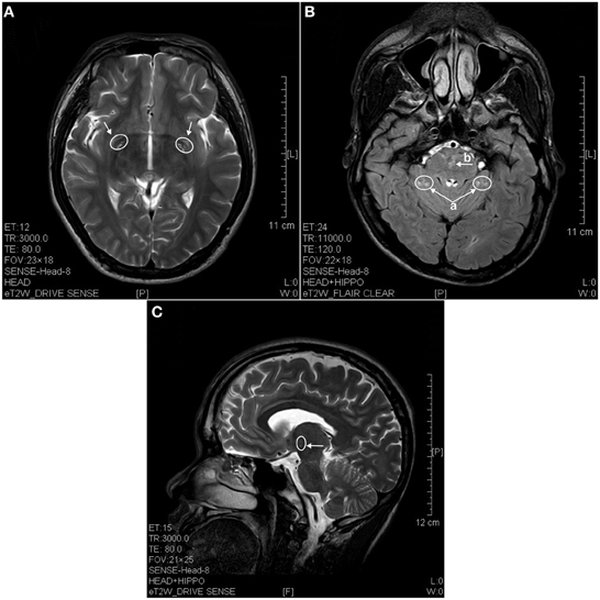 Example PET images showing differences in brain activity, potentially measurable with [18F]FDG.
-
[11C]raclopride:
This tracer binds selectively to dopamine D2 and D3 receptors. While ketamine's primary action isn't dopaminergic, it significantly modulates dopamine release and signaling, particularly in striatal and cortical regions. Changes in dopamine neurotransmission are thought to contribute to ketamine's effects on mood, motivation, and possibly its rapid antidepressant action. [11C]raclopride PET allows for the quantification of D2/D3 receptor availability or occupancy, providing insights into how ketamine impacts the dopamine system.
-
[11C]Flumazenil:
Flumazenil binds to the benzodiazepine site on the GABA_A receptor complex, serving as a marker for GABA_A receptor density. Ketamine's NMDA receptor blockade alters the brain's excitatory/inhibitory balance, indirectly influencing GABAergic neurotransmission. Studying GABA_A receptor availability with [11C]Flumazenil can help elucidate how ketamine modulates inhibitory systems, which is relevant for understanding its effects on brain oscillations, network function, and potentially its anxiolytic or dissociative properties.
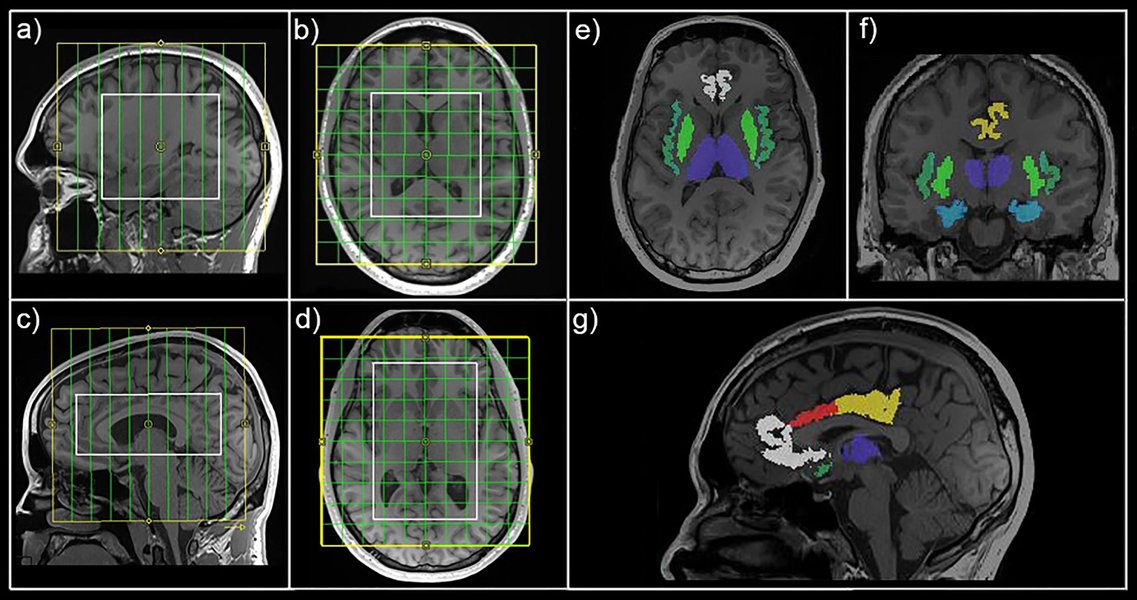 Ketamine impacts the balance between excitatory (Glutamate) and inhibitory (GABA) systems, which can be studied using tracers like [11C]Flumazenil.
-
[11C]UCB-J:
This tracer targets the synaptic vesicle glycoprotein 2A (SV2A), a protein found in presynaptic terminals across the brain. SV2A density correlates strongly with synaptic density. Ketamine has been shown in preclinical models and suggested in human studies to induce rapid synaptogenesis, particularly in the prefrontal cortex, which is believed to underlie its sustained antidepressant effects. [11C]UCB-J PET provides a unique in vivo measure of synaptic density, making it highly valuable for investigating ketamine's impact on neuroplasticity.
Moderately Relevant Tracers
These tracers target systems potentially influenced by ketamine, offering complementary information.
- [11C]DASB: Targets the serotonin transporter (SERT). Ketamine can interact with the serotonin system, although this is not its primary mechanism. Studying SERT with [11C]DASB could provide insights into downstream or indirect effects of ketamine on serotonergic signaling, relevant given the role of serotonin in mood regulation.
- [11C]PK11195: Binds to the translocator protein (TSPO), a marker often associated with neuroinflammation and glial activation. Ketamine may possess anti-inflammatory properties. While neuroinflammation is less studied in the context of acute ketamine effects compared to other mechanisms, [11C]PK11195 could be relevant for investigating longer-term effects or specific patient subgroups (e.g., depression with inflammatory features).
- [18F]FDOPA: Measures the activity of L-DOPA decarboxylase, reflecting dopamine synthesis capacity. Complementary to [11C]raclopride (which measures receptor availability), [18F]FDOPA can provide information about the presynaptic dopamine function, potentially altered by ketamine.
- [15O]water & [13N]ammonia: These tracers measure cerebral blood flow (CBF). Changes in neural activity are tightly coupled with changes in blood flow. While useful for mapping activity changes, CBF can be influenced by various factors. [18F]FDG is often preferred for a more direct measure of metabolic activity related to neuronal function, but CBF tracers can provide valuable information, especially regarding rapid, transient changes.
Less Relevant / Not Typically Used for Ketamine Research
The remaining tracers in your list are generally used for other research areas (e.g., oncology, cardiology, specific receptor systems not directly implicated in ketamine's core mechanisms) and are unlikely to be primary choices for studying ketamine's effects based on current understanding:
- [11C]MeDAS, [11C]methylreboxetine, [11C]telmisartan, [18F]canagliflozin, [18F]CETO, [18F]FEOBV, [18F]GEH200251, [18F]MC225, [18F]olabarib, [68Ga]FAPI, [89Zr]antibodies, [11C]choline, [11C]methionine, [11C]PIB, [18F]FDHT, [18F]FES, [18F]NaF, [18F]PSMA-1007, [68Ga]DOTATOC, [89Zr]trastuzumab.
Comparative Relevance of Key Tracers
Visualizing the strengths of top candidates for ketamine PET studies.
This chart provides a visual comparison of the most relevant tracers based on their ability to probe different aspects of ketamine's action. Scores represent estimated relevance (higher is better) for each domain, based on current research priorities.
Mapping Ketamine's Effects with PET Tracers
Connecting mechanisms, brain systems, and imaging tools.
This mindmap illustrates the connections between ketamine, its primary mechanisms, the brain systems it affects, and how the most relevant PET tracers from your list can be used to investigate these links.
Summary Table of Relevant Tracers
Quick reference guide for your ketamine research planning.
This table summarizes the most relevant PET tracers from your list for ketamine research, highlighting their targets and primary applications.
| Tracer | Target | Primary Application in Ketamine Research | Relevance Level |
|---|---|---|---|
| [18F]FDG | Glucose Metabolism | Mapping regional brain activity changes, assessing functional impact. | High |
| [11C]raclopride | Dopamine D2/D3 Receptors | Investigating effects on dopamine signaling, mood, and reward pathways. | High |
| [11C]Flumazenil | GABA_A Receptors | Studying modulation of inhibitory neurotransmission and network balance. | High |
| [11C]UCB-J | Synaptic Vesicle Glycoprotein 2A (SV2A) | Measuring synaptic density changes, assessing neuroplasticity effects. | High |
| [11C]DASB | Serotonin Transporter (SERT) | Exploring indirect effects on the serotonin system. | Moderate |
| [11C]PK11195 | Translocator Protein (TSPO) | Investigating potential neuroinflammatory or glial responses (longer-term). | Moderate |
| [18F]FDOPA | DOPA Decarboxylase (Dopamine Synthesis) | Assessing presynaptic dopamine function changes. | Moderate |
| [15O]water / [13N]ammonia | Cerebral Blood Flow (CBF) | Mapping activity changes via blood flow dynamics. | Moderate |
Insights from Psychedelic Receptor Research
Understanding the broader context of PET in psychedelic studies.
While your research focuses on ketamine, understanding the broader application of PET in psychedelic research can be beneficial. The following video discusses the serotonin 2A receptor, a key target for classic psychedelics like psilocybin and LSD. Although ketamine's primary target is different, interactions between neurotransmitter systems are common. Insights into how PET tracers are developed and used to study specific receptors, like the 5-HT2A receptor discussed here, provide valuable context for designing rigorous neuroimaging studies, including target engagement and receptor occupancy protocols which might be relevant when studying dopamine ([11C]raclopride) or GABA ([11C]Flumazenil) systems in response to ketamine.
Frequently Asked Questions (FAQ)
Clarifying common queries about PET tracers in ketamine research.
Why is [18F]FDG considered highly relevant for ketamine studies? ▼
[18F]FDG measures glucose metabolism, which is closely linked to neuronal activity. Ketamine significantly alters brain function and network activity, both acutely during the psychedelic experience and potentially longer-term related to its antidepressant effects. [18F]FDG PET allows researchers to visualize and quantify which brain regions become more or less active after ketamine administration, providing crucial insights into its functional impact on the brain circuits underlying mood, cognition, and perception.
What specific insights can [11C]raclopride provide about ketamine's antidepressant effects? ▼
The dopamine system is heavily involved in reward, motivation, and mood regulation. While ketamine doesn't primarily target dopamine receptors, it influences dopamine release. [11C]raclopride measures the availability of D2/D3 receptors, which can indicate changes in dopamine levels (more dopamine release leads to lower tracer binding). By using [11C]raclopride, researchers can investigate whether ketamine's rapid mood-lifting effects are associated with specific changes in dopamine signaling in key brain regions like the striatum or prefrontal cortex, potentially linking dopaminergic modulation to treatment response.
Why is studying synaptic density with [11C]UCB-J important for ketamine? ▼
One leading hypothesis for ketamine's sustained antidepressant effects is its ability to rapidly promote the growth of new synapses (synaptogenesis), particularly in brain areas like the prefrontal cortex that can be affected by chronic stress and depression. [11C]UCB-J binds to SV2A, a protein present in almost all presynaptic terminals, making it an excellent in vivo marker for synaptic density. Using [11C]UCB-J PET allows researchers to directly investigate whether ketamine treatment increases synaptic density in humans and if these changes correlate with clinical improvement, providing strong evidence for the neuroplasticity hypothesis of ketamine's action.
Are there PET tracers that directly target the NMDA receptor, ketamine's primary site of action? ▼
Developing effective PET tracers for the NMDA receptor has been challenging due to the receptor's complexity and binding site characteristics. While some experimental NMDA receptor tracers exist, none were on your provided list, and they are not yet widely established or readily available for routine clinical research compared to tracers for dopamine, serotonin, GABA, or metabolism. Therefore, current ketamine research often focuses on measuring the downstream consequences of NMDA receptor blockade using tracers like [18F]FDG, [11C]raclopride, [11C]Flumazenil, and [11C]UCB-J.
References
Supporting literature for PET imaging in ketamine and psychedelic research.
-
Ketamine-Associated Brain Changes: A Review of the Neuroimaging Literature - PMC NCBI
- Neuroimaging-Derived Biomarkers of the Antidepressant Effects of Ketamine - Biological Psychiatry: CNNI
- Molecular and Functional Imaging Studies of Psychedelic Drug Action - PubMed
-
Development of PET Tracers for Imaging the GABAergic Pathway - PMC NCBI
- Mental Health PET Radioligand Development (MHPRD) Program - Yale Medicine
- Positron Emission Tomography (PET) | Johns Hopkins Medicine - Johns Hopkins Medicine
- Neuroimaging in the study of ketamine's mechanism of action - PubMed
Recommended Next Steps & Further Research
Explore related topics to deepen your understanding.
Last updated April 16, 2025