
Petrol Car Fire Incidents in Australia
An in-depth analysis of spontaneous and accident-related vehicle fires
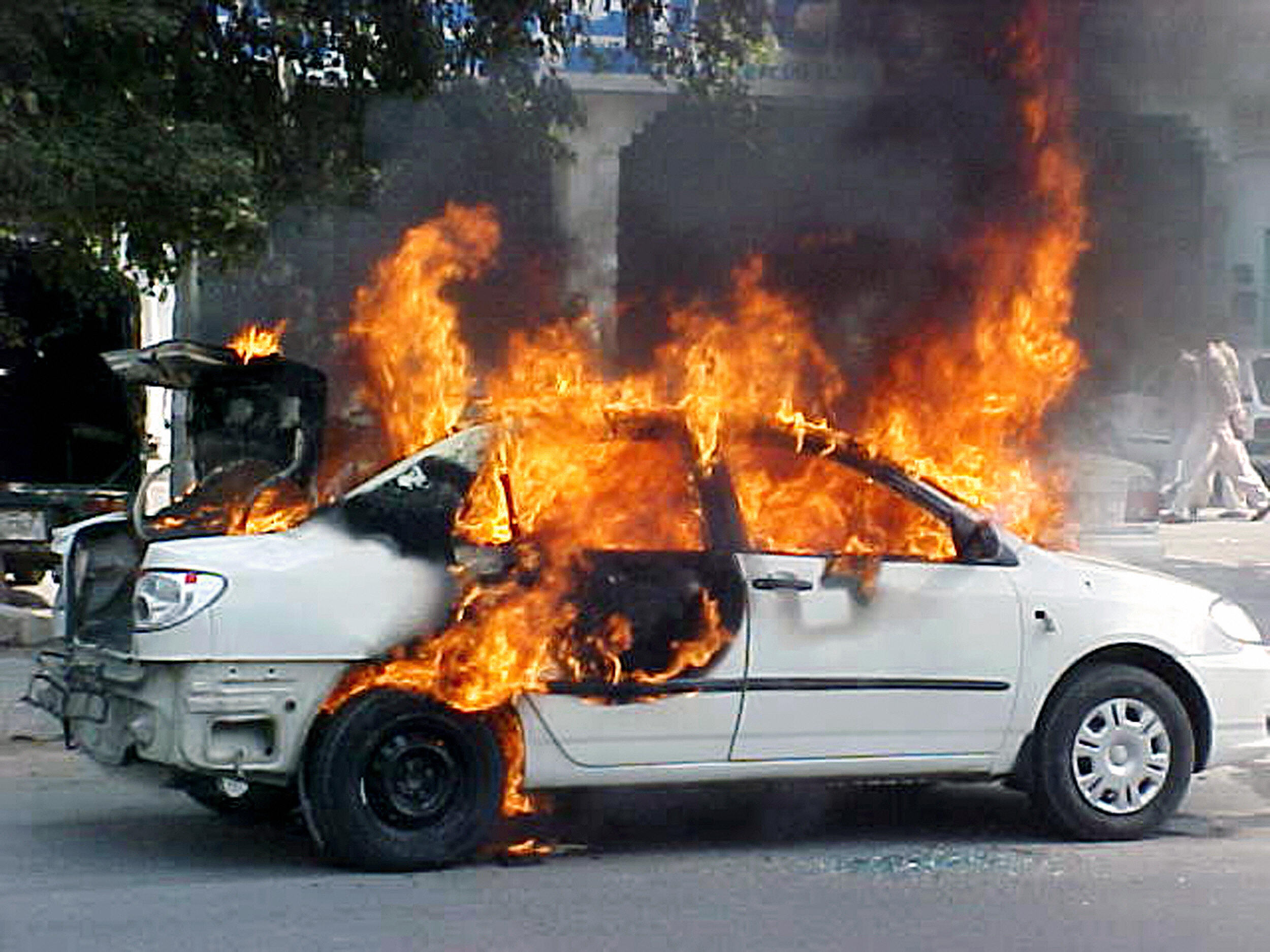
Key Takeaways
- Petrol and diesel vehicles are significantly more prone to fires compared to electric vehicles.
- Vehicle fires can occur both spontaneously and as a result of accidents, with accidents being a more common cause.
- Maintaining vehicles and adhering to safety standards can mitigate fire risk.
Overview of Petrol Car Fires in Australia
Frequency and Statistics
Petrol car fires in Australia present a notable safety concern, with incidents occurring both spontaneously and as a result of accidents. According to recent data, Fire and Rescue NSW responded to approximately 2,803 fires involving petrol and diesel vehicles during the 2022-2023 financial year. This averages to about seven petrol or diesel vehicle fires each day in New South Wales alone. When extrapolated to a broader context, Australian carpark fire statistics indicate an average of 2,130 fires per million petrol and diesel vehicles annually.
These figures underscore the higher prevalence of fires in internal combustion engine vehicles compared to their electric counterparts. Statistical analyses reveal that petrol and diesel vehicles are at least 20 times more likely to catch fire than electric vehicles. This significant disparity is attributed to the inherent characteristics of internal combustion engines, including the presence of flammable fuels and complex mechanical systems that can malfunction.
Comparative Risk: Petrol vs. Electric Vehicles
The fire risk associated with petrol and diesel vehicles is substantially higher than that of electric vehicles. International studies support this, indicating that internal combustion engine vehicles have a fire risk approximately 20 to 80 times greater than electric vehicles. Globally, the fire risk for conventional petrol cars is estimated at about 0.1%, which is more than 80 times the rate observed for electric vehicles.
In the Australian context, while electric vehicles are becoming more prevalent, they still represent a smaller proportion of the overall vehicle fleet. Consequently, the majority of vehicle fire incidents continue to involve petrol and diesel cars, aligning with global trends.
Causes of Petrol Car Fires
Accident-Related Fires
Accidents or collisions are a primary cause of petrol car fires in Australia. During such incidents, the structural integrity of the vehicle can be compromised, leading to fuel leaks from the tank or fuel lines. These leaks introduce flammable petrol into the environment surrounding the vehicle. An ignition source, such as a spark from damaged electrical wiring or exposure to external heat, can ignite the spilled fuel, resulting in a fire.
Modern petrol vehicles are equipped with various safety systems designed to mitigate the risk of fires following collisions. These include fuel shut-off valves, robust fuel tank designs, and protective measures for electrical components. However, despite these safeguards, the combination of petrol's high flammability and the potential severity of accidents means that fire incidents remain a significant risk.
Spontaneous Fires
Spontaneous fires in petrol cars, while less common than accident-related fires, do occur and are typically the result of mechanical failures or malfunctions within the vehicle's systems. Some of the primary factors contributing to spontaneous fires include:
Mechanical Failures
Mechanical issues such as engine overheating, malfunctioning cooling systems, or defective components can lead to conditions that ignite a fire. For instance, an overheated engine can cause fluids to vaporize and create flammable vapors that may come into contact with hot surfaces, leading to ignition.
Electrical Faults
Modern cars incorporate complex electrical systems, including wiring for lighting, infotainment, and engine management. Faulty wiring, short circuits, or failures in the electrical system can generate sparks or excessive heat, which may ignite nearby flammable materials such as petrol vapors or insulation.
Fuel System Issues
Problems within the fuel system, such as leaks in the fuel lines, faulty fuel pumps, or improper sealing of fuel tanks, can allow petrol to accumulate in areas where it can be ignited. Even minor leaks can be hazardous if the escaped fuel comes into contact with hot engine parts or electrical components.
Maintenance and Wear
Poor maintenance can exacerbate the risk of spontaneous fires. Regular servicing is essential to identify and rectify potential issues such as worn-out belts, degraded hoses, or corroded components that could fail and contribute to fire hazards.
Environmental Factors
External environmental factors, such as excessive heat, exposure to corrosive substances, or even poor ventilation in garage environments, can influence the likelihood of spontaneous fires. High temperatures can increase the pressure within fuel systems, while corrosive agents can weaken structural components, making them more susceptible to failure.
Fire Incidents: Data and Analysis
Statistical Overview
Analyzing fire incidents provides valuable insights into the prevalence and causes of petrol car fires in Australia. The data collected from Fire and Rescue NSW indicates that 2,803 fires involving petrol and diesel vehicles occurred in the 2022-2023 financial year. Breaking this down, this equates to an average of seven vehicle fires per day in a single state.
When contextualized per million vehicles, the statistic stands at approximately 2,130 fires annually among petrol and diesel vehicles. This rate is significantly higher when compared to electric vehicles, which exhibit a markedly lower incidence of fires.
Comparative Risk Assessment
Comparing petrol and diesel vehicles to electric vehicles reveals a stark contrast in fire risks. Internal combustion engine vehicles are approximately 20 times more likely to catch fire than electric vehicles. Furthermore, the global fire risk for conventional petrol cars is estimated at around 0.1%, surpassing the fire rate of electric vehicles by over 80 times.
| Vehicle Type | Annual Fire Incidents per Million Vehicles | Fire Risk Factor |
|---|---|---|
| Petrol Vehicles | 2,130 | 1 |
| Diesel Vehicles | 2,130 | 1 |
| Electric Vehicles | 106 | 0.05 |
Note: The fire risk factor is relative, with petrol and diesel vehicles set at a baseline of 1. Electric vehicles exhibit a risk factor of 0.05 in this example, illustrating their significantly lower propensity for fires.
Preventative Measures and Safety Tips
Regular Maintenance
Ensuring regular maintenance is paramount in reducing the risk of petrol car fires. Routine checks should focus on the integrity of the fuel system, including fuel lines, tanks, and pumps. Additionally, the electrical system should be inspected for any signs of wear, corrosion, or potential short circuits that could lead to sparks and ignite flammable materials.
Adherence to Safety Recalls
Manufacturers often issue safety recalls to address defects that could pose fire risks. Promptly addressing these recalls by visiting certified service centers ensures that any potential issues within the vehicle are rectified, thereby mitigating fire hazards.
Recognizing Warning Signs
Drivers should remain vigilant for warning signs that may indicate an impending fire risk. These include unusual smells such as petrol fumes, visible smoke emanating from the engine bay, or dashboard alerts signaling malfunctions. Promptly responding to these signs by seeking professional assistance can prevent small issues from escalating into dangerous fires.
Proper Handling and Storage of Fuels
Safe handling and storage of petrol are critical in preventing fire incidents. Fuels should be stored in approved containers away from heat sources or open flames. Additionally, during refueling, it's essential to ensure that no fuel spills occur and that any spills are promptly cleaned to prevent accumulation of flammable vapors.
Using Fire-Resistant Materials
Modern vehicle manufacturing increasingly incorporates fire-resistant materials in key areas of the engine and fuel systems. Utilizing components designed to resist ignition and contain potential fires can significantly reduce the likelihood of a vehicle catching fire.
Educating Drivers and Technicians
Comprehensive education for both drivers and automotive technicians is essential in minimizing fire risks. Drivers should be informed about the importance of vehicle maintenance and safety practices, while technicians should be trained in the latest diagnostic and repair techniques to identify and rectify potential fire hazards effectively.
Regulations and Safety Standards
Australian Vehicle Safety Standards
Australia enforces stringent vehicle safety standards aimed at reducing the risk of petrol car fires. These standards encompass regulations pertaining to the design, manufacturing, and maintenance of vehicles. Key areas of focus include the durability and placement of fuel systems, the safety mechanisms integrated within electrical systems, and the overall structural integrity to withstand accidents without compromising fuel containment.
Governmental Oversight and Enforcement
Regulatory bodies in Australia, such as State Transport Safety Bureaus and the National Road Safety Organization, oversee the implementation and enforcement of vehicle safety standards. These agencies conduct inspections, monitor compliance, and investigate incidents involving vehicle fires to identify patterns or systemic issues that may require legislative or regulatory intervention.
Safety Recalls and Consumer Protection
When defects that could lead to fire hazards are identified, manufacturers issue safety recalls to address these issues proactively. Australia’s consumer protection laws mandate that manufacturers inform vehicle owners of recalls and provide corrective measures free of charge. Adherence to recall notices is crucial in maintaining vehicle safety and reducing the incidence of fires.
Case Studies and Notable Incidents
Spontaneous Combustion Incidents
There have been reported cases of spontaneous combustion in petrol vehicles within Australia, often attributed to mechanical failures such as engine seizures or fuel system malfunctions. For example, a notable incident involved a Hyundai i45 Active whose engine seized while driving on a busy motorway, leading to a catastrophic fire. Such incidents highlight the potential for spontaneous fires in petrol vehicles, albeit rare, and emphasize the importance of robust mechanical design and maintenance.
Accident-Induced Fires
Accidents remain the most common cause of petrol car fires. The collision of vehicles, especially at high speeds or with significant impact, often results in structural damage that compromises the fuel system. Cases have been documented where petrol leaks following accidents were ignited by sparks from electrical components or external sources, leading to vehicle engulfed in flames within minutes.
Comparative Analysis with Electric Vehicle Fires
Contrastively, electric vehicle fires in Australia are exceedingly rare. When they do occur, they are typically contained to batteries and do not result in widespread burning of the vehicle. This stark difference underscores the inherent safety advantages of electric vehicles over traditional petrol and diesel-powered cars regarding fire hazards.
Technological Advancements and Future Perspectives
Enhanced Fuel System Designs
Manufacturers are continuously innovating to enhance the safety of fuel systems in petrol vehicles. Advances include the development of more robust fuel tank materials, improved sealing technologies to prevent leaks, and the integration of sensors that monitor fuel integrity and alert drivers to potential issues before they escalate.
Improved Engine and Electrical Systems
Modern engine designs incorporate redundant safety features to prevent overheating and minimize the risk of mechanical failures. Similarly, electrical systems are being refined to reduce the likelihood of short circuits and enhance the overall resilience against failures that could lead to fires.
Adoption of Advanced Safety Technologies
The integration of advanced safety technologies, such as automatic fire suppression systems and enhanced thermal management, are being explored and implemented in new vehicle models. These technologies aim to detect and extinguish fires promptly, reducing the potential for extensive damage and increasing overall vehicle safety.
Transition to Alternative Fuels
The automotive industry is witnessing a gradual shift towards alternative fuel sources, such as hydrogen and biofuels, which offer different safety profiles compared to traditional petrol and diesel. This transition not only aims to reduce environmental impacts but also to enhance safety by mitigating the inherent risks associated with highly flammable petrol.
Electric Vehicle Integration
As electric vehicles (EVs) become more widespread in Australia, their lower fire risk profile presents a compelling case for their adoption. EV manufacturers are focusing on improving battery safety, thermal management, and overall vehicle design to ensure that the benefits of reduced fire risks are fully realized as the fleet transitions towards electrification.
Conclusion
Petrol car fires in Australia, whether occurring spontaneously or as a result of accidents, remain a significant safety concern. The data indicates that internal combustion engine vehicles are considerably more prone to fires compared to electric vehicles, with a risk magnitude of at least 20 times higher. Accidents are the predominant cause of vehicle fires, primarily due to fuel leaks and electrical sparks. Spontaneous fires, though rarer, are typically linked to mechanical failures or electrical faults within the vehicle.
Mitigating these risks involves a combination of regular vehicle maintenance, adherence to safety recalls, and the implementation of advanced safety technologies. Additionally, the automotive industry's shift towards alternative fuels and electric vehicles promises a future with reduced fire hazards and enhanced overall vehicle safety.
References
Last updated February 9, 2025