
The Evolution of Petticoat Visibility and Its Connotations
Exploring historical fashion, flirtation, and cultural symbolism
Key Highlights
- Historical Fashion Influence: Petticoats served both as an outer and inner garment, their visibility changing with trends.
- Cultural and Social Connotations: Their exposure has been framed as an artistic, flirtatious, and sometimes provocative statement in different eras.
- Evolution and Context: From intended display in the 18th century to subtle hints of eroticism in the mid-20th century, context matters.
Historical Context
The role and visibility of petticoats have experienced significant shifts throughout history. Initially, petticoats were not merely hidden under garments but often an integral and visible component of women’s fashion. From the 16th through the mid-19th centuries, petticoats were designed as a standalone accessory often worn beneath dresses, gowns, or jackets, meant to be seen. In several historical depictions, especially during the 17th and 18th centuries, fashion trends included deliberate styling techniques where outer skirts or robes were arranged to reveal the petticoat beneath. This visible layering was seen as a decorative aspect rather than a covert signal of seduction.
Visible Petticoats in Early Fashion
In the earlier periods of fashion, particularly within European contexts, the petticoat was an essential element of a layered outfit. During the 17th century, for example, the practice of looping or draping the outer garment to expose the petticoat was popular. This was done for aesthetic enrichment, showing intricate details such as lace, embroidery, or bright hues that would otherwise be hidden. The intention was to enhance the overall silhouette and to add complexity to the dressing style.
By the 18th century, garments such as the robe à la française further emphasized the allure of the visible petticoat. Here, designers created outfits where the open front of the robe would intentionally reveal an elaborately decorated underlayer. Rather than being solely an expression of eroticism, this display was primarily oriented towards artistic presentation and demonstrating social status through detailed craftsmanship.
Cultural Interpretations and Social Norms
The visibility of the petticoat has been interpreted through multiple lenses across different eras, each shaped by the prevailing social and cultural norms. In many cases, the act of revealing a petticoat was a subtle interplay of modesty and allure. When a glimpse of the petticoat was offered—often partially hidden beneath a full skirt—it became imbued with a sense of intrigue and delicacy.
Flirtation and Understated Seduction
As societies evolved, so did the perception of undergarments. Particularly from the Victorian era onward into the early 20th century, the accidental or deliberate exposure of a petticoat could be perceived as a hint of seduction. Notably, during the Victorian times, strict social codes dictated modesty. However, fleeting moments where the petticoat was visible were often charged with a tempered sense of eroticism. This was not an overt declaration of sexuality but rather a nuanced suggestion—a dance along the boundary between propriety and attraction.
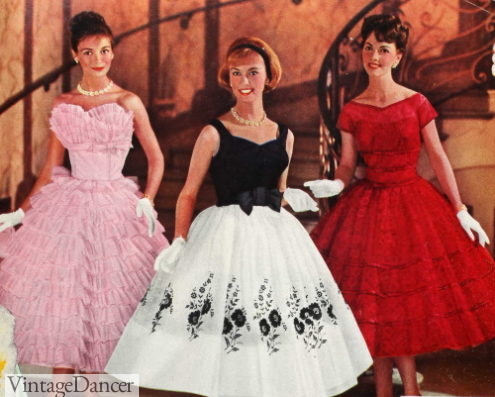
During the mid-20th century, especially in the 1950s and 1960s, fashion trends began to highlight the interplay between modesty and flirtation even more explicitly. Designers created full skirts with underskirts that peeked out, often as part of an overall design that celebrated the feminine form. In many cases, these design choices elicited associations with youthfulness, charm, and a playful flirtation that resonated with the changing social attitudes towards women’s clothing and sexuality.
The visibility of undergarments such as petticoats progressively became a visual code—a gentle statement that combined tradition with modernity. While one interpretation of such styling was undoubtedly flirtatious, it also carried connotations of rebelliousness against the restrictive fashion norms of previous times. In films, photographs, and art, the subtly exposed petticoat emerged as a symbolic marker of liberated femininity.
Fashion Evolution and the Role of Petticoats
Throughout history, fashion has continuously evolved, and with it, the use and perception of petticoats. Initially, visible petticoats served a primarily decorative function, reinforcing the layers that constituted a woman’s attire. In eras where elaborate dresses and gowns defined social class and propriety, the way a petticoat was worn could convey refined elegance and sophistication.
Transition from Visible Design Element to Underwear
Up until the mid-20th century, visible petticoats were embraced as a design statement. The intentional display of a decorated underskirt was a celebrated aspect of the overall ensemble—quite different from the modern conception of underwear. The petticoat was often as much about the art of dressmaking as it was about the functionality of under-structuring a garment.
However, as the century progressed and societal attitudes towards modesty evolved, fashion designers began to favor more streamlined silhouettes with sleeker lines. This shift meant that the petticoat transitioned from being a boldly visible accessory to an integral but hidden component of a woman's outfit. A visible petticoat became less common, and if exposed accidentally, it might evoke notions of impropriety instead of flirtation. Its role in contributing to a seductive aesthetic had to compete with the new trends that celebrated more bare or minimal designs in women’s fashion.
It is important to recognize that while there is an historical backdrop of flirtation linked to exposed petticoats, this association was never homogenous. Instead, it evolved in tandem with societal values, and the same stylistic choice could simultaneously represent playful seduction and artistic elegance depending on the context.
Table: Timeline and Changing Perceptions of Petticoats
| Era/Period | Fashion Style | Visibility Intent | Societal Connotation |
|---|---|---|---|
| 16th - 17th Century | Layered skirts and gowns | Often visible as a decorative element | Emphasis on artistry and social status |
| 18th Century | Robe à la française, polonaise styles | Intentional exposure to showcase craftsmanship | Artistic presentation; subtle, refined allure |
| Victorian Era | Multiple underlayers with strict modesty | Accidental or controlled exposure | Hints of eroticism amid rigid modesty standards |
| Mid-20th Century | Full skirts with visible underpinnings | Designed to emphasize flirtation and femininity | Playful, sometimes provocative, a symbol of youthfulness |
| Late 20th Century Onwards | Sleeker silhouettes | Generally hidden; exposure often accidental | More about modern design; accidental exposure may imply impropriety |
Societal Implications and Perceptions
The way petticoats were viewed in relation to seduction, flirtation, and eroticism depended strongly on the societal context. For much of history, the exposure of an undergarment was less about overt sexuality and more about the controlled display of artful design. Given the strict social codes governing the behavior and decorum of women, particularly in eras like the Victorian period, even a slight glimpse of a petticoat could be charged with meaning.
Artistic and Film Representations
Artistic representations and early cinematic techniques further underscored the dual nature of petticoat exposure. Paintings, engravings, and later, film, captured moments where a strand of a petticoat would be artfully revealed, conjuring images of delicate flirtation. However, these representations were more about evoking a sense of mystery rather than a direct invitation to eroticism. The carefully staged exposures served to draw attention to feminine charm and delicate sensuality without outright revealing much.
This aesthetic was particularly resonant during the mid-20th century when designers and filmmakers used it to comment on a transitioning society—one that was slowly moving away from overly strict codes towards a more open celebration of femininity and its inherent allure. However, it should be noted that although these instances of petticoat exposure did convey erotic hints, they were typically subtle. The underlying message was one of balanced expression—a playful nod to femininity where a small flash of petticoat was enough to kindle a sense of intrigue.
Understanding the Fluidity of Fashion Terminology
It is crucial to recognize that the terminology and symbolism attached to petticoats are subject to historical and cultural fluidity. The very label "petticoat" has evolved, shifting in meaning as it transcended from a visible decorative garment in early modern eras to a more concealed undergarment in recent decades. This evolution highlights a broader trend in fashion where styles are continuously reinterpreted in light of contemporary ideals.
Cultural Variance in Interpretation
The connotations of a visible petticoat have also varied between different cultures and social classes. For some, the intentional display of a petticoat communicated a well-defined aesthetic or even a subtle rebellion against overly rigid dress codes. For others, particularly within more conservative circles, such an exposure might still be interpreted as a breach of decorum. Thus, while the mid-20th century trends in Western fashion celebrated the notion of a flirtatious peek, this was not a universally accepted narrative.
In summary, while one can identify eras when a visible petticoat carried with it erotic, flirtatious, or seductive undertones—particularly during transitions in fashion design—the interpretation of such exposure remained multifaceted. Historically, it was less about overt sexuality and more about the interplay between aesthetic display and the social codes in place at the time.
Complexities of Modern Fashion Influences
In modern fashion discourse, the legacy of the petticoat is rich and layered. Contemporary designers often refer back to historical influences when crafting new ensembles that recall the charm and subtle seduction of earlier times. Although visible petticoats are no longer a dominant feature in everyday attire, they continue to inspire reinterpretations within haute couture and period-inspired collections. The undercurrent of flirtatious innocence remains an influential aspect of design, even as the full scenes of layered garments gradually give way to simplified styles that emphasize bodily contours.
Modern Adaptations and Nostalgia
Fashion designers today occasionally explore the nostalgic appeal of the visible petticoat, incorporating its essence in wedding dresses, theatrical productions, and historical reenactments. These modern adaptations celebrate the past while infusing contemporary sensibilities. The dynamic interpretation acknowledges both the decorative artistry of early fashion and the playful, provocative hints that a visible petticoat once embodied.
Even as modern trends lean toward minimalism, the historical context provides an enduring source of inspiration. The layered look, whether celebrated openly or discreetly integrated behind a streamlined silhouette, offers a timeless reminder of how fashion continuously negotiates between concealment and expression, ultimately enriching our cultural heritage.
References
- Petticoat - Wikipedia - Wikipedia
- Petticoat | Britannica - Encyclopaedia Britannica
-
Historic Costuming Basics: The Petticoat - Ilsegregoor Costumes
- Petticoats: A Timeless Fashion Essential Reimagined - GAÂLA
- Petticoats and Pink Lightning - Lives and Legacies Blog
Recommended Queries
Last updated March 11, 2025