
Peugeot 2008: Unraveling the Mystery of the "VRM" Designation
Clearing up the confusion: VRM isn't a model, but a vital vehicle identifier.
Key Insights Explained
- VRM Clarified: "VRM" stands for Vehicle Registration Mark, the unique identifier assigned to vehicles upon registration (like a license plate number), particularly well-known in the UK system. It is not a specific model or trim level produced by Peugeot.
- No "VRM" Model: Peugeot has never manufactured or distributed a specific version of the 2008 designated as the "VRM" model. All registered Peugeot 2008 vehicles will have a VRM, but it's purely for identification.
- Peugeot 2008 Overview: The Peugeot 2008 is a popular subcompact crossover SUV produced since 2013, available in various generations, trims (like Active, Allure, GT), and engine types (petrol, diesel, electric).
Understanding VRM: Vehicle Registration Mark
What Does VRM Actually Mean?
The term "VRM" is a standard abbreviation in the automotive world, particularly prominent in the United Kingdom, where it stands for Vehicle Registration Mark. This is the unique alphanumeric code assigned to a vehicle when it is first registered with the national authorities, such as the Driver and Vehicle Licensing Agency (DVLA) in the UK. Think of it as the vehicle's official ID or license plate number.
Crucially, VRM is an administrative identifier used for tracking, taxation, MOT (Ministry of Transport test) status, and ownership records. It is not a designation given by the manufacturer to denote a specific model, trim level, engine type, or special feature set. Therefore, while every road-legal Peugeot 2008 in the UK (and similar identifiers exist in other countries) possesses a VRM, there is no "Peugeot 2008 VRM" model that rolled off the production line.
No Specific "VRM" Model Exists
Based on available information from Peugeot's official documentation, press releases, and automotive databases, there is no evidence that Peugeot ever designed, manufactured, or marketed a version of the 2008 specifically called the "VRM." The confusion likely arises from the term's common usage in contexts like vehicle checks, insurance quotes, and used car valuations (where providing the VRM retrieves the car's specific details).
Some sources mention "VRM data" being used for used car valuations, which further reinforces that VRM refers to the registration identifier used to look up a specific vehicle's history and specifications, not a distinct model variant.
Getting to Know the Peugeot 2008
A Successful Subcompact Crossover
The Peugeot 2008 is a B-segment subcompact crossover SUV first introduced at the 2013 Geneva Motor Show. It was developed as a successor to the Peugeot 207 SW (station wagon), catering to the growing demand for small, versatile SUVs. Positioned below the larger Peugeot 3008, the 2008 quickly gained popularity for its stylish design, practical interior, and efficient engine options.
First Generation (2013-2019)
The initial generation established the 2008's identity with its distinctive Peugeot styling cues, raised driving position, and surprisingly spacious cabin for its class. It was offered with a range of petrol and diesel engines, and often featured Peugeot's innovative i-Cockpit dashboard layout.
Second Generation (2019-Present)
Launched in 2019, the second-generation 2008 marked a significant step up in design, technology, and powertrain options. It adopted a bolder, more aggressive exterior style based on Peugeot's contemporary design language. Key advancements included:
- A more sophisticated i-Cockpit with 3D digital instruments.
- Advanced driver-assistance systems.
- Introduction of the fully electric e-2008 variant alongside petrol and diesel options.
- Recent updates (around 2023/2024) introduced mild-hybrid (48V) technology and enhancements to the electric version's range and performance.
Manufacturing and Market Position
The Peugeot 2008 has been manufactured in several locations, including France, Spain (Vigo), China, and Brazil, reflecting its global appeal. It competes in a highly crowded segment against rivals like the Renault Captur, Ford Puma, Nissan Juke, and Volkswagen T-Cross.
Peugeot 2008 Model Overview Mindmap
This mindmap illustrates the structure of the Peugeot 2008 lineup, distinguishing between generations, typical trim levels, engine types, and clarifying the role of the VRM as an identifier, not a model variant.
Comparing Peugeot 2008 Generations
This chart provides a comparative overview of the first and second generations of the Peugeot 2008 across several key dimensions. The scores reflect general advancements and characteristics, with higher values indicating stronger performance or more advanced features in that area relative to the other generation.
As illustrated, the second generation represents a significant leap forward, particularly in design aesthetics, interior refinement, and the level of technology offered, including the introduction of electrification and more advanced driver aids.
Peugeot 2008 Generations and Key Features
This table summarizes the key characteristics and advancements across the two generations of the Peugeot 2008:
| Feature | First Generation (2013-2019) | Second Generation (2019-Present) |
|---|---|---|
| Production Years | 2013 - 2019 | 2019 - Present |
| Platform | PF1 Platform | CMP (Common Modular Platform) |
| Exterior Design | Softer lines, more traditional crossover look. Facelift in 2016 added a more vertical grille. | Sharp, aggressive styling, signature 'claw' LED lights, larger grille, more SUV-like stance. Facelift around 2023 refined styling. |
| Interior (i-Cockpit) | Early Peugeot i-Cockpit: Small steering wheel, high-set instrument panel, central touchscreen. | Advanced Peugeot i-Cockpit: Enhanced materials, configurable 3D digital instrument cluster (on higher trims), larger central touchscreen. |
| Powertrains | Petrol (PureTech), Diesel (BlueHDi) | Petrol (PureTech), Diesel (BlueHDi - phased out in some markets), Fully Electric (e-2008), Mild Hybrid (48V - from facelift) |
| Key Technology | Touchscreen infotainment, optional Grip Control, basic driver aids (parking sensors, reversing camera). | Advanced driver-assistance systems (Adaptive Cruise Control, Lane Positioning Assist), Apple CarPlay/Android Auto, connected services, optional Focal audio system. |
| Notable Variants | Various trims like Access, Active, Allure, GT Line. | Various trims like Active, Allure, GT. Introduction of the e-2008 electric model. |
Visual Showcase: The Peugeot 2008 Through the Years
The Peugeot 2008 has evolved significantly since its concept stages. Here's a glimpse at its design journey, from early concepts to production models across generations. Notice the shift towards a more assertive and technologically advanced appearance in later models.
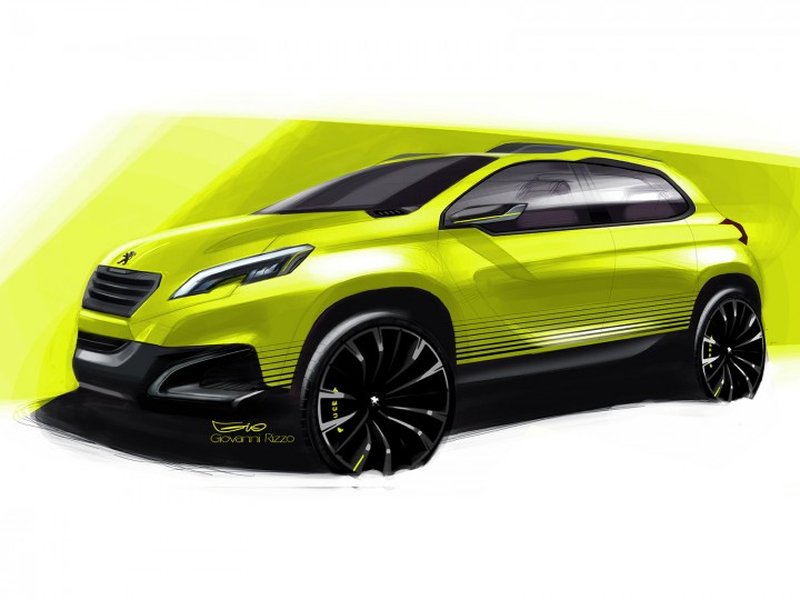
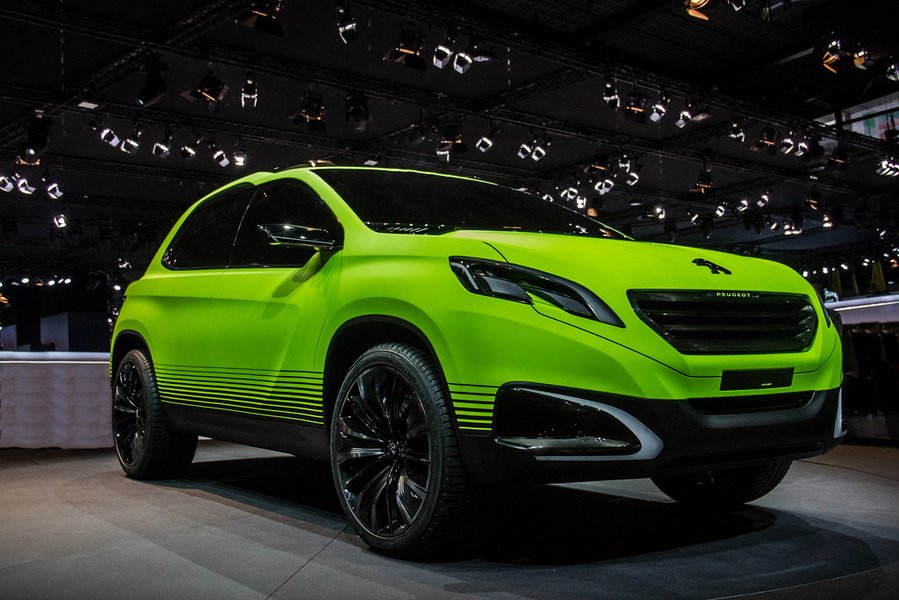
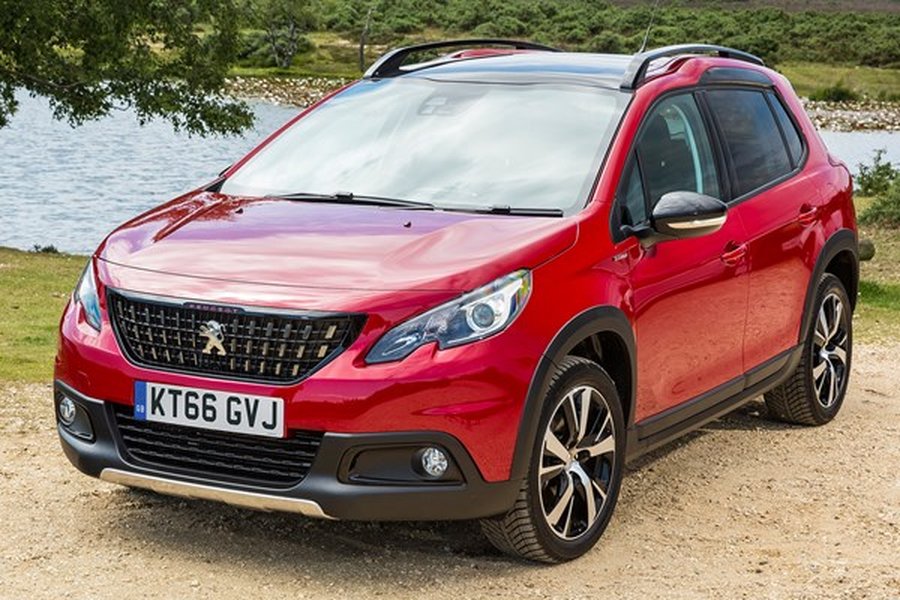
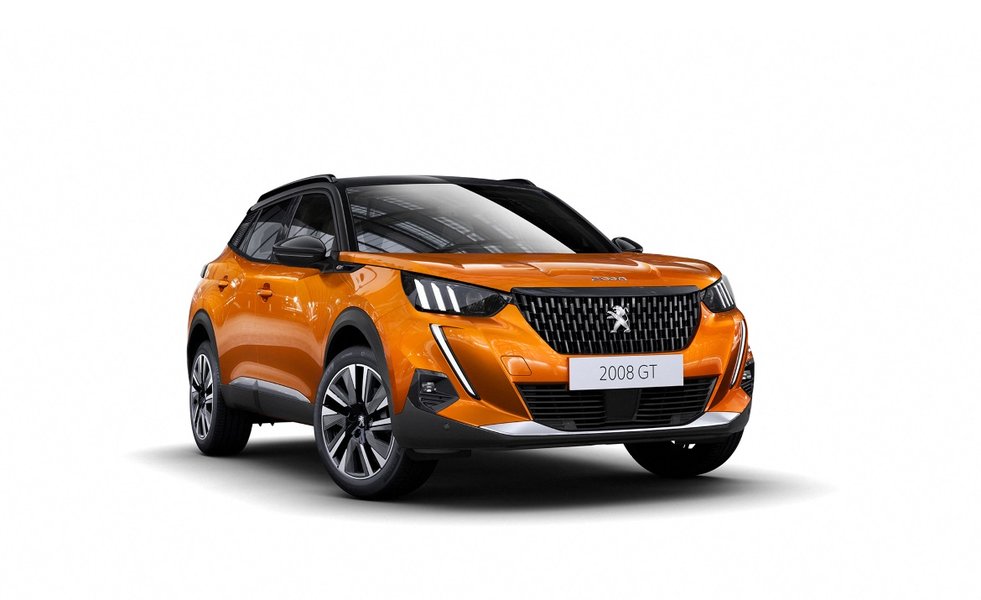
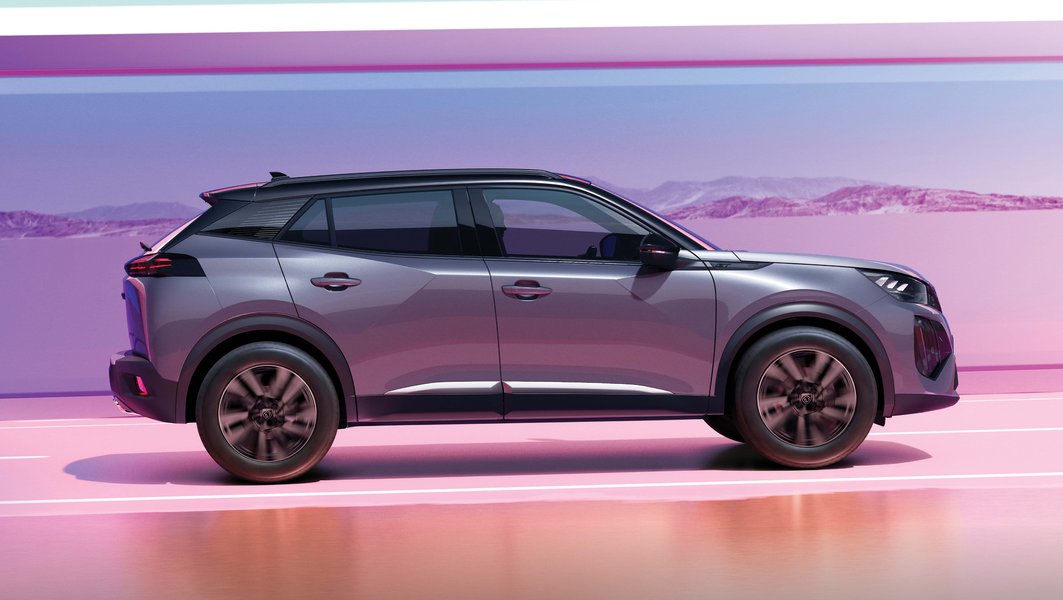
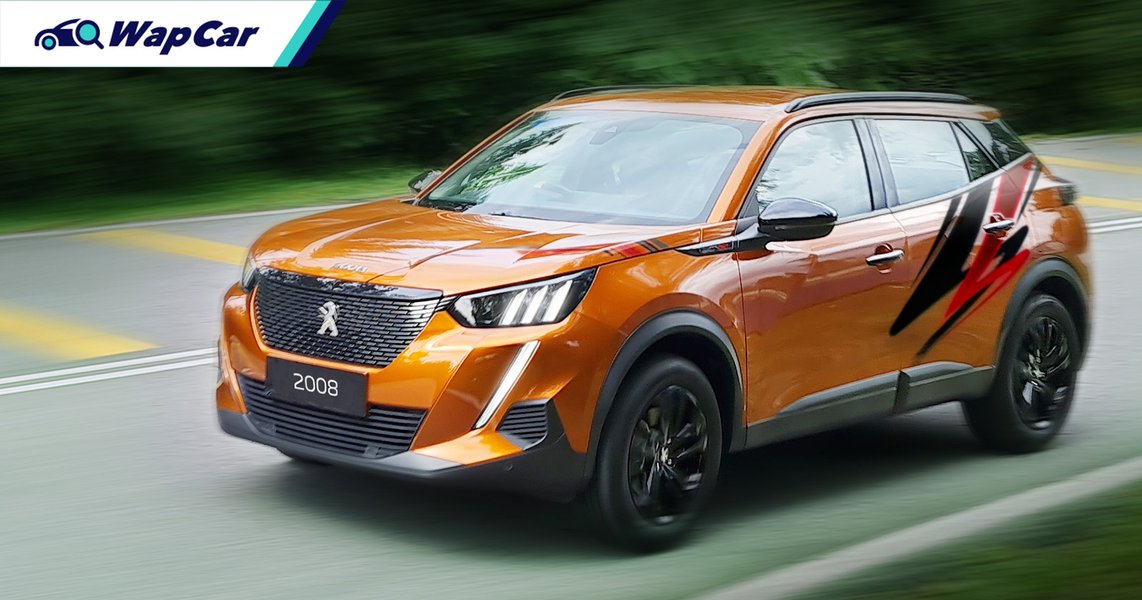
These images highlight the transformation from the initial concept's urban focus to the first generation's practical crossover design, and finally to the second generation's bold, tech-forward SUV aesthetic, including recent hybrid additions.
Explore the 2024 Peugeot 2008
Get a closer look at the features and refinements of the updated second-generation Peugeot 2008, often referred to as the 2024 model year, which includes the facelifted design and potentially the mild-hybrid options. This video provides an insightful overview of its specifications, technology, and driving experience.
The video delves into the specifics of the Allure and GT trims, showcases features like the reversing camera, discusses available options, and gives a sense of the overall driving feel, highlighting the continuous improvements Peugeot has made to this popular model.
Maintenance Considerations and Common Issues
Timing Belt Awareness
One significant maintenance point often discussed regarding the Peugeot 2008, particularly models equipped with the 1.2 PureTech petrol engine, is the timing belt. This engine features a "wet belt" design (running in oil), which has been known to degrade prematurely in some cases if incorrect oil is used or if maintenance schedules aren't strictly followed. Degradation can lead to belt particles blocking oil passages, potentially causing serious engine damage.
- Recommended Interval: Manufacturer recommendations vary, but for the 1.2 PureTech, replacement is often cited around 100,000 km to 175,000 km or every 6-10 years, whichever comes first. Always consult the specific maintenance schedule for your vehicle's model year and engine.
- Cost: Replacement cost, often including the water pump and tensioners, can range from approximately €580 to over €800, depending on the specific engine and garage labor rates.
- Importance: Regular checks and adherence to replacement intervals are crucial to prevent catastrophic engine failure.
Other Potential Issues
While generally considered reliable, some other issues occasionally reported by owners include:
- Battery charging system problems.
- Premature wear of shock absorbers, particularly influenced by driving style and load.
Regular servicing according to Peugeot's schedule is the best way to catch potential problems early and ensure the longevity of the vehicle.
Frequently Asked Questions (FAQ)
What exactly is a VRM used for? +
A VRM (Vehicle Registration Mark) is primarily used by government authorities (like the DVLA in the UK) for vehicle registration, taxation, roadworthiness testing (MOT), and law enforcement. It's also used by insurers, dealerships, and valuation services to uniquely identify a specific vehicle and access its history and specifications.
So, if VRM isn't a model, how are different Peugeot 2008 versions identified? +
Different versions of the Peugeot 2008 are identified by their generation (First Gen: 2013-2019, Second Gen: 2019-Present), trim level (e.g., Active, Allure, GT), engine type (e.g., 1.2 PureTech 100, BlueHDi 110, e-2008 Electric), and model year. These details are usually found on the vehicle's documentation and sometimes on badges on the car itself.
How can I find the VRM for a specific Peugeot 2008? +
The VRM is displayed on the vehicle's front and rear license plates. It is also listed on official documents like the V5C registration certificate (in the UK), insurance documents, and MOT certificates. Online car check services also allow you to retrieve vehicle details if you know the VRM.
Is the Peugeot e-2008 a good electric car option? +
The Peugeot e-2008, the fully electric version of the second-generation model, is generally well-regarded. It offers the same stylish design and practical interior as the petrol/diesel versions but with zero tailpipe emissions. Its range and performance have improved with recent updates (up to around 406 km / 252 miles WLTP range for newer versions). It competes well in the growing electric compact SUV market, offering a comfortable ride and Peugeot's distinctive i-Cockpit experience.
References
- Peugeot 2008 - Wikipedia
- New Peugeot 2008: The feisty and agile SUV - Stellantis Media
- Timing belt Peugeot 2008: when to change it and at what price? - AD.fr
- Common problems with the Peugeot 2008: what you need to know and how to solve them - Piecesauto24.com Blog
- Peugeot 2008 SUV (2019 onwards) used prices - Parkers
- Free Peugeot 2008 Car Check - The Auto Experts UK
Recommended Reading
 media.stellantis.com
 d1amhj1m505d5v.cloudfront.net
media.stellantis.com
Last updated April 5, 2025