
Review of Phaseolus Species and Extraction of Lectin and Glycan
A research-based synthesis on diversity and extraction methodologies
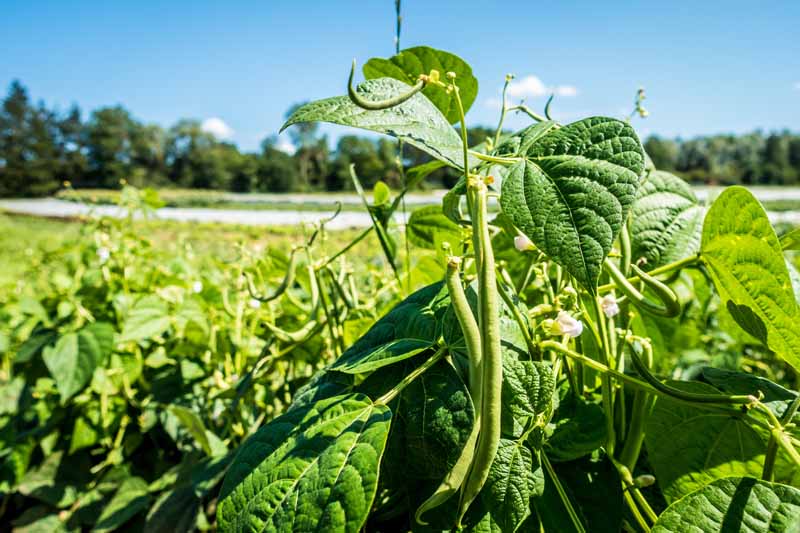
Highlights
- Diversity of Phaseolus Species: Research articles confirm that the genus Phaseolus, native to the Americas, comprises several cultivated species with distinct agricultural and molecular significance.
- Lectin and Glycan Extraction Methods: Studies report various advanced techniques—affinity chromatography, ion exchange, and gel filtration among others—for isolating lectins and glycans from Phaseolus beans.
- Scientific Insights: Detailed glycan profiles and lectin-specific binding properties have been elucidated through rigorous biochemical analyses, offering insights into cell signaling, immunity, and biotechnological applications.
Introduction
The research articles on Phaseolus species contribute significantly to our understanding of the diversity within this genus and the molecular mechanisms associated with lectin and glycan extraction. The Phaseolus genus, which originates from the Mesoamerican region, includes the commonly cultivated Phaseolus vulgaris, the scarlet runner bean (Phaseolus coccineus), tepary bean (Phaseolus acutifolius), the lima bean (Phaseolus lunatus), and the lesser-known year bean (Phaseolus dumosus). These species are not only of agricultural importance but are also excellent sources of important biochemical molecules such as lectins and glycans.
Lectins, a group of non-enzymatic proteins, exhibit a reversible and highly specific binding to carbohydrates. They are critical in cellular processes like signaling, immune responses, and pathogen recognition. Glycans, on the other hand, are carbohydrate structures attached to proteins and lipids, playing vital roles in molecular recognition and structural integrity in biological systems. This review synthesizes research findings from multiple peer-reviewed articles that detail the species diversity within Phaseolus and the methodologies implemented for the extraction and analysis of lectins and glycans.
Diversity of Phaseolus Species
Overview of Cultivated Species
The Phaseolus genus encompasses over 80 species, predominantly native to the Americas. However, five species have been cultivated extensively:
Phaseolus vulgaris (Common Bean)
Phaseolus vulgaris is the most widely grown and consumed bean globally. Research emphasizes the extensive genetic variability within this species, with numerous landraces and cultivars adapted to diverse climatic conditions. The bean is a critical source of dietary proteins and micronutrients.
Phaseolus coccineus (Scarlet Runner Bean)
Known for its striking ornamental value due to its vibrant red flowers, the scarlet runner bean has both culinary and aesthetic importance. Studies show that it is closely related to P. vulgaris, sharing many genetic and biochemical traits, including lectin profiles.
Phaseolus acutifolius (Tepary Bean)
This species stands out due to its drought-tolerant nature, making it particularly valuable in arid regions. Research has highlighted its resilience, which could be key in breeding programs aimed at developing climate-resilient crops.
Phaseolus lunatus (Lima Bean)
The lima bean is significant in tropical and subtropical agriculture. Lectin and glycan analyses in the lima bean have revealed a complex oligomeric structure that may contribute to its unique bioactive properties.
Phaseolus dumosus (Year Bean)
Although less extensively studied, Phaseolus dumosus contributes to the broad spectrum of Phaseolus diversity and offers additional genetic resources for understanding lectin diversity and function.
Lectin and Glycan Research Methodologies
Extraction Techniques
Research articles have detailed various methodologies for extracting lectins and glycans from Phaseolus species. These methods are critical for obtaining pure proteins and carbohydrate structures for in-depth analysis.
Saline Extraction
Saline extraction involves using salt solutions to disrupt the cellular matrix of bean tissues. This initial step facilitates the solubilization of lectins into an aqueous solution, making them amenable to further purification.
Affinity Chromatography
Affinity chromatography leverages the natural binding affinity of lectins towards specific sugars. By immobilizing the sugar ligands on a support matrix, researchers can selectively bind and purify the lectin proteins. This method enhances both the purity and activity of the lectins.
Ion Exchange and Gel Filtration Chromatography
Ion exchange chromatography is often used following initial extraction to separate proteins based on their charge differences, while gel filtration chromatography (size exclusion) further refines the isolation based on molecular size. These methods are fundamental for obtaining lectins with minimal contaminants.
Precipitation and Dialysis
Other techniques involve precipitation methods, such as the ammonium sulfate precipitation, followed by dialysis to remove excess salts and small molecules. These steps ensure that the lectin preparations are both concentrated and free from interfering substances.
Glycan Analysis
Beyond lectins, the extraction and subsequent analysis of glycans provide insights into the carbohydrate structures that modulate biological functions. Glycan extraction protocols typically follow protein separation steps and may involve:
Enzymatic and Chemical Release
Glycans are often released from glycoproteins using specific enzymes such as PNGase F, or through chemical treatments which break the glycosidic bonds. Once released, the glycans are amenable to detailed structural analysis.
Mass Spectrometry and Glycan Microarrays
Advanced techniques such as mass spectrometry (MS) and glycan microarrays are employed to profile the glycan structures. MS provides high-resolution data on the molecular weight and composition of glycans, while glycan microarrays allow for the examination of lectin-glycan interactions and binding specificities.
Integrated Overview of Species and Extraction Processes
Combining insights from various research articles, the following table summarizes key features of the Phaseolus species alongside the predominant extraction techniques for both lectins and glycans.
| Species | Key Characteristics | Lectin Extraction Techniques | Glycan Analysis Methods |
|---|---|---|---|
| Phaseolus vulgaris | Widely cultivated; high genetic variability; major source of phytohemagglutinin (PHA) and erythroagglutinin (PHA-E). | Saline extraction, affinity chromatography, ion exchange, gel filtration. | Enzymatic release (PNGase F), mass spectrometry, glycan microarrays. |
| Phaseolus coccineus | Ornamental and culinary; closely related to P. vulgaris; similar biochemical profiles. | Affinity chromatography and precipitation techniques. | MS-based profiling and glycan blotting. |
| Phaseolus acutifolius | Drought tolerant; adapted to arid environments; under study for climate resilience. | Saline extraction and dialysis combined with affinity methods. | Targeted enzymatic analysis and structural glycomics. |
| Phaseolus lunatus | Tropical/subtropical significance; tetrameric lectins with complex oligomeric forms. | Affinity chromatography with additional size exclusion steps. | Advanced mass spectrometry revealing high branching and complexity. |
| Phaseolus dumosus | Lesser known but expands the genetic diversity of the genus. | Basic saline extraction and preliminary chromatography procedures. | Emerging techniques in glycan analysis require further research. |
Scientific Applications and Research Implications
Role in Crop Improvement
The extensive diversity among Phaseolus species provides researchers an excellent platform to study genetic adaptation mechanisms. The resilience traits observed in species, such as Phaseolus acutifolius, are valuable for breeding programs aimed at mitigating the effects of climate change. Additionally, the genetic data gleaned from these studies offer pathways to develop beans with improved nutritional profiles, increased resistance to diseases, and enhanced value in sustainable agriculture.
Insights into Cellular Communication and Immunity
Lectins extracted from Phaseolus species have been instrumental in elucidating the roles of carbohydrate-binding proteins in cellular communication. Their high specificity towards glycan structures on cell surfaces has led to a better understanding of how cells interact, communicate, and regulate immune responses. For instance, the binding of lectins to glycan receptors involved in host-pathogen recognition can lead to the modulation of immune cell activation, a concept explored in research on TLR (Toll-like receptor) activation.
Biotechnological and Diagnostic Applications
Beyond the agricultural and cellular biology fields, lectins and glycans isolated from Phaseolus species are paving the way for innovative diagnostic tools and biotechnological applications. Lectin microarrays have emerged as a robust tool in glycomics, letting researchers profile glycan patterns in cancer diagnostics and other disease states. The affordability and availability of lectin sorbents add to the versatility of these molecules, furthering their application in rapid screening assays.
Advances in Biochemical Profiling Techniques
Modern Chromatographic Methods
The extraction of lectins and glycans has benefitted enormously from modern chromatographic techniques. Refinements like high-performance liquid chromatography (HPLC) combined with affinity setups have resulted in higher yields and better purity levels. These methods provide reproducible results that are essential for subsequent structural and functional analyses.
Mass Spectrometry and Advanced Imaging
Mass spectrometry continues to be a cornerstone technique in glycan analysis. With developments that allow for high-accuracy mass determination, researchers can now not only identify glycan moieties but also determine branching patterns and linkages. The coupling of MS data with lectin-binding profiles obtained from microarray assays provides comprehensive insight into the glycosylation status of proteins derived from Phaseolus species.
Integration of Research Findings
The body of research synthesized from various articles highlights a multifaceted approach to understanding both the biological diversity of Phaseolus species and the methodologies involved in lectin and glycan extraction. It is evident that both the diversity in bean species and the precision in extraction techniques are interlinked, providing a robust framework for applications in agriculture, immunology, and biotechnology. The specific lectins such as phytohemagglutinin and erythroagglutinin from Phaseolus vulgaris, the complex lectin structures from Phaseolus lunatus, and the adaptive traits of Phaseolus acutifolius, collectively represent the potential of these legumes as biotechnological models.
Research not only underscores the importance of selecting the appropriate extraction technique to maintain biological activity but also emphasizes the necessity of advanced analytical tools for structural elucidation of the glycan profiles. This integration of traditional biochemical methods with cutting-edge technologies paves the way for a deeper understanding of phaseolus biochemistry and its implications in health and disease.
References
-
Phaseolus Overview - ScienceDirect
- Phaseolus Taxonomy and Ecology - British Journal
-
Phaseolus Biochemical Studies - ScienceDirect
- Lectin-based Glycan Analysis - Vectorlabs
- Lectin Research Applications - MDPI
Recommended Queries for Further Research
Last updated March 19, 2025