
Articles on PhD Filters in Top Journals (2022-2025)
Exploring recent publications and academic guidelines for high-impact research
Key Highlights
- Understanding PhD Filters: Focus on methodologies like probability hypothesis density (PHD) filters applied in multi-target tracking and advanced statistical modeling.
- Publication Guidance: Strategies for selecting top journals and navigating the academic publication process from 2022 to 2025.
- Search and Research Tools: Using academic databases and citation tools to locate the most relevant articles and understand emerging trends.
Introduction to PhD Filters
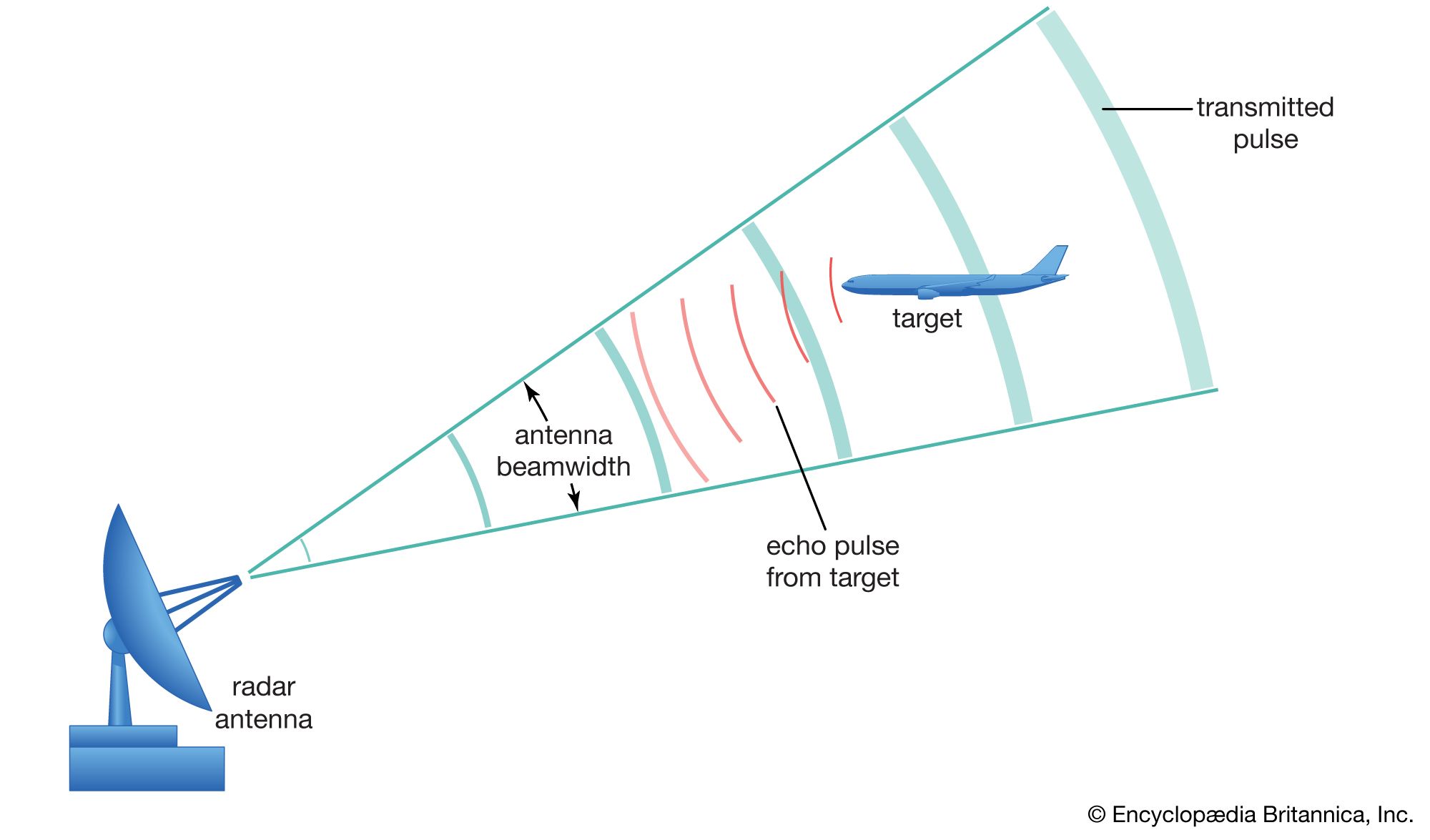
In recent years, the concept of PhD filters, particularly in technical and scientific research contexts, has garnered considerable attention. These filters involve methods and criteria that assist in tracking multiple targets in radar systems, image processing, and other applications where explicit data association is challenging. Among the most discussed methods is the probability hypothesis density (PHD) filter, including its variant, the Cardinality PHD (CPHD) filter. They streamline complex data handling and target detection through probabilistic evaluation – a technique that has grown substantially in usage from 2022 to 2025.
While the implementation of such filters is widespread in the technical realm, the academic community has also focused on them as vital areas of research. This dual analytical lens enables PhD researchers to both advance their technical innovations and strategically select high-impact journals for disseminating their findings.
Technical Aspects of PhD Filters
Multi-Target Tracking and Signal Processing
A significant body of research in recent years has concentrated on the application of PHD filters in multi-target tracking scenarios. This includes innovative tracking methods integrated into radar systems and image target tracking. In these applications, PHD filters help mitigate the complex challenge of associating measurements with multiple targets. Researchers have enhanced these filters with advanced computational methods such as Gaussian mixture models (GM-PHD filters) and the incorporation of machine learning techniques to boost performance.
The continual evolution in this field is evident from publication trends where studies introduced parallel PHD filters, multi-sensor approaches, and even hardware implementations. For instance, one line of inquiry has advanced the use of measurement-driven iterated correction techniques within the GM-PHD framework tailored for passive tracking. Such innovations not only improve tracking accuracy but also promote interdisciplinary applications beyond traditional radar systems.
Integration with Machine Learning and Statistical Methods
Another emerging trend is the integration of machine learning algorithms to enhance the estimation capabilities of PHD filters. The synergy between statistical modeling and adaptive learning allows for more robust multi-target tracking, leading to better performance in environments with clutter or ambiguous data. Researchers have explored integrating Gaussian process models and mixture distributions to refine the filtering process further. In technical terms, these advancements have led to more adaptable filters that can cope with dynamic changes in the environment.
Recognizing these trends emphasizes a major consensus in the academic community: innovative algorithms and cross-discipline methodologies significantly contribute to both the theory and practical application of PhD filters.
Guidance for Publication in Top Journals (2022-2025)
Identifying High-Impact Journals and Impact Factors
Selecting the appropriate high-impact journal is as critical as the research itself. Quality research published in reputable journals not only reaches a broader audience but also advances academic careers. Top journals, such as high-impact medical reviews, interdisciplinary research outlets, and technology-focused publications, have continuously evaluated and published high-quality contributions in this domain.
Researchers often rely on citation databases and journal ranking reports to identify the most relevant venues. Platforms such as Scopus and Web of Science allow researchers to filter journals by date, subject matter, and impact factors. Moreover, resources such as the Journal Citation Reports offer crucial data on citation metrics, helping ascertain the journal’s reach and influence.
Strategies for Navigating Academic Publication Filters
Utilizing Academic Databases
Leveraging academic databases is a principal strategy in locating reputable research on PhD filters. Search queries are typically designed to include keywords like "PhD filters," "academic filters," or "research filters," and are refined by publication years within the range 2022 to 2025. These targeted searches enable researchers to narrow down on peer-reviewed studies that have met the rigorous standards of high-impact journals.
Employing Citation Analysis Tools
Citation analysis plays an essential role in gauging the impact of published research. Tools such as Google Scholar, and integrated citation analysis platforms within databases, provide insights into a publication’s reach. In addition to citation counts, metrics such as the h-index or impact factor further guide researchers in selecting the right journals. Researchers are increasingly turning to these evaluations to maximize both the visibility and credibility of their works.
Predatory Journals and Quality Assurance
A critical consideration in the academic landscape is ensuring that the chosen journal is not predatory. Predatory journals are known for their lack of rigorous peer review processes and questionable editorial practices. Being vigilant in this regard is pivotal to safeguarding the integrity of one’s research. Researchers should verify the journal’s indexing status in recognized databases like Scopus and check for consistent, reputable citation metrics.
Emphasizing quality over quantity has become a common mantra in academia. As academic institutions and employers increasingly focus on publication quality, it is vital to ensure that one’s research appears in reputable journals that maintain high standards of peer review and ethical publishing practices.
Examples and Table Overview
Recent Notable Publications and Their Focus Areas
The table below summarizes some recent significant contributions between 2022 and 2025 related to PhD filters and their application in multi-target tracking, signal processing, and journal publication strategies.
| Publication Title | Focus Area | Journal Type | Year |
|---|---|---|---|
| Radar Nonlinear Multi-Target Tracking with Parallel PHD Filter | Multi-target tracking in radar systems | High-impact scientific journal | 2024 |
| Measurement‐Driven Iterated Correction GM‐PHD Filter for Passive Tracking | Advanced algorithms in filtering and tracking | Peer-reviewed technical journal | 2024 |
| Multi-Sensor Possibility PHD Filter for Space Situational Awareness | Multi-sensor fusion and space tracking | Interdisciplinary research journal | 2024 |
| Gaussian Process Gaussian Mixture PHD Filter for 3D Multiple Target Tracking | Integration of Gaussian models in three-dimensional tracking | Applied research journal | 2024 |
| Finding the Right PhD Journal Publication in 2025: A Comprehensive Guide | Strategies for aligning research with high-impact journals | Academic journal focusing on publication practices | 2025 |
Methodologies for Finding Relevant Articles
Utilizing Advanced Search Queries
When searching for articles on PhD filters, using advanced search queries across academic platforms is essential. Researchers are recommended to include a combination of keywords such as:
- "PhD filters"
- "academic filters"
- "research filters"
- "probability hypothesis density"
Additionally, constraining the search to publication years 2022 to 2025 ensures that the most recent and relevant advancements are discovered. Academic databases offer refined filtering options to accurately target the desired articles – a methodological practice that aids in maintaining the relevance and rigor of one’s literature review.
Accessing and Organizing Resources
Reference Management Tools
To efficiently manage numerous articles, researchers often use reference management tools. Software such as Mendeley, Zotero, or Paperpile assists in organizing scholarly articles and tracking citation metrics. These tools integrate seamlessly with academic databases, allowing researchers to build a personal library of high-impact studies.
Workshops and Webinars
Engaging in academic workshops and webinars focused on research methods can provide additional insights into effectively navigating both PhD filters and publication guidelines. Such events offer updated information about new tools and techniques, further supporting the academic community in accessing top-tier journals.
Additional Considerations
Interdisciplinary Research Trends
Many of the published articles highlight the interdisciplinary nature of PhD filter research. The cross-pollination between fields such as signal processing, computer science, and even biomedical engineering has led to substantial developments in the design and implementation of these filters. This evolution signals the importance of integrating diverse research perspectives to push the boundaries of existing methodologies.
The intersection of these disciplines often results in novel approaches that utilize both advanced statistical theories and practical computational techniques. Such efforts enhance the accuracy and robustness of multi-target tracking, ultimately benefiting a multitude of applications. For emerging researchers, these interdisciplinary studies also present unique opportunities to contribute to well-established and evolving research areas.
Evolving Publication Metrics
It is noteworthy that the academic landscape has evolved to place greater emphasis on metrics that reflect research quality and impact. Rather than focusing solely on the number of publications, how the work influences the field through citations and broader academic discourse has become a priority. Therefore, aligning one’s work with journals that maintain high methodological and review standards is imperative, particularly for PhD candidates and early-career researchers.
In summary, searching for articles on PhD filters published in top journals from 2022 to 2025 involves a multi-faceted approach: from understanding the technical methodologies underpinning these filters, to navigating the intricacies of academic publishing. Careful selection and utilization of academic databases, reference tools, and citation analysis platforms are indispensable tools in this endeavor.
References
- Research on Multi-Target Tracking - Nature
- Top 100 Journals by Impact Factor - iLovePhD
- Guide for PhD Journal Publication - Kenfra Research
- Top Journals in the World - Academia Insider
- JBHI Research Highlights - EMBS
- Modelling and Design of Transcriptional Enhancers - Nature
- PhD Scientists Out of the Beaten Track - Nature
- Organizing PhD Research with Notion - Nature
- Measurement‐Driven GM‐PHD Filter - Wiley Online Library
- 3D Multiple Target Tracking - MDPI Remote Sensing
Recommended Related Queries
Last updated March 2, 2025