
Unlocking Venture Capital Careers: Which U.S. PhD Programs Offer the Competitive Edge and Financial Support?
A deep dive into doctoral programs that pave the way to major VC firms, including insights on scholarship opportunities.
Embarking on a PhD is a significant commitment, and if your sights are set on the dynamic world of Venture Capital (VC), choosing the right program is paramount. Certain U.S.-based PhD programs can substantially enhance your competitiveness for roles in major VC firms, particularly those focusing on deep technology, life sciences, and innovation. Furthermore, many of these prestigious programs offer comprehensive funding packages.
Highlights: Key Insights for Aspiring VC Professionals
- STEM and Specialized Business PhDs are Highly Valued: Degrees in fields like Computer Science, AI, Biotechnology, or PhDs with a focus on Innovation, Entrepreneurship, and Finance from top-tier universities are particularly sought after.
- Full Funding is Common: Most leading U.S. PhD programs, especially in STEM and at renowned business schools, offer "fully funded" packages that include tuition waivers, living stipends, and health insurance.
- Beyond Academics: Gaining practical experience through internships, fellowships (like the "PhD to VC" program by Fifty Years), networking within university ecosystems, and understanding startup dynamics are crucial complements to your doctoral studies.
Pathways to Venture Capital: The PhD Advantage
While an MBA has traditionally been a common route into venture capital, a PhD offers a distinct advantage, especially for firms investing in science-based or deep-tech startups. PhD holders bring profound technical expertise, critical for evaluating complex technologies, conducting thorough due diligence, and providing substantive support to founders in specialized domains. VC firms increasingly recognize the value of this deep scientific and technical knowledge for identifying groundbreaking opportunities and navigating the intricacies of innovative ventures.

Conceptual image related to venture capital entry points.
Choosing the Right PhD Program for VC Aspirations
While there isn't a specific "Venture Capital PhD" degree, certain doctoral fields and university programs are particularly effective in preparing candidates for this competitive industry. The key is to find programs that not only offer rigorous academic training but also provide exposure to entrepreneurship, innovation ecosystems, and potentially, direct engagement with the VC world.
STEM-Focused PhDs: The Technical Edge
Deep Dive into Technology and Science
PhDs in Science, Technology, Engineering, and Mathematics (STEM) fields are highly relevant. This includes disciplines such as:
- Computer Science (especially with focuses on AI, Machine Learning, Cybersecurity)
- Biotechnology and Biomedical Engineering
- Chemistry and Materials Science
- Physics and Applied Mathematics
These programs equip individuals with the profound technical expertise necessary to assess cutting-edge technologies, understand complex scientific advancements, and perform in-depth due diligence on potential investments. Many VC investments are in technology and life sciences, making this background invaluable.
Innovation and Entrepreneurship Focused PhDs
Bridging Research and Market Application
Some universities offer doctoral programs specifically centered on innovation, technology entrepreneurship, or strategic management with a strong analytical or quantitative focus. These programs often sit within business schools or interdisciplinary centers and train scholars in areas like technology commercialization, new venture creation, and venture funding dynamics. Examples include programs at MIT Sloan (TIES) and Stanford (STVP).
Interdisciplinary and Specialized Programs
Tailored Paths to Venture Creation
Unique programs are emerging that directly bridge doctoral-level scientific research with venture creation. A notable example is the Venture Science Doctorate (VSD) offered by Deep Science Ventures. This fully-funded, three-year program is designed to train science entrepreneurs, focusing on commercially-minded scientific research and venture creation from the outset. Such programs offer an accelerated path by integrating entrepreneurial training directly with scientific discovery.
Leading U.S. Universities and Programs
Several U.S. universities are renowned for their strong PhD programs, vibrant entrepreneurial ecosystems, and robust connections to the venture capital industry. These institutions often serve as incubators for future VC talent.

Venture capitalist Bruce Evans sharing insights at Vanderbilt University, illustrating university engagement with the VC world.
The following table summarizes some top-tier institutions and programs that can significantly enhance competitiveness for a VC career, along with their typical funding status:
| University/Program Initiative | Primary Focus Area(s) | Relevance to Venture Capital | Typical Funding Status |
|---|---|---|---|
| Stanford University (Various STEM PhDs; Stanford Technology Ventures Program - STVP related activities) | STEM, Technology Entrepreneurship, Innovation | Proximity to Silicon Valley, strong entrepreneurial ecosystem, deep tech expertise, extensive alumni network in VC. | Fully funded for most PhD programs. |
| MIT Sloan School of Management (PhD in Management, TIES - Technology, Innovation, Entrepreneurship, and Strategic Management track) | Innovation, Entrepreneurship, Finance, STEM (via broader MIT) | Focus on tech commercialization, venture funding research, strong ties to tech industry and VC. | Fully funded for PhD students. |
| University of Pennsylvania (Wharton School) (Doctoral Programs, e.g., Finance, Management) | Finance, Private Equity, Entrepreneurship | Strong focus on finance and private equity, robust research in VC, established network in financial industries. | Fully funded for PhD students. |
| Harvard University (Harvard Business School) (PhD in Business Administration, various concentrations) | Business Administration, Strategy, Finance | Strong academic rigor, extensive alumni network in VC and finance, research opportunities relevant to VC. | Fully funded for PhD students. |
| Yale University (STEM PhDs with pathways/resources for entrepreneurship and VC) | STEM, Entrepreneurship support | Provides resources for STEM PhDs to transition into VC, strong research centers, annual PE/VC symposium. | Fully funded for most STEM PhDs. |
| Deep Science Ventures (Venture Science Doctorate - VSD) | Sector-agnostic Deep Science, Venture Creation | Specifically designed to train science entrepreneurs; focuses on commercially-minded research and venture building. | Fully funded. |
Note: "Fully funded" typically implies a tuition waiver, a living stipend, and often health insurance, though specifics can vary by department and university.
Funding Your Doctoral Journey: Scholarships and Stipends
A significant advantage of pursuing a PhD in the U.S., particularly in STEM fields or at leading business schools, is the prevalence of comprehensive funding packages. The term "scholarship" in the context of U.S. PhD programs often refers to these "fully funded" positions. These packages typically include:
- Full Tuition Waivers: Covering the entire cost of tuition.
- Living Stipends: A regular payment to cover living expenses, often in exchange for research or teaching assistantships. Annual stipends can range from approximately $25,000 to $50,000 or more, depending on the institution, field, and location.
- Health Insurance: Coverage for medical expenses.
- Other Benefits: May include funds for conference travel, research supplies, etc.
These funding opportunities are highly competitive and are usually awarded based on academic merit, research potential, and the strength of the application. Universities like Stanford, MIT, Harvard, Yale, and the University of Pennsylvania are known for providing such support to their doctoral candidates. The Venture Science Doctorate program is also explicitly stated as fully funded. It is crucial to check the specific funding details for each program and department you are interested in, as these are often awarded automatically upon admission to competitive programs.
Visualizing Program Strengths for VC Careers
To better understand how different types of PhD programs align with the requirements of a venture capital career, the radar chart below evaluates them across key dimensions. These dimensions include Technical Depth, Business Acumen, Access to VC Networks, Entrepreneurial Focus, and Likelihood of Full Funding. This is an illustrative assessment based on general program characteristics and typical outcomes.
This chart helps visualize that while all these paths can lead to VC and generally offer good funding, they emphasize different strengths. A STEM PhD excels in technical depth, while a business PhD offers superior business acumen and network access. Specialized programs like the VSD or MIT TIES aim to provide a strong blend of several key attributes.
Mapping the Journey: From PhD to VC
The path from starting a PhD to landing a role in a Venture Capital firm is multifaceted. It involves strategic program selection, continuous skill development, gaining relevant experience, and diligent networking. The mindmap below outlines the key stages and components of this journey.
(STEM, Innovation, Business)"] id1b["University Prestige & Ecosystem"] id1c["Faculty Research Alignment"] id1d["Funding Opportunities (Fully Funded Programs)"] id1e["Specialized Programs
(e.g., VSD, MIT TIES, Stanford STVP)"] id2["Skill Development"] id2a["Deep Technical Expertise (from PhD research)"] id2b["Financial Acumen & Valuation"] id2c["Market Analysis & Due Diligence"] id2d["Communication & Presentation Skills"] id2e["Understanding of Startup Lifecycle"] id3["Gaining Experience"] id3a["VC Internships & Fellowships
(e.g., Fifty Years PhD to VC)"] id3b["Startup Involvement (Founder, Early Employee, Advisor)"] id3c["Technology Transfer Office Engagement"] id3d["Participation in Business Plan Competitions"] id3e["Research Commercialization Projects"] id4["Networking"] id4a["University Entrepreneurship Clubs & Centers"] id4b["Industry Conferences & VC Events"] id4c["Alumni Networks"] id4d["Informational Interviews with VCs"] id4e["Mentorship Programs"] id5["Applying to VC Firms"] id5a["Tailoring CV/Resume for VC Roles"] id5b["Crafting Compelling Cover Letters"] id5c["Preparing for Technical & Behavioral Interviews"] id5d["Case Studies & Investment Theses"] id5e["Leveraging Network for Referrals"]
This mindmap illustrates that a successful transition into VC post-PhD requires a proactive and holistic approach, integrating academic excellence with practical skills and strategic career development efforts.
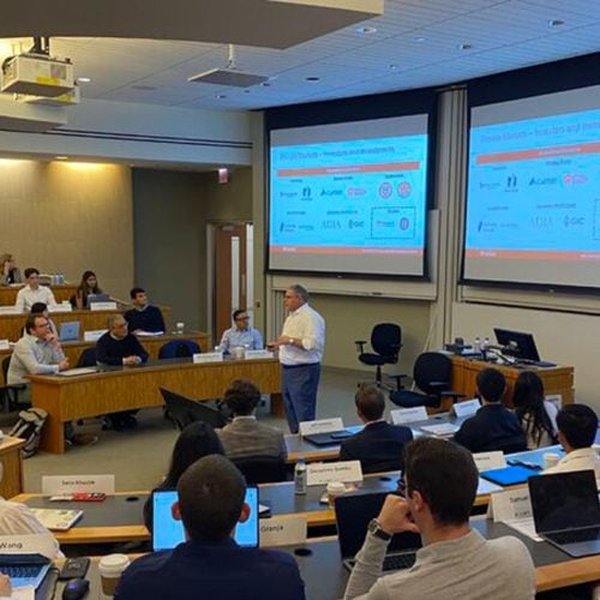
Visual related to university entrepreneurship programs, like the Polsky Center at UChicago, fostering innovation.
Beyond Academia: Essential Steps for VC Competitiveness
While a relevant PhD from a top institution lays a strong foundation, several other factors significantly boost your competitiveness for a VC role:
- Engage with the Entrepreneurial Ecosystem: Actively participate in your university's startup clubs, accelerators, incubators, and technology transfer offices. This provides firsthand exposure to the startup world.
- Seek VC-Specific Experience: Pursue internships or fellowships at VC firms. Programs like the "PhD to VC" initiative by Fifty Years offer invaluable training and networking opportunities specifically for PhD students and postdocs. Other fellowships, such as the Kauffman Fellowship or Alumni Ventures Venture Fellow Program, can also provide entry points.
- Build a Strong Network: Attend industry conferences, join relevant professional organizations, and connect with individuals in the VC and startup communities. Leverage your university's alumni network.
- Develop Business Acumen: Supplement your technical expertise with knowledge of finance, market analysis, business strategy, and valuation. Consider taking relevant courses, attending workshops, or pursuing certifications. Wharton, for example, offers executive education programs in venture capital.
- Showcase Your Value: Articulate how your PhD research, analytical skills, and technical expertise translate into value for a VC firm, such as identifying promising technologies, conducting rigorous due diligence, or supporting portfolio companies.
Insights from the Field: Learning from the Experts
Understanding the mindset and principles that drive Venture Capital is crucial. Many top universities, like Stanford, are at the forefront of VC education and research. The following video features Professor Ilya Strebulaev from Stanford Graduate School of Business, who shares insights into the principles of venture capital taught at Stanford, offering a glimpse into the strategic thinking prevalent in Silicon Valley.
Investors' Principles of Silicon Valley Taught in Stanford MBA by Professor Ilya Strebulaev. This provides valuable context on how venture capitalists operate and make decisions.
This discussion highlights the importance of understanding investment frameworks, risk assessment, and the dynamics of supporting innovative companies—all critical aspects for aspiring VCs. While focused on MBA education, the principles are highly relevant for PhDs aiming to enter the field.
Frequently Asked Questions (FAQs)
Q: Are there PhD programs specifically in "Venture Capital"?
Q: How important is the ranking/prestige of the university for a VC career?
Q: What kind of roles do PhDs typically enter in VC firms?
Q: Are international PhD students eligible for these fully funded programs and VC careers in the U.S.?
Recommended Further Exploration
- How can STEM PhDs effectively network to break into venture capital firms?
- What are the key differences between a PhD and an MBA for a career in venture capital?
- Explore top venture capital fellowship programs in the U.S. suitable for PhD graduates.
- What specific skills should a PhD student develop outside of their research to be attractive to VC recruiters?
References
Last updated May 19, 2025