
Enhancing Your PhD Research Proposal
Comprehensive strategies to refine and strengthen your application document
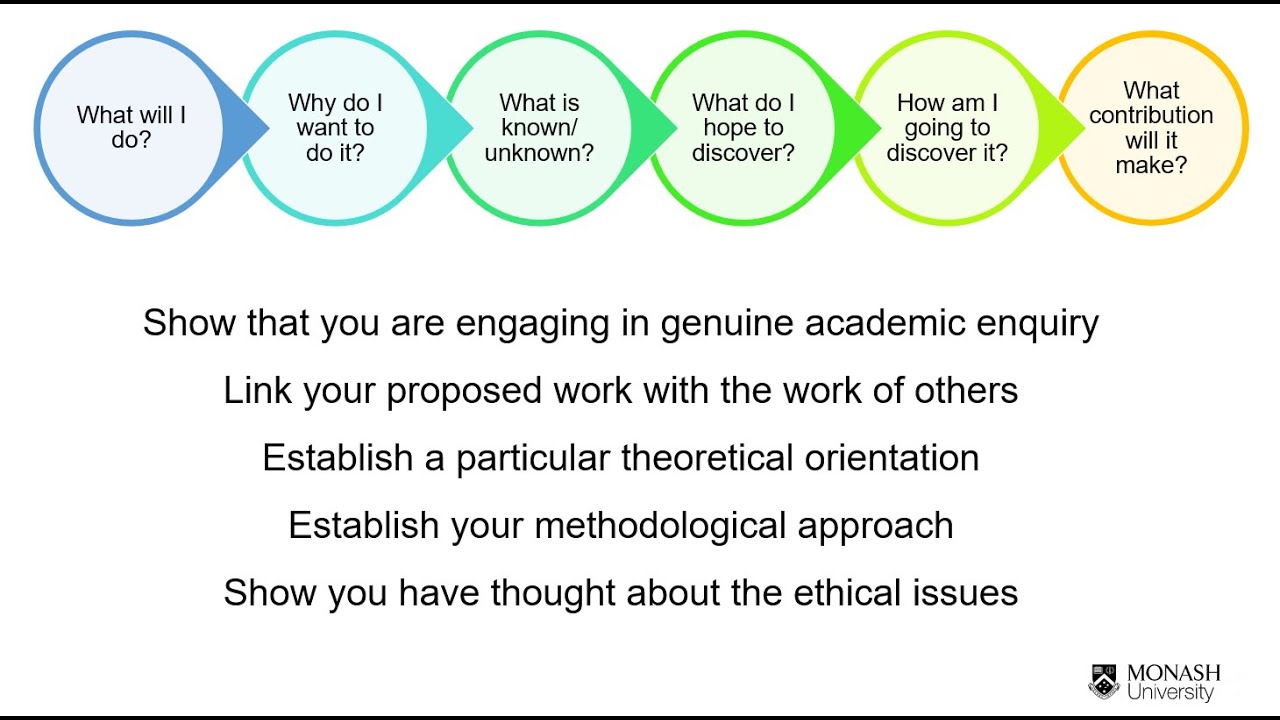
Key Takeaways
- Clarity and Structured Flow – Organize your proposal logically, ensuring each section seamlessly transitions to the next.
- Significance and Impact – Clearly articulate the importance and potential contributions of your research to your field and broader society.
- Detailed Methodology and Feasibility – Provide a thorough and feasible research plan, including methods, timeline, and resources required.
Introduction
A compelling PhD research proposal begins with a strong introduction that sets the stage for your study. This section should clearly outline the research question you intend to address, providing context and highlighting its significance within your field. An effective introduction not only captures the reader's attention but also demonstrates your understanding of the broader academic landscape.
Research Question and Problem Statement
At the core of your proposal lies the research question and problem statement. It is essential to articulate a specific, focused, and researchable question that addresses a gap in existing knowledge. Explain the origins of the problem, its relevance, and why it warrants academic investigation. A well-defined problem statement sets the foundation for the entire proposal, guiding the direction of your research and methodology.
Background and Literature Review
A thorough literature review is critical in establishing the context of your research. This section should provide a comprehensive overview of existing studies related to your topic, identifying key theories, methodologies, and findings. Highlight the gaps or limitations in current research that your study aims to address. By situating your work within the existing body of knowledge, you demonstrate your familiarity with the field and underscore the originality of your proposed study.
Significance and Impact
Clearly articulating the significance of your research is vital in persuading reviewers of its value. Explain how your study will contribute to advancing knowledge in your field and its potential implications for society, policy, or specific communities. Discuss both the theoretical and practical impacts, illustrating how your research findings could inform future studies, influence practice, or address real-world problems. Demonstrating the broader relevance and potential applications of your work enhances the persuasive power of your proposal.
Methodology
Research Design and Methods
The methodology section should provide a detailed and clear plan for how you will conduct your research. Outline the research design, specifying whether your study is qualitative, quantitative, or mixed-methods. Describe the data collection methods you will employ, such as surveys, interviews, experiments, or archival research, and justify their suitability for addressing your research question.
Data Collection and Analysis
Detail the procedures for collecting and analyzing data. Explain the tools and techniques you will use for data analysis, such as statistical software, thematic analysis, or content analysis. Discuss how you will ensure the reliability and validity of your data, addressing potential biases and limitations. Providing a transparent and rigorous methodological approach demonstrates the feasibility and credibility of your research plan.
Ethical Considerations
Address any ethical issues related to your research, including how you will obtain informed consent, ensure confidentiality, and manage sensitive information. Demonstrating awareness of ethical standards and outlining measures to uphold them is crucial, especially when dealing with human subjects or sensitive data.
Feasibility and Timeline
Project Timeline
Developing a realistic timeline is essential in showcasing the feasibility of your research project. Break down your project into key stages, such as literature review, data collection, analysis, and writing, and assign approximate timeframes to each. Providing a clear and achievable timeline demonstrates your planning skills and ensures that your research can be completed within the typical PhD duration.
Resource Requirements
Identify the resources you will need to conduct your research, including access to specific databases, laboratory equipment, funding, or supervisory support. Discuss how you will obtain these resources and address any potential challenges in securing them. Demonstrating awareness of resource needs and planning for their acquisition enhances the credibility of your proposal.
Expected Contributions
Outline the anticipated contributions of your research to the existing body of knowledge. Explain how your findings will advance understanding in your field, address the identified research gaps, and potentially influence policy, practice, or further studies. Highlight both academic contributions and practical applications, emphasizing the value and innovation of your proposed research.
Tailoring to the Institution
Research the specific requirements and focus areas of the departments or institutions to which you are applying. Tailor your proposal to align with their interests, strengths, and the expertise of their faculty. Demonstrating a clear fit between your research interests and the institution's priorities can significantly enhance the appeal of your proposal.
Writing Tips
Clarity and Conciseness
Use clear and accessible language throughout your proposal. Avoid excessive jargon unless it is essential for your field. Strive for conciseness, ensuring that each section is focused and free from unnecessary verbosity. Clarity and brevity make your proposal more readable and persuasive.
Logical Structure
Organize your proposal with clear headings and subheadings to guide the reader through your arguments. Ensure that each section flows logically to the next, creating a cohesive narrative. A well-structured proposal enhances comprehension and showcases your ability to present complex ideas systematically.
Proofreading and Editing
Ensure that your proposal is free from grammatical errors, typos, and formatting inconsistencies. Proofread carefully and consider seeking feedback from peers, mentors, or professional editing services. A polished and professionally presented proposal reflects your attention to detail and commitment to quality.
Feasibility and Flexibility
Realistic Planning
Develop a realistic plan that considers potential challenges and how you will address them. Outline contingency plans for unforeseen obstacles, demonstrating your preparedness and adaptability. Flexibility in your approach shows resilience and the ability to navigate the complexities of a research project.
Pilot Studies and Preliminary Data
If available, include preliminary data or pilot studies to support the feasibility of your research methods. Preliminary findings can strengthen your proposal by providing evidence that your research design is effective and that you have the capability to carry out the proposed study.
Sample Project Timeline
| Stage | Timeline | Key Activities |
|---|---|---|
| Literature Review | Months 1-3 | Comprehensive review of existing research, identifying gaps |
| Research Design | Months 4-5 | Developing research questions, selecting methodologies |
| Data Collection | Months 6-12 | Conducting surveys, interviews, experiments |
| Data Analysis | Months 13-18 | Analyzing collected data using chosen methods |
| Writing | Months 19-24 | Drafting chapters, revising based on feedback |
| Finalization | Months 25-36 | Final edits, submission, and defense preparation |
Peer Review and Feedback
Engage with peers, mentors, and potential supervisors to obtain constructive feedback on your proposal. Peer review can help identify areas for improvement, clarify your arguments, and enhance the overall quality of your document. Incorporating diverse perspectives ensures that your proposal is robust and well-rounded.
Adhering to Institutional Guidelines
Ensure that your proposal aligns with the specific guidelines and requirements of the institution or funding body to which you are applying. This includes adhering to prescribed formats, word counts, and structural components. Attention to these details reflects your ability to follow instructions and increases the likelihood of your proposal being favorably assessed.
Conclusion
Crafting a successful PhD research proposal involves a strategic blend of clear articulation, comprehensive planning, and meticulous presentation. By ensuring clarity and structured flow, emphasizing the significance and impact of your research, and providing a detailed and feasible methodology, you can create a compelling proposal. Tailoring your document to the institution's requirements, engaging in thorough proofreading, and seeking feedback further enhance the strength of your application. A well-prepared research proposal not only showcases your academic potential but also lays a solid foundation for your doctoral journey.
References
Last updated February 13, 2025