
Exploring the Efficacy of Azolla, Ipomoea batatas Leaves, and Moringa oleifera as Nutritious Feed Supplements in Tilapia
A Comprehensive Review of Philippine Studies on Alternative Tilapia Feed Supplements
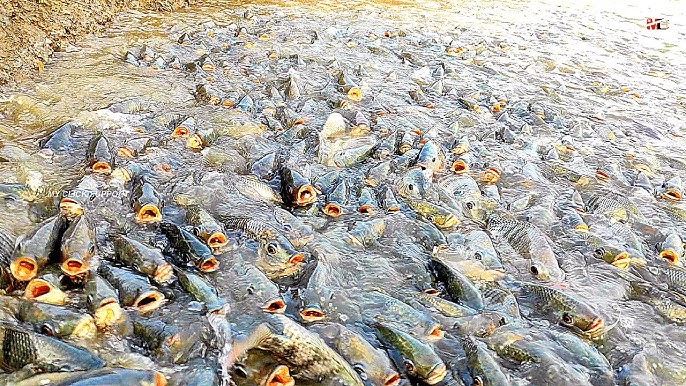
Highlights
- Cost-Effective & Abundant: Azolla, Ipomoea batatas, and Moringa oleifera are widely available in the Philippines and present sustainable, affordable alternatives in aquaculture feed formulation.
- Improved Growth & Health: Studies consistently show enhanced growth performance, better feed conversion ratios, and improved health metrics in tilapia when these supplements are incorporated in their diets.
- Nutritional Diversity: Each feed supplement contributes distinct nutritional benefits, such as high protein or fiber content, that collectively offer a balanced dietary formulation for tilapia.
Introduction and Background
The aquaculture industry in the Philippines is rapidly evolving to meet the increasing demand for fish protein, with tilapia being a staple species in production due to its high nutritional quality and market demand. However, the high cost of commercial fish feeds has driven researchers and industry experts to explore alternative, locally available feed ingredients that are both sustainable and nutritionally advantageous.
Among the candidate supplements, Azolla, Ipomoea batatas (sweet potato) leaves, and Moringa oleifera (malunggay) have received significant attention. These botanicals are naturally abundant in the country, and integrated research efforts have been directed towards assessing their efficacy as feed ingredients for tilapia. Each of these supplements offers unique nutritional profiles and benefits, contributing to improved growth performance, health, and overall cost-efficiency in tilapia culture.
Detailed Analysis of Feed Supplements
Azolla as a Feed Supplement
Azolla is a rapidly growing, free-floating aquatic fern that is recognized for its high protein content, fiber, and beneficial micronutrients. The significance of Azolla in tilapia feed formulations stems from its low production cost and ease of cultivation. Research conducted in the Philippines has indicated that tilapia can tolerate Azolla meal at inclusion levels of up to 20% in their diets without adverse effects on growth performance or biochemical parameters.
Specific studies have demonstrated that tilapia fed with diets containing Azolla exhibited improved red blood cell counts, which is indicative of better overall health and increased oxygen transportation in the fish. Furthermore, due to its immunomodulatory properties, Azolla appears to bolster the innate immune response in tilapia, potentially reducing the prevalence of diseases in intensive farming environments.
Key Nutritional and Application Insights
The main advantages of incorporating Azolla include:
- Rich in high-quality protein and essential amino acids.
- Improves feed conversion efficiency.
- Cost-effective alternative compared to conventional protein sources.
- Promotes the natural immune system of the fish.
Ipomoea batatas (Sweet Potato) Leaves in Tilapia Diets
Sweet potato leaves from Ipomoea batatas provide a potent mix of proteins, vitamins, and essential micronutrients. As a by-product of the sweet potato crop, these leaves are locally abundant and available at low cost, making them an attractive supplement for tilapia feed. Research in the Philippine context has revealed that tilapia fingerlings can tolerate sweet potato leaf meal at inclusion levels up to 15% without any reduction in growth performance.
Studies report that the high micronutrient content in sweet potato leaves contributes not only to the nutritional value but also to enhanced physiological status in fish. This can include improved digestion and better metabolic activities essential for growth.
Nutritional Contributions
Key benefits include:
- Substantial protein and vitamin content.
- Provides antioxidants that combat oxidative stress in fish.
- Helps in maintaining efficient growth rates while potentially reducing feed costs.
Moringa oleifera (Malunggay) as a Protein Supplement
Moringa oleifera, commonly known as malunggay, is renowned for its exceptionally high nutritional content, especially in terms of proteins, vitamins, and essential minerals. In the context of aquaculture, the use of Moringa oleifera leaf meal has been particularly promising. Philippine studies have recommended the substitution of up to 10% of dietary protein sources in Nile tilapia fry with steam-heated moringa leaf meal, ensuring no reduction in growth performance.
Additionally, Moringa oleifera has been associated with enhancing the immune responses in tilapia, a factor of high importance in intensive aquaculture operations prone to disease outbreaks. Moreover, the integration of coconut oil has shown synergistic effects, especially in promoting the growth of saline-tolerant tilapia, which may reduce dependency on imported soybean feed oil.
Benefits of Moringa oleifera Inclusion
The key merits of using Moringa oleifera include:
- High protein content and balanced amino acid profile.
- Rich in antioxidants and anti-inflammatory compounds.
- Helps in the development of the immune system.
- Reduces the cost burden associated with commercial feeds.
Comparative Overview of Supplement Efficacy
Researchers in the Philippines have conducted comparative studies to evaluate the efficacy of these three feed supplements on tilapia’s growth performance, feed conversion ratios, and overall health metrics. A representative study compared the inclusion of Azolla, Ipomoea batatas leaves, and Moringa oleifera in tilapia diets. The study revealed that although all three supplements effectively improved growth and survival rates, there were unique distinctions in their nutrient profiles:
| Supplement | Protein Content | Fiber Content | Micronutrient Profile | Inclusion Levels |
|---|---|---|---|---|
| Azolla | High | Moderate | Rich in minerals and vitamins | Up to 20% of the feed |
| Ipomoea batatas Leaves | Moderate | Low to Moderate | High in micronutrients and antioxidants | Up to 15% of the feed |
| Moringa oleifera | High | High | Rich in vitamins and bioactive compounds | Up to 10% substitution for protein sources |
This table captures the critical characteristics of each feed supplement and aids in understanding the optimal use of these ingredients depending on the nutritional goals and cost considerations for tilapia aquaculture in the Philippines.
Research Methodologies and Implementation Considerations
Experimental Designs in Philippine Studies
The experimental protocols involved in assessing the efficacy of these feed supplements routinely include:
- Formulating diets with graded inclusion levels of the supplements.
- Conducting feeding trials with control and treatment groups to monitor growth performance, survival rates, and feed conversion ratios.
- Evaluating hematological and biochemical parameters to determine physiological impacts.
- Assessing immune response parameters through blood tests, which include parameters like red blood cell counts and various immunomodulatory markers.
These robust experimental designs ensure that the results are statistically validated and can be reliably applied in an aquaculture setting. For example, tilapia fed with up to 20% Azolla or 15% Ipomoea batatas leaf meal showed significant improvements in growth performance when compared to the conventional feeds. Similarly, the integration of Moringa oleifera contributed not only to improving the nutritional profile but also to ensuring the immune competence of the fish.
Practical Aspects of Feed Formulation
For aquaculture practitioners considering these alternative feed formulations, practical aspects to consider include:
- Local availability and cost of raw materials, which directly impact feed production economics.
- Processing techniques, such as steam-heating for Moringa oleifera, to enhance nutrient bioavailability and reduce anti-nutritional factors.
- Potential synergies when combining these ingredients to formulate a balanced diet that meets the nutritional needs of tilapia at various life stages.
- Impact on final product quality, including flesh quality and marketability, which remains a crucial factor for commercial operations.
With a focus on sustainability and cost reduction, these feed supplements encourage the adoption of locally developed feed formulations that can reduce reliance on expensive, imported feed ingredients. The Philippine government and academic institutions have actively supported research and technology transfer projects aimed at integrating these nutritionally rich supplements into commercial feeds.
Evidential Support and Comparative Studies
Multiple studies published in respected journals from the Philippines and other parts of the world back the efficacy of these feed supplements. Research reviews have noted that:
- Azolla’s high protein content and ease of production contribute to lower overall feed cost and enhanced fish growth.
- Sweet potato leaves from Ipomoea batatas serve as an efficient dietary ingredient because of their antioxidant properties and micronutrient content.
- Moringa oleifera demonstrates a multi-faceted advantage by serving as an alternative protein source and promoting fish immune system function.
A comparative study reported that while each supplement offers unique benefits, the combination or strategic formulation involving these ingredients could possibly yield an optimal feed profile, leveraging the high protein value of Azolla and Moringa along with the rich micronutrient and antioxidant properties of sweet potato leaves.
Practical Recommendations Based on the Literature
Adoption in Commercial Aquaculture
Based on the comprehensive review of literature and experimental evidence from Philippine studies, several practical recommendations can be made for tilapia farmers:
- Incorporate Azolla Meal: Use Azolla meal up to a 20% dietary inclusion to drive cost reductions while simultaneously promoting growth and immune functionality. This strategy is particularly beneficial in intensive farming systems where feed costs represent a significant portion of operational expenses.
- Enhance Diets with Sweet Potato Leaf Meal: Include Ipomoea batatas leaf meal at levels up to 15% to boost the micronutrient profile, which helps in stress mitigation and improved metabolic efficiency in tilapia.
- Utilize Moringa oleifera as a Protein Substitute: Replace up to 10% of conventional protein sources with Moringa oleifera leaf meal to not only reduce production costs but also enhance the nutritional quality and disease resistance of tilapia.
For further refinement, research suggests that a combined approach, where the strengths of each supplement are leveraged, may lead to a more robust formulation. Continued experimental work should focus on identifying the precise synergies and optimal inclusion rates to maximize both growth and health outcomes in tilapia.
Government and Industry Support
It is imperative for governmental bodies and industry stakeholders to support research and development in this area. Investment in local production techniques, feed formulation research, and pilot projects will foster sustainable aquaculture practices, reduce reliance on imported feed materials, and boost the overall productivity of tilapia farms.
Encouraging collaborations between government research agencies, universities, and the aquaculture industry could expedite the practical implementation of these feed supplements in commercial operations.
References
- Evaluation of Azolla as a Feed Ingredient - Wiley Online Library
- Feed Supplementation with Azolla - Semantic Scholar
- Sweet Potato Leaves as Feed Ingredient - ResearchGate
- Coconut Oil and Moringa in Aquaculture - PCAARRD
- Comparative Study on Feed Supplements - SEAFDEC
Recommended Related Queries
Last updated March 21, 2025