
Exploring Innovative Local Feed Alternatives in Philippine Aquaculture
Revolutionizing the Aquaculture Feed Sector with Local, Sustainable Resources
Key Highlights
- Cost Reduction: Utilizing local agricultural and poultry by-products offers significant cost savings compared to imported feeds.
- Sustainability Advancement: Innovations like "Juan Algae" and plant-based feed ingredients strengthen environmental sustainability and reduce the industry's ecological footprint.
- Diverse Feed Sources: A broad array of feed options including microalgae pastes, fruit peels, and agricultural wastes are being developed to suit different aquaculture species.
Introduction to Local Feed Alternatives in Philippine Aquaculture
The aquaculture industry in the Philippines is experiencing transformative changes as it seeks to reduce costs and improve sustainability through the adoption of local feed alternatives. The high cost of traditional fish feed ingredients, particularly imported fish meal, has long been a major financial and environmental challenge. By integrating locally available resources such as agricultural wastes, poultry by-products, and innovative alternatives like microalgae paste, the industry is aiming to minimize production costs while simultaneously supporting domestic economic growth and ensuring environmental sustainability.
Overview of Alternative Feed Ingredients
Agricultural and Poultry By-Products
One of the most promising alternatives is the utilization of agricultural and poultry by-products. These by-products generally include corn kernels, corn waste, and poultry processing residues, which can be repurposed into nutrient-rich feed ingredients. The implementation of these local inputs reduces dependency on imported products, bringing down production costs significantly. For example, using corn by-products and poultry abattoir remnants in feed production has shown potential in lowering costs by 18% to 32%. These alternatives also help mitigate waste disposal challenges, turning potential environmental burdens into valuable resources.
Microalgae Paste – "Juan Algae"
A notable and innovative alternative is the microalgae paste known as "Juan Algae." Developed by the University of the Philippines Visayas, this feed ingredient is made from a blend of microalgae species, including Tetraselmis sp., Nannochloropsis sp., Chaetoceros calcitrans, and Chlorella vulgaris. Designed primarily for the early larval stages of milkfish and shrimp, "Juan Algae" serves as a natural, preservative-free, and eco-friendly feed option. Its cost-effectiveness is noteworthy, with a 30-kilogram batch costing significantly less than traditional live microalgae culture systems, thereby offering an affordable solution for hatcheries. The paste not only supports the nutritional needs of developing larvae but also minimizes the reliance on expensive commercial products.
Plant-Based Feed Materials
Another area of significant development involves the use of plant-based materials. Feed ingredients such as azolla, duckweed (lemna), taro flour, and banana pseudostem have been identified as viable alternatives. Azolla, a type of aquatic fern, has proven to be a robust source of nutrients and can be cultured directly in fish ponds. Similarly, taro flour and banana pseudostem have shown promise in providing comparable growth rates in milkfish, reducing the overall feeding cost. Additionally, the use of fruit peels, notably citrus pulp, mango peels, and pineapple peel, has emerged as a method to incorporate valuable energy sources into tilapia diets. These ingredients offer an eco-friendly approach by ensuring that agricultural by-products are efficiently utilized within the industry.
Alternative Protein Sources
Substituting Fish Meal with Local Alternatives
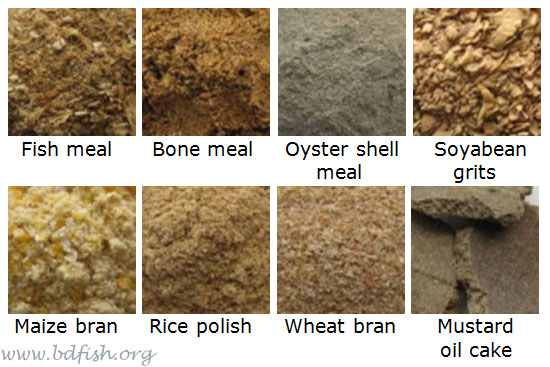
Traditional fish meal, derived from wild-caught fish, has been a cornerstone of aquaculture nutrition for decades, but it is expensive and unsustainable. In response, the industry is increasingly turning to alternative protein sources. These include a range of meals such as copra meal, giant toad meal, meat meal, poultry meal, bone meal, feather meal, and blood meal. For instance, copra meal is used as a partial replacement for soybean in the diets of shrimp and milkfish. Research indicates that such substitutions do not compromise the nutritional requirements of the fish, ensuring adequate growth while significantly curtailing reliance on imported fish meal.
Integrating Golden Snails and Microbenthic Organisms
In some specialized practices, especially in pangasius farming, golden snails are incorporated into feed formulations. This practice capitalizes on the natural nutritional benefits provided by the snails, while simultaneously addressing the issue of cost. Additionally, the cultivation of microbenthic organisms such as lab-lab further diversifies the range of locally available feed options. These micro-organisms, grown using organic fertilizers in ponds and enclosures, offer a sustainable source of nutrition for a range of aquaculture species.
Cost Efficiency and Sustainability Benefits
Economic Impact of Local Feed Alternatives
Cost-efficiency is one of the primary drivers behind the search for local feed alternatives in Philippine aquaculture. Feed expenses can account for about 70% to 80% of the total production cost, making any reduction in feed costs hugely beneficial for the industry. With the development of low-cost feeds using local resources, farmers have observed potential cost savings ranging from 25% to 32% compared to conventional commercial feeds. For example, cost reductions through the use of microalgae paste have enabled hatcheries to better allocate resources, thereby ensuring more competitive pricing and higher profit margins.
Environmental Sustainability and Reduced Dependency on Wild-Caught Fish
Beyond the financial advantages, local feed alternatives contribute significantly to environmental sustainability. Traditional aquaculture practices often rely heavily on wild-caught fish for feed, which puts pressure on natural fish stocks and disrupts aquatic ecosystems. By shifting to locally produced feed alternatives, the industry not only mitigates the environmental impact but also promotes the recycling of agricultural and poultry waste. The integration of by-products and unconventional feed resources supports a circular economy, reducing waste and encouraging responsible resource management. This holistic approach ensures that aquaculture practices remain sustainable in the long term.
Government Policies and Future Directions
Supportive Government Policies
The Philippine government has played a proactive role in encouraging the development and adoption of local feed alternatives. Policies such as the Agriculture and Fisheries Modernization Act and the Philippine Fisheries Code have established a regulatory framework that incentivizes innovation in aquaculture. These policies are designed to streamline the registration of aquaculture areas, facilitate licensing processes, and promote the lease of fish ponds. In addition, government initiatives support research into alternative feed ingredients by providing grants and technical assistance to research institutions, thereby accelerating the development of sustainable feed formulations.
Research and Development Prospects
Continued research is vital to further optimize these alternatives, ensuring that they meet the nutritional demands of various aquaculture species without compromising growth performance. Numerous studies explore the nutritional composition of these ingredients and determine the optimal inclusion levels in feed formulations. For instance, ongoing research into microalgae paste aims to refine its nutrient profile, making it even more efficient as an early-stage feed. Similarly, efforts are underway to evaluate the full potential of plant-based ingredients like azolla and duckweed, which may serve dual functions as both feed and natural water purifiers in pond systems. With a strong emphasis on research, the future of Philippine aquaculture looks bright as it continually seeks to balance cost efficiency with environmental stewardship.
Comprehensive Comparison of Local Feed Alternatives
Table: Overview of Feed Alternatives and Their Benefits
| Feed Ingredient | Source | Primary Aquaculture Species | Benefits |
|---|---|---|---|
| Agricultural By-Products | Corn by-products, poultry waste | Milkfish, Tilapia | Cost savings of 18-32%; reduces waste |
| Microalgae Paste ("Juan Algae") | Microalgae species (Tetraselmis sp., Nannochloropsis sp., etc.) | Milkfish, Shrimp | Eco-friendly, cost-effective for larval stages |
| Plant-Based Materials | Azolla, Duckweed, Taro Flour, Banana Pseudostem | Milkfish, Tilapia | Sustainable, comparable growth performance |
| Fruit Peels | Citrus, Mango, Pineapple | Tilapia | Natural energy source, low-cost feed additive |
| Alternative Protein Meals | Copra meal, meat meal, poultry meal, etc. | Shrimp, Milkfish | Partial replacement of fish meal, sustainable protein source |
| Golden Snails & Lab-lab | Local snail populations and microbenthic organisms | Pangasius and other species | Innovative local resource use; lowers production cost |
Challenges and Considerations in Implementing Local Feed Alternatives
Nutritional Consistency and Quality Control
While the potential benefits of these local feed alternatives are significant, ensuring consistent nutritional quality remains a challenge. Fish require a balanced diet that offers precise proportions of proteins, fats, carbohydrates, vitamins, and minerals. The variability inherent in natural ingredients might occasionally result in inconsistent nutrient profiles, which makes rigorous quality control and regular chemical analysis imperative. Researchers and feed manufacturers have to continually refine processing techniques so that each ingredient meets the necessary energy and nutrient requirements essential for optimal fish health and growth.
Infrastructure and Processing Capabilities
Another consideration is the need for appropriate infrastructure to process local raw materials into standardized feed products. Investments in processing facilities and preservation technology ensure that these alternatives have a sufficient shelf-life and retain their nutritional value. Additionally, training and capacity-building initiatives for local farmers and feed producers are essential to facilitate the transition to these innovative practices. By equipping stakeholders with modern processing techniques, the industry can achieve scalability and uniformity in feed production.
Market Acceptance and Policy Support
For local feed alternatives to be successfully integrated into the broader aquaculture industry, there needs to be robust policy support and market acceptance. Marketing strategies, government incentives, and partnerships between research institutions and private feed manufacturers play a pivotal role in driving adoption. Continued efforts in outreach and demonstration projects are crucial to educate aquaculturists on the long-term benefits of these alternatives. As the government continues to support these initiatives through updated legislative frameworks, there is promising potential for wider implementation across various regions.
Government and Industry Collaboration
Role of Research Institutions and Government Agencies
Close collaboration between academic research institutions, government agencies, and private industry is fundamental in advancing local feed alternatives. Institutions such as the University of the Philippines Visayas and research bodies like SEAFDEC/AQD have been at the forefront of developing these innovative feed solutions. Government agencies, particularly the Department of Agriculture, have actively supported research and development initiatives. Joint projects and pilot programs not only validate the efficacy of local feed options but also facilitate the transfer of technology from laboratories to commercial aquaculture operations.
Impact on the Aquaculture Ecosystem
The shift towards local feed alternatives is poised to reshape the aquaculture ecosystem in the Philippines. This transformation helps build a more resilient supply chain and reduces the industry's vulnerability to global market fluctuations and international trade dynamics. By leveraging local resources, the industry is taking proactive steps toward self-sufficiency. This, in turn, promotes economic growth at the community level, empowers local feed producers, and revitalizes rural economies while preserving the marine environment.
Additional Developments and Future Opportunities
Emerging Technologies and Innovative Approaches
Building on the momentum of current innovations, the aquaculture sector is continuously exploring additional technologies to further improve feed production. Research into biotechnology and feed processing methods is leading to the development of more refined nutrient extracts and additives, which can enhance feed efficiency even further. The integration of modern automation and data analytics is also being investigated, as these tools could help optimize feed formulation, monitor fish health, and improve overall production yields.
International Collaborations and Knowledge Exchange
The Philippines is not alone in its pursuit of sustainable aquaculture practices. International collaborations allow for the exchange of knowledge and experiences that can accelerate the adoption of successful feed alternatives. By collaborating with global experts and leveraging best practices from leading aquaculture countries, the Philippines can tailor solutions that address its specific needs and climatic conditions. These partnerships not only foster technological transfer but also help harmonize testing standards and nutritional benchmarks internationally, supporting a more standardized approach to feed production.
Adaptation to Climate Change and Environmental Shocks
Environmental sustainability extends beyond cost savings; it also encompasses the industry's resilience to climate change and environmental shocks. The development of local, sustainable feed alternatives is one component of a broader strategy to mitigate risks associated with climate variability. By optimizing the use of indigenous resources, the aquaculture sector can reduce its carbon footprint and better adapt to drastic weather changes. This strategic adaptation not only safeguards the industry's future but also contributes to national efforts in addressing environmental challenges.
References
- Aquafeed Project Develops Cost-Effective Feeds - Department of Agriculture
- Innovative, Cost-Effective Feed for Aquaculture - PNA
- Philippine Researchers Eye Agricultural Waste as Fish Feed - Hatchery International
- Alternative Feed Ingredients to Reduce Dependence on Wild Fish - SEAFDEC
- Innovative Cost-Effective Feed for Aquaculture - UP Visayas
Recommended Related Queries
Last updated March 24, 2025