
Phobic Disorders: An In-Depth Psychological Analysis
Exploring causes, symptoms, treatments, and the neuroscience behind phobias
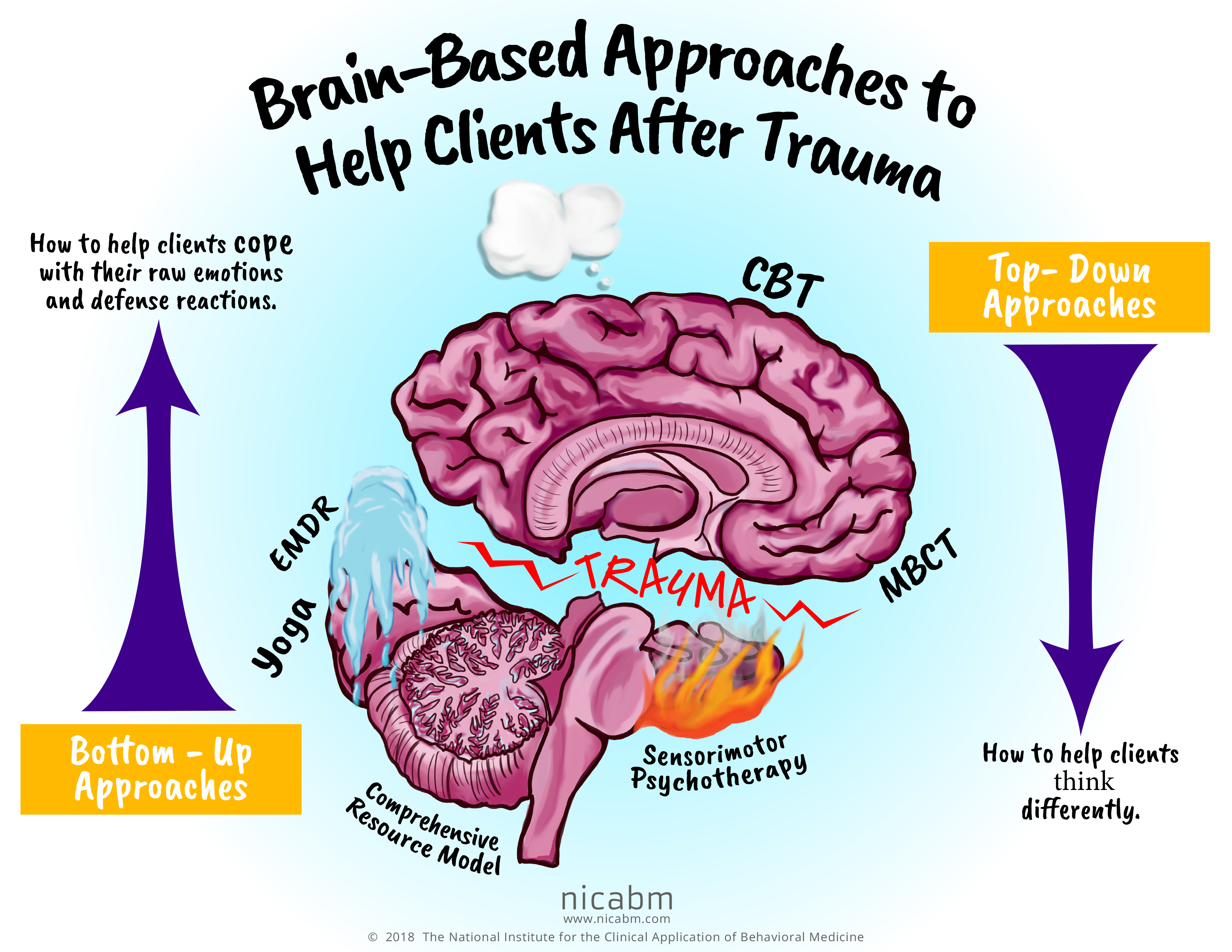
Essential Highlights
- Comprehensive Origins: Phobic disorders result from a mix of genetic predispositions, traumatic experiences, and learned behaviors.
- Neurobiological Underpinnings: Central brain regions such as the amygdala and prefrontal cortex play key roles in fear processing.
- Diverse Treatment Options: Effective treatments include Cognitive Behavioral Therapy (CBT), Exposure Therapy, and sometimes medication support.
Introduction to Phobic Disorders
Phobic disorders represent a subset of anxiety disorders that are characterized by an intense, irrational, and persistent fear of specific objects, situations, or activities. These fears are not only disproportionate to the actual threat but also lead to significant distress and avoidance behaviors that can interfere with daily life. Individuals suffering from phobias are typically aware that their fear is irrational, yet they find themselves unable to prevent or control the reactions triggered by these stimuli.
Over time, psychological research has provided deeper insights into the origins and maintenance of phobic disorders. A variety of factors have been identified that contribute to the development of these conditions, including genetic predisposition, early-life experiences, family history, and environmental exposures. Furthermore, neurobiological studies using brain imaging technologies have revealed that areas such as the amygdala, prefrontal cortex, orbitofrontal cortex, anterior cingulate cortex, and insula are actively involved in fear processing.
Symptoms and Characteristics
The hallmark of phobic disorders is an intense and irrational fear that often triggers both psychological and physiological responses. These responses include overwhelming anxiety, panic attacks, and a range of physical symptoms such as:
- Rapid heartbeat or palpitations
- Sweating and trembling
- Shortness of breath
- Dizziness and lightheadedness
- Hot flushes or chills
In addition to these symptoms, avoidance behavior is a significant indicator of phobic disorders. Individuals may go to great lengths to evade situations or objects that trigger their fears, which can drastically diminish their quality of life.
Recognizing the Signs
Phobic responses are not limited to the immediate experience of fear. Many individuals recognize that their reactions are out of proportion to the actual danger and yet feel powerless to overcome them. This recognition plays a crucial role in psychiatric diagnoses and the subsequent development of treatment plans.
Types of Phobic Disorders
Phobic disorders are generally categorized into three main types: specific phobias, social anxiety disorder, and agoraphobia. Each category is distinguished by the nature of the phobic stimulus and the circumstances in which the fear arises.
1. Specific Phobia
Specific phobias involve an irrational fear of a particular object or situation. Common examples include:
- Arachnophobia: The fear of spiders.
- Acrophobia: The fear of heights.
- Aerophobia: The fear of flying.
Even though the object or situation might not actually pose a risk, the individual’s anxiety is so overwhelming that it can hinder everyday activities.
2. Social Anxiety Disorder (Social Phobia)
Social anxiety disorder is characterized by a deep-seated fear of social interactions and being negatively evaluated by others. Individuals with social phobia often worry about being embarrassed, humiliated, or judged by peers, leading them to avoid social situations altogether. This disorder can be particularly debilitating, impacting academic, professional, and personal lives.
3. Agoraphobia
Agoraphobia involves a fear of being in situations where escape might be difficult or help unavailable. This fear may extend to open spaces, public transportation, or crowded environments. Often, agoraphobia overlaps with panic disorder, with individuals experiencing sudden panic attacks when confronted with these environments.
Underlying Causes and Neurobiological Insights
Research into the origins of phobic disorders has revealed that these conditions are multifactorial in nature. A combination of genetic factors, early life experiences, and environmental influences contribute to the onset and chronicity of phobias.
Genetic and Environmental Interactions
Studies indicate that there is a heritable component in many cases of phobic disorders. Individuals with a family history of anxiety disorders are generally at a higher risk of developing similar conditions. Alongside genetic predispositions, environmental factors such as traumatic experiences or overprotective upbringing can precipitate the onset of a phobia. For example, someone who has been bitten by a dog may develop a persistent fear of dogs, even if the threat is not statistically significant.
Neurobiological Mechanisms
Advanced neuroimaging studies have significantly enhanced our understanding of the brain regions involved in phobic disorders. The amygdala, a critical brain structure responsible for processing fear, is often hyperactive in individuals with phobias. Additionally, other regions including the prefrontal cortex, orbitofrontal cortex, anterior cingulate cortex, and insula have been implicated in the regulation and perception of fear. This complex neurobiological interplay not only influences the intensity of the fear response but also affects how an individual processes and reacts to feared stimuli.
The following table provides a simplified overview of the key brain regions involved and their associated functions in the context of phobic disorders:
| Brain Region | Key Function in Phobic Disorders |
|---|---|
| Amygdala | Central to fear processing and emotional responses |
| Prefrontal Cortex | Regulates decision making and modulates emotional responses |
| Orbitofrontal Cortex | Involved in evaluating risk and reward |
| Anterior Cingulate Cortex | Plays a role in error detection, anticipatory anxiety, and emotional regulation |
| Insula | Processes bodily sensations and contributes to self-awareness of anxiety |
Treatment Approaches for Phobic Disorders
The primary goal of treatment for phobic disorders is to reduce fear and avoidance behaviors, thereby improving an individual's overall quality of life. Treatment options typically involve psychotherapy, and in some cases, medication. The choice of treatment depends on the severity and type of the phobia, as well as the individual’s personal history and needs.
Psychotherapeutic Interventions
Cognitive Behavioral Therapy (CBT) is the most commonly recommended form of psychotherapy for phobic disorders. CBT helps individuals identify and challenge negative thought patterns associated with their fear. A crucial component of CBT is Exposure Therapy, where individuals are gradually and systematically exposed to the feared object or situation in a controlled environment. Over time, this process—known as desensitization—helps to reduce the intensity of the fear response.
In addition to CBT, other therapeutic approaches such as mindfulness-based interventions and Eye Movement Desensitization and Reprocessing (EMDR) have shown promise in treating phobias, particularly when traumatic experiences are involved.
Pharmacological Therapies
While psychotherapy is generally the primary mode of treatment, medications can also play a supportive role, especially in severe cases or when coexisting conditions such as depression are present. Commonly prescribed medications include:
- Beta-blockers: Often used to manage the physical symptoms of anxiety such as rapid heartbeat and tremors.
- Antidepressants: Particularly selective serotonin reuptake inhibitors (SSRIs), which help reduce overall anxiety levels.
Medications are usually used in conjunction with therapy rather than as standalone treatments. This combined approach can significantly enhance the effectiveness of treatment, enabling individuals to achieve more lasting improvements in their condition.
Tailoring Treatments to Individual Needs
Effective management of phobic disorders requires a personalized approach. Factors such as the type and severity of the phobia, as well as the individual's life circumstances and preferences, must be taken into account when designing a treatment plan. Evidence suggests that early intervention often leads to more favorable outcomes, particularly in adolescents, where early identification and treatment can mitigate long-term impacts.
Prevalence and Impact on Daily Life
Specific phobias are among the most common anxiety disorders, affecting a notable percentage of adults. Statistics indicate that between 7% and 14% of the population may experience specific phobias at some point in their lives, with a cumulative lifetime incidence reaching up to 27%. Interestingly, phobic disorders are more frequently diagnosed in females, a trend that has been observed across multiple studies.
The impact of phobic disorders on daily life cannot be overstated. The pervasive nature of the anxiety and the subsequent avoidance behaviors can significantly restrict an individual's personal, academic, and professional engagements. Social anxiety disorder, for example, may result in severe isolation or missed opportunities, while agoraphobia can lead to a complete retraction from public life.
Social and Occupational Implications
The disturbances caused by phobic disorders go beyond individual distress; they affect family dynamics, social relations, and occupational functioning. Avoidance of situations, especially in the case of social phobia and agoraphobia, may severely limit participation in normal daily activities, reinforcing the cycle of fear and anxiety. Awareness of these implications reinforces the need for comprehensive treatment and support systems geared towards recovery.
Current Research and Emerging Perspectives
Recent research in the field of psychology continues to unravel the complexities of phobic disorders. Emerging perspectives emphasize the integration of neurobiological insights with advanced psychotherapeutic techniques. Ongoing studies are exploring the potential benefits of combining traditional therapies with innovative interventions, such as virtual reality exposure therapy, which offers safe and controlled environments for confronting fears.
Furthermore, longitudinal studies tracking the efficacy of early interventions have provided valuable data on the long-term outcomes of various treatment approaches. These studies underscore the importance of continued research and patient-specific treatment adaptations in order to more effectively counter the pervasive nature of phobic disorders.
Technological Advancements in Treatment
The advent of technologies such as virtual reality (VR) has opened new avenues for exposure therapy. VR-based interventions allow therapists to simulate feared environments with a level of control and safety that traditional methods cannot match. This innovation has been particularly beneficial for treating phobias where direct exposure is logistically challenging or potentially dangerous.
Conclusion and Final Thoughts
In conclusion, phobic disorders are complex and multifactorial conditions that involve an intense interplay between genetic predispositions, neurobiological processes, and environmental influences. Their impact on daily functioning can be profound, manifesting in significant psychological distress and lifestyle limitations. However, through early and individualized intervention—primarily via therapeutic approaches such as Cognitive Behavioral Therapy and Exposure Therapy, often supported by pharmacological treatments—many individuals can overcome or effectively manage their symptoms.
Continued advancements in neuroscience and therapeutic technologies hold promise for even more effective interventions in the future. As our understanding of these disorders deepens, it paves the way for treatments that are not only more tailored but also more accessible, ultimately improving the quality of life for those affected.
The collaborative efforts of mental health professionals, researchers, and technological innovators are gradually transforming the landscape of treatment for phobic disorders. Emphasis on early intervention, patient education, and individualized therapy is critical for breaking the cycle of fear and avoidance and fostering a path towards recovery.
References
- Phobias Overview - Medical News Today
- Understanding Phobias - Verywell Mind
- Phobias: Types, Causes, Symptoms, and Treatment - Psychology Org
- Phobic Disorders Overview - Medscape
- What Are Phobias and Why Do They Happen - Psychology Today
- Neurobiological Insights in Phobias - NCBI Bookshelf
Recommended Further Reading
Last updated February 22, 2025