
Unlock Your Niche: Launching a Premium Phone Case Brand for the Style-Conscious
Leverage your business development skills to build a successful phone case brand targeting discerning young women, focusing on luxury experience.
Starting your own business is an exciting step, especially leveraging your background in business development. Your idea to launch a phone case brand targeting 'Class A' girls, particularly iPhone users, with a strong emphasis on premium packaging and overall customer experience, holds significant potential in the current market. While the market is competitive, a well-defined niche and a unique value proposition can carve out a successful space. Let's dive into an evaluation and a strategic plan to help you reach your goal of selling 1000 units in the first six months.
Highlights: Key Success Factors
- Niche Targeting Power: Focusing on 'Class A' young women using iPhones allows for highly targeted marketing and product selection, appealing to a demographic often willing to pay a premium for style and quality.
- Experience as a Differentiator: Your value proposition centered on exceptional packaging and customer journey is a strong competitive advantage in a market often focused solely on the product itself.
- Strategic Phased Approach: Starting by reselling minimizes initial risk and investment, allowing you to test the market, refine your brand, and build capital before potentially exploring manufacturing.
Evaluating Your Business Idea
Potential and Challenges
Your business concept is rated as strong with high potential (around 8/10). The phone accessories market is substantial and projected to grow significantly, reaching an estimated USD 26.30 billion in 2025 and growing towards USD 42.19 billion by 2034. Your specific focus taps into several positive trends:
Strengths:
- Clear Niche: Targeting affluent, style-conscious young women (Class A) who predominantly use iPhones provides a well-defined customer base. This group values aesthetics, brand experience, and exclusivity.
- Value Proposition Focus: Emphasizing premium packaging and a seamless customer experience directly addresses the desires of your target market and creates a tangible point of difference.
- Reselling Model Advantage: Starting by reselling significantly lowers upfront investment and risk. It allows for flexibility in inventory and quicker adaptation to trends. Options like dropshipping or print-on-demand (POD) can further minimize initial costs.
- Business Development Background: Your experience equips you with valuable skills in market analysis, strategic planning, negotiation, and execution.
Challenges:
- Market Saturation: The phone case market is highly competitive, with many established players. Differentiation is key.
- Supplier Dependency: As a reseller, you rely on suppliers for product quality, stock availability, and potentially even fulfilling the packaging promise. Careful vetting is crucial.
- Ambitious Sales Goal: Selling 1000 units in 6 months requires consistent, effective marketing and sales execution from the outset.
- Brand Building: Creating a premium brand perception requires consistent effort in marketing, product presentation, and customer service.
Overall, the idea is solid and scalable. Success hinges on meticulous execution, particularly in branding, securing reliable suppliers who align with your quality standards, effective marketing targeting your niche, and flawlessly delivering on the promised premium experience.
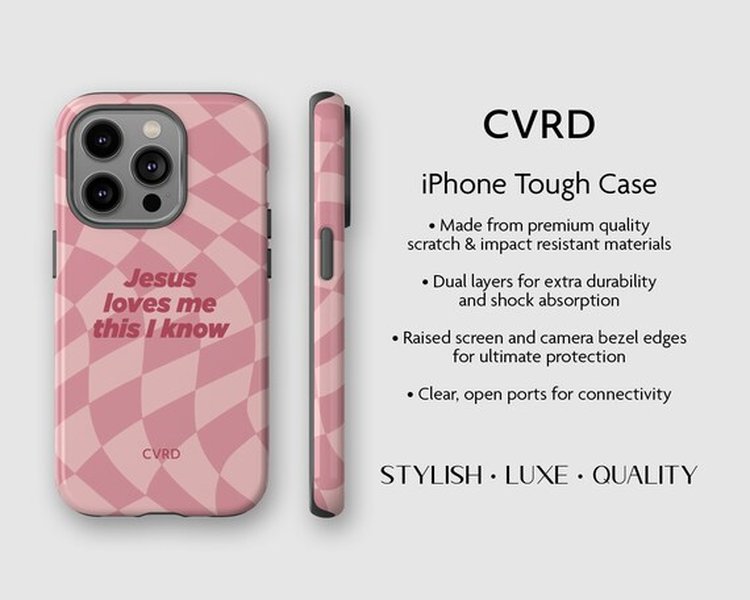
Example of a phone case appealing to a specific aesthetic niche.
Your 6-Month Business & Marketing Launch Plan
Roadmap to Selling 1000 Units
This integrated plan outlines key business and marketing activities month-by-month to help you build momentum and achieve your sales goal. It assumes a lean approach, leveraging reselling/dropshipping initially.
Month 1: Foundation, Research & Setup (Target: Establish Presence)
- Business Development:
- In-Depth Market Research: Deep dive into the aesthetic preferences, social media habits, and purchasing behaviors of Class A iPhone users. Analyze competitors (pricing, styles, marketing). Use tools like Google Trends, Instagram insights, and TikTok trends.
- Supplier Identification & Vetting: Research and identify reliable suppliers (e.g., via Alibaba, Printify, Spocket) offering high-quality, stylish cases for the latest iPhone models. Request samples to assess quality and suitability for premium branding. Check integration capabilities with e-commerce platforms.
- Brand Identity Development: Choose a brand name, design a logo, and define a visual style (colors, fonts) that evokes luxury and aligns with your target audience.
- Legal & Financial Setup: Formalize your business structure (e.g., sole proprietorship, LLC). Set up a business bank account. Create a basic financial projection and budget (estimate $500-$1500 startup for platform, samples, initial marketing).
- Platform Selection: Choose an e-commerce platform. Shopify is highly recommended for its scalability, app integrations (including POD/dropshipping), and user-friendliness. Start setting up the basic store structure.
- Marketing & Sales:
- Define Marketing Strategy: Outline your core marketing channels (focus on Instagram, TikTok), content pillars (aesthetics, lifestyle, unboxing), and initial messaging.
- Social Media Setup: Create branded profiles on Instagram and TikTok. Begin observing trends and relevant hashtags.
Month 2: Store Build, Sourcing & Initial Content (Target: Prepare for Launch)
- Business Development:
- E-commerce Store Development: Build out your Shopify (or chosen platform) store. Focus on a clean, premium design, mobile optimization, high-quality product photos (use supplier images initially or order samples for custom shots), and compelling descriptions emphasizing the experience.
- Supplier Integration / Initial Selection: Integrate chosen supplier(s) via dropshipping/POD apps or finalize your initial curated selection of 10-20 case designs.
- Packaging Design & Sourcing: Finalize your premium packaging design (box, tissue paper, thank you card, any special inserts). Source packaging materials and establish the fulfillment process (either handled by you, a fulfillment partner, or potentially the supplier if they offer custom options).
- Marketing & Sales:
- Content Creation Begins: Start creating high-quality visual content (photos, short videos) showcasing the cases and hinting at the premium packaging/unboxing experience.
- Pre-Launch Buzz (Optional): Tease the launch on social media, perhaps with a sign-up for early access or a launch discount.
- Influencer Research: Identify 10-20 micro-influencers (5k-50k followers) whose aesthetic and audience align perfectly with your brand.

Focus on sourcing cases with unique, fashionable designs.
Month 3: Launch & Initial Marketing Push (Target: 50-100 Sales)
- Business Development:
- Official Store Launch: Go live! Ensure everything is functioning smoothly (checkout, payments, order processing).
- Order Fulfillment Test: Place test orders to verify the entire process, including shipping times and packaging quality.
- Marketing & Sales:
- Launch Announcement: Announce the launch across social media channels.
- Social Media Marketing: Implement your content strategy consistently (3-5 posts/week on Instagram/TikTok). Utilize Stories and Reels. Focus on aesthetics, lifestyle integration, and the unboxing experience.
- Micro-Influencer Outreach: Begin reaching out to your researched list. Offer gifted products in exchange for honest reviews/posts.
- Initial Paid Ads: Start small, targeted ad campaigns on Instagram/Facebook targeting iPhone users with interests in fashion, luxury goods, and specific lifestyle markers relevant to 'Class A'. Budget ~$100-200.
- Engage & Interact: Actively respond to comments and messages. Build community.
Month 4: Scaling Marketing & Customer Focus (Target: 150-250 Cumulative Sales)
- Business Development:
- Monitor Sales & Analytics: Track website traffic (Google Analytics), conversion rates, best-selling products, and traffic sources.
- Gather Customer Feedback: Encourage reviews (via email follow-ups, social media). Use feedback to identify areas for improvement.
- Marketing & Sales:
- Scale Social Media: Increase posting frequency if needed. Run contests or giveaways to boost engagement and reach. Experiment with different content formats (e.g., TikTok trends, Reels tutorials).
- Optimize Paid Ads: Analyze initial ad performance. Refine targeting, creatives, and potentially increase budget (~$200-400) based on ROI. Explore retargeting ads.
- Influencer Collaboration: Follow up with initial influencers. Feature User-Generated Content (UGC) prominently (with permission).
- Customer Service Excellence: Ensure prompt, helpful customer service to reinforce the premium experience.
Month 5: Optimization & Expansion (Target: 400-600 Cumulative Sales)
- Business Development:
- Product Curation Refinement: Based on sales data, potentially phase out unpopular designs and introduce new ones aligned with trends or customer requests. Consider limited edition drops.
- Supplier Relationship Management: Maintain good communication with your supplier(s). Explore possibilities for better pricing or custom options as volume increases.
- Marketing & Sales:
- Email Marketing Implementation: Set up an email list capture (e.g., offer 10% off first order for signup). Start sending newsletters (new arrivals, style tips, promotions). Implement abandoned cart recovery emails.
- Expand Influencer Marketing: Potentially collaborate with slightly larger influencers or explore paid collaborations if budget allows and ROI is clear.
- Refine Ad Strategy: Continue optimizing ad spend based on performance data. Focus on highest-converting audiences and platforms.
- Build Social Proof: Actively showcase positive reviews and UGC on website and social media.
Month 6: Sales Push & Analysis (Target: 1000+ Cumulative Sales)
- Business Development:
- Inventory Check (if applicable): Ensure smooth fulfillment flow as sales volume increases.
- Performance Review Prep: Gather all data from the past 5 months for a comprehensive review.
- Marketing & Sales:
- Targeted Promotions: Run specific campaigns or promotions to hit the 1000-unit goal (e.g., limited-time bundle offer, free shipping weekend, end-of-season sale on specific styles).
- Increase Ad Spend (Strategically): Boost budget for top-performing ad sets to maximize reach during the final push.
- Loyalty & Retention: Engage existing customers via email or social media with exclusive offers to encourage repeat purchases. Consider implementing a simple loyalty program.
- Final Influencer Push: Coordinate final posts or promotions with collaborating influencers.
- Comprehensive Analysis: At month-end, analyze overall performance: total sales, revenue, profit, marketing ROI, customer feedback, what worked well, what didn't. Use insights to plan the next 6 months.
Visualizing Your Strategy: Focus Areas Over 6 Months
Shifting Priorities for Growth
This chart illustrates how the focus of your efforts might shift over the first six months. Early months emphasize setup and branding, while later months intensify marketing and sales activities, always maintaining a strong focus on customer experience.
Mapping Your Business Strategy
Core Components Overview
This mindmap outlines the key pillars of your phone case brand strategy, connecting your target audience, value proposition, product approach, marketing channels, and operational considerations to your overall goal.
(Dropship/POD focus)"] id3b["High-Quality Cases"] id3c["Focus on Latest iPhone Models"] id3d["Curated Selection"] id3e["Potential for Future
Own Designs"] id4["Marketing Channels"] id4a["Social Media Focus
(Instagram, TikTok)"] id4b["Influencer Marketing
(Micro-influencers)"] id4c["Targeted Paid Ads
(Social Media)"] id4d["Email Marketing"] id4e["Content Marketing
(Visuals, Lifestyle)"] id4f["Search Engine Optimization (SEO)
(Long-term)"] id5["Operations"] id5a["E-commerce Platform
(e.g., Shopify)"] id5b["Reliable Suppliers"] id5c["Packaging Fulfillment"] id5d["Customer Service"] id5e["Analytics & Tracking"] id6["Goal (6 Months)"] id6a["Sell 1000 Units"] id6b["Establish Brand Presence"] id6c["Build Initial Customer Base"] id6d["Achieve Profitability/Breakeven"]
Key Metrics & Milestones Summary
Tracking Your Progress Towards 1000 Sales
Consistent tracking is vital. This table summarizes key activities and indicative sales targets per phase. Remember these sales targets are benchmarks; focus on consistent effort and learning.
| Phase (Months) | Key Business Activities | Key Marketing Activities | Indicative Cumulative Sales Target | Key Metrics to Track |
|---|---|---|---|---|
| Months 1-2 (Foundation & Setup) | Market Research, Supplier Vetting, Brand Identity, Legal Setup, Platform Build, Packaging Design | Strategy Definition, Social Profile Setup, Content Creation Starts, Influencer Research | 0 (Pre-Launch) | Website Setup Completion, Supplier Samples Received, Packaging Sourced |
| Month 3 (Launch) | Store Launch, Fulfillment Test | Launch Announcement, Social Media Posting, Initial Influencer Outreach, Small Paid Ad Test | 50-100 | Website Traffic, Social Media Engagement, Initial Conversion Rate, Ad Click-Through Rate (CTR) |
| Month 4 (Acceleration) | Monitor Sales/Analytics, Gather Feedback | Scale Social Media, Optimize Ads, Feature UGC, Focus on Customer Service | 150-250 | Sales Volume, Conversion Rate, Customer Feedback Score, Ad ROI |
| Month 5 (Optimization) | Product Curation, Supplier Management | Email Marketing Launch, Expand Influencer Reach, Refine Ad Strategy, Build Social Proof | 400-600 | Email List Growth, Email Open/Click Rates, Average Order Value (AOV), Repeat Customer Rate (Initial) |
| Month 6 (Scaling & Goal Push) | Performance Review Prep | Targeted Promotions, Strategic Ad Spend Increase, Loyalty Initiatives, Final Influencer Push | 1000+ | Total Sales vs. Goal, Overall Profitability, Customer Acquisition Cost (CAC), Customer Lifetime Value (CLTV - initial estimate) |
Insights from Fellow Entrepreneurs
Learning About Print-on-Demand for Phone Cases
Starting with reselling or using Print-on-Demand (POD) services like Printify can significantly lower your initial investment and risk. This video provides insights into how a small business owner designs and sells phone cases using POD, which might offer valuable perspectives as you manage your reselling model and consider future growth paths, like potentially offering more unique or custom designs without holding inventory.
Frequently Asked Questions (FAQ)
Addressing Key Considerations
How do I find reliable suppliers for high-quality cases and premium packaging?
Start by researching platforms like Alibaba (for bulk, potentially customizable options), AliExpress (for smaller quantities, dropshipping), or specialized POD/dropshipping platforms like Printify, Printful, or Spocket which integrate with Shopify. Look for suppliers with high ratings, positive reviews, and clear communication. Crucially, always order samples to verify product quality, print quality (if applicable), and shipping times yourself before listing items. For packaging, you might need separate suppliers (e.g., Uline, Packlane, or local vendors) or look for fulfillment partners who offer custom packaging services.
What kind of budget should I realistically plan for in the first 6 months?
Using a reselling/dropshipping model significantly reduces upfront costs. Key expenses will be:
- E-commerce Platform Subscription: Shopify plans start around $30-$40/month.
- Domain Name: ~$15/year.
- Sample Orders: $50-$200 depending on how many suppliers/products you test.
- Packaging Materials (if self-fulfilling): $100-$300 initially, depending on quality and quantity.
- Marketing & Ads: This is variable, but plan for at least $100-$500/month in the initial scaling phase (Months 3-6), so $600 - $3000 total for the period. Start small and scale based on ROI.
A reasonable minimum starting budget might be $500-$1000, with flexibility to invest more in marketing as sales grow. Some sources suggest starting with as little as $500, but having closer to $1000-$2000 provides more cushion, especially for marketing.
How do I effectively market to 'Class A' girls on Instagram and TikTok?
Focus on high-quality, aesthetic visuals. Showcase the lifestyle associated with your brand, not just the product. Use Reels and TikTok trends creatively. Collaborate with micro-influencers who genuinely resonate with this demographic – authenticity is key. Run targeted ads focusing on interests like luxury brands, high-end fashion, specific lifestyle magazines, travel, etc., combined with iPhone user targeting. Engage authentically with your followers, respond to comments/DMs promptly, and create a community feel. Highlight the premium unboxing experience in your content.
What if I don't reach 1000 sales in 6 months?
1000 units is an ambitious but useful goal to drive action. If you don't hit it, don't get discouraged. The most important thing is to analyze why. Review your metrics: Where did traffic come from? What was the conversion rate? Which products sold best? What did customer feedback say? Were your marketing efforts reaching the right audience? Use this data to adjust your strategy. Perhaps your niche needs slight refinement, your pricing needs adjustment, your marketing messaging needs tweaking, or you need to try different ad creatives or influencer types. Building a sustainable business takes time; focus on learning, adapting, and consistent progress.
Recommended Next Steps
- Explore strategies for finding reliable dropshipping suppliers specializing in premium phone accessories.
- Discover effective Instagram and TikTok marketing tactics tailored for luxury fashion accessories targeting young women.
- Learn the best practices for designing memorable unboxing experiences that enhance perceived value in e-commerce.
- Find guidance on setting up and optimizing a Shopify store specifically for a niche brand targeting premium consumers.
References
 shopify.com
Last updated May 4, 2025