
Comprehensive Guide to Phytochemical Testing of Polyherbal Cosmetic Gels
Ensuring Quality and Efficacy Through Rigorous Phytochemical Analysis
Key Takeaways
- Essential Phytochemical Tests: Identifying key compounds like alkaloids, flavonoids, tannins, phenolics, saponins, and terpenoids is crucial for assessing the quality of polyherbal cosmetic gels.
- Reagent Preparation: Accurate preparation of 1ml reagent solutions is fundamental to obtaining reliable test results.
- Safety and Precision: Adhering to safety protocols and precise measurement techniques ensures the validity and safety of the phytochemical testing process.
Introduction to Phytochemical Testing
Phytochemical testing is a critical process in the development and quality assurance of polyherbal cosmetic gels. It involves the identification and quantification of various bioactive compounds present in the herbal extracts used. These compounds, such as alkaloids, flavonoids, tannins, phenolics, saponins, and terpenoids, contribute to the therapeutic and cosmetic properties of the gels.
Requirement Table for Phytochemical Testing
Comprehensive Requirement Table
| Phytochemical | Reagent(s) Required | Reagent Preparation (1ml) | Test Protocol |
|---|---|---|---|
| Alkaloids | Dragendorff’s Reagent |
|
Add 1ml of gel extract to 1ml Dragendorff’s reagent. Formation of orange-red precipitate indicates the presence of alkaloids. |
| Flavonoids | Sodium Hydroxide Solution (10%) |
|
Add 0.1ml of 10% NaOH to 1ml of gel extract. A yellow color that turns colorless upon addition of dilute acid indicates flavonoids. |
| Tannins | Ferric Chloride Solution (5%) |
|
Add 0.1ml of 5% FeCl3 to 1ml of gel extract. A blue-black or green-black color indicates the presence of tannins. |
| Saponins | Distilled Water | Use distilled water as is. | Shake 1ml of gel extract with 0.5ml of distilled water vigorously. Stable persistent froth indicates saponins. |
| Terpenoids | Chloroform and Concentrated Sulfuric Acid |
|
Extract 1ml of gel extract with 0.2ml chloroform, then carefully layer 0.1ml of concentrated H2SO4. A reddish-brown color at the interface indicates terpenoids. |
| Phenolic Compounds | Ferric Chloride Solution (5%) |
|
Add 0.1ml of 5% FeCl3 to 1ml of gel extract. A blue or green color indicates phenolic compounds. |
Preparation of Reagents
Detailed Reagent Preparation Steps
1. Dragendorff’s Reagent
Solution A: Dissolve 0.85g bismuth subnitrate in 10ml glacial acetic acid and 40ml distilled water.
Solution B: Dissolve 8g potassium iodide in 20ml distilled water.
Mix 1ml of Solution A with 1ml of Solution B and dilute to 10ml with distilled water. Use 0.1ml of this mixture for each test.
2. Sodium Hydroxide Solution (10%)
Dissolve 1g of NaOH in 10ml of distilled water to prepare a 10% solution. Use 0.1ml for each flavonoid test.
3. Ferric Chloride Solution (5%)
Dissolve 0.5g of FeCl3 in 10ml of distilled water to make a 5% solution. Use 0.1ml for each tannin and phenolic test.
4. Distilled Water
Use distilled water as is for saponin tests.
5. Chloroform and Concentrated Sulfuric Acid
Use chloroform and concentrated sulfuric acid as is. Measure 0.2ml chloroform and 0.1ml H2SO4 for each terpenoid test.
Phytochemical Screening Protocol
Step-by-Step Testing Procedure
1. Sample Preparation
Weigh 100mg of the polyherbal cosmetic gel and dissolve it in 1ml of the general extraction solvent (0.5ml distilled water + 0.5ml ethanol). Centrifuge the mixture and collect the supernatant for testing.
2. Qualitative Phytochemical Screening
a) Alkaloid Test
Add 1ml of gel extract to 1ml of Dragendorff’s reagent. Gently mix and observe the formation of an orange-red precipitate, indicating the presence of alkaloids.
b) Flavonoid Test
Add 0.1ml of 10% NaOH solution to 1ml of gel extract. A yellow color that turns colorless upon addition of dilute acid confirms the presence of flavonoids.
c) Tannin Test
Add 0.1ml of 5% ferric chloride solution to 1ml of gel extract. The appearance of a blue-black or green-black color indicates tannins.
d) Phenolic Compounds Test
Add 0.1ml of 5% ferric chloride solution to 1ml of gel extract. A blue or green color signifies the presence of phenolic compounds.
e) Saponin Test
Shake 1ml of gel extract with 0.5ml of distilled water vigorously. The formation of stable persistent froth confirms the presence of saponins.
f) Terpenoid Test
Extract 1ml of gel extract with 0.2ml chloroform, then carefully layer 0.1ml of concentrated H2SO4. A reddish-brown color at the interface indicates terpenoids.
3. Safety Precautions
Ensure the use of personal protective equipment, including gloves, goggles, and lab coats. Perform all tests in a well-ventilated area or under a fume hood. Handle all reagents, especially concentrated acids and chloroform, with care and follow proper waste disposal protocols.
4. Documentation and Validation
Record all observations meticulously, noting any color changes, precipitate formation, or frothing. For enhanced accuracy, conduct tests in triplicate and compare results with standard references. Validate the presence of phytochemicals using advanced techniques like High-Performance Thin-Layer Chromatography (HPTLC) or High-Performance Liquid Chromatography (HPLC) as confirmatory analyses.
Equipment and Materials Required
Essential Laboratory Equipment
- Polyherbal cosmetic gel sample
- Distilled water
- Ethanol (95%)
- Reagents as specified in the requirement table
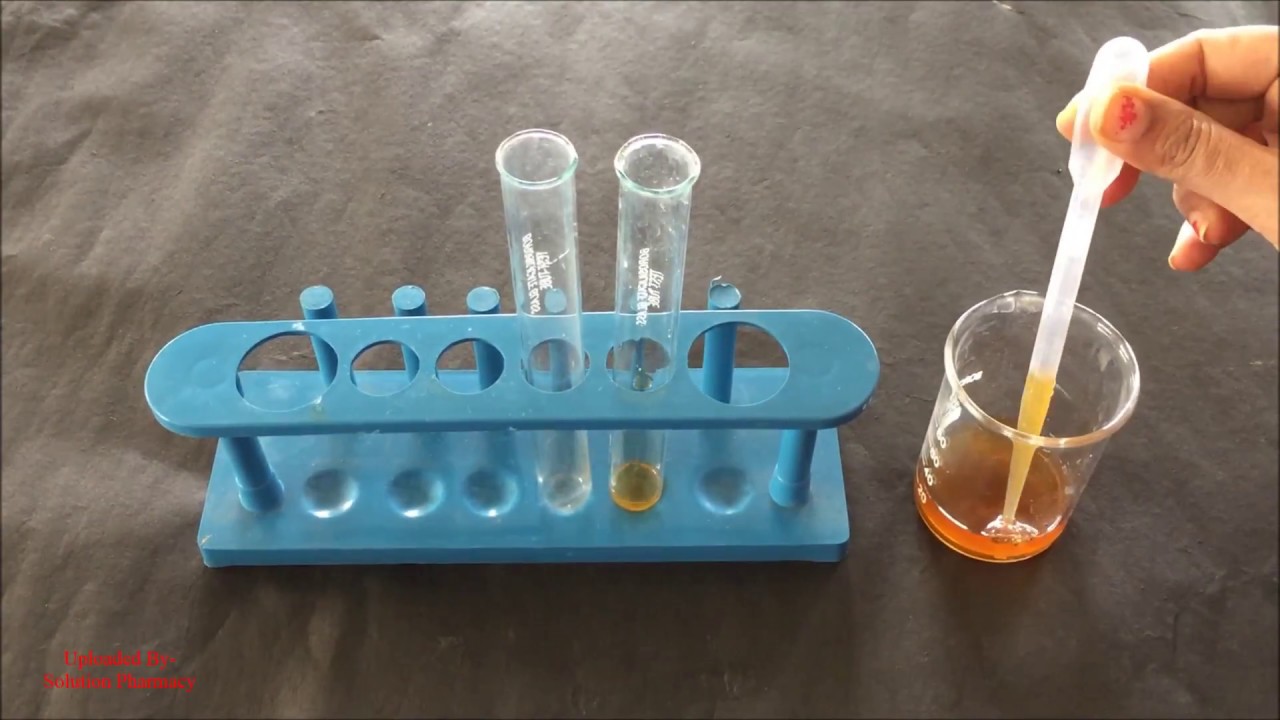
- Test tubes and rack
- Dropper and pipettes
- Beakers and flasks
- Centrifuge
- Safety equipment: gloves, lab coat, goggles
- Heating equipment (if required for certain tests)
Data Analysis and Interpretation
Interpreting Test Results
Following the execution of each phytochemical test, it's crucial to accurately interpret the results to determine the presence or absence of specific compounds. Document the observations systematically and compare them against known standards or reference colors.
1. Positive Identification
A positive test result is typically indicated by:
- Alkaloids: Orange-red precipitate
- Flavonoids: Yellow color changing to colorless
- Tannins: Blue-black or green-black color
- Phenolics: Blue or green color
- Saponins: Persistent froth
- Terpenoids: Reddish-brown color at the interface
2. Quantitative Analysis
While qualitative tests confirm the presence of phytochemicals, quantitative analysis determines their concentration within the gel. This can be achieved through titration methods or instrumental techniques such as HPLC.
3. Reporting Results
Create detailed reports that include:
-
Test performed
-
Reagents used
-
Observations and color changes
-
Presence or absence of each phytochemical
-
Quantitative data if available
Best Practices for Accurate Testing
Ensuring Reliability and Validity
1. Consistent Reagent Preparation
Ensure that all reagents are prepared accurately and consistently. Use calibrated measuring devices and adhere strictly to the preparation instructions to avoid variability in test results.
2. Controlled Environmental Conditions
Conduct tests under controlled temperature and humidity conditions to prevent external factors from affecting the reactions. Maintain a stable room temperature, typically around 25°C.
3. Use of Standards and Controls
Incorporate positive and negative controls in each test batch. Standards help in comparing the intensity of color changes and precipitate formation, enhancing the accuracy of qualitative assessments.
4. Triple Replicates
Perform each test in triplicate to ensure reproducibility and reliability of the results. Averaging the results can help mitigate any anomalies or errors in individual tests.
5. Proper Documentation
Maintain comprehensive records of all tests conducted, including dates, reagent batches, sample preparations, and observations. Detailed documentation facilitates troubleshooting and future reference.
Conclusion
Phytochemical testing is an indispensable component in the formulation and quality assurance of polyherbal cosmetic gels. By meticulously preparing reagents, adhering to standardized protocols, and practicing stringent safety measures, manufacturers can ensure the efficacy and safety of their products. Comprehensive phytochemical analysis not only validates the presence of beneficial compounds but also aids in the optimization of formulations for enhanced therapeutic and cosmetic benefits.
References
For further reading and detailed protocols, please refer to the following sources:
Last updated February 12, 2025