
Character and Structure of Pila
An In-Depth Analysis of the Apple Snail's Adaptations and Anatomy
Key Highlights
- Adaptive Respiration: Possesses a dual respiratory system with both gills and a pulmonary sac allowing survival in water and on land.
- Robust Shell Formation: A well-structured, spirally coiled shell with distinct layers and an operculum that offers protection.
- Distinct Anatomical Divisions: Clearly divided into head, visceral mass, and foot with specialized organs for locomotion, feeding, and sensory perception.
Overview of Pila
Pila, commonly known as the apple snail, is a genus of freshwater gastropod molluscs under the family Ampullariidae. Renowned for its amphibious lifestyle, Pila thrives in varied environments that include ponds, lakes, marshes, and even selected brackish water habitats. This versatility is owing to its unique anatomical features and adaptive strategies that allow it to withstand fluctuating water conditions, periods of drought, and even terrestrial activities.
General Characteristics
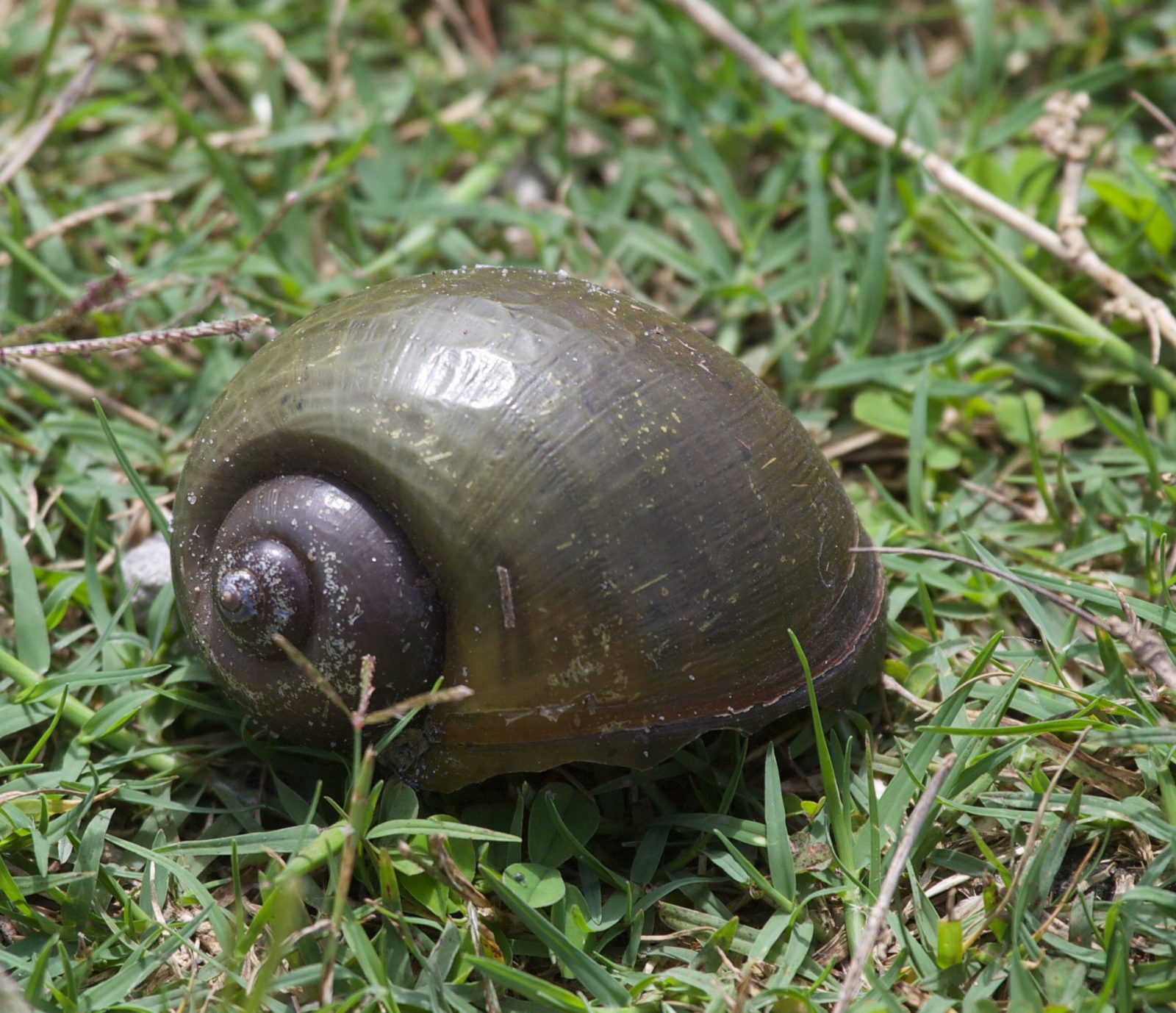
Pila stands out among freshwater snails due to its remarkable adaptations. Its soft, unsegmented body is encapsulated within a coiled shell that not only serves as a protective barrier but also aids in structural support. Characteristically globose in shape, the body of Pila is divided into three key segments: the head, the visceral mass, and the foot. Each of these segments plays a critical role in the organism’s overall functionality and survival.
Habitat and Lifestyle
Found in freshwater ecosystems across Asia and Africa, Pila is highly adaptable. They are commonly encountered in water bodies abundant with aquatic vegetation, which serves as their primary source of nutrition. In addition to diversified feeding habits, these snails exhibit an amphibious lifestyle; they can both respire underwater through gills and breathe atmospheric air via a pulmonary sac. This dual mode of respiration allows them to venture onto land, particularly during periods of drought or when the water recedes.
Shell Structure
One of the most distinguishing features of Pila is its intricately designed shell. The shell is spirally coiled along a vertical axis, a trait that is not only visually appealing but also functionally significant. It is composed of multiple layers, each contributing to its durability and protective capabilities.
Composition and Layers
The shell’s architecture consists of three primary layers:
- Periostracum: The outermost pigmented layer, formed by a horny organic substance called conchiolin, which acts as the first line of defense against environmental wear and tear.
- Prismatic Layer: Positioned beneath the periostracum, this layer is composed of crystalline calcareous plates that are arranged vertically, imparting strength and rigidity to the shell.
- Nacreous Layer: The innermost layer made of calcareous plates oriented longitudinally, contributing to the shell’s inner support and resilience.
Apart from these layers, the shell is also marked by growth lines, often visible as ridges or varices, that indicate the snail’s age and periods of growth. The specific coloration of the shell can vary from yellowish tones to deeper hues such as brown or black.
Operculum
An essential component of Pila’s defense mechanism is the operculum—an anatomical “door” that seals the shell’s aperture when the snail retracts its body. This calcareous structure, featuring concentric growth lines, ensures protection from predators as well as from desiccation, particularly during periods when the snail is exposed to air.
Anatomical Structure
The anatomy of Pila is a prime example of structural specialization among gastropods. By compartmentalizing its body into functionally distinct regions, Pila optimizes each region for particular roles, from feeding to respiration and locomotion.
Body Segmentation
The body of the apple snail comprises three main parts:
- Head: The head is the sensory and initial processing center. It houses two pairs of tentacles and one pair of eyes. The longer pair of tentacles is primarily used for sensory perception, helping the snail detect environmental cues, while the shorter pair assists in assessing food items. Located on the ventral side is the slit-like mouth, commonly referred to as the aperture, through which the snail intakes food.
- Visceral Mass: Serving as the core of the snail, the visceral mass contains the majority of the internal organs. This includes critical systems such as the digestive, respiratory, and reproductive systems. The mass is enveloped by the mantle, a structure that also plays a significant role in secreting calcium carbonate needed for shell formation.
- Foot: The foot is a broad, flat, and muscular structure located on the ventral side, which facilitates locomotion. Adapted to serve both in aquatic environments and on land, the foot is nearly triangular in shape and is attached to the operculum. Its muscular nature aids in propelling the snail across various surfaces, while also producing mucus to assist with smooth movement.
Internal Organ Systems
Digestive System
The digestive system of Pila is designed to efficiently process a herbivorous diet primarily consisting of aquatic vegetation. The alimentary canal is notably coiled, commencing at the mouth and terminating at the anus. Integral to this system are the buccal glands, located in the roof of the buccal cavity, which function as accessory digestive glands, enhancing the process of breaking down food. The stomach, typically U-shaped and pink in color, is strategically placed on the left side of the organism, facilitating effective digestion.
Respiratory System
A hallmark of Pila’s adaptability is its dual respiratory system. This species exhibits a double mode of respiration:
- Aquatic Respiration: Utilizes gills, known as ctenidium, which extract oxygen from water. These gills are generally monotonic and are located within the mantle cavity.
- Aerial Respiration: Possesses a pulmonary sac that allows the snail to breathe atmospheric air when the water is scarce. This facility is especially beneficial during periods of drought and when the snail is active on land.
Circulatory and Excretory Systems
The circulatory system comprises a heart enclosed within a pericardium, which is responsible for pumping hemolymph throughout the body. This system is relatively simple compared with that of vertebrates but is efficient in supplying nutrients and oxygen to the snail’s tissues.
The excretory system is comprised of specialized renal organs, which help maintain ionic balance and remove metabolic wastes. These organs ensure that the snail maintains homeostasis even in fluctuating environmental conditions.
Nervous and Sensory Systems
The nervous system of Pila, while relatively basic, is highly effective. Most of the neural ganglia are concentrated at the buccal mass, forming an intricate network that processes sensory information and controls motor functions. Notably, the visceral loop in the nervous system is twisted, a phenomenon known as torsion, which is characteristic of many gastropods.
Additionally, Pila possesses an osphradium—a chemosensory organ that is crucial in detecting chemical stimuli in the surrounding water. The osphradium enables the snail to assess the quality of its aquatic environment and locate nutrient-rich areas.
Reproductive System and Lifecycle
Pila is dioecious, meaning individuals are distinctly male or female. Fertilization occurs internally, and following successful copulation, females lay eggs in clusters. These eggs are usually deposited on submerged surfaces where they are relatively protected from predation and environmental fluctuations. This reproductive strategy enhances the survival prospects of the young, ensuring the persistence of the species across varying habitats.
Detailed Comparative Table of Anatomical Features
| Feature | Description | Functional Significance |
|---|---|---|
| Shell |
|
Provides protection, structural support, and facilitates moisture retention during terrestrial exposure. |
| Head |
|
Sensory processing, food detection, and environmental interaction. |
| Foot |
|
Facilitates locomotion on various surfaces and adhesion during movement. |
| Visceral Mass & Mantle |
|
Integral in physiological processes, contributing to both digestion and shell formation. |
| Respiratory Organs |
|
Enables adaptation to both aquatic and terrestrial environments. |
Ecological and Evolutionary Significance
The complex anatomical design of Pila does not merely serve individual survival but also has significant ecological implications. By serving as a herbivore in freshwater ecosystems, Pila plays a crucial role in controlling the growth of aquatic vegetation. This, in turn, influences the overall dynamics of the ecosystem, impacting water quality and habitat complexity for other organisms. Their dual respiratory system allows them to inhabit environments prone to fluctuations in water levels, thereby making them resilient to seasonal variations and droughts.
Evolutionarily, the traits seen in Pila such as torsion in the nervous system and the intricate shell structure are results of long-term adaptations that have enhanced its survival in diverse and often challenging environmental contexts. The adaptive significance of the operculum, for instance, lies in its ability to mitigate water loss and fend off predators, ensuring the snail’s continued viability in both submerged and terrestrial conditions.
Defense Mechanisms
Beyond its physical barriers, Pila has developed several behavioral mechanisms to evade predation. When threatened, the snail can rapidly withdraw into its shell and seal the aperture with the operculum. Additionally, the thick mucus produced by the foot not only facilitates movement but also acts as a deterrent against parasitic infections and some predators. These evolved defensive traits underscore the intricate relationship between the snail and its environment, highlighting a balance between offensive and defensive adaptations that ensures longevity.
Feeding Behavior and Diet
As an herbivorous organism, Pila relies on a diet primarily composed of aquatic plants. This feeding behavior aids in controlling the proliferation of certain aquatic vegetation. The specialized mouthparts, including the ventral slit-like aperture, allow for the effective consumption of plant material. Furthermore, the presence of accessory digestive glands in the buccal cavity optimizes the breakdown and assimilation of plant matter, demonstrating a high level of functional adaptation in its digestive system.
Conclusion
In summary, the character and structure of Pila exemplify a remarkable blend of evolutionary sophistication and ecological adaptability. The apple snail’s anatomical divisions—the head, visceral mass, and foot—collectively house a suite of specialized organs designed for effective respiration, feeding, locomotion, defense, and reproduction. Its dual respiratory mechanism, combining aquatic gills and an aerial pulmonary sac, enables it to inhabit a wide range of environments, while its robust, multi-layered shell armed with an operculum provides critical protection against predators and environmental stressors.
This comprehensive configuration not only supports its survival in fluctuating ecological niches but also plays an influential role in the broader ecosystem by managing vegetation and providing an important link in the aquatic food web. By studying Pila, scientists gain insights into the complex interactions between organismal structure, environmental adaptation, and evolutionary pressures that shape life in freshwater habitats.
References
- Pila (Gastropod) - Wikipedia
- Pila - BYJU'S Biology
- Pila Classification and Structure - GeeksforGeeks
- Pila Globosa Diagram - BYJU'S Biology
-
Pila Globosa Diagram - Testbook
- Pila Habitat, Sense Organs, and Development - Biology Discussion
Recommended Further Queries
 nutanrathod.blogspot.com
Last updated February 25, 2025