
Navigating the Heights: A Deep Dive into Pilot Training Difficulty
Understanding the challenges and perceived difficulty of each step on your journey to the cockpit.
Embarking on a career as a pilot is a thrilling and rewarding endeavor, but it comes with a series of demanding training stages. Each license and rating presents unique challenges, requiring dedication, sharp skills, and perseverance. Having completed your PPL in the UK and conquered the ATPL theory exams, you're well on your way. This guide breaks down the perceived difficulty of your upcoming CPL, ME, IR, APS MCC, and potential 737 Type Rating, along with the Flight Instructor rating for comparison.
Key Insights: What to Expect
- Progressive Complexity: Each stage of pilot training builds upon the last, introducing more advanced concepts, higher performance standards, and greater responsibility. Expect a steady increase in challenge.
- Shift in Focus: Early training emphasizes foundational stick-and-rudder skills and VFR navigation, while later stages like IR, APS MCC, and Type Ratings demand precise procedural flying, instrument mastery, and effective multi-crew coordination.
- Theoretical vs. Practical Demands: While ATPL exams test a vast theoretical knowledge base, practical flight training and simulator sessions (especially for CPL, IR, and Type Ratings) test your ability to apply this knowledge under pressure and in real-time scenarios.
Deconstructing the Difficulty: Stage by Stage
Let's explore each phase of your pilot training, assessing its perceived difficulty and the reasons behind it. The scores provided are on a scale of 1 to 10, where 10 represents the highest difficulty, synthesized from various pilot experiences and training insights.
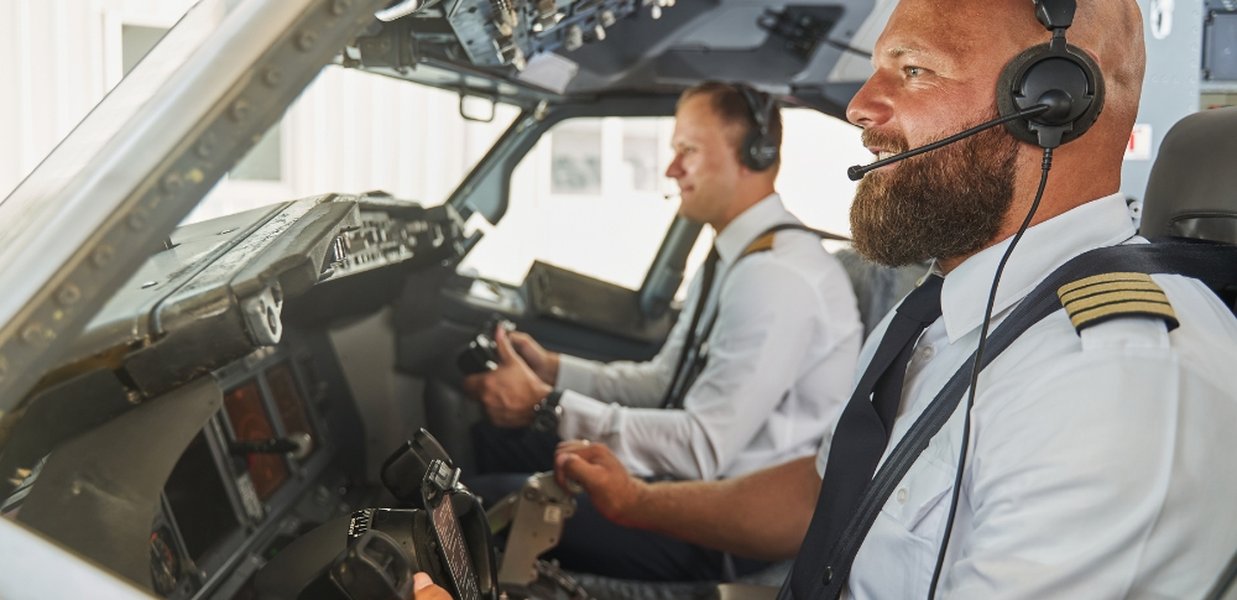
Pilot training involves both hands-on flight experience and rigorous study.
1. Private Pilot License (PPL) - Completed
Perceived Difficulty: 5.5/10
The PPL is your gateway into the world of aviation. It introduces the fundamentals of flight, aircraft control, basic navigation, and essential safety procedures. While foundational, it's the first time you take command of an aircraft, which can be a steep learning curve.
Why it's challenging:
- Initial Discomfort & Skill Acquisition: Mastering basic maneuvers like takeoffs, landings (often cited as particularly tricky for beginners due to "ground rush"), and stalls requires significant practice. Developing the "feel" for the aircraft takes time.
- Multitasking: Simultaneously managing aircraft control, navigation, radio communications, and situational awareness is a new experience.
- Solo Flight Milestone: The first solo flight is a major psychological hurdle, demanding confidence and the ability to handle the aircraft independently.
- Theoretical Grounding: Understanding weather, airspace regulations, and basic aerodynamics is crucial and forms a significant part of the initial learning.
2. ATPL Theory Examinations - Completed
Perceived Difficulty: 8/10
The Airline Transport Pilot License (ATPL) theoretical examinations are a formidable academic challenge. You've already navigated this hurdle with Bristol Groundschool, which means you've covered an extensive range of subjects in great depth.
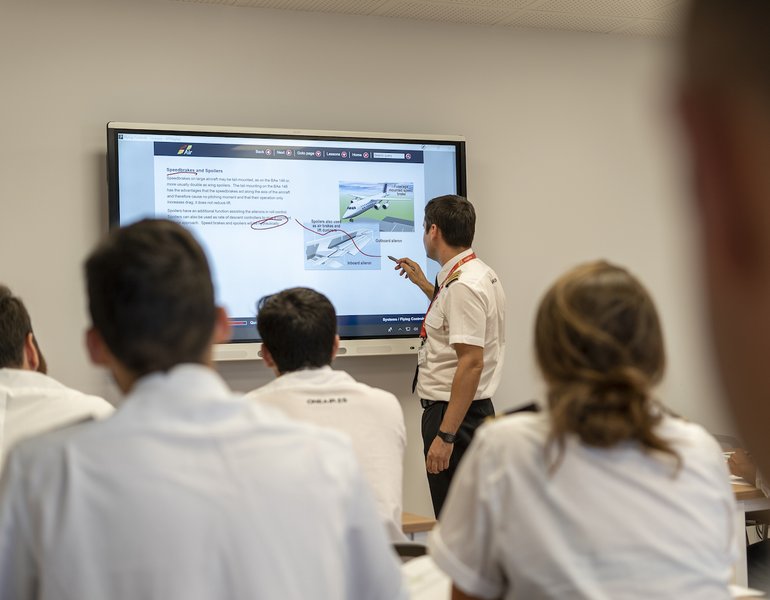
ATPL theory involves intensive classroom study covering numerous aviation subjects.
Why it's challenging:
- Vast Syllabus: The sheer volume of information across subjects like Air Law, Aircraft General Knowledge (Systems, Electrics, Powerplant, Instrumentation), Flight Performance and Planning, Human Performance, Meteorology, Navigation (General and Radio), Operational Procedures, and Principles of Flight is immense.
- Depth of Knowledge: A detailed understanding, not just rote memorization, is required to pass the multiple exams.
- Mental Stamina: The study period is long and intensive, demanding significant dedication and effective study techniques to retain and apply complex concepts.
3. Commercial Pilot License (CPL)
Perceived Difficulty: 8/10
The CPL elevates your flying skills to a professional standard. It demands greater precision, consistency, and a deeper understanding of aircraft operations, often under more demanding conditions than PPL training. This stage focuses on operating an aircraft for remuneration.
Why it's challenging:
- Higher Proficiency Standards: Maneuvers must be flown to tighter tolerances. The overall standard of airmanship, decision-making, and flight management is significantly higher.
- Complex Maneuvers: Introduction to more advanced maneuvers, with the power-off 180-degree accuracy landing (PO180) often cited as a particularly difficult part of the CPL checkride and a common point of failure.
- Cross-Country Demands: Longer and more complex cross-country flights, requiring meticulous planning and execution.
- Professional Conduct: Emphasis on acting as a professional pilot, including formal radio telephony and adherence to commercial operational procedures. The CPL skill test is known for its stringent evaluation.
4. Multi-Engine (ME) Rating
Perceived Difficulty: 7/10
The Multi-Engine rating qualifies you to fly aircraft with more than one engine. This involves learning to manage the increased complexity and performance of these aircraft, particularly during engine-out scenarios.
Why it's challenging:
- Asymmetric Flight: The core challenge is mastering flight with one engine inoperative (asymmetric thrust), understanding its effects on aircraft control and performance, and executing appropriate emergency procedures.
- More Complex Systems: Multi-engine aircraft typically have more sophisticated systems (e.g., retractable landing gear, variable-pitch propellers, more complex fuel systems) requiring thorough understanding.
- Increased Speeds and Workload: These aircraft are generally faster, leading to a quicker pace of operations and a higher workload in the cockpit.
5. Instrument Rating (IR)
Perceived Difficulty: 7.5/10
The Instrument Rating is a significant step, teaching you to fly solely by reference to cockpit instruments, without external visual cues. This is essential for flying in cloud or poor visibility (Instrument Meteorological Conditions - IMC).
Why it's challenging:
- Fundamental Shift in Flying: It's a completely different way of flying compared to Visual Flight Rules (VFR). Trusting instruments over natural senses can be initially counterintuitive.
- Procedural Intensity: IFR flight is highly procedural, involving complex departure, en-route, arrival, and approach procedures. Precision in navigation and aircraft control is paramount.
- High Mental Workload: Managing instrument scans, navigation systems, air traffic control communications, and aircraft configuration simultaneously demands intense concentration and mental organization.
- Understanding IFR Environment: Requires a deep understanding of IFR regulations, approach plates, and ATC clearances. Many pilots find it very rewarding once mastered.
Visualizing Training Demands: A Comparative Overview
To better understand how these training stages compare across various aspects of difficulty, the following radar chart illustrates their demands in five key areas: Cognitive Load, Practical Skill Demand, Procedural Complexity, Stress & Pressure, and Adaptability. Each axis is scaled from 1 to 10, with higher values indicating greater demand. This chart is based on synthesized perceptions and aims to highlight the nuanced challenges of each phase.
6. APS MCC (Airline Pilot Standards Multi-Crew Cooperation)
Perceived Difficulty: 7.5/10
The Airline Pilot Standards Multi-Crew Cooperation course is designed to bridge the gap between single-pilot operations and the complex environment of a commercial airline cockpit. Your APS MCC at AFA in Dublin will focus on teamwork, communication, and adherence to Standard Operating Procedures (SOPs) in a simulated airline environment, often on a jet simulator like a B737.
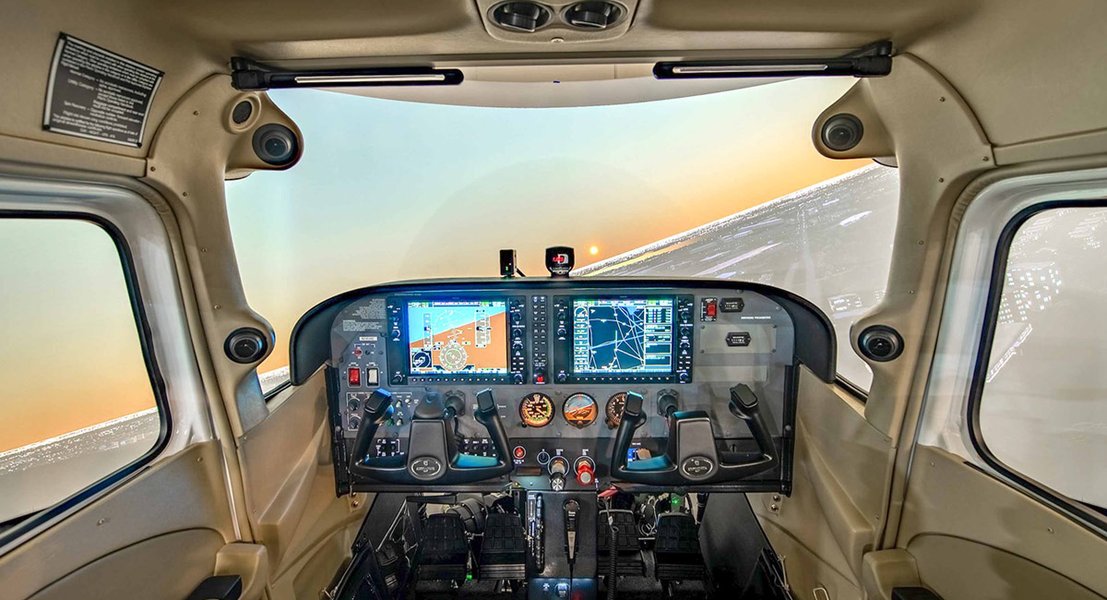
APS MCC training often utilizes advanced flight simulators to replicate multi-crew airline operations.
Why it's challenging:
- Shift to Multi-Crew Mindset: Transitioning from sole command to effectively working as part of a team. This involves clear communication, task sharing, mutual supervision, and assertiveness.
- Crew Resource Management (CRM): Mastering CRM principles, including threat and error management (TEM), decision-making, leadership, and followership within the cockpit.
- Adherence to SOPs: Airlines operate with strict SOPs. Learning and consistently applying these procedures for normal, abnormal, and emergency situations is critical.
- Simulator Intensity: The training is often conducted in high-fidelity simulators, presenting complex scenarios that require effective crew coordination under pressure. It's less about raw stick-and-rudder skills and more about procedural discipline and teamwork.
7. Boeing 737 Type Rating
Perceived Difficulty: 9/10
A Type Rating, such as for the Boeing 737 at Ryanair's East Midlands Training Centre, is specific training required to operate a particular type of aircraft. This is an intensive and highly demanding phase, focusing on mastering all aspects of the aircraft.
Why it's challenging:
- Systems Knowledge Depth: Modern commercial jets like the B737 have incredibly complex systems (hydraulics, electrics, pneumatics, avionics, FMS). A thorough understanding is required.
- High-Fidelity Simulation: Training predominantly occurs in full-flight simulators, replicating normal operations, complex malfunctions, and emergency scenarios with high realism.
- Procedural Rigor: Strict adherence to the aircraft's operating manual, checklists, and airline-specific SOPs is non-negotiable.
- Performance Standards: The required standard of performance is exceptionally high, with checkrides being very thorough and stressful.
- Workload and Pressure: Managing a complex jet aircraft, often in challenging simulated conditions, creates a very high workload and significant pressure to perform.
This video discusses common challenges encountered during flight training, offering valuable perspectives for student pilots. Understanding these potential hurdles can help in mentally preparing for the rigorous journey ahead.
8. Flight Instructor (FI) Rating (For Comparison)
Perceived Difficulty: 8/10
Though not on your current path, the Flight Instructor rating is a common goal for many pilots seeking to build hours and share their passion. It requires not only excellent piloting skills but also the ability to effectively teach and communicate aviation knowledge.
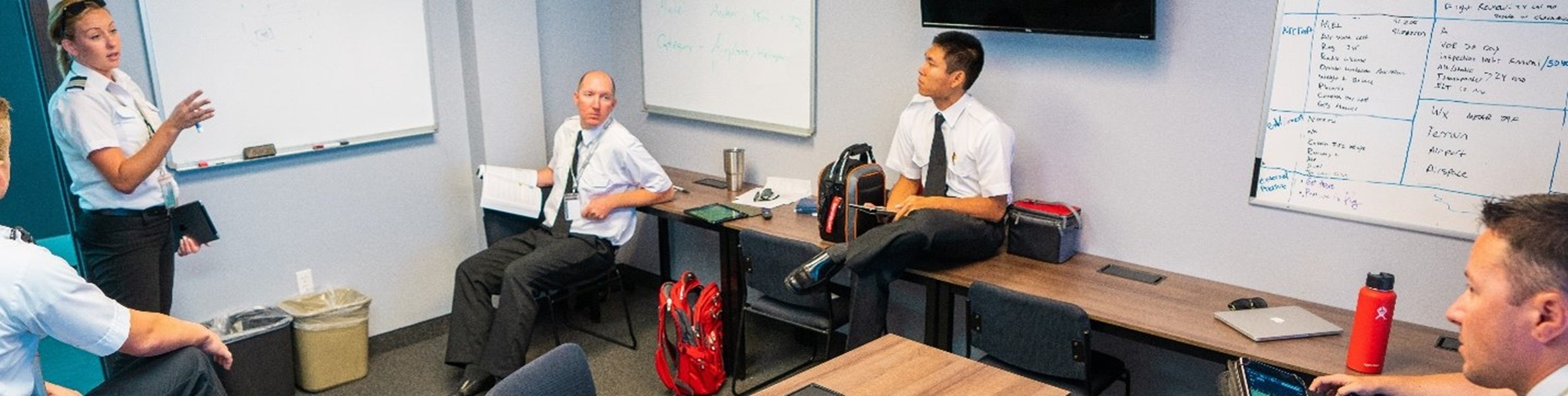
Becoming a Flight Instructor involves mastering teaching techniques alongside piloting skills.
Why it's challenging:
- Teaching and Communication Skills: The ability to explain complex concepts clearly, adapt teaching methods to different learning styles, and provide constructive feedback is crucial.
- Flying from the Right Seat: Demonstrating maneuvers and operating the aircraft from the instructor's seat requires a different perspective and skill set.
- Responsibility and Safety: Ensuring the safety of the student and aircraft while allowing the student to learn from mistakes is a constant balancing act.
- Thorough Knowledge: Instructors must have an encyclopedic knowledge of flight maneuvers, regulations, and teaching principles.
- Patience and Empathy: Dealing with students' frustrations, fears, and learning plateaus requires significant patience.
Mapping Your Journey: Key Challenges at Each Stage
The mindmap below provides a visual representation of your pilot training progression, highlighting the core focus and typical challenges associated with each license and rating. This can help you conceptualize the distinct hurdles and skill sets required at every step of your aviation career development.
Perceived Difficulty & Challenges"] PPL["PPL (5.5/10)
Foundational Skills"] PPL1["Basic Maneuvers"] PPL2["Navigation & Radio"] PPL3["First Solo Flight"] PPL4["Initial Discomfort"] ATPL["ATPL Theory (8/10)
Academic Rigor"] ATPL1["Vast Syllabus"] ATPL2["Depth of Knowledge"] ATPL3["Multiple Exams"] ATPL4["Mental Stamina"] CPL["CPL (8/10)
Professional Standards"] CPL1["Higher Proficiency"] CPL2["Complex Maneuvers (e.g., PO180)"] CPL3["Professional Conduct"] CPL4["Stringent Checkride"] ME["ME Rating (7/10)
Multi-Engine Ops"] ME1["Asymmetric Thrust"] ME2["Complex Systems"] ME3["Increased Speeds"] IR["IR (7.5/10)
Instrument Flying"] IR1["Flying by Instruments"] IR2["Procedural Intensity"] IR3["High Mental Workload"] IR4["IFR Environment"] APSMCC["APS MCC (7.5/10)
Multi-Crew Coordination"] APSMCC1["Teamwork & Communication"] APSMCC2["CRM & TEM"] APSMCC3["SOP Adherence"] APSMCC4["Simulator Intensity"] TR737["737 Type Rating (9/10)
Aircraft Mastery"] TR737_1["Complex Systems (B737)"] TR737_2["High-Fidelity Simulation"] TR737_3["Procedural Rigor"] TR737_4["High Workload & Pressure"] FI["FI Rating (8/10)
Teaching & Mentorship"] FI1["Instructional Skills"] FI2["Flying from Right Seat"] FI3["Responsibility & Safety"] FI4["In-depth Knowledge"]
Summary of Difficulty Ratings
For a quick comparison, the table below summarizes the perceived difficulty scores for each training stage discussed. These scores reflect a blend of technical skill, theoretical knowledge, mental workload, and the pressure involved.
| Training Stage | Perceived Difficulty (out of 10) | Key Challenges |
|---|---|---|
| Private Pilot License (PPL) | 5.5 | Foundational skills, first solo, basic navigation & communication. |
| ATPL Theory Examinations | 8.0 | Vast syllabus, depth of knowledge required, numerous subjects, high pass marks. |
| Commercial Pilot License (CPL) | 8.0 | Higher precision, advanced maneuvers, professional airmanship, stricter checkride. |
| Multi-Engine (ME) Rating | 7.0 | Asymmetric thrust, engine failure procedures, more complex systems, faster aircraft. |
| Instrument Rating (IR) | 7.5 | Flying solely by instruments, procedural nature, high mental workload, ATC in IFR. |
| APS MCC | 7.5 | Multi-crew cooperation, CRM, SOP adherence, teamwork, communication in simulated airline environment. |
| Boeing 737 Type Rating | 9.0 | Mastery of complex aircraft systems, high-fidelity simulator training, emergency procedures, high standards. |
| Flight Instructor (FI) Rating | 8.0 | Teaching skills, communication, diagnosing student errors, flying from right seat, responsibility. |
Frequently Asked Questions (FAQ)
What is generally considered the hardest single part of pilot training? ▼
This is subjective, but many pilots find the ATPL theory exams extremely challenging due to the sheer volume of information. For practical flying, the Instrument Rating (IR) is often cited for its steep initial learning curve and the mental shift required. Advanced Type Ratings on complex jet aircraft are also considered very demanding due to the depth of systems knowledge and high-pressure simulator checks.
How much does individual aptitude affect perceived training difficulty? ▼
Individual aptitude plays a significant role. Some individuals may naturally excel at spatial reasoning and motor skills, making practical flying easier, while others might have a strong aptitude for theoretical study. However, perseverance, dedication, quality of instruction, and consistent effort are equally, if not more, important than natural talent. Most challenges can be overcome with hard work.
Is it common to fail checkrides or repeat parts of training? ▼
Yes, it's not uncommon for student pilots to fail a checkride or need extra training on certain maneuvers or concepts. Checkrides are designed to be rigorous tests of skill and knowledge. A failure is often a learning opportunity to identify weaknesses and improve. The key is to not get discouraged, learn from the experience, and work with your instructor to address any shortcomings.
What are the key differences in difficulty between PPL and CPL? ▼
The PPL focuses on fundamental flying skills and safety for private operations. The CPL builds on this foundation but demands a much higher level of precision, consistency, and professionalism. CPL maneuvers have tighter tolerances, flight planning is more complex, and the overall expectation is that of a pilot who can be paid for their services. The CPL checkride is generally more demanding, with a stronger emphasis on decision-making and handling of abnormal situations to a commercial standard.
Recommended Further Exploration
To delve deeper into specific aspects of pilot training, consider exploring these related topics:
- What are the most common reasons student pilots struggle with the Instrument Rating?
- How can I best prepare for a Boeing 737 type rating course?
- Compare the demands of APS MCC versus standard MCC courses for airline preparation.
- What study techniques are most effective for passing ATPL theory examinations?
References
The information and insights presented are synthesized from various aviation training resources, including discussions among pilots and official training outlines. For further reading, consider these sources:
Last updated May 11, 2025