
Camping in the Middle of a Dense Pine Forest
Experience nature’s tranquility, adventure, and timeless beauty beneath towering pines
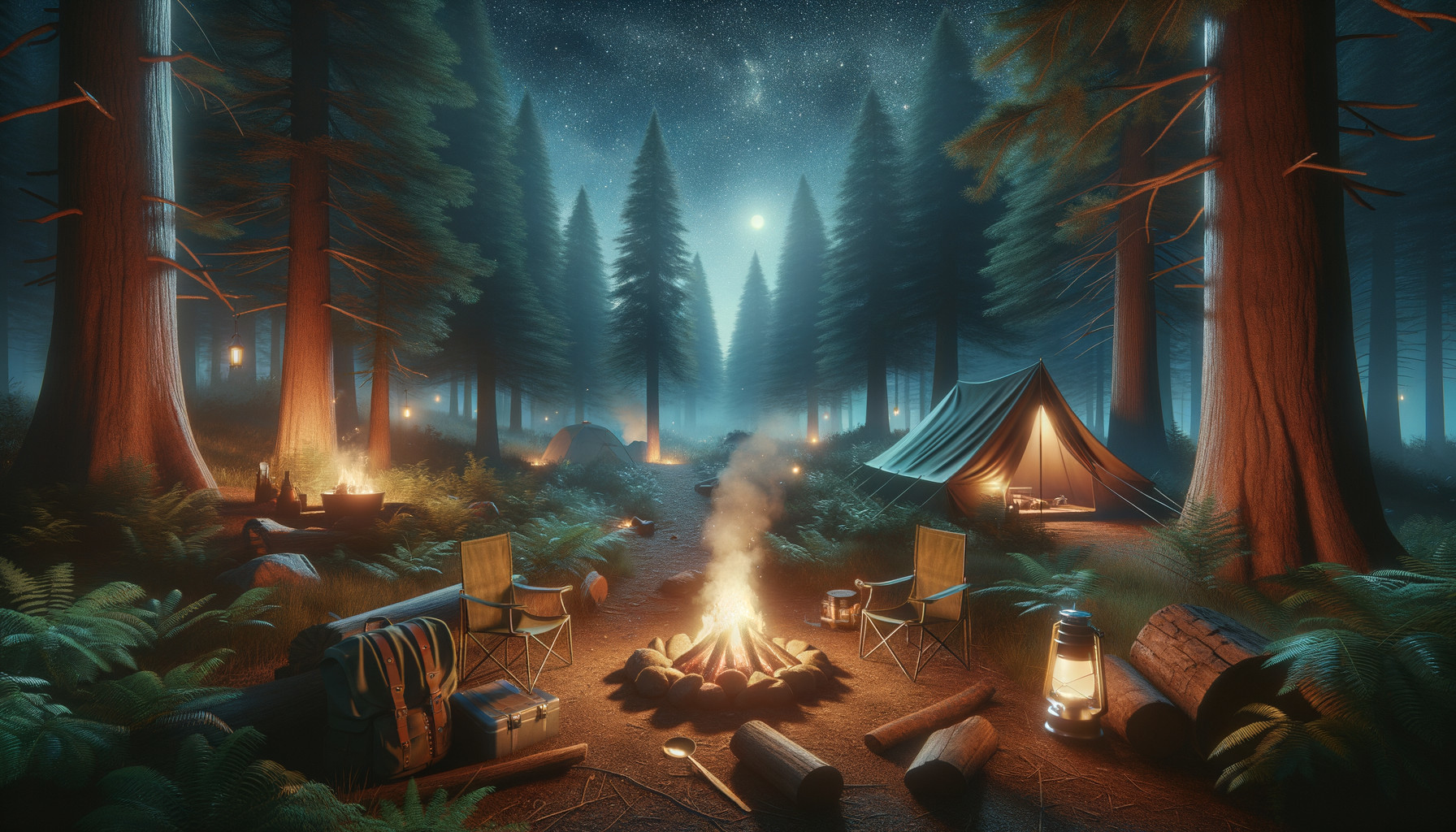
Highlights
- Immersive Natural Setting: Discover the unmatched serenity of dense pine forests.
- Essential Tips and Safety: Learn about campsite selection, gear, and wildlife precautions for a safe camping experience.
- Activities and Environmental Respect: Explore a variety of outdoor pursuits while adhering to leave-no-trace principles.
Discovering the Dense Pine Forest
A Unique Escape into Nature
Camping in a dense pine forest is an invitation to immerse yourself in nature’s pristine beauty. Surrounded by towering pines, the experience offers an unusual blend of tranquility, adventure, and a deep connection to the environment. Whether nestled in the rugged wilderness of Idaho’s national forests or the exotic pines in regions abroad like Vietnam, these environments evoke a profound sense of calm. The continuous rustling of pine needles, the distinct aroma of evergreens, and the soft, filtered light that permeates the canopy together create a distinctly serene atmosphere that invites camping enthusiasts to step away from urban buzz and embrace the raw, rejuvenating power of nature.
Selecting Your Ideal Campsite
Location and Accessibility
The first step in planning your camping trip is selecting the right location. Many national forests and established campgrounds offer designated sites that are particularly appealing because they provide a balance between natural immersion and essential amenities. Campgrounds such as the Yellow Pine Campground in Idaho and similar sites cater to both seasoned and novice campers, ensuring accessibility by regular vehicles despite some narrow or rugged roads. Accessibility goes hand in hand with environmental care. Camp sites are often placed well away from delicate ecosystems, especially near water sources, where maintaining a minimum distance (usually around 100 feet) protects aquatic life and reduces flood risks.
Amenities and Safety Considerations
When choosing a campsite nestled within a dense pine forest, always look for those that offer basic amenities such as well-defined fire rings, picnic tables, and safe, flat grounds. Being cautious in your selection is imperative to avoid potential hazards like uneven terrain, sharp roots, or excessive rocks which may impede setting up your tent. Safety practices include assessing the natural risks; dense forests can sometimes be prone to sudden weather changes such as heavy rain or even wildfires due to the flammable nature of pine resin.
Essential Packing Checklist
A successful night under the pine canopy requires preparation. Consider these essentials:
- Tent and Ground Cover: Invest in a sturdy tent anchored on a level surface. A durable tarp is essential for protecting the tent’s base from moisture or sharp objects.
- Sleeping Equipment: Quality sleeping bags and pads ensure warmth as temperatures drop at night.
- Cooking Gear: A portable stove is recommended for cooking, especially if local fire restrictions are in place. Do check whether open fires are allowed before gathering wood.
- Lighting: Bring reliable headlamps or lanterns with sufficient battery backup.
- First Aid Kit: Include basic supplies such as antiseptics, bandages, and pain relievers for any minor injuries.
- Insect Repellent: Dense forests often have a variety of insects, so be proactive in protecting yourself.
Interacting with the Environment
Leave No Trace and Environmental Responsibility
Maintaining the pristine condition of dense pine forests is a responsibility every camper should embrace. Familiarize yourself with and adhere to the Leave No Trace principles. This means packaging out everything you bring, minimizing campfire impacts, and steering clear of local wildlife disturbance. Respecting the environment does not only preserve its natural beauty but also allows for future generations to enjoy these captivating landscapes. An essential part of responsible camping involves the careful selection of campfire locations and strict adherence to regional fire safety regulations, given the flammability of pine forests.
Wildlife Encounters and Precautions
Dense pine forests are vibrant ecosystems teeming with diverse wildlife. It is not uncommon to spot deer, elk, or even birds of prey soaring overhead. However, with such exposure comes the need for vigilance. Campers should store food properly either in bear boxes or by hanging it at least 10 feet off the ground, ensuring that it is not accessible to animals. Additionally, understanding the behaviors of local fauna and having an emergency plan in place is essential. Educate yourself on any potentially dangerous species in the area, and always inform someone of your itinerary when exploring more isolated areas.
Planning and Preparing for Weather Conditions
Seasonal Considerations and Weather Preparation
The optimum time for camping in many pine forests is often between early June and late September, when the weather is more predictable and the forest displays its fullest vibrancy. However, conditions can shift without notice in forested regions. Always check the weather forecast prior to departure and carry versatile clothing that can adapt to sudden changes—a mix of waterproof gear and insulating layers is advisable. Being adequately prepared for both warm days and cooler nights ensures that you can take full advantage of the serene outdoor setting without being caught off guard.
Example Weather Essentials Table
| Item | Description | Purpose |
|---|---|---|
| Heavy Raincoat | Lightweight yet durable raincoat | Protection against rain and strong winds |
| Insulated Jacket | Warm and compressible outerwear | Staying warm in cool or chilly conditions |
| Layered Clothing | Base, middle, and outer layers | Adaptability to varying daily temperatures |
| Waterproof Pants | Flexible and water-resistant | Protection against mud and moisture |
Recreational Opportunities within the Forest
Outdoor Activities
The dense pine forest offers a plethora of recreational activities that cater to various interests. The expansive network of hiking trails invites exploration of hidden clearings, babbling brooks, and panoramic mountain vistas. For those who relish a more active day, opportunities to cycle on rugged mountain biking trails or even partake in a leisurely fishing excursion in nearby streams add layers of enjoyment. Hiking is not merely an activity; it’s a tribute to nature—a way to reconnect with oneself while absorbing every sound, scent, and sight the forest generously provides.
Day-to-Day Experiences
As daylight gives way to night, the natural atmosphere of a dense pine forest transforms into something out of a storybook. Camping nights are defined by the soft glow of lanterns and the comforting warmth of a controlled campfire. These fires, when safely managed in established fire rings, offer a place for communal storytelling and quiet reflection under star-studded skies. Many campers find that the invitation of the forest encourages not only physical exploration but also creative pursuits like journaling or photography—each moment a snapshot of nature’s grandeur.
Cultural and Global Perspectives
Comparing Unique Camping Destinations
While many of the best-known camping resorts are in the United States, dense pine forests around the world provide experiences that are equally enchanting. For instance, in Dalat, Vietnam, the pine forests offer wild camping experiences amid giant, towering pines with a distinctive local atmosphere. Similarly, campgrounds in regions such as the Shawnee National Forest in the US provide structured camping experiences, complete with scenic landscapes and multiseason access.
These varied locales emphasize the universal appeal of forest camping. No matter where you choose to set up your tent amidst a sea of pines, the core experiences remain similar—an invitation to disconnect from digital overload and reconnect with the natural pulse of the earth.
Best Practices and Final Preparations
Comprehensive Tips for a Memorable Stay
In preparing for your adventure into the dense pine forest, a well-structured plan can make all the difference:
- Research the Locale: Familiarize yourself with the regional guidelines, campsite rules, and local wildlife information to ensure a responsible and enjoyable experience.
- Prepare for Changing Conditions: Since weather in forested areas can be unpredictable, pack adaptable clothing and reliable gear.
- Practice Sustainable Campfire Management: Given the flammable nature of pines, always ensure that fires are built in designated rings and completely extinguished before leaving.
- Secure Your Food Supplies: Use bear-proof containers or proper hanging techniques to minimize wildlife encounters.
- Embrace the Environment: Commit to removing all waste and leaving the site exactly as you found it, preserving the forest’s natural charm.
What to Expect on Arrival
Arriving at your chosen campsite is the beginning of a journey into serenity and self-discovery. Most established sites have clearly defined areas, making it easy to identify safe spaces away from tree roots and potential hazards. As you set up your tent on a flat, predetermined spot, allow yourself to soak in the resounding quiet of the forest. Whether it’s the soft murmur of an unseen creek or the whisper of wind dancing through the branches, the ambient sounds form a natural soundtrack to your stay.
Connecting with Nature
Experiencing Solitude and Community
The essence of camping in the middle of a dense pine forest lies in the ability to experience both solitary reflection and communal bonding. While many treasure the solitude that lends itself to artistic inspiration, others find that shared moments—gathering around a flickering campfire—foster a strong sense of community. Group activities may include storytelling, nature walks, and even outdoor cooking challenges that turn a simple meal into a memorable communal experience.
Often, the simple act of stargazing under a canopy of whispering pines leads to introspective moments as the vast universe feels both immediate and infinite. The experience is a reminder of the intricate connections between the human spirit and the natural world, inspiring a deeper commitment to environmental stewardship.
Planning Your Next Adventure
From Preparation to Implementation
As you wrap up your planning, carefully review all aspects of your trip—from campsite selection and packing essentials to an itinerary that allows for both organized activities and spontaneous discovery. The beauty of camping in a dense pine forest is that each experience is uniquely your own. Whether you are camping with friends, family, or seeking solitude, the forest respects your presence with open arms, its quiet majesty urging you to slow down and savor the moment.
References
-
Boise National Forest - Yellow Pine Campground - US Forest Service
-
Boise National Forest - Golden Gate Campground - US Forest Service
- 7 Tips for Camping in the Forest for Beginners - Medium
- Yellow Pine Campground - The Dyrt
-
Camping Tips - US Forest Service
Recommended Queries
Last updated March 7, 2025