
Unveiling the Mystery: Allergy or Illness?
Explore the connections between pine pollen exposure and your health outcome
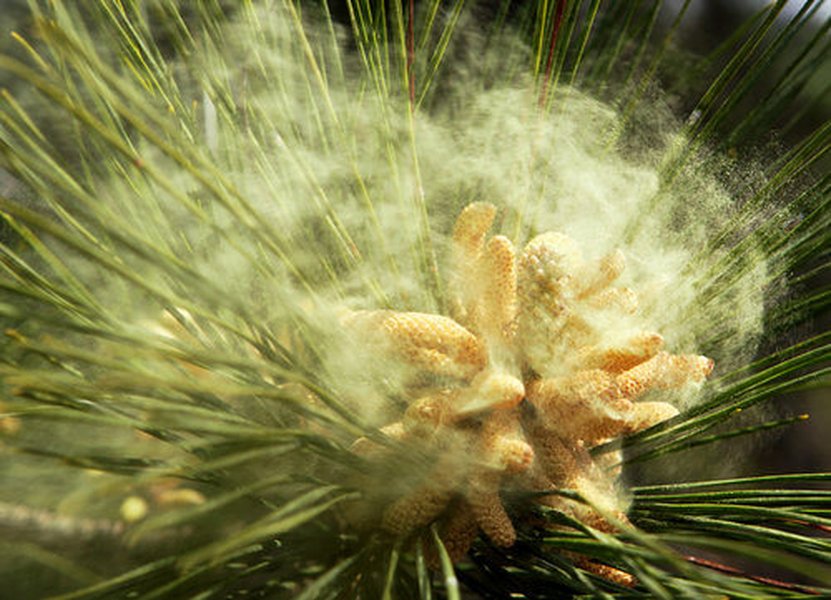
Key Insights
- Symptom Analysis: Identifying whether you experienced typical allergic symptoms like sneezing, itchy/watery eyes, and nasal congestion.
- Timing and Exposure: Evaluating the close temporal relationship between the pine pollen spill and onset of symptoms.
- Management and Next Steps: Guidance on testing, symptom management, and strategies to minimize further pollen exposure.
Understanding Pine Pollen Allergies
When you encountered a large amount of pine pollen while vacuuming in South Carolina, the spill may have significantly increased your exposure to allergens. Pine pollen is known to cause allergic reactions in sensitive individuals, with symptoms including sneezing, a runny or blocked nose, itchy and watery eyes, coughing, and sometimes exacerbated asthma symptoms. The immune system mistakenly identifies the pollen as a harmful substance and overreacts by releasing histamine, leading to an allergic response.
Common Allergic Reactions
The typical signs of a pine pollen allergic reaction include:
- Runny or stuffy nose
- Sneezing
- Itchy, watery eyes
- Coughing
- Possible wheezing or difficulty breathing, especially for individuals with asthma
For some, the reaction appears within hours, which is consistent with your experience. However, it’s important to remember that symptoms of a viral or bacterial infection may overlap with allergic symptoms; fever, body aches, and gastrointestinal issues are usually absent in pure allergic responses.
Is It an Allergy or a General Illness?
The close timing – feeling sick just a couple of hours after the pollen spill – strongly suggests an allergic response. Allergies often manifest quickly after exposure, particularly if you have a known sensitivity or history of allergies. If your symptoms were primarily related to respiratory issues such as sneezing, nasal congestion, and eye irritation, these are more aligned with an allergen-induced reaction.
Factors Supporting an Allergic Reaction
- Exposure Timing: Symptoms appearing shortly after exposure point toward allergens triggering the reaction.
- Symptom Type: The array of symptoms (sneezing, runny nose, itchy or watery eyes) is typical for pine pollen allergy.
- Environmental Conditions: South Carolina during pine pollen season is known for high pollen counts, which can exacerbate allergic responses.
Conversely, if you experienced a broader range of symptoms, including fever or severe fatigue, it might indicate a viral or bacterial illness. In the absence of such symptoms, the evidence tends to favor an allergenic cause.
Managing Exposure and Symptoms
If you suspect that your symptoms resulted from a pine pollen allergy, there are several actionable steps you can take to manage and mitigate the reaction:
Short-Term Strategies
- Reduce Exposure: Stay indoors during peak pollen times (early morning and late afternoon). Consider keeping windows closed and using air conditioning with proper filtration.
- Personal Hygiene: Wash your hands and face after being outdoors; change and wash your clothes to remove excess pollen.
- Over-the-Counter Medications: Utilize antihistamines or decongestants which can help reduce symptoms swiftly.
- Clean Environment: Regular vacuuming with a HEPA filter vacuum may help reduce indoor allergen buildup, though care must be taken during clean-up to prevent stirring up pollen.
Long-Term Considerations
- Consult an Allergist: Professional allergy testing can confirm if pine pollen is the culprit. An allergist might perform skin-prick tests or serum-specific IgE tests to pinpoint sensitivities.
- Medical Management: For those with recurring symptoms, a personalized treatment plan, including the possibility of immunotherapy, might be beneficial.
- Monitoring and Record-Keeping: Keep a journal of your symptoms and exposures to better understand triggers and improve management strategies over time.
Proper diagnosis is crucial. If your symptoms persist, worsen over time, or include signs not typical of allergies (for example, a fever or systemic fatigue), seeking medical advice is necessary to rule out an infection or other health issue.
Visualizing the Data: Allergy vs. Illness Assessment
To better understand the relationship between pine pollen exposure and allergic symptoms, consider the following visual representations. The radar chart below gives a comparative view of symptom intensity based on typical allergic reactions and other illness markers.
Mapping the Concepts
The mindmap below summarizes the key elements regarding pine pollen exposure and its potential impact on health. It visualizes how symptoms, timing, exposure, and management overlap to determine whether your experience is allergy-related or due to a general illness.
Symptom Comparison Table
The following table provides a detailed comparison of symptoms typical for an allergic reaction versus those that indicate a general illness. This should help clarify which scenario fits your experience based on the symptoms you observed.
| Symptom Category | Allergic Reaction (Pine Pollen) | General Illness (Viral/Bacterial) |
|---|---|---|
| Sneezing | Common and often intense | Less common |
| Nasal Congestion | Moderate to severe but without pain | May be present with sinus infection |
| Itchy/Watery Eyes | Highly indicative of allergens | Usually not prominent |
| Coughing | Often due to irritation from pollen | Can be accompanied by chest discomfort |
| Fever | Usually absent | Common, especially in viral infections |
| Fatigue | Mild (due to discomfort) | Pronounced and systemic |
Additional Multimedia Resource
For more information on pine pollen allergies and firsthand expert opinions, watch the video below where an allergist discusses the symptoms and management strategies for pine tree allergies:
Frequently Asked Questions
What are the primary symptoms of a pine pollen allergy?
How quickly do allergy symptoms appear after exposure?
How can I tell if my symptoms are due to allergies or an infection?
What steps can I take to minimize allergic reactions in the future?
References
- Pine Pollen Allergy - GetCurex
- Pine Tree Allergy - Wyndly
- Allergy Strategies - Allermi
- Pine Tree Allergy - ACAAI
- Pine Pollen Insights - UGA Newswire
Recommended Further Exploration
Last updated April 1, 2025