
Understanding Pit Stomach Sensations and Burping Fits
Exploring causes, remedies, and when to seek professional advice
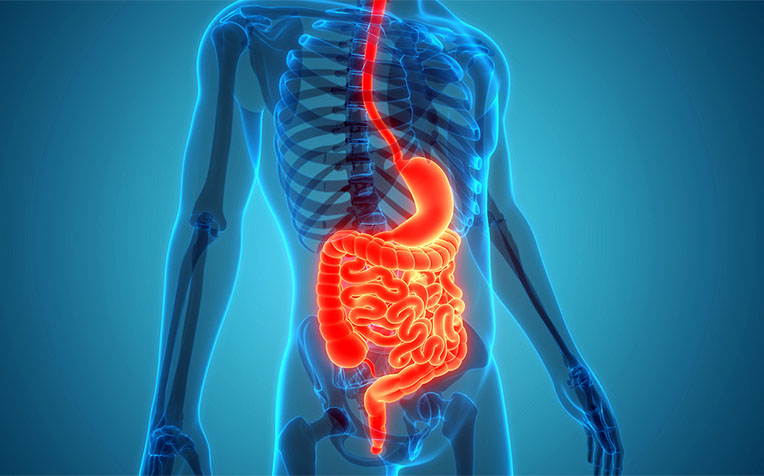
Highlights
- Aerophagia and Anxiety: Rapid eating, swallowing air, and anxiety often underlie these symptoms.
- Digestive Conditions: Issues such as GERD, gastritis, and functional dyspepsia can lead to discomfort and burping.
- Lifestyle and Dietary Modifications: Slow eating, avoiding carbonated drinks, and stress management can alleviate these symptoms.
Overview of Symptoms
The unsettling sensation of a pit in your stomach paired with bouts of excessive burping can be distressing. These symptoms often suggest an underlying issue within the digestive system or may be linked to behavioral patterns and psychological factors. Recognizing the possible underlying causes is essential to properly manage and potentially resolve these symptoms. This discussion delves into common triggers, lifestyle influences, dietary factors, and medical conditions that may contribute to your experience, along with actionable approaches to alleviate discomfort.
Common Underlying Causes
Aerophagia and Swallowing Air
One of the most frequent causes is aerophagia, a condition characterized by swallowing too much air. This can occur when you eat quickly, speak while eating, or even when you chew gum. Drinking carbonated beverages or using a straw can also contribute to this excess air intake. As air accumulates in the stomach, burping becomes a natural mechanism for expelling it. This cycle may trigger a recurring sensation akin to a pit in your stomach because the buildup of air can make the stomach feel unsettled or bloated.
Behavioral Habits
The process of swallowing air is often compounded by behaviors such as eating rapidly or not chewing food adequately. Behavioral patterns, especially when combined with stress or anxiety, can intensify these habits. Many individuals develop inadvertent patterns like gulping food or talking excessively during meals, which makes it more likely for air to be swallowed, leading to increased burping and discomfort.
Psychological Factors and Anxiety
Anxiety plays a prominent role in both the sensation of a pit in the stomach and the development of burping fits. When experiencing anxiety, your body's response can manifest in several ways, such as changes in breathing patterns that lead to hyperventilation and increased air intake. This physical reaction, combined with the heightened state of nervousness, makes the stomach feel uneasy. The gastrointestinal system is closely linked to the nervous system through what is commonly known as the “gut-brain axis.” As such, stress and anxiety can trigger or exacerbate digestive symptoms, including irregular burping and a persistent pit sensation.
Managing Anxiety
Adopting stress-reducing techniques may have a dual benefit: lowering anxiety and improving digestive function. Practices like deep breathing exercises, meditation, yoga, and progressive muscle relaxation help calm the mind and body. Reduced anxiety often results in fewer instances of inadvertent air swallowing, thereby alleviating burping fits and the uncomfortable feeling in the stomach.
Digestive System Conditions
Certain health conditions within the gastrointestinal tract can contribute to your symptoms. Here are some medical conditions frequently associated with these issues:
Gastroesophageal Reflux Disease (GERD)
GERD occurs when stomach acid flows back into the esophagus, causing irritation and a burning sensation, often extending into the upper stomach or chest area. Alongside this, individuals may experience frequent burping, a sensation similar to a pit in the stomach, and discomfort after eating. In such cases, the acid reflux aggravates the mucosal lining, potentially triggering bowel irregularity and discomfort.
Gastritis and Helicobacter pylori Infection
Gastritis, an inflammation of the stomach lining, can lead to pain, burping, and an overall sensation of unease in the stomach. Infections such as Helicobacter pylori are known to contribute to gastritis, resulting in symptoms that include abdominal discomfort and persistent burping, particularly after meals.
Functional Dyspepsia and Irritable Bowel Syndrome (IBS)
Functional dyspepsia is a condition characterized by indigestion without a clear cause and can result in a heavy feeling or discomfort in the upper abdomen. Similarly, IBS, which affects the colon, can lead to bloating, gas, and burping. Both conditions highlight the complex interplay between the digestive system and neural signals that influence how the stomach feels.
Lifestyle and Dietary Influences
Dietary Choices
What you eat and drink plays a crucial role in either mitigating or exacerbating these symptoms. Certain foods and beverages are known to promote gas and lead to excessive burping. High-fiber foods such as beans, lentils, and some vegetables, while healthy, can cause gas formation in more susceptible individuals. Carbonated drinks, with their inherent bubbles, naturally increase the volume of air in the stomach.
Food That Can Aggravate Symptoms
Fatty and fried foods can lead to slowed digestion and can make the stomach feel heavy and uncomfortably full. Additionally, synthetic additives and preservatives present in processed foods may exacerbate the production of gas. Those experiencing frequent burping should consider keeping a food diary to pinpoint any specific dietary triggers that worsen their symptoms.
Recommendations for Dietary Adjustments
Modifying your diet is often one of the most effective ways to reduce the frequency and severity of burping fits and stomach discomfort. Here are some practical dietary tips:
| Food/Drink | Potential Effect on Symptoms | Recommendation |
|---|---|---|
| Carbonated Beverages | Increase air intake | Avoid or reduce consumption |
| High-Fiber Foods | Promote gas production | Monitor intake; substitute with lower-fiber options if necessary |
| Fried/Fatty Foods | Slowed digestion, bloating | Opt for light, balanced meals |
| Processed Foods | May contain additives triggering gas | Select whole, natural food alternatives |
Additionally, try to eat smaller meals throughout the day rather than one or two large meals, and ensure you chew your food slowly. This practice not only helps in reducing the amount of air swallowed but also facilitates better digestion overall.
Lifestyle Modifications
Modifying daily habits can significantly influence the frequency and severity of your symptoms. Here are some lifestyle changes that can help:
Mindful Eating
Engaging in mindful eating practices encourages you to focus on each bite, which helps prevent fast eating and reduces air swallowing. This habit not only lowers the risk of aerophagia but also improves digestion by ensuring food is thoroughly chewed.
Stress-Reduction Techniques
Since stress and anxiety are intimately linked with digestive disruptions, incorporating stress management into your daily routine can be beneficial. Techniques such as deep breathing exercises, meditation, mindfulness practices, or even short post-meal walks can help in managing stress levels, which in turn decrease the likelihood of swallowing unnecessary air.
Regular Physical Activity
Engaging in regular physical exercise aids in overall digestive health. Light exercises, especially after meals, can stimulate digestion and help in expelling gas naturally. Additionally, physical activity boosts general well-being, potentially mitigating the impact of stressful situations that might otherwise aggravate your symptoms.
When to Seek Professional Help
Identifying Serious Symptoms
While many cases of stomach discomfort and burping are benign and can be managed with lifestyle modifications, there are circumstances in which it becomes crucial to consult with a healthcare professional. If your symptoms are accompanied by severe or escalating pain, persistent nausea, vomiting, blood in vomit or stool, or an unexplained weight loss, immediate medical evaluation is warranted. Such signs could indicate more serious gastrointestinal conditions that require thorough diagnosis and potentially prompt treatment.
Diagnostic Measures
A doctor may recommend several tests to determine the root cause of your discomfort. These might include:
- Blood tests to check for infections or inflammatory markers.
- An endoscopy to visually inspect the stomach lining and esophagus.
- Imaging studies such as abdominal ultrasound or X-rays to look for structural abnormalities.
- Gastric emptying studies to assess how well your stomach processes food.
Working closely with a healthcare provider can help tailor interventions specifically to your condition. This might involve prescription medications such as antacids, proton pump inhibitors (for acid reflux), or medications aimed at reducing gas production.
Integrated Strategies for Relief
Comprehensive Lifestyle Adjustments
Integrating multiple strategies can be highly effective in relieving the discomfort associated with a pit in the stomach and burping fits. An integrated approach combines dietary modifications, stress management, and lifestyle changes. Here are several strategies that might help:
Modify Eating Practices
Adopt habits that reduce the incidence of rapid eating and excessive air swallowing:
- Eat in a calm, relaxed setting without distractions.
- Chew food slowly and thoroughly.
- Avoid talking excessively while eating.
Optimize Diet
Consider keeping a food diary to identify and eliminate trigger foods. Based on individual tolerance, reducing high-fiber, fatty, and highly processed foods can be effective. Instead, focus on meals rich in whole foods like fruits, vegetables, lean proteins, and whole grains which are not only gentle on digestion but also provide necessary nutrients.
Implement Stress Management Techniques
Manage stress by incorporating activities such as:
- Daily meditation sessions
- Yoga or tai chi classes
- Mindfulness practices during meals
Hydration and Movement
Staying well-hydrated plays an important role in digestion, as water helps move food through the digestive tract and can alleviate some of the pressure that leads to excessive burping. Pair hydration with regular movement, particularly a gentle walk after eating, to further encourage proper digestion.
Support from Healthcare Providers
When to Consult a Professional
Should these symptoms persist despite lifestyle and dietary adjustments, or if the symptoms lead to significant discomfort or interfere with daily activities, seeking advice from a healthcare professional is crucial. A specialist can provide a thorough examination, order necessary tests, and prescribe a treatment plan tailored to your specific circumstances.
Moreover, if symptoms such as severe pain, vomiting, unexplained weight loss, or signs of bleeding occur, these warrant prompt medical attention—even if you have been managing your symptoms on your own. Early diagnosis and treatment of underlying conditions like GERD or gastritis can prevent long-term complications.
Conclusion and Final Thoughts
Experiencing a pit in your stomach along with burping fits can be unsettling, yet these symptoms are often rooted in common digestive and psychological causes. Whether it is due to aerophagia—a condition marked by excessive swallowing of air—or digestive disorders such as GERD, gastritis, or functional dyspepsia, there are many proactive strategies you can adopt to manage these issues. Intentional changes in eating behavior, dietary modifications, and the integration of stress reduction techniques can significantly improve your symptoms.
It is important to recognize that while these self-care measures are beneficial for many, persistent, severe, or worsening symptoms warrant professional medical evaluation. Consulting with healthcare professionals helps in accurately diagnosing any underlying conditions and tailoring treatment to achieve lasting relief. In all, addressing both the physical and psychological dimensions of these symptoms can lead to improved overall health and a better quality of life.
References
- Abdominal Pain and Burping: Causes, Treatments, Prevention - Healthline
-
Belching: Causes, Treatment & When To See a Doctor - Cleveland Clinic
- Burping & Excessive Belching: Why It Happens & How To Make It Stop - WebMD
- Excessive Burping: 10 Causes and How To Relieve It - Health
- Why Am I Burping So Much? Causes & Remedies Explained - BuzzRx
- Belching, gas and bloating: Tips for reducing them - Mayo Clinic
Recommended Queries for Further Exploration
Last updated February 27, 2025