
Implications of Place Attachment for Urban Planning
Understanding how emotional bonds shape urban spaces effectively
Key Highlights
- Enhanced Community Engagement: Place attachment fosters community participation and social cohesion, encouraging residents to take part in urban development initiatives.
- Sustainable and People-Oriented Development: Integrating place attachment into planning leads to design decisions that respect cultural identities and environmental stewardship.
- Conflict Mitigation and Inclusive Design: Understanding local emotional bonds enables planners to anticipate resistance and design interventions that maintain the historic and cultural integrity of communities.
Understanding Place Attachment
Place attachment represents the deep-seated emotional bonds individuals and communities develop with specific geographic locales. This encompasses not only physical attributes but also the cultural, historical, and psychological elements that contribute to a resident’s sense of identity and belonging. Recognizing and respecting this attachment can help urban planners design spaces that are more than functional—they become havens for community memory and pride.
The Multifaceted Nature of Place Attachment
In the urban planning context, place attachment goes beyond the aesthetics and infrastructure of a neighborhood. It encapsulates:
- Historical and cultural narratives embedded in city landmarks.
- Experiential memories that shape how residents perceive their environment.
- Social relationships and community engagement that are fostered in shared public spaces.
Implications for Urban Planning
Design and Development Considerations
Incorporating Cultural and Historical Identity
Urban planning that accounts for place attachment ensures that the cultural and historical attributes of neighborhoods are not only preserved but also celebrated. This involves maintaining and integrating historical landmarks, public art, and culturally significant spaces into modern developments. Preserving these elements supports community identity and continuity, making urban renewal projects more acceptable to residents.
Public Spaces and Green Infrastructure
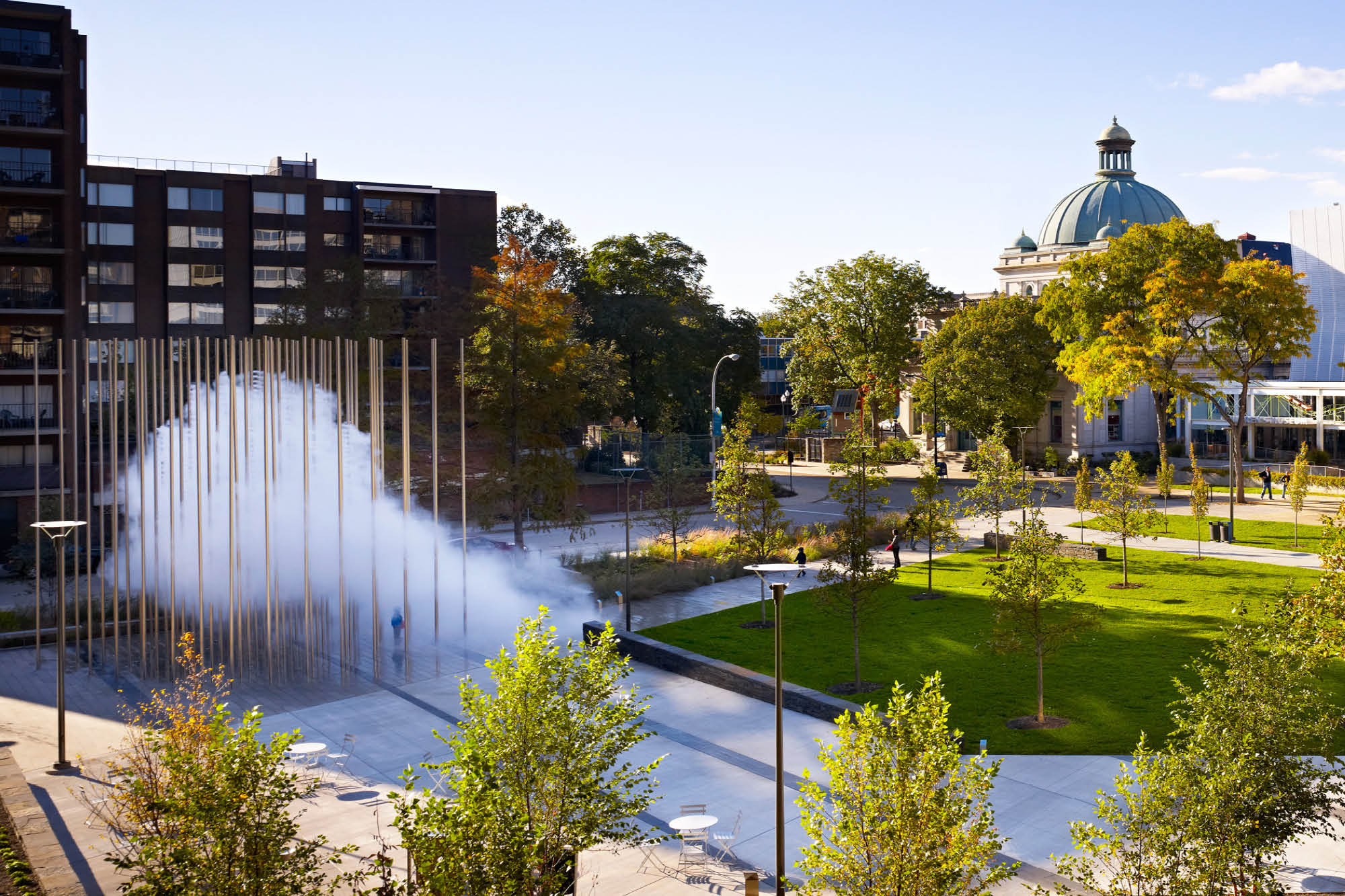
Green spaces, parks, and communal areas are central to enhancing place attachment. By designing accessible and sustainable public spaces, urban planners can promote social interaction, community participation, and a sense of ownership among residents. Strategically placed parks and community gardens not only contribute to environmental sustainability but also function as focal points for local gatherings and civic activities.
Enhancing Community Engagement and Social Cohesion
Fostering Civic Participation
A strong sense of place attachment motivates residents to become active participants in their communities. This is reflected in higher levels of civic engagement, volunteerism, and support for local initiatives. When urban projects incorporate community feedback and honor existing attachments, the outcomes are more likely to resonate with the public, thus strengthening community bonds and social trust.
Community-Led Urban Regeneration
Involving community members in the planning process is key to mitigating potential resistance to change. When individuals feel their emotional ties and local knowledge are valued, they are more receptive to modern urban interventions. This collaborative approach has been shown to lead to more resilient and dynamic neighborhoods that reflect both modern urban trends and traditional community values.
Sustainable Urban Development
Environmental Stewardship through Place Attachment
Urban environments that are attentive to the emotional connections residents have with their surroundings are more likely to promote sustainable practices. A deep attachment to a place encourages residents to engage in pro-environmental behaviors, including active participation in local conservation efforts and sustainable use of resources. Such environments are not only built for today’s comforts but are designed with resilience in mind for future challenges, including climate change.
Balancing Modernity with Legacy
Urban planning must balance new development with the preservation of existing place attachments. This requires thoughtful design interventions that respect established landmarks while integrating modern amenities. Projects that ignore the emotional and historical fabric of a community risk alienating residents, leading to decreased social cohesion and resistance to change. A balanced approach can foster a thriving urban environment that honors the past while embracing progress.
Practical Approaches and Planning Strategies
Strategies for Integrating Place Attachment
Participatory Planning
Actively involving residents in the urban planning process is perhaps the most effective way to harness the positive aspects of place attachment. Participatory planning ensures that community members have a voice in shaping their neighborhoods. This not only increases the legitimacy of planning decisions but also empowers residents to take an active role in the stewardship of their environment.
Context-Sensitive Design
Urban planners can adopt context-sensitive design methodologies that acknowledge and incorporate the unique characteristics and histories of different neighborhoods. This involves integrating local cultural elements, historical references, and natural landscapes into the design process. Tailored solutions like this can enhance familiarity and attachment, ensuring that new developments enhance rather than disrupt existing community bonds.
Policy and Regulatory Framework
Municipal policies that recognize the importance of place attachment can guide urban development in a more inclusive and sustainable direction. Policies might include guidelines for preserving historical sites, encouraging community involvement in planning, and ensuring that development projects maintain the integrity of community identities. A robust policy framework supports initiatives that balance development with conservation of local heritage.
The Role of Place Attachment in Mitigating Urban Change Conflicts
Urban development often involves changes that can disrupt the social and cultural fabric of a community. Understanding place attachment can serve as a predictive tool in identifying areas likely to resist change. When planners are aware of these strong bonds, they can proactively engage with community members to negotiate and adapt plans that minimize disruptions. This not only smooths the transition during urban regeneration projects but also builds trust and collaboration between authorities and residents.
Visualization of the Impact of Place Attachment
| Aspect | Implications for Urban Planning | Examples in Practice |
|---|---|---|
| Community Engagement | Enhanced resident participation and social cohesion. | Participatory planning workshops; community festivals. |
| Sustainable Development | Designs that integrate green spaces and environmental stewardship. | Urban parks, community gardens, eco-friendly infrastructure. |
| Cultural Preservation | Maintaining historical landmarks and local cultural narratives. | Restoration of historical district; preservation of local art. |
| Conflict Mitigation | Addressing resistance to change by respecting community ties. | Community consultations before major urban projects. |
Applications in Modern Urban Environments
Urban Revitalization
Cities experiencing decline or undergoing rapid change can benefit from approaches centered on place attachment. Urban revitalization projects care for the emotional and historical roots of neighborhoods, ensuring that new developments do not erase community identity. By strengthening place bonds, cities can rejuvenate local economies while maintaining a rich sense of history.
Migrant Integration and Cultural Diversity
Urban areas that attract diverse populations often face challenges related to cultural integration. Incorporating principles of place attachment can help build inclusive communities where both long-established residents and newcomers feel a sense of belonging. Tailored urban designs that recognize diverse cultural expressions help facilitate integration and promote social harmony.
References
-
Shaping the City Image by Placemaking - ScienceDirect
-
Placemaking and Urban Planning - Aesop Proceedings
- Urban Image and Place Attachment - CUNY Manifold
- Place Attachment in Urban Settings - MDPI
Recommended Related Queries
 cdn.vanderbilt.edu
Last updated February 28, 2025