
The Ultimate Guide to Planning a Successful Hotpot Lunch
Create an unforgettable communal dining experience with these expert tips
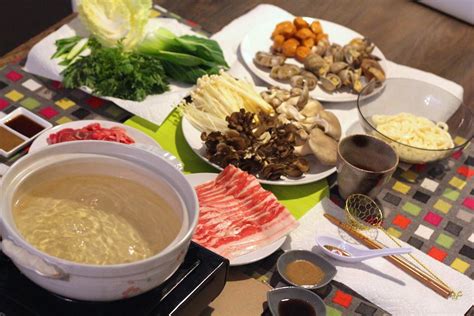
Key Takeaways
- Diverse Ingredient Selection: Offer a wide variety of proteins, vegetables, and starches to cater to all tastes and dietary preferences.
- Perfect Broth Bases: Selecting and preparing flavorful broths is crucial for an authentic hotpot experience.
- Interactive and Safe Cooking: Ensure proper equipment and safety measures to facilitate an engaging and safe dining environment.
1. Choosing the Right Hotpot Equipment
Essential Tools for an Efficient Setup
Having the correct equipment is foundational to hosting a successful hotpot lunch. Consider the following:
Hotpot Cooker or Portable Burner
- Electric Hotpot Cookers: These are convenient, maintain consistent temperatures, and often come with adjustable settings to cater to multiple broths simultaneously.
- Portable Gas or Induction Burners: Ideal for flexibility, especially if hosting outdoors or in spaces without built-in electric outlets.
Hotpot Pots
- Single Pot: Suitable for smaller gatherings or when serving a single broth flavor.
- Divided Pots: Ideal for offering two different broth flavors (e.g., spicy Sichuan and mild chicken) to cater to varied taste preferences.
Cooking Utensils
- Chopsticks and ladles for adding and retrieving ingredients.
- Hotpot strainers and tongs to handle different types of food safely.
- Individual bowls for dipping sauces and serving plates for cooked items.
2. Selecting and Preparing the Broth
The Heart of Your Hotpot
The broth not only provides the cooking medium but also imparts essential flavors to the ingredients. Here's how to choose and prepare it:
Types of Broths
- Spicy Sichuan-Style: Incorporates Szechuan peppercorns, chili oil, and a blend of spices for a fiery kick.
- Mild Chicken or Vegetable: A lighter option that allows the natural flavors of the ingredients to shine.
- Herbal Medicinal: Infused with herbs like ginseng or goji berries for added health benefits and a unique flavor profile.
- Miso Broth: Common in Japanese Shabu-Shabu, offering a rich and savory taste.
Dual Pot Setup
Offering two broth options caters to diverse taste preferences, allowing guests to enjoy both spicy and non-spicy flavors.
Preparation Tips
- Homemade Broth: Prepare in advance to allow flavors to meld. Use high-quality ingredients like fresh vegetables, bones, and spices.
- Store-Bought Mixes: Follow package instructions meticulously to achieve the best results without compromising flavor.
- Quantity: Plan for approximately 2-3 liters of broth, adjusting based on the number of guests and the duration of the meal.
3. Curating a Diverse Ingredient Selection
Catering to All Tastes and Dietary Needs
A successful hotpot lunch hinges on the variety and quality of the ingredients. Here's a comprehensive list to consider:
Proteins
- Thinly Sliced Meats: Ribeye, lamb, pork jowl, beef brisket – freeze slightly for easier slicing.
- Seafood: Shrimp, salmon, clams, mussels, squid – opt for pre-frozen and deshelled options for convenience.
- Tofu Varieties: Firm, extra-firm, fried tofu, tofu sheets, or beancurd rolls – cut into 1-inch cubes or strips.
Vegetables
- Leafy Greens: Spinach, bok choy, napa cabbage, Chinese long beans.
- Mushrooms: Oyster, shiitake, enoki – cleaned and trimmed.
- Root Vegetables: Bamboo shoots, taro, sweet potatoes, daikon radish – sliced thinly.
- Others: Cherry tomatoes, broccoli – washed and cut into bite-sized pieces.
Starches and Add-Ons
- Noodles: Sanuki udon, glass noodles, shirataki, rice cakes – add towards the end to prevent thickening the broth.
- Dumplings and Balls: Gyoza, potstickers, fish balls, meatballs – available frozen or refrigerated.
- Other Additions: Corn, lotus root, tofu puffs, bean curd sheets – for added texture and flavor.
Quantities
| Ingredient Category | Recommended Quantity Per Person |
|---|---|
| Proteins | 200-300g (7-10 oz) |
| Vegetables | 200g (7 oz) |
| Starches | 100-150g (3.5-5 oz) |
4. Preparing Ingredients for Optimal Enjoyment
Ensuring Freshness and Ease of Cooking
Proper preparation is key to a seamless hotpot experience. Follow these guidelines:
Meats
- Slice thinly to ensure quick and even cooking.
- Freeze meats for 20-30 minutes before slicing to achieve uniform thin cuts.
- Keep raw meats separate from other ingredients to prevent cross-contamination.
Seafood
- Cut into bite-sized pieces for quick cooking.
- Add clams and mussels directly to the pot as they cook quickly and retain flavor.
- Ensure seafood is fresh or properly frozen to maintain quality.
Vegetables
- Wash thoroughly and dry before cutting.
- Cut into manageable, bite-sized pieces to facilitate easy cooking and consumption.
Tofu
- Cut tofu into 1-inch cubes or strips for uniform cooking.
- Ensure tofu varieties are firm enough to hold shape during cooking, especially for longer broths.
5. Setting the Table for an Organized Dining Experience
Creating a Comfortable and Efficient Hotpot Station
An organized table setup enhances the dining experience by making ingredients easily accessible and promoting a clutter-free environment. Here's how to arrange your table:
Ingredient Arrangement
- Allocate separate platters or bowls for each ingredient category (meats, seafood, vegetables, tofu, noodles, etc.).
- Group similar items together to streamline the cooking process and reduce confusion.
Essential Tableware
- Individual bowls and plates for each guest, ensuring everyone has enough space for dipping sauces and cooked items.
- Chopsticks, soup spoons, and napkins readily available for each diner.
- Provide tongs, hot pot strainers, and ladles for handling ingredients safely.
Dipping Sauce Station
- Set up a dedicated area for various dipping sauces, allowing guests to customize their own flavors.
- Include a range of sauces such as soy sauce, sesame paste, hoisin sauce, chili oil, black vinegar, and fresh herbs like cilantro and green onions.
6. Crafting the Perfect Dipping Sauces
Enhancing Flavors with Customized Sauce Blends
Dipping sauces are integral to the hotpot experience, adding depth and personalization to each bite. Here are some classic and creative options:
Traditional Sauce Options
- Basic Hot Pot Sauce: A simple mix of soy sauce, chopped green onions, toasted sesame seeds, and optional Thai bird’s eye chili for heat.
- Sesame Sauce: Rich and nutty, perfect for adding a smooth texture to your ingredients.
- Chili Oil: Adds a spicy kick, ideal for those who enjoy heat.
- Black Vinegar: Offers a tangy contrast to the savory broth.
- Ponzu: A citrus-based sauce that provides a refreshing flavor.
Customized Mixes
- Encourage guests to create their own blends by providing additional ingredients like minced garlic, cilantro, and finely chopped scallions.
- Offer pre-made sauces such as hoisin sauce or sriracha for added variety and convenience.
Pre-Mixed vs. DIY
- Pre-Mixed: Have a few pre-made sauce options available for guests who prefer not to customize.
- DIY Station: Allowing guests to mix their own sauces enhances the interactive dining experience and caters to individual preferences.
7. Organizing the Cooking Order
Maximizing Flavor and Texture
To ensure all ingredients are cooked to perfection without overcooking, follow a strategic order when adding items to the broth:
Recommended Cooking Sequence
- Seafood and Vegetables: Start with items that retain their texture and flavor when cooked quickly.
- Meats: Add thinly sliced meats after the initial ingredients, allowing them to cook quickly without becoming tough.
- Noodles: Incorporate noodles towards the end of the meal to prevent them from thickening the broth.
Tips for Efficient Cooking
- Use tongs or strainers to add and retrieve ingredients safely.
- Allow the broth to return to a rolling boil before adding new ingredients to maintain consistent cooking temperatures.
- Encourage guests to cook only what they plan to eat to minimize waste and ensure freshness.
8. Ensuring Safety and Proper Etiquette
Creating a Safe and Respectful Dining Environment
Safety and etiquette are paramount to a pleasant hotpot experience. Implement the following practices:
Safety Measures
- Use separate utensils for cooking and eating to prevent cross-contamination.
- Ensure all meats are thoroughly cooked to safe temperatures before consumption.
- Handle hot broth with care, using appropriate utensils to prevent burns.
Dining Etiquette
- Encourage guests to use the provided utensils and avoid direct hand contact with communal ingredients.
- Promote a relaxed atmosphere where guests feel comfortable interacting and sharing during the meal.
- Respect guests' dietary restrictions and preferences by clearly labeling ingredients if necessary.
9. Planning Beverages to Complement the Meal
Pairing Drinks with Your Hotpot Selection
Choosing the right beverages can enhance the flavors of your hotpot. Consider the following options:
Non-Alcoholic Options
- Chrysanthemum Tea: A floral tea that cleanses the palate.
- Bubble Tea: Adds a sweet and chewy contrast to the savory meal.
- Sparkling Water or Flavored Water: Refreshing and light to balance the richness of the broth.
Alcoholic Options
- Light Beers: Refreshing and help cut through the richness of the broth.
- Rice Wine or Sake: Traditional choices that complement the flavors of the meal.
- Light Wines: Such as white wines that pair well with both seafood and poultry.
10. Arranging for Dessert and Leftovers
Ending the Meal on a Sweet Note
Concluding your hotpot lunch with dessert and managing leftovers ensures a satisfying and complete dining experience:
Dessert Options
- Fresh Fruits: Oranges, melons, or berries to cleanse the palate.
- Sweet Treats: Sesame balls, mochi, or simple pastries to provide a sweet end to the meal.
Managing Leftovers
- Provide storage containers for guests to take home any remaining food.
- Plan simple recipes to repurpose leftovers, such as stir-fries or soups, to minimize waste.
11. Creating a Relaxed and Inviting Atmosphere
Setting the Mood for a Memorable Gathering
The ambiance of your dining area plays a significant role in the overall experience. Here are some tips to enhance the atmosphere:
Seating Arrangement
- Ensure comfortable seating around the hotpot station to facilitate easy access and interaction among guests.
- Consider using floor seating with cushions for a traditional touch or standard dining chairs for a more modern setup.
Ambiance
- Use appropriate lighting to create a warm and inviting environment.
- Play background music that complements the dining experience without overpowering conversations.
- Incorporate decorations that reflect the cultural aspects of hotpot, such as traditional tableware or thematic tablecloths.
Interactive Elements
-
Encourage guests to customize their dipping sauces, adding an interactive and personalized element to the meal.
-
Create opportunities for guests to share stories or cultural anecdotes related to hotpot, fostering a sense of community.
Conclusion
Planning a hotpot lunch is a delightful way to bring friends and family together for an interactive and enjoyable meal. By carefully selecting and preparing a diverse range of ingredients, choosing the right broths, organizing the cooking process, and creating a welcoming atmosphere, you can ensure a memorable dining experience for all guests. Remember to prioritize safety and etiquette, offer a variety of dipping sauces and beverages, and conclude the meal with refreshing desserts to round off the session. With these comprehensive tips, your hotpot lunch is sure to be a success!
References
Last updated January 16, 2025