
State of the Art in Image Generation from Genetics for Plants
Exploring advanced genetic visualization and simulation technologies in plant sciences
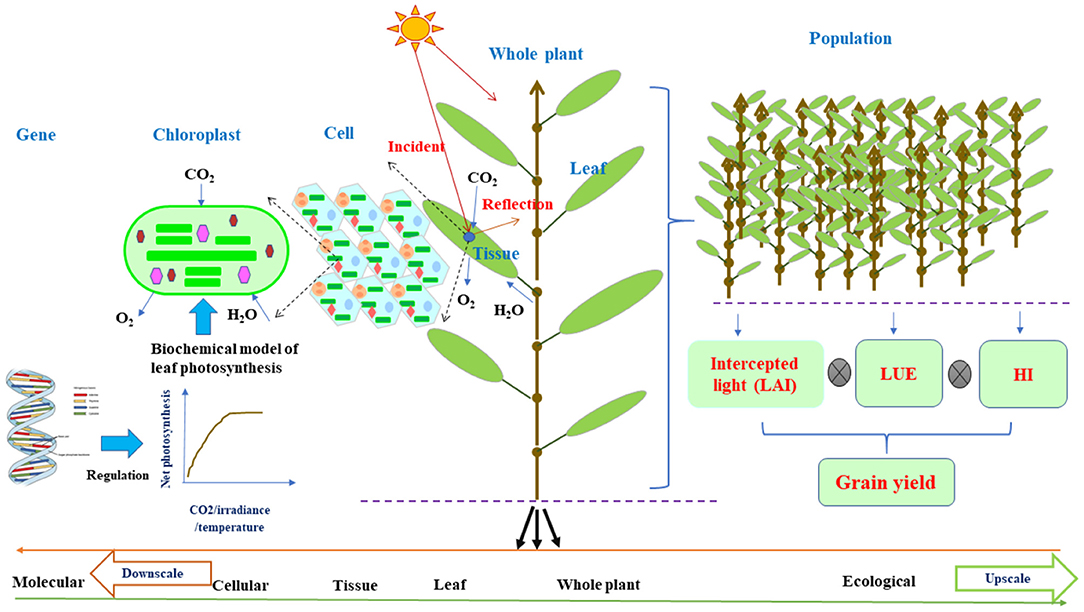
Key Insights
- Integration of AI and Genetics: Leveraging AI tools to predict and visualize plant traits based on genetic data.
- Dynamic In Silico Modelling: Using dynamic crop simulation frameworks to model plant growth, development, and stress responses.
- Scope and Limitations: Distinguishing between direct image generation from genetic data and predictive simulation of plant phenotypes.
Overview
With rapid advancements in computational biology and AI, the state of the art in image generation from genetics in plants now encompasses an interdisciplinary fusion of genetic data processing, artificial intelligence, and in silico simulation models. The overarching goal is to predict and visualize plant phenotypes from genetic information, facilitating plant breeding, crop improvement, and a deeper understanding of plant physiology.
AI-Driven Image Generation from Plant Genetics
Artificial intelligence has revolutionized genetic research with image generation playing a crucial role in bridging raw genetic data with tangible visual outputs. Rather than directly translating genetic sequences into images – a process which remains complex – innovative tools have emerged that predict visible plant traits from genetic profiles. These predictions are rendered as graphical representations of how a plant might appear.
AI Tools and Their Applications
One groundbreaking approach involves AI models that process genetic data and generate high-resolution images that simulate plant traits. These systems analyze genetic markers responsible for phenotypic traits such as leaf structure, fruit morphology, and overall plant architecture. For instance, specialized AI tools can predict characteristics in apple varieties by integrating genomic information, protein interactions, and environmental factors. In effect, these AI models bridge the gap between extensive genetic data and the practical visualization of predicted plant appearances.
GenoDrawing and Similar Tools
A notable example in this field is an AI-based tool that applies methodologies similar to GenoDrawing, which predicts complex traits from genetic data. By capturing multitudes of genetic markers and linking them with known phenotypic outcomes, such tools can produce visual representations that encapsulate the predicted variability in plant traits. They use machine learning algorithms to analyze gene networks, protein synthesis pathways, and metabolic routes that drive physical expressions in plants.
Data Integration Through Multi-Omics
The successful generation of images from genetic data hinges on integrating multiple layers of biological information. Multi-omics – the combined study of genomics, transcriptomics, proteomics, and metabolomics – enriches the predictive capacity of an image generation tool. This comprehensive approach allows researchers to simulate the complex interplay between a plant’s genotype and its phenotype, enhancing the credibility and detail of the resulting visualizations.
In Silico Simulation and Modelling in Plants
In silico simulation has emerged as a powerful method to predict plant behavior and morphology by integrating genetic information with environmental variables. These simulation frameworks offer vast potential in forecasting plant growth, development, and responses to various stressors. While traditional breeding and genetic experiments require long cycles of physical observation, computational models accelerate the evaluation of multiple hypotheses and breeding strategies.
Dynamic Crop Simulation Frameworks
Dynamic crop simulation models are designed to capture the evolution of plant growth over time. They simulate processes such as phenology, plant architecture, metabolic pathways, and interactions among gene networks. These models are adept at evaluating hypothetical plant traits under various scenarios and predicting responses to environmental factors, including water availability, nutrient levels, and light conditions.
Linking Gene Networks to Phenotypes
A critical aspect of in silico modelling involves linking gene networks with observable traits. By using sophisticated algorithms, these models can simulate how specific genetic variations influence protein synthesis, metabolic pathways, and ultimately the physical manifestation in plants. This detailed modelling is instrumental in forecasting the outcomes of genetic modifications, helping plant breeders optimize for traits such as drought tolerance, improved biomass, or pest resistance.
Frameworks and Platforms
Several computational platforms offer in silico simulation capabilities. These platforms integrate genetic information with plant physiology models, enabling researchers to run simulations that predict plant behavior under varied environmental conditions. For example, simulation frameworks articulate how a plant might respond to stresses by simulating photosynthetic kinetics, nutrient uptake, and growth dynamics. These tools are increasingly integrated into the workflow of modern plant breeding programs, contributing to faster development of new plant varieties.
Plant Stress Simulation: Focus on Silicosis
It is important to clarify that “silicosis” is primarily recognized as a lung disease in humans resulting from inhaling silica particles, and as such, its traditional study does not directly apply to plants. However, environmental simulations can incorporate stress conditions related to mineral imbalances and soil composition, including excess silica which may indirectly affect plant health.
Reinterpreting Silicosis Simulation for Plants
Since silicosis primarily concerns the pulmonary effects of silica dust in humans, plant simulation in this context does not represent a direct translation of silicosis. Instead, researchers interested in plant stress simulations may examine how plants respond to similar stressors related to mineral toxicity or deficiencies. This could include the accumulation of siliceous material in the soil, which might affect nutrient uptake or disrupt root development.
Environmental Stress and Mineral Toxicity
Studies regularly use computational simulations to model how plants react to various environmental stressors. In these simulations, researchers can incorporate scenarios where high levels of silica in the soil influence water absorption, root growth, and overall plant vigor. Although these simulations do not mimic the human condition of silicosis, they serve to predict and optimize plant responses under mineral-related stress conditions.
Simulation Tools in Plant Stress Research
There are simulation tools specially designed to evaluate plant responses under a range of environmental stressors. These tools can combine genetic data with models of nutrient uptake and soil chemistry to forecast how plants perform under adverse conditions. Researchers can adjust parameters related to mineral overload—including silica content—to determine potential impacts on plant fitness and yield. Ultimately, such simulations guide genetic interventions and breeding strategies to mitigate adverse effects.
A Comparative Outline: Image Generation vs. In Silico Simulation
To clarify the overlapping and distinct aspects of these two areas, below is an HTML table that outlines their characteristics:
| Aspect | Image Generation from Genetics | In Silico Plant Simulation |
|---|---|---|
| Main Function | Visual representation of predicted plant traits based on genetic data. | Forecasting plant growth, development, and responses to environmental conditions. |
| Technological Basis | AI-driven models processing multi-omics data for phenotype prediction. | Dynamic simulation frameworks integrating gene networks, physiology, and environmental factors. |
| Applications | Plant breeding visualization, trait prediction, and design of new plant varieties. | Crop performance evaluation, stress response modeling, and optimization of growing conditions. |
| Output | High-resolution images of plant phenotypes. | Simulated growth curves, developmental timelines, and predictive performance metrics. |
| Scope | Directly links genetic variants to observable traits through visual simulations. | Incorporates environmental stress factors, including mineral toxicity scenarios. |
Challenges and Future Prospects
While the current technologies offer promising insights for plant genetic visualization and simulation, several challenges remain that the scientific community is actively addressing:
Data Complexity and Integration
One primary challenge is managing and integrating the massive amounts of data generated by multi-omics studies. For image generation, incorporating genomic, transcriptomic, proteomic, and metabolomic information into a coherent and visually interpretable output demands robust data processing and algorithmic efficiency. Similarly, in silico simulation models require high-quality, detailed inputs about environmental parameters and physiological processes in plants. As data sources multiply, ensuring accuracy, consistency, and compatibility across platforms remains a top priority.
Advances in Computational Power
To overcome these challenges, the evolution of high-performance computing has enabled the development of more sophisticated simulation and visualization tools. These improvements allow for the processing of larger datasets and more complex models, dramatically increasing the resolution and accuracy of predictions. Moreover, cloud computing and distributed systems are making these state-of-the-art tools more accessible to research institutions and agricultural companies alike.
Integration with Plant Breeding Programs
One of the most exciting prospects in plant genetic research is the integration of AI-driven image generation and in silico simulation into plant breeding programs. By accurately predicting how genetic modifications will manifest physically, breeders can make more informed decisions, significantly reducing the time and cost involved in developing new plant varieties. This synergy between computational models and traditional breeding could usher in an era of rapid, precision agriculture.
Potential for Environmental Stress Modelling
Future advancements may also refine how environmental stresses are simulated. Although simulating silicosis as seen in human health remains outside the direct scope for plants, further research into soil composition and stress responses could allow the adaptation of these models to simulate mineral toxicity and other environmental challenges. Enhanced simulation tools will be capable of fine-tuning parameters related to soil health, climate variability, and nutrient dynamics in real time.
Emerging Trends and Innovations
Looking ahead, several emerging trends promise to further transform the field:
Integration of Deep Learning Algorithms
Deep learning continues to evolve with architectures capable of recognizing complex patterns in data. When applied to genetic image generation, these algorithms can infer subtle correlations between genetic variations and phenotype variations with remarkable accuracy. As deep learning models become more refined, simulations will likely capture even more intricate details of plant physiology.
Real-Time Simulation and Feedback Systems
Advances in sensor technology and IoT (Internet of Things) devices may allow for real-time data collection from field conditions. This real-time data-driven simulation can dynamically adjust forecasting models, providing plant breeders and researchers immediate feedback on how genetic and environmental variables interact. Such integrated systems could lead to tailored interventions that optimize plant growth and ensure sustainable agricultural practices.
Conclusion
In summary, the state-of-the-art in image generation from genetics as applied to plants is an interdisciplinary amalgamation of AI-driven phenotypic visualization and dynamic in silico simulation models. Advanced tools are now capable of translating complex genomic data into vivid predictions of plant traits, guiding efficient plant breeding and crop improvement strategies. Although the interest in plant “in silicosis” simulation is somewhat mismatched with the clinical definition relevant to human health, the concept can be reframed to address environmental stress simulations where mineral imbalances, including silica overload, affect plant development.
The integration of diverse omics data, predictive modelling, and simulation frameworks is setting a new standard for how researchers approach plant genetics. With continued advancements in computational power and AI methodologies, the future holds promise for even more accurate and insightful predictions. This convergence of technologies is poised to revolutionize plant breeding, enhance our understanding of plant-environment interactions, and ultimately pave the way for sustainable agricultural practices on a global scale.
By combining the principles of high-resolution image generation with robust in silico modelling, we are developing comprehensive tools that not only visualize plant traits but also predict how plants will adapt and thrive in diverse environmental conditions. This holistic approach serves as a cornerstone for the next generation of genetic research and agricultural innovations.
References
- Best AI Image Generator of 2025 - Piclumen
- GenoDrawing: AI Tool for Predicting Complex Traits in Plants - IRTA
- In Silico Plants - Oxford Academic
- Plant Science Simulation - Frontiers in Plant Science
- Molecular Genetics and Plant Breeding Research - MDPI
- New AI Breakthrough in Genetic Code Modelling - Berkeley Engineering
-
Analytic Tool for Next-Generation Plant Breeding - Phys.org
Recommended
Last updated February 26, 2025