
Unveiling the Next Generation of Plastics: Innovation Beyond Fossil Fuels
Exploring cutting-edge materials that deliver performance without petroleum, shaping a sustainable future for 2025 and beyond.
Key Insights into Sustainable Plastic Alternatives
- Bio-based materials are leading the charge: A wide array of plastics are now being derived from renewable biomass sources like corn starch, sugarcane, algae, and agricultural waste, offering properties comparable to conventional plastics.
- Beyond biodegradability: Innovations encompass not only biodegradable and compostable options but also "drop-in" replacements that are chemically identical to fossil-based plastics but derived from renewable feedstocks, facilitating integration into existing infrastructure.
- Novel feedstocks and chemical breakthroughs: Revolutionary materials are emerging from unexpected sources, including fungal mycelium, superglue precursors, and even olive oil waste, demonstrating a diverse and expanding material science landscape.
The urgent global imperative to mitigate plastic pollution and reduce reliance on fossil fuels has spurred a remarkable wave of innovation in plastic alternatives. As of June 2025, the focus has shifted towards developing materials that emulate the desirable characteristics of traditional plastics—such as durability, flexibility, transparency, and moldability—while critically, being derived from non-oil feedstocks. These advancements are predominantly rooted in biological resources, agricultural byproducts, and novel chemical pathways, aiming to deliver not only performance but also a significantly reduced environmental footprint.
This comprehensive overview delves into the most significant breakthroughs, categorizing them by material type and highlighting their unique properties, applications, and the broader trends shaping their adoption in a circular economy framework.
The Rise of Bio-based Plastics: A Cornerstone of Innovation
Bio-based plastics represent the most prominent category of current innovations. These polymers are entirely or partially derived from renewable biological sources rather than petroleum. While they aim to provide similar functional properties to conventional plastics, it is crucial to understand that being "bio-based" does not automatically equate to being "biodegradable" or "compostable." The biodegradability depends on the molecular structure, not solely on the origin of the feedstock.
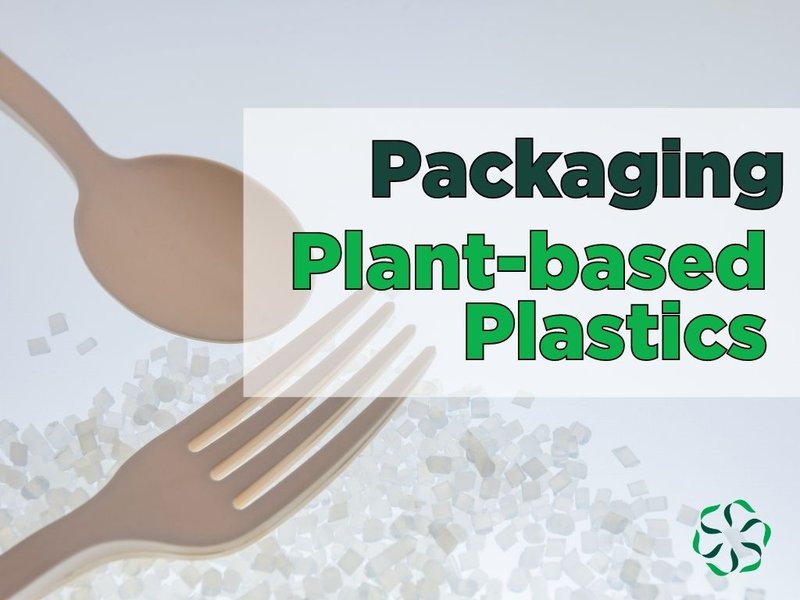
An assortment of products illustrating the diverse applications of bioplastics.
Key Categories of Bio-based Plastics
- Bio-based, Non-biodegradable Plastics: Often referred to as "drop-ins," these materials are chemically identical or very similar to their petrochemical counterparts (e.g., bio-polyethylene (bio-PE), bio-polyethylene terephthalate (bio-PET)). Their key advantage lies in their renewable origin, reducing the carbon footprint associated with virgin plastic production while allowing them to integrate seamlessly into existing manufacturing and recycling infrastructures.
- Both Bio-based and Biodegradable Plastics: This category includes materials like Polylactic Acid (PLA), Polyhydroxyalkanoates (PHA), and Polybutylene Succinate (PBS). These are typically produced from fermented plant-based feedstocks such as sugars, starch, or lipids.
- **Polylactic Acid (PLA):** Derived from cornstarch, sugarcane, or cassava, PLA offers excellent clarity, stiffness, and printability, making it a popular choice for packaging, disposable cutlery, and food containers.
- **Polyhydroxyalkanoates (PHA):** Often produced by microbial fermentation of sugars from sources like algae, PHA is highly regarded for its enhanced biodegradability in various natural environments (soil, water) and its flexibility, making it comparable to polyethylene (PE).
- Fossil-based, but Biodegradable Plastics: An example is Polybutylene Adipate Terephthalate (PBAT). While not derived from renewable sources, its molecular structure allows for biodegradability under specific conditions.
The market for bioplastics is experiencing dynamic growth, driven by increasing demand and the development of more sophisticated materials. These alternatives offer a lower carbon footprint and advantageous material properties, aligning with the principles of a circular economy.
Innovative Natural Polymer Alternatives and Novel Feedstocks
Beyond the established bioplastic categories, the innovation landscape is teeming with new materials leveraging diverse natural resources and chemical transformations. These advancements are pushing the boundaries of what is possible in sustainable material science.
Harnessing Fungi: Mycelium-based Materials
Companies are pioneering the use of mycelium, the root structure of fungi, to create entirely plastic-free and compostable materials. Mycelium can be grown into custom shapes, providing insulation, shock absorption, and structural integrity similar to expanded polystyrene (Styrofoam). This makes it an ideal protective packaging solution for a wide range of products.
Marine-based Solutions: Algae and Seaweed
Algae-derived polymers and seaweed-based materials are emerging as promising alternatives. These marine-based resources not only offer rapid biodegradability but also contribute to carbon sequestration during their growth. Innovations include water-soluble films for packaging that dissolve without leaving microplastic residues and edible seaweed packaging. Japanese design companies, for instance, are producing packaging materials from the agar in red marine algae.
This video provides an engaging look into the future of packaging, highlighting innovative materials like seaweed and coffee grounds that are set to revolutionize the industry by 2025, offering sustainable alternatives to traditional plastics.
Agricultural Waste and Plant Fibers
Leveraging agricultural byproducts is another key innovation area. Bagasse, the fibrous residue from sugarcane processing, is being transformed into compostable alternatives for disposable items like cups, plates, and takeout boxes. Similarly, cellulose and starch-based materials, derived from plant fibers, wood industry byproducts, or recycled paper, are being refined into packaging films and molded composites that offer water resistance and structural integrity comparable to traditional plastics.

An array of cornstarch-based food packaging, demonstrating its eco-friendly potential.
Casein and Soy Protein Plastics
Historically used, milk protein (casein) and soy protein are being revisited. Modern advancements involve infusing casein plastic with silicate clay to enhance its mechanical properties and reduce brittleness. The U.S. Department of Agriculture is even developing a biodegradable and edible film from casein for food wrapping, reportedly offering superior freshness retention compared to conventional plastic film.
Unexpected Chemical Pathways: Superglue-Derived Plastic
A fascinating chemical innovation involves the modification of cyanoacrylate (superglue) polymers to create a novel transparent, light, durable, and recyclable plastic alternative. This material is oil-free and can be chemically recycled, possessing properties similar to polystyrene. It holds significant potential to replace polystyrene in various products, including cutlery, bowls, and even electronics casings, addressing the recyclability challenges of traditional plastics.
Olive Oil Waste Bioplastics
In a creative application of circular economy principles, companies are creating bioplastics from olive pits, a significant byproduct of olive oil production. These granules reportedly act like fossil fuel-based plastics, allowing for easy substitution in existing production cycles for industrial products and food packaging, while also offering cost reduction benefits.
Performance Metrics of Advanced Plastic Alternatives
To truly understand the impact of these innovations, it's beneficial to compare their performance across several key attributes against conventional plastics. While exact parity can be challenging, significant progress has been made in matching or even exceeding certain properties.
This radar chart illustrates a comparative assessment of conventional petroleum-based plastics versus advanced bio-based and novel alternatives across key performance attributes. While conventional plastics often excel in initial cost-effectiveness, durability, and transparency, the innovative alternatives demonstrate significant strengths in renewable sourcing, biodegradability, and recyclability. The chart highlights the ongoing efforts to close performance gaps in areas like transparency and cost, while emphasizing the superior environmental benefits of the newer materials.
Key Trends and Enablers Shaping the Future of Plastic Alternatives (2025)
The trajectory towards widespread adoption of plastic alternatives is not solely driven by material science but also by broader industry trends, policy changes, and technological advancements.
Driving Forces and Supporting Technologies
in Sustainable Solutions"] id1_1["R&D for Performance & Cost"] id2["Policy Changes &
Regulations"] id2_1["Single-Use Plastic Bans"] id2_2["Extended Producer
Responsibility (EPR)"] id3["Circular Economy
Principles"] id3_1["Focus on Reuse & Recycling"] id3_2["Virgin Polymers
from Renewable/Recycled Sources"] id4["Advanced Recycling
Technologies"] id4_1["Chemical Recycling (Pyrolysis, Depolymerization)"] id4_2["AI-driven Sorting
for Efficiency"] id5["Consumer Demand &
Awareness"] id5_1["Preference for
Eco-friendly Products"] id6["Scalability of
Production"] id6_1["Optimizing Manufacturing
Processes for New Materials"] id7["Standardization &
Certification"] id7_1["Clear Labeling for
Bio-based & Biodegradable"] id7_7["ISO 14855 & Other Standards"]
This mindmap visually outlines the interconnected factors that are accelerating the development and adoption of plastic alternatives. It shows how increased investment in sustainable solutions, coupled with robust policy changes and the embrace of circular economy principles, creates a fertile ground for innovation. Furthermore, advancements in recycling technologies, growing consumer demand, and a strong focus on scalable production and clear standards are crucial enablers for these materials to become mainstream by 2025.
Integration with Recycling and Circular Economy
A key focus is on designing bioplastics to be compatible with existing recycling streams or to be chemically recyclable. "Drop-in" replacements are particularly advantageous as they can be processed on existing plastic manufacturing lines without significant modifications. Concurrently, advanced recycling technologies such as pyrolysis, chemical depolymerization, and gasification are gaining significant investment to complement traditional mechanical recycling methods. AI-driven sorting technologies are also expected to enhance the efficiency of recycling new and existing materials.
Applications and Market Penetration
These innovative plastic alternatives are finding applications across various sectors, signaling a broad shift away from petroleum dependence:
| Sector | Common Applications | Primary Alternative Materials |
|---|---|---|
| Packaging | Food containers, films, protective inserts, bottles, disposable cups | PLA, PHA, Mycelium, Algae/Seaweed, Bagasse, Cellulose, Bio-PE/PET |
| Disposable Items | Cutlery, plates, straws, bags | PLA, PHA, Cornstarch, Sugarcane, Superglue-derived plastic |
| Consumer Goods | Electronics casings, household items, toys, textiles | Superglue-derived plastic, Hemp, Bamboo, Bio-based engineering plastics |
| Automotive & Aerospace | Interior components, lightweight parts | Bio-based high-performance polymers, Hemp composites |
| Construction | Insulation, tiles, ecobricks, structural components | Mycelium bricks, Recycled plastics with natural polymers |
| Medical & Healthcare | Surgical implants, drug delivery systems | PHA (due to biocompatibility), specialized bio-based polymers |
This table illustrates the diverse and expanding applications of plastic alternatives across various industries, highlighting how these materials are addressing different functional needs while supporting sustainability goals. The ability to substitute traditional plastics in such a broad spectrum of products underscores the maturity and versatility of these innovations.
Challenges and Future Outlook
Despite the rapid advancements, several challenges persist that need to be addressed for the widespread adoption of these alternatives. Consumer confusion regarding terms like "bio-based," "biodegradable," and "compostable" remains a significant hurdle. Products must be clearly labeled, and waste processing infrastructure needs to be appropriately developed to handle these new materials effectively, as many bioplastics only degrade under specific industrial composting conditions.
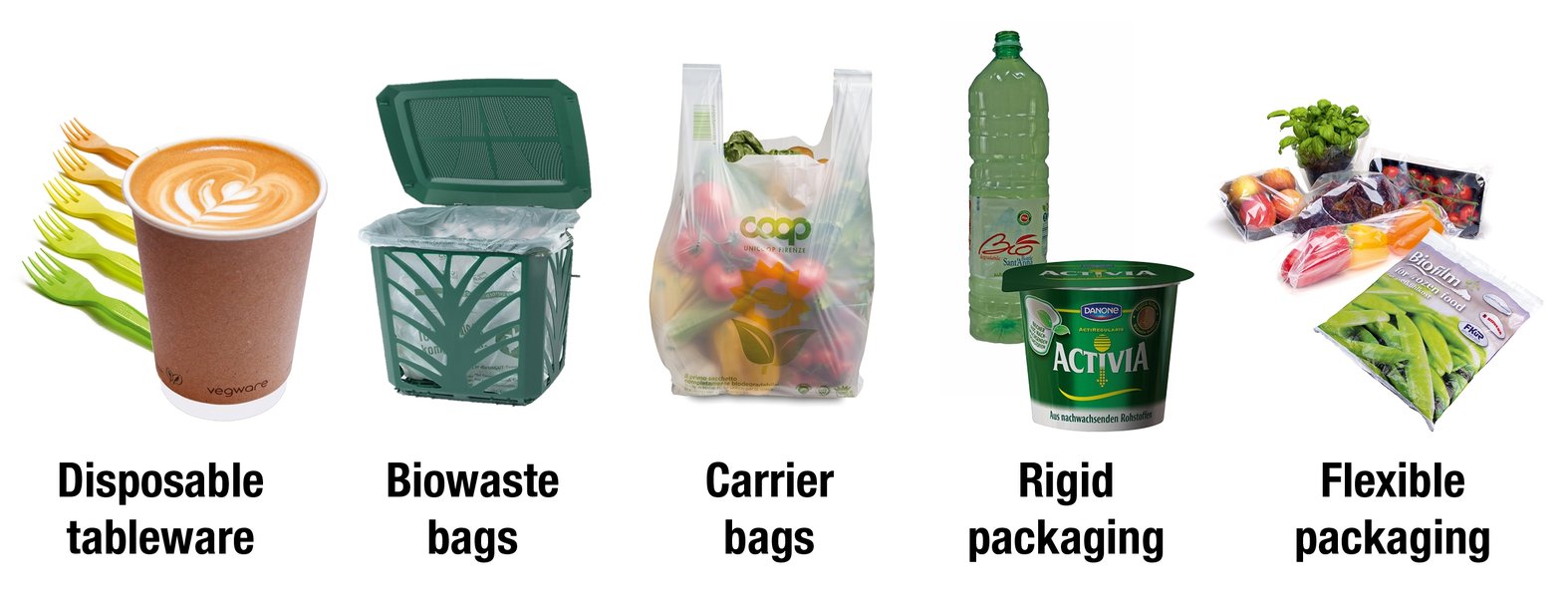
A visual representation of various biodegradable plastic products, showcasing their potential to reduce environmental impact.
Furthermore, full life cycle assessments are crucial to ensure that the environmental benefits are holistic, considering factors from raw material cultivation (e.g., land use, fertilizer emissions for biomass) to processing energy and end-of-life scenarios. The cost of producing fossil-free bioplastics can also be higher than traditional plastics, posing an economic barrier, though innovations utilizing waste feedstocks like olive pits and wastewater methane offer promising paths to reduce these costs.
However, the ongoing investment in material science, coupled with increasing consumer demand and supportive policy initiatives like single-use plastic bans and Extended Producer Responsibility (EPR) schemes, indicates a strong trajectory towards a future dominated by diverse, sustainable, and less oil-dependent plastic alternatives. The goal is to create a portfolio of materials that not only match the functionality of conventional plastics but also seamlessly integrate into a truly circular economy, minimizing environmental impact at every stage of their lifecycle.
Frequently Asked Questions
What is the main difference between "bio-based" and "biodegradable" plastics?
Are all bioplastics suitable for home composting?
How do "drop-in" bioplastics contribute to sustainability?
What role does agricultural waste play in plastic alternatives?
What are the main challenges for widespread adoption of plastic alternatives?
Conclusion
The landscape of plastic alternatives is undergoing a profound transformation, marked by ingenious material innovations that move beyond oil dependence. As of June 2025, the industry is witnessing a significant shift towards bio-based and novel non-fossil feedstocks, yielding materials that possess comparable properties to conventional plastics while offering vastly improved environmental profiles. From plant-derived bioplastics like PLA and PHA to groundbreaking innovations utilizing fungal mycelium, algae, agricultural waste, and even superglue precursors, the diversity and sophistication of these alternatives are rapidly expanding. While challenges such as cost, scalability, and consumer education remain, the confluence of material science breakthroughs, increasing investment, and strong policy support is paving the way for a future where high-performing, sustainable plastic alternatives are not just a possibility, but a global reality, fundamentally reshaping our approach to consumption and waste.
Recommended Further Exploration
- How are advanced recycling technologies supporting plastic alternatives?
- What are the full life cycle environmental impacts of different bioplastics?
- What policy measures are most effective in promoting the adoption of sustainable packaging?
- Innovations in creating edible or water-soluble packaging materials.