
Strategic Play Equipment Integration for a Modern Park
Balancing Safety, Design, and Development in a Family-Friendly Environment
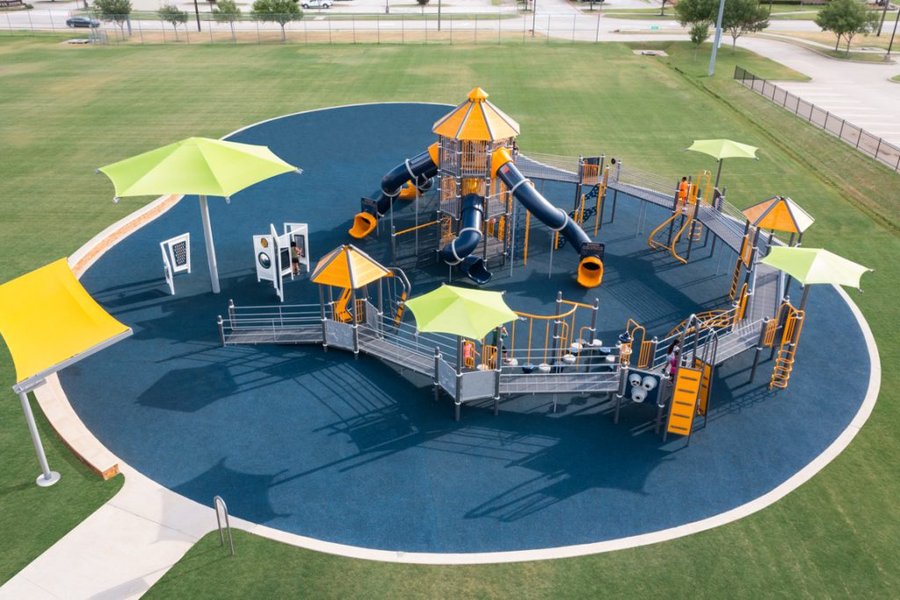
Key Insights
- Enhanced Physical & Social Development: The equipment not only supports physical growth but also encourages cooperative play and social interaction.
- Rigorous Safety & Maintenance Standards: Careful consideration of softfall installation, material selection, and regular maintenance ensures safety and prolonged equipment life.
- Seamless Landscape Integration: Integrating pathways, garden beds, and planting with play structures enhances aesthetics and functional accessibility.
Overview of the Decision
In designing a contemporary park, the decision to incorporate a roundabout, climbing tower, and hill slide stems from their unique ability to address multifaceted needs. These structures not only deliver diverse physical challenges that aid in the development of strength, coordination, and spatial awareness, but they also foster social interaction and inclusive play. Their integration, when embedded within a carefully landscaped environment, creates a stimulating yet safe arena for children and families.
Detailed Analysis and Considerations
Roundabout
Advantages:
A. Enhanced Safety and Traffic Flow: Roundabouts are widely recognized for reducing the likelihood of injury crashes and severe accidents by improving traffic flow and reducing speed at intersections. Their design minimizes conflict points, thereby ameliorating collision risks.
B. Social and Imaginative Play: The classic rotary structure offers children an avenue for dynamic movement and creative play while also serving as a communal focal point within the park.
Disadvantages:
A. Potential Safety Hazards: If not appropriately maintained or designed, roundabouts can create hazards, particularly for young children or those with mobility impairments. The ongoing monitoring and maintenance are essential.
B. Landscaping Challenges: While garden beds and planting add to the attractive aesthetic, they require careful planning to prevent obscuring vital safety components and pathways.
Installation and Materials:
Roundabouts should ideally be constructed from durable materials such as stainless steel or recycled plastic, combined with resilient surface treatments to withstand weather extremes. Pathways surrounding the roundabout should have non-slip surfaces and may include rubberized materials to aid accessibility.
Softfall and Safety Measures:
A proper softfall layer along the perimeter is essential to cushion any accidental falls. Materials like engineered wood fiber or poured-in-place rubber are preferred to reduce injury risks. Adequate spacing and clearly marked pathways support safe access and supervision.
Climbing Tower
Advantages:
A. Physical and Cognitive Development: The climbing tower is designed to challenge children physically while also stimulating problem-solving and critical thinking. It encourages muscle strengthening, develops balance, and promotes coordination.
B. Inclusivity and Varied Play: Multifaceted climbing structures can cater to children across different age groups and physical abilities, with versatile elements that introduce varied challenges.
Disadvantages:
A. High Maintenance Requirements: The structure requires regular inspections and maintenance to ensure that all elements remain safe, secure, and free from wear and tear. HVAC and steel components might need remediation over time.
B. Installation Complexity: Secure anchoring and precise engineering are needed during installation. The mounting often requires specialized equipment and expertise, as missteps can lead to instability.
Materials and Installation:
Generally, climbing towers are constructed from weather-resistant, non-toxic materials such as powder-coated steel or durable HDPE. The structure must be anchored to a well-prepared foundation, and the installation should be executed following rigorous safety standards.
Softfall and Surrounding Infrastructure:
Softfall around climbing towers is critical. Using shock-absorbing surfaces such as rubber mulch or synthetic grass can significantly minimize injuries from falls. Additionally, the design must incorporate accessible pathways that allow guardians to supervise children easily.
Hill Slide
Advantages:
A. Fun and Engaging Play: Hill slides provide a thrilling yet controlled experience for children, promoting physical activity while introducing them to concepts of gravity and motion. The sliding element can boost confidence and ensure that play remains exciting.
B. Natural Aesthetic Integration: When designed to align with the landscape, hill slides can blend seamlessly into the natural contours of the park, adding an organic, visually appealing element.
Disadvantages:
A. Risk of Collision and Falls: Without proper supervision and safety mechanisms such as sufficient softfall in the landing area, hill slides can present dangers, particularly if weather conditions make surfaces slippery.
B. Maintenance Demands: Routine cleaning and inspection of the slide’s surface is necessary to maintain friction and safety, especially in varying weather conditions.
Materials and Installation:
Hill slides are typically made from robust materials such as powder-coated metal or high-grade plastic which are resistant to wear, weather, and UV exposure. Installation should ensure a safe gradient (typically between 30-35 degrees) and include secure anchoring methods. Incorporating a softfall base using engineered surfaces like rubber mulch is essential.
Softfall and Additional Safety:
Ensuring that a softfall covers the landing area is a non-negotiable safety inclusion. In addition, well-defined pathways and strategic positioning of the slide relative to other play areas contribute to overall user safety.
General Considerations for Installation and Maintenance
Softfall and Impact Absorption
Installing an effective softfall covering is fundamental for all three play pieces. It not only cushions falls but also aligns with safety standards often mandated by local regulations. The materials typically used include:
- Rubber Mulch – Provides excellent shock absorption and is durable.
- Synthetic Grass – Soft, visually appealing, and reduces impact injuries.
- Engineered Wood Fiber – A natural material that also serves environmental purposes.
The application of these materials around and beneath play equipment minimizes injury risk and reduces liability for park managers.
Equipment and Component Materials
Material selection impacts longevity, aesthetics, and safety. For instance:
- Metal Components: Stainless steel or powder-coated metals are ideal for durability and resistance to weathering.
- Plastics and Composites: Recycled plastics and HDPE are used for their non-toxicity and ease of maintenance.
- Wood Elements: When used, the wood must be treated to withstand environmental factors and reduce splintering risk.
These choices are crucial not only for operational safety over many seasons but also for the minimal disruption required during routine maintenance.
Installation Methods
The installation approach for these play structures involves:
- Ensuring proper anchoring and foundation work to prevent shifting and tipping.
- Compliance with local safety codes including adequate spacing from pathways and other equipment.
- Professional installation by specialists to follow manufacturer guidelines and regulatory standards, ensuring that the structures meet both durability and safety standards.
Combining precise engineering with best practices in installation results in a system that not only works well under heavy use but also minimizes extensive repair needs.
Pathways, Garden Beds, and Planting
Integrating play structures with surrounding landscape features provides both aesthetics and functionality:
- Pathways: Use of non-slip surfaces such as rubberized asphalt or concrete with textured finishes ensures smooth transitions and promotes safety for all visitors. These paths also need to be accessible to those with disabilities.
- Garden Beds: Strategically placed garden beds not only beautify the park but can serve as natural buffers separating play areas from other high-traffic zones.
- Planting: The selection of native or low-maintenance plants ensures a sustainable, visually pleasing environment that requires minimal intervention while enhancing safety by discouraging unauthorized access to sensitive areas.
The thoughtful design of these areas fosters an inviting open space that encourages free play while maintaining a connection to nature.
Visualizing the Integration
Comparative Analysis Table
| Equipment | Advantages | Disadvantages | Key Considerations |
|---|---|---|---|
| Roundabout |
• Reduced injury risk • Promotes social play • Low maintenance with proper design |
• Potential hazards for very young children • Requires regular landscape upkeep |
• Durable materials (stainless steel/recycled plastic) • Effective softfall and accessible pathways |
| Climbing Tower |
• Boost physical strength, balance and cognitive skills • Inclusive design for various ages |
• High maintenance and complex installation • Risk of falls if not properly cushioned |
• Use non-toxic, weather-resistant materials • Surround with robust softfall and secure anchoring |
| Hill Slide |
• Provides exhilarating fun and physical engagement • Integrates seamlessly with natural landscapes |
• Risk of falls and potential collisions • Requires weather-adapted maintenance |
• Design a safe slope and ensure proper softfall installation • Consider cleaning and maintenance routines |
Radar Chart: Performance Metrics Analysis
Below is a radar chart that encapsulates a synthesized performance evaluation of each play structure across key metrics such as safety, user engagement, maintenance ease, landscape integration, and installation complexity. This visualization compares subjective performance values as derived from comprehensive analyses.
Mindmap Diagram: Equipment Integration Strategy
The following mindmap provides a simplified visualization of the connectivity among key elements: safety, user engagement, material selection, maintenance, installation, and landscaping. Refer to it for an overview of the equipment integration strategy.
Further Exploration: Multimedia Resource
For a comprehensive visual explanation of climbing equipment benefits and proper maintenance procedures, the following video provides additional insights into playground safety and equipment upkeep:
FAQs
References
- PMB - Soft Fall Mulch Playground
- FDOT - Roundabout Benefits
- Ozbreed - Soft Fall Landscapes
- Howard University Bison - Climbing Ramp Benefits
- TP Toys - Climbing Frame Development
Recommended Further Queries
Last updated March 30, 2025