
Analysis of the Recent PLTR Dip & Trading Strategies
Exploring key insights behind Palantir’s stock dip and effective trading approaches
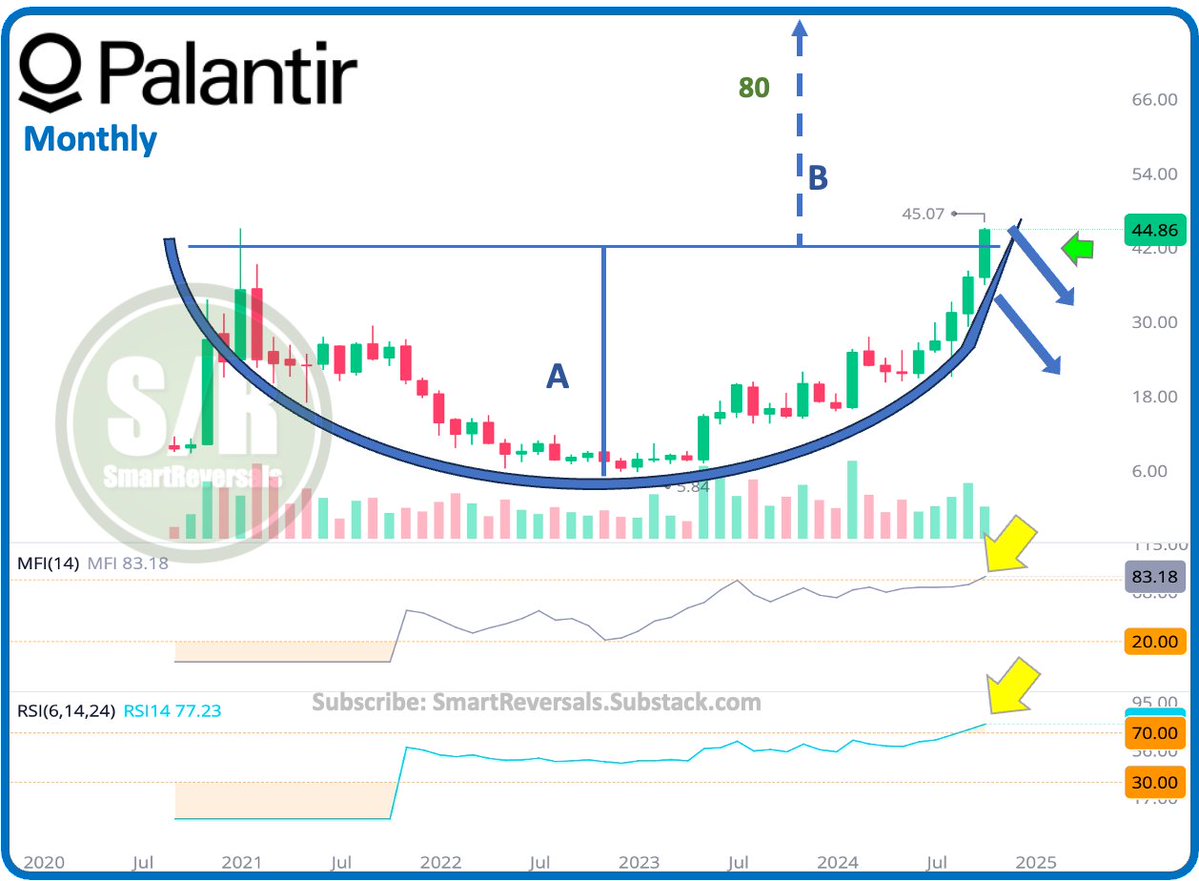
Key Takeaways
- Market Influences: Recent stock selloffs are driven primarily by defense spending uncertainties and CEO share sale plans.
- Trading Strategies: Approaches include “buy the dip,” technical trading, dollar-cost averaging, and risk mitigation via options strategies.
- Long-Term Perspective: Despite the temporary decline, Palantir’s strong market position in AI and government contracts support long-term growth potential.
Overview of the Recent Dip
Palantir Technologies’ (PLTR) stock recently experienced a notable dip, attracting significant attention from investors and traders alike. The decline in the stock price can be attributed to a mix of factors that have impacted market sentiment. Key among these are concerns related to potential cuts in U.S. defense spending and internal moves by the company’s leadership, such as the CEO’s plan to sell a substantial number of shares. This combination of external market pressures and internal strategic decisions led to increased volatility, which resulted in a notable selloff of the stock.
Factors Contributing to the Dip
Government Spending and Contract Exposure
Palantir, being a major technology provider for U.S. government agencies, particularly in the defense sector, has its performance closely tied to defense budgets. Recently, reports of potential defense budget cuts triggered concerns, as reduced government spending could impact a significant chunk of the company's revenue. Given that over 40% of Palantir's revenue in key periods has come from government contracts, any reduction in budgets brings uncertainty about future earnings and client spends. This factor alone has been a critical driver behind the negative sentiment.
CEO’s Stock Sales and Market Sentiment
Another important factor contributing to the recent decline is the noise surrounding the CEO’s announced plan to sell millions of shares over the upcoming months. When a company’s executive scales down their holdings, it can be interpreted by the market as a signal of internal uncertainty or as a tactical repositioning for personal gains rather than long-term commitment. As a result, investors become cautious, leading to an increase in selling pressures. This has compounded the selloff and pushed the stock price into correction territory.
Profit-Taking and Short-Term Volatility
After witnessing a robust performance earlier in the year, many investors used this opportunity to take profits once the stock peaked. This profit-taking, combined with a short-term technical decline, has resulted in a situation where the stock is now priced noticeably lower than its previous highs. In addition, technical indicators and moving averages have flagged supports and resistance levels, which have heightened trading activity as investors look for entry points.
Best Trading Strategies for the Current Situation
A wide range of strategies has emerged from the current market environment. Depending on your investment horizon and risk tolerance, you can consider several approaches. Here, we explore the detailed strategic options for trading the PLTR dip.
Long-Term Investment Approach
For investors with a long-term outlook, the current dip is seen by many as an attractive entry point to build or add to positions. Despite the short-term volatility, Palantir’s underlying fundamentals remain robust, supported by its leading position in the AI sector and a diversified customer base that extends beyond government contracts. Here are some key considerations:
Fundamental Analysis
Despite the temporary pullback, Palantir continues to exhibit strong revenue growth and a significant market position. The company’s technological edge in data analytics and AI solutions enables it to capture opportunities both from governmental agencies and commercial entities. Coupled with positive future projections and an increasingly diversified business model, long-term investors view the dip as a strategic gateway for accumulating shares at a lower cost.
Dollar-Cost Averaging
Dollar-cost averaging (DCA) is another effective strategy for mitigating timing risks during volatile periods. Instead of investing a lump sum at one price, DCA allows investors to buy at regular intervals regardless of the market price. This technique reduces the impact of short-term fluctuations and ensures that the average cost per share is lower over time, making it an appropriate strategy during market dips.
Technical Trading Considerations
On the technical front, several strategic points need to be observed. The recent dip has brought the stock near critical support levels, and understanding these technical benchmarks is crucial for any short-term trading decision.
Support Levels and Moving Averages
Analysts have identified multiple key support levels for PLTR. For instance, the region between $75 and $100 appears to serve as a safety net, where buyers step in to purchase opportunistically. Observing these levels can provide not only entry points but also markers for potential stop-loss orders. A break of such levels might signal further downside risk while successful defense of these levels could result in a rebound.
Indicators and Volume Trends
Several technical indicators, including moving averages and chat patterns, are currently in focus. Technical analysts often refer to the 20-day moving average as a dynamic support line, and if the stock maintains above this, it may indicate an underlying strength. Additionally, volume trends suggest that higher trading volumes during the dip may indicate a capitulation phase, thereby setting up a possible reversal if sentiment turns positive.
Short-Term Trading and Options Strategies
For those engaged in short-term trading, the current volatility may offer opportunities to engage in a “buy the dip” strategy, albeit with tight risk management protocols in place.
Entry and Exit Planning
One practical approach includes buying near identified support levels, such as around the $100 mark. Once in position, a trader can set stop-loss orders to protect against further declines. For instance, if you purchase at $100, setting a stop-loss at $80 can help cap losses and secure your risk appetite. In addition, predetermined profit targets provide clarity on when to take gains based on the risk-reward ratio.
Utilizing Options for Hedging
Options trading is a versatile strategy to hedge long positions or generate additional income using premium collections. A covered call strategy, where you hold the stock and sell call options, offers a way to generate extra income while also cushioning the purchase price of shares. This approach is particularly attractive during periods of minor volatility when the risk of a drastic decline is mitigated by the premium income.
Risk Management Considerations
Regardless of the strategy you adopt, risk management must be paramount. Implementing stop-loss orders is critical to limit losses if the trade goes against you. Furthermore, diversifying your portfolio and not overcommitting capital to one volatile stock will help to protect your overall investment strategy. Investors should always gauge their risk tolerance and set alerts based on technical indicators to fine-tune their entry and exit strategies.
Example Trading Plan Table
| Strategy Component | Details |
|---|---|
| Entry Point | Consider buying around the $100 level if technical support holds |
| Stop-Loss | Set stop-loss near $80 to limit exposure to further declines |
| Profit Target | Identify exit points slightly above the current price, e.g., near $120 or higher based on market conditions |
| Risk-Reward Ratio | Aim for at least a 1:2 ratio (risking $20 to potentially gain $40 or more) |
| Options Strategy | Utilize covered calls to earn premium income while holding long positions |
| Dollar-Cost Averaging | Gradually increase exposure over time to spread out entry risk |
In-Depth Discussion on Trading Strategies
Buy the Dip Strategy in Context
The concept of “buying the dip” revolves around the idea that temporary declines provide a chance to purchase quality stocks at lower prices. Traders and long-term investors alike have identified various triggers in the case of PLTR that frame the current downturn as a potential opportunity:
Market Sentiment and Recovery Potential
The current sentiment suggests that while there is short-term bearish pressure due to negative news surrounding defense budgets and executive sales, the long-term growth prospects remain intact. Palantir’s foothold in the AI sector and its ability to secure high-value contracts—both governmental and commercial—supports the notion that the current dip is temporary. Historical performance, combined with strong year-to-date gains in revenue, underlines the potential for a rebound once the market digests the implications of the recent news.
Balancing Technical and Fundamental Analysis
Successful trading often entails a balanced approach that considers both fundamental and technical aspects. On the fundamental side, understanding Palantir’s revenue sources, growth metrics, and strategic positioning is key. On the technical side, watch how the stock interacts with key moving averages and support levels. A careful synthesis of these perspectives can assist traders in determining whether the dip is a temporary anomaly or an early sign of prolonged weakness.
Options Strategies to Enhance Trading Flexibility
Options add a layer of flexibility, allowing traders to hedge positions or create income streams. For example, pairing a long stock position with a covered call can help offset potential losses if the stock continues to decline. This method not only provides a buffer against further price drops but also generates additional income that might compensate for the downturn. The use of options is highly recommended for traders who are adept at managing derivative instruments and who seek to mitigate volatility through strategic hedging.
Short-Term Trading with Tight Stop-Losses
For traders with a short-term horizon, the volatility provides several technical entry points. The key lies in monitoring technical indicators such as the 20-day moving average and identifying when the stock finds support at critical levels. Set stop-loss orders meticulously to ensure that losses are limited should the market move further against your position. By adhering to a pre-defined risk-reward ratio, short-term traders can take advantage of small rebounds and short-term market corrections while preserving capital.
Additional Considerations for Trading PLTR
Trading a stock like PLTR, which is influenced by both macroeconomic news and company-specific events, requires continuous monitoring and an adaptable strategy. Below are further considerations that investors should factor into their decision-making process:
Monitoring Broader Market Conditions
Not only should traders focus on the specific technical signals and company news, but they should also monitor broader market trends. Any shifts in market sentiment—whether due to geopolitical events, changes in fiscal policy, or broader economic indicators—can affect the stock’s performance. Keeping a pulse on market conditions enables traders to adjust their strategies dynamically.
Diversifying Risk Exposure
While the PLTR dip may offer an attractive entry point for many, it is crucial to balance your portfolio by not overconcentrating your investments in one asset. Risk diversification across sectors or other market instruments can help mitigate the exposure risk inherent in any volatile stock. A diversified portfolio ensures a level of stability and reduces the impact of isolated market events.
Regularly Updating Trading Strategies
Conditions in the market are dynamic, and as such, any trading strategy must be flexible enough to adapt to new information. Whether it involves recalibrating stop-loss orders or re-assessing support/resistance levels, continuously evaluate your trading plan against the evolving market conditions. This process might require periodic adjustments based on the stock’s performance, ensuring that your strategy remains aligned with your risk tolerance and investment goals.
Conclusion
In conclusion, the recent dip in Palantir (PLTR) stock has resulted from a combination of factors—ranging from concerns about potential defense budget cuts to the CEO’s strategic decision to sell a significant portion of his shares. Each of these factors has contributed to the present market volatility and has opened up opportunities for various trading strategies.
For long-term investors, this dip may represent a strategic buying opportunity, particularly when combined with dollar-cost averaging to mitigate timing risks. The fundamentals of Palantir remain strong due to its market leadership in AI and its well-diversified revenue streams, despite short-term perturbations. Meanwhile, short-term traders might consider capitalizing on technical support levels, a “buy the dip” strategy, or options-based strategies, such as covered calls to earn extra income while hedging their positions.
Ultimately, whichever approach you choose, comprehensive risk management remains critical. Setting stop-loss orders, monitoring support and resistance levels, and maintaining an adaptable trading plan will help manage the risks associated with market volatility. Additionally, staying updated on market news and performing regular reassessments of your trading strategy will be vital. As always, it is highly recommended to consult with a financial advisor or conduct further research to align any strategy with your investment goals and risk tolerance.
References
- Palantir 20% Freefall: Buy-the-Dip Details - Money Morning
- Palantir Stock Dips 10% Amid Defense Budget Concerns - Yahoo Finance
- Palantir Bulls: Selloff as Opportunity to Buy - Investopedia
- Palantir Shares Down Amid Selloff - CNBC
Recommended Further Queries
Last updated February 21, 2025