
Navigating the Maze: Your Strategic Playbook for Revitalizing a Legacy Web App with a Lean Team
A comprehensive guide for a new Product Manager facing technical debt, dual portals, and limited resources.
Stepping into a new Product Manager role, especially as the first one hired, to tackle an underperforming, dated, and bloated web application with only three developers is a significant challenge. The application's division into client and corporate portals, both needing extensive support, adds complexity. However, this scenario also presents a tremendous opportunity to make a substantial impact. Success hinges on a structured approach focused on assessment, collaboration, ruthless prioritization, and iterative improvement. This guide outlines a strategic 90-day plan, working closely with the CTO and the development team.
Essential First Steps: Key Highlights
- Deep Discovery & Alignment: Prioritize understanding the product's history, technical debt, business goals, user pain points, and team dynamics within the first 30 days. Forge a strong partnership with the CTO.
- Ruthless Prioritization & Quick Wins: Given the small team size, focus intensely on identifying and executing high-impact, low-effort improvements that address critical user issues or reduce support load early on.
- Phased Modernization & Agile Execution: Develop a realistic, incremental roadmap balancing immediate needs with long-term technical health. Implement lightweight agile processes to foster transparency and adaptability.
Phase 1: The First 30 Days - Immersion and Assessment
The initial month is crucial for gathering context, building relationships, and establishing a baseline without rushing into solutions. Think of it as a discovery sprint.
Deep Dive into the Product & Business Context
Understanding the Landscape
Schedule meetings with the CTO, founders (if applicable), key business stakeholders, and potentially long-standing employees. Aim to understand:
- The company's vision, mission, and strategic objectives.
- The history of the web application – why was it built this way? What were the original goals?
- The target user base for both the client and corporate portals. Who are they, and what problems does the app solve for them?
- The competitive landscape and the app's market positioning.
- Key business metrics and how the web app contributes to them (e.g., revenue, customer retention, operational efficiency).
Gathering User Insights
Actively seek out user feedback. This could involve:
- Reviewing existing support tickets, bug reports, and customer complaints.
- Analyzing usage data and analytics (e.g., Google Analytics, Hotjar) for both portals to identify drop-off points, error rates, and feature usage patterns.
- Conducting interviews or sending surveys to a sample of client portal users and internal corporate portal users to understand their primary pain points, desired features, and overall satisfaction.
Understanding the Technical Landscape
Mapping Technical Debt
Collaborate closely with the CTO and the developers to get a handle on the technical state:
- Identify the core technologies, frameworks, and architecture used. Why are they considered dated?
- Understand the sources of bloat – is it feature creep, inefficient code, database issues, or architectural limitations?
- Map out dependencies, integrations, and infrastructure.
- Identify the most significant performance bottlenecks, security vulnerabilities, and areas prone to errors or high support costs.
- Review any existing technical documentation (even if outdated).

Understanding the technical structure requires close collaboration with the development team.
Building Trust with the Team
Integrating with Developers and CTO
As the first PM, building rapport and trust is paramount:
- Listen First: Spend significant time listening to the developers. Understand their frustrations, insights, ideas, and challenges working with the current application.
- Understand Strengths: Learn about each developer's expertise, experience, and areas of interest (frontend, backend, database, etc.).
- Clarify Roles: Establish clear expectations for your role as PM and how you'll work together. Emphasize a collaborative approach.
- CTO Partnership: Build a strong working relationship with the CTO. Understand their technical vision, constraints, and priorities. This partnership is key to navigating technical decisions and resource allocation.
Establishing Baselines
Measuring the Starting Point
Identify and document key performance indicators (KPIs) to measure the current state and track future progress. Examples include:
- Application load times (client and corporate portals).
- Error rates (server-side and client-side).
- User satisfaction scores (if available, or plan to implement surveys).
- Support ticket volume related to the web app.
- Feature adoption rates.
- Task completion rates for key user flows.
By the end of 30 days, aim to have a comprehensive understanding of the problems, context, and people involved, documented in a preliminary assessment shared with the CTO.
Phase 2: Days 31-60 - Strategy, Prioritization, and Quick Wins
With a solid foundation of understanding, the focus shifts to defining a clear strategy, prioritizing ruthlessly, and delivering tangible initial value.
Forging a Shared Vision & Roadmap
Defining the Direction
Work with the CTO and key stakeholders to define a realistic product vision and strategic goals for the web application. What does success look like in 6 months? In a year? This vision should align with broader company objectives.
Developing an Incremental Roadmap
Create a phased product roadmap that balances:
- Quick Wins: High-impact, low-effort fixes addressing major pain points.
- Stabilization: Addressing critical bugs, security issues, and performance bottlenecks.
- Technical Debt Reduction: Allocating some capacity to refactoring problematic code or improving infrastructure.
- Strategic Improvements: Features or enhancements aligned with the long-term vision.
Communicate this roadmap clearly to manage expectations across the company.
Ruthless Prioritization in Action
Focusing Efforts
With only three developers, you cannot tackle everything. Implement a prioritization framework (like RICE: Reach, Impact, Confidence, Effort or MoSCoW: Must Have, Should Have, Could Have, Won't Have) to objectively evaluate potential tasks. Focus initial efforts on items that offer the highest value, whether it's improving user satisfaction, reducing support costs, enhancing stability, or unblocking the team.
Example Prioritization Framework Application
Below is a simplified example table illustrating how the RICE framework might be applied to potential tasks for the web app. Scores are illustrative and would be determined through analysis and team discussion.
| Feature/Task | Portal | Reach (Monthly Users) | Impact (1-3 Scale) | Confidence (%) | Effort (Dev Weeks) | RICE Score | Priority |
|---|---|---|---|---|---|---|---|
| Fix Client Login Failures | Client | 5000 | 3 (High) | 100% | 1 | 15000 | Highest |
| Optimize Corporate Report Generation Speed | Corporate | 50 | 2 (Medium) | 90% | 2 | 45 | Medium |
| Refactor Legacy Payment Module | Client | 5000 | 3 (High) | 70% | 6 | 1750 | High |
| Implement New Dashboard Widget | Corporate | 50 | 1 (Low) | 80% | 3 | 13.3 | Low |
| Improve UI Consistency Across Portals | Both | 5050 | 1 (Low) | 100% | 5 | 1010 | Medium-Low |
Note: RICE Score = (Reach * Impact * Confidence) / Effort. Higher scores indicate higher priority.
Implementing Lightweight Processes
Streamlining Workflows
Introduce simple, effective agile practices tailored for a small team:
- Daily Stand-ups: Quick syncs (15 mins) to discuss progress, plans, and blockers.
- Sprint Planning/Iteration Goals: Define clear, achievable goals for short work cycles (e.g., 1-2 weeks).
- Backlog Management: Maintain a prioritized backlog using a simple tool (e.g., Trello, Jira Lite, GitHub Projects).
- Retrospectives: Regularly discuss what’s working well and what can be improved in the team's process.
The goal is transparency, focus, and continuous improvement, not bureaucratic overhead.

Effective teamwork and streamlined processes are essential for a small development team.
Tackling Low-Hanging Fruit
Delivering Early Value
Focus the team's initial development cycles on delivering quick wins identified during discovery and prioritization. This could include:
- Fixing the top 3-5 most reported bugs or user complaints.
- Optimizing a particularly slow-loading page or critical workflow.
- Improving error messaging or user guidance in confusing areas.
Successfully delivering these early improvements builds momentum, demonstrates value, and boosts team morale.
Visualizing the Strategic Approach
To better understand the interconnected elements of this turnaround strategy, the following mindmap outlines the key areas of focus and their related activities. It provides a high-level overview of the journey from assessment to sustained improvement.
(Days 1-30)"] id1a["Understand Business Context"] id1b["Analyze User Feedback & Data"] id1c["Map Technical Debt & Architecture"] id1d["Build Team & Stakeholder Relationships"] id1e["Establish Baseline Metrics (KPIs)"] id2["Strategic Planning
(Days 31-60)"] id2a["Define Shared Vision & Goals"] id2b["Develop Phased Roadmap"] id2c["Prioritize Ruthlessly (RICE/MoSCoW)"] id2d["Identify Quick Wins"] id3["Agile Execution & Iteration
(Days 61-90+)"] id3a["Implement Lightweight Processes (Agile)"] id3b["Execute Initial Roadmap Items"] id3c["Deliver Quick Wins & Stabilize"] id3d["Establish Feedback Loops (User & Team)"] id3e["Monitor KPIs & Report Progress"] id4["Team Empowerment"] id4a["Foster Collaboration & Safety"] id4b["Define Clear Roles & Goals"] id4c["Protect from Scope Creep"] id4d["Celebrate Successes"] id4e["Advocate for Resources (if needed)"] id5["Technical Modernization"] id5a["Address Critical Tech Debt"] id5b["Incremental Refactoring"] id5c["Performance Optimization (Caching, DB)"] id5d["Explore Architectural Shifts (Modularization)"] id5e["Consider Modern Tech (PWAs, APIs)"]
Phase 3: Days 61-90 - Execution, Modernization, and Iteration
The third month focuses on executing the initial plan, starting incremental modernization efforts, establishing robust feedback loops, and looking towards the future.
Executing the Initial Roadmap
Delivering Improvements
Guide the development team in executing the prioritized tasks from the roadmap. Ensure requirements are clear and blockers are removed promptly. Maintain momentum from the quick wins delivered in the previous phase.
Initiating Incremental Modernization
Addressing Technical Debt Strategically
While continuing to deliver user value, begin allocating a portion of the team's capacity to address technical debt and initiate modernization. This should be gradual and strategic:
- Refactoring: Target specific, problematic modules for refactoring to improve code quality and maintainability.
- Performance Optimization: Implement caching strategies, database optimizations, or frontend performance improvements identified earlier.
- Modularization: Explore breaking down tightly coupled parts of the application, potentially separating concerns between the client and corporate portals more cleanly at the code level. Avoid a full rewrite.
- Technology Updates: Cautiously update critical outdated libraries or frameworks where the benefit outweighs the risk and effort.
Establishing Feedback Loops
Continuous Learning and Adaptation
Formalize mechanisms for gathering ongoing feedback:
- User Feedback: Implement regular user surveys, usability testing sessions (even informal ones), or feedback widgets within the application.
- Stakeholder Updates: Provide regular progress updates to the CTO and other stakeholders, demonstrating the impact of the team's work using the established KPIs.
- Team Retrospectives: Continue holding retrospectives to refine team processes and address any emerging challenges.
Use this feedback to continuously refine the backlog and roadmap.
Advocating for Resources (If Necessary)
Building the Case for Growth
By the 90-day mark, you should have demonstrated initial progress and built credibility. If the scope of work clearly exceeds the capacity of the three developers long-term, use the data and results achieved so far to build a business case with the CTO for additional resources (e.g., another developer, QA support, specific tooling).
Gauging Progress: A 90-Day Outlook
Tracking progress requires measuring key aspects of the product and team. The radar chart below provides a hypothetical visualization of the initial state versus the target state after the first 90 days of implementing this strategic plan. It aims to show improvement across various dimensions, reflecting the impact of focused effort on stabilization, user experience, and team velocity, even with limited resources.
This chart helps visualize the intended trajectory – moving from a state of low performance, stability, and maintainability towards measurable improvements across the board by focusing efforts strategically over the initial 90-day period.
Relevant Insights on High-Performing Applications
Understanding the principles behind developing and maintaining high-performing web applications is crucial when tackling a dated and underperforming system. The video below discusses strategies and considerations for building applications that are not only functional but also fast, reliable, and scalable – key goals for the modernization effort.
This discussion covers aspects of product strategy, design, user experience, and development practices that contribute to application performance. Applying these principles, even incrementally, can guide the refactoring and optimization efforts for both the client and corporate portals, ensuring that improvements lead to a genuinely better user experience and a more robust technical foundation.
Modernization Considerations
Improving a dated and bloated application requires careful consideration of modernization strategies, especially with a small team.
Incremental Refactoring vs. Big Rewrite
A full rewrite is often tempting but extremely risky, especially with limited resources. It can take a long time, introduce new bugs, and delay value delivery. Prioritize incremental refactoring – improving existing code piece by piece – over a complete overhaul. Target the most problematic areas first.
Exploring Architectural Shifts
While a full microservices architecture might be too ambitious initially, consider principles of modularization. Can parts of the client portal logic be better isolated from the corporate portal? Can shared components be clearly defined and managed? Exploring micro-frontends for specific new features or heavily used sections could be a viable long-term goal to reduce monolithic bloat.
Leveraging Modern Web Technologies
Where appropriate, consider introducing modern technologies that enhance user experience and performance:
- Progressive Web Apps (PWAs): For the client portal, PWA features (like offline capabilities, installability, push notifications) could significantly improve engagement and perceived performance.
- APIs: Ensure backend logic is exposed via clean, well-documented APIs. This facilitates potential future decoupling of frontend and backend, or allows for new clients (e.g., mobile apps) to be built later.
- Updated Frameworks/Libraries: Strategically update key frontend or backend libraries to benefit from performance improvements, security patches, and better developer experiences, but weigh the effort carefully.
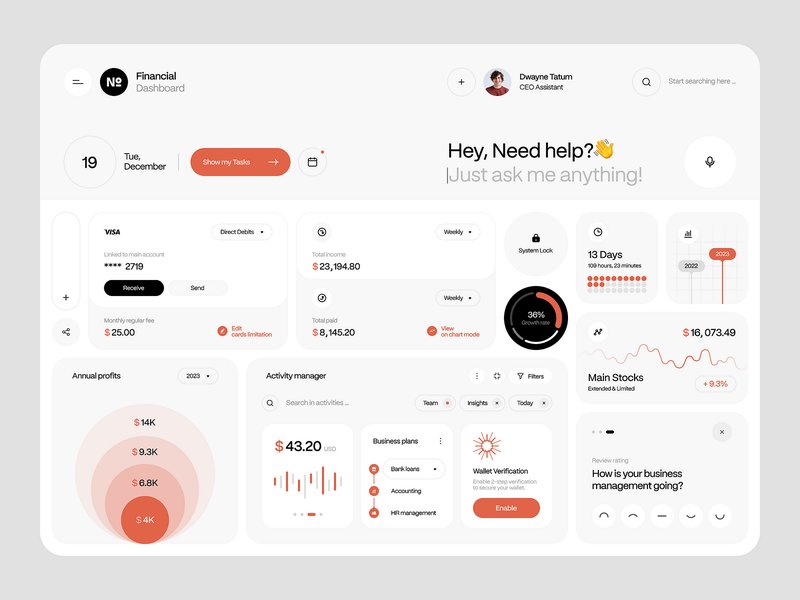
Modernizing often involves updating the user interface alongside the underlying technology.
Performance Optimization
Continuously focus on performance:
- Caching: Implement effective caching at various levels (browser, CDN, server-side, database).
- Database Tuning: Analyze slow queries and optimize database schemas or indices.
- Asset Optimization: Ensure images, CSS, and JavaScript are optimized and delivered efficiently.
- Code Profiling: Use profiling tools to identify and fix performance bottlenecks in the application code.
Managing and Empowering the Small Team
The success of this turnaround heavily relies on the small development team. Effective management and empowerment are crucial.
Fostering Collaboration and Psychological Safety
Create an environment where developers feel safe to voice concerns, suggest ideas, and admit mistakes without fear of blame. Encourage pair programming or code reviews to share knowledge and improve quality. Ensure open communication channels.
Clear Roles and Responsibilities
While the team is small, ensure clarity on who is responsible for what, even if individuals wear multiple hats. As the PM, provide clear requirements and context for the work being done. Protect the team from conflicting priorities or excessive stakeholder requests.
Protecting the Team from Whiplash
Avoid constantly changing priorities. While agility is important, provide stability by sticking to sprint/iteration goals unless a critical issue arises. Shield the team from excessive meetings or distractions unrelated to their core tasks.
Celebrating Wins
Acknowledge and celebrate successes, no matter how small. Fixing a major bug, successfully launching an improvement, or positive user feedback should be recognized. This helps maintain morale during a challenging project.

Building positive team dynamics is critical for navigating challenges.
Frequently Asked Questions (FAQ)
► What if the CTO has different priorities or technical opinions?
This is where the strong partnership is crucial. Engage in open, data-driven discussions. Understand the CTO's perspective – they have deep technical context and responsibility for long-term architecture and stability. Present your priorities based on user feedback, business impact, and feasibility (considering the small team). Look for compromises and alignment on the overall vision. Frame discussions around shared goals (e.g., improving stability, reducing support load) rather than specific implementations. Use the roadmap and prioritization framework as tools for objective conversation.
► How do you handle scope creep with limited resources?
Rigorous prioritization and clear communication are key. Use the established roadmap and backlog as the source of truth. When new requests come in, evaluate them against the prioritized backlog using the agreed-upon framework (e.g., RICE). If a new item is deemed high priority, discuss with the CTO and stakeholders what existing item needs to be de-prioritized or moved to maintain focus and avoid overloading the team. Be transparent about the trade-offs.
► What's the biggest risk in this scenario?
The biggest risks are often burnout of the small development team and failing to show demonstrable progress quickly enough, leading to stakeholder disillusionment. Trying to do too much too soon, or embarking on a risky large-scale refactor/rewrite without proper planning, can exacerbate these risks. Mitigation involves ruthless prioritization, focusing on achievable increments, protecting the team's capacity, celebrating small wins, and maintaining transparent communication with stakeholders about realistic timelines and progress.
► How should success be measured in the first 90 days?
Success in the first 90 days isn't about completely fixing the app. It's about:
- Establishing clear understanding and alignment (product, tech, team, stakeholders).
- Implementing effective, lightweight processes.
- Delivering tangible improvements on 1-2 critical pain points (quick wins).
- Stabilizing the most critical parts of the application.
- Creating a prioritized, realistic roadmap for the next 3-6 months.
- Building trust and a positive working relationship with the CTO and development team.
- Showing measurable progress on key baseline metrics (even small improvements matter).
Recommended Next Steps
To delve deeper into specific aspects of this challenge, consider exploring these related topics:
- Explore strategies for managing technical debt specifically tailored for small development teams.
- Learn how to implement user feedback loops that genuinely inform product decisions.
- Discover agile methodologies best suited for teams facing significant resource constraints.
- Understand the pros and cons of different web application modernization approaches like refactoring versus rewriting.
References
Last updated May 4, 2025