
Roles of Police Forces in a Democratic System
A comprehensive exploration of duties, principles, and community trust across democratic societies
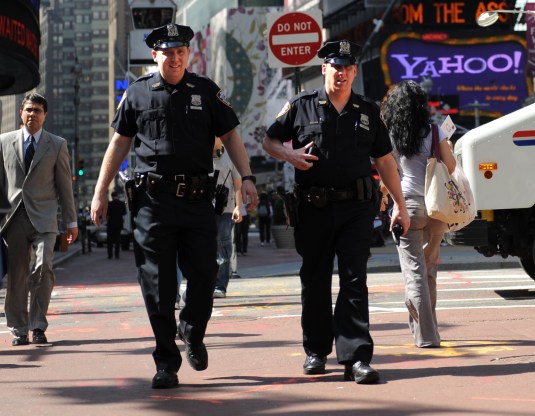
Highlights
- Upholding the Rule of Law – Police maintain public order while ensuring that individual rights are preserved and respected.
- Community Engagement & Accountability – Building trust through transparent engagement and mechanisms for public oversight.
- Multifaceted Responsibilities – Encompassing crime prevention, investigation, emergency response, and protection of vulnerable groups.
Overview
In a democratic system, police forces play a pivotal role in balancing the requirements of enforcing laws, providing essential public safety, and safeguarding the civil liberties of the people. At their core, police forces are entrusted with the task of maintaining order, preventing crimes, and protecting the fundamental rights of all citizens. The interplay between enforcing the law and respecting human rights underpins the legitimacy and accountability of policing in democracies.
The effective operation of police forces relies on principles of transparency, accountability, and community involvement. In democratic societies, policing is not merely about enforcing rules but also about fostering an environment where civic trust is paramount. This trust acts as a cornerstone for not only reducing crime but also ensuring that the police genuinely reflect the diverse populations they serve.
Core Roles and Responsibilities
Maintaining Law and Order
Enforcing Legal Norms
One of the primary functions of any police force in a democratic society is the enforcement of laws. This involves:
- Patrolling public areas to deter potential criminal activity.
- Responding to emergencies, ensuring timely and effective action.
- Investigating crimes and ensuring that perpetrators are held accountable under the law.
The enforcement processes are governed by legal frameworks that demand fairness and impartiality. These frameworks ensure that police officers act within the bounds of the law and that any use of force is both appropriate and justified.
Crisis and Emergency Response
In moments of crisis—whether due to natural disasters, public disturbances, or terrorism—the role of the police becomes even more critical. Their ability to coordinate with other emergency services (fire, medical, and disaster management teams) ensures a holistic response, which is vital for preserving public safety and stability during emergencies.
Protection of Citizens' Rights
Upholding Democratic Liberties
Within a democratic framework, the police are not only enforcers of the law but also protectors of individual rights. This dual mandate includes:
- Guarding Civil Liberties: The police are responsible for ensuring that the constitutional rights—such as freedom of expression, assembly, and movement—are never infringed. They must exercise powers in a way that respects these liberties, facilitating both the practice of democracy and the maintenance of public order.
- Legal Use of Force: While police are empowered to use force to maintain order, such actions are strictly regulated to prevent abuse. The force used must be both necessary and proportionate to the threat posed, and mechanisms must be in place to hold officers accountable for any misuse.
By constantly balancing law enforcement with the protection of individual freedoms, police forces strengthen the very fabric of democratic society.
Crime Prevention and Investigation
Proactive Measures and Community Safety
A crucial element of policing in democracies is the proactive prevention of crime. This is achieved by:
- Implementing community programs that educate citizens on safety practices.
- Using intelligence-driven approaches to anticipate and mitigate criminal activities.
- Collaborating with social services to address underlying causes of criminal behavior, such as poverty or mental health issues.
Alongside preventive measures, comprehensive investigation processes serve as the backbone of detecting crime. Efficient investigations reassure the community that lawbreakers will be pursued and justice will be served in a transparent and lawful manner.
Community Engagement and Building Trust
Community Policing and Collaborative Strategy
In a democratic setting, how the police interact with the community is just as important as the methods they use to enforce laws. Community policing initiatives involve:
- Regular meetings and dialogues with community members to understand local issues and concerns.
- Establishing programs that encourage local residents to participate in crime prevention strategies.
- Enhancing transparency by providing regular reports on police activities and metrics of performance.
This approach not only helps to build mutual trust but also positions the police as integral partners in creating a safe and well-informed environment. By involving community members in a continuous exchange of ideas and concerns, policing becomes a shared responsibility rather than an external imposition.
Accountability and Oversight
Accountability is a cornerstone of democratic policing. Numerous oversight bodies—such as internal affairs units and independent civilian review boards—ensure that police operations meet community standards of fairness and ethics. These oversight measures help reinforce public trust and ensure that police actions are subject to scrutiny, particularly in cases where there might be suspicion of misconduct or abuse of power.
Supporting Vulnerable Communities and Upholding Equality
Protecting Vulnerable Groups
Police forces in democracies have a particular responsibility to safeguard segments of the population that may be more exposed to crime or exploitation. This involves targeted initiatives to:
- Protect children, women, the elderly, and minority groups from various forms of abuse and violence.
- Create specialized units or task forces equipped to handle particular issues affecting these communities.
- Ensure that police practices are free from discrimination, thereby enforcing the principle of equality for all citizens.
The commitment to protecting vulnerable groups is fundamental in ensuring that all citizens, regardless of their social or economic status, enjoy the same security and quality of service.
Ensuring Equality in Law Enforcement
Equality in the application of the law is another pillar of democratic policing. This means:
- Enforcing laws impartially, regardless of race, ethnicity, gender, or socioeconomic status.
- Implementing non-biased approaches in crowd management, traffic enforcement, and during criminal investigations.
- Maintaining a workforce that reflects the population’s diversity, ensuring cultural competence and sensitivity in operations.
Such policies foster trust among community members and ensure that law enforcement acts as a unifying force rather than a divisive entity.
Enhancing Operational Effectiveness
Training and Professional Development
Continuous Improvement and Skill Development
Effective policing in a democracy demands that officers are well-trained and continuously updated with the latest practices. Training programs focus on:
- Legal and ethical standards that govern law enforcement.
- Modern techniques in crime investigation, emergency response, and community engagement.
- Crisis management and de-escalation strategies that prioritize non-violent resolutions.
Ongoing professional development not only improves individual performance but also reinforces the values of impartiality, respect, and accountability which are central to democratic policing.
Collaboration with Other Institutions
Multi-Agency Coordination
The duties of a modern police force often extend beyond traditional law enforcement. They regularly collaborate with a variety of institutions, which include:
- Social Services: Working together with social service agencies to address issues such as homelessness, substance abuse, and family violence.
- Healthcare Providers: Coordinating during public health crises or mental health emergencies to provide balanced, humane interventions.
- Judicial Bodies: Ensuring that law enforcement drafts and testimonies uphold the highest legal standards, which is vital for fair judicial processes.
- Community Organizations: Engaging local community groups to tailor localized crime prevention strategies and enhance resource-sharing.
This collaborative approach is essential for tackling complex social issues that contribute to criminal behavior and helps ensure a comprehensive response that extends beyond immediate law enforcement.
Comparative Understanding and Global Perspectives
Influence of Democratic Ideals on Policing Worldwide
While the basic roles of police forces remain similar across most democratic nations, there are subtle differences in approach reflective of cultural, historical, and legal contexts. For instance:
- Legislative Frameworks: Democracies operate under distinctive legal frameworks that shape policing policies, including the extent and limitation of police powers.
- Community Engagement Models: Some countries have pioneered models of community policing that emphasize localized partnerships and preventative strategies. These models demonstrate significant benefits in reducing crime rates and enhancing community cohesion.
- Oversight Mechanisms: The structure and effectiveness of external oversight vary significantly, influencing public perceptions of police integrity and responsiveness.
Although these differences exist, the overarching objective remains constant: the police must operate as a force for ensuring safety while protecting democratic ideals.
Operational Tools and Technology
Modern Technologies in Democratic Policing
The integration of modern technology has profoundly influenced policing strategies:
- Advanced communication systems and real-time data analysis help officers to respond faster and with more precision.
- Surveillance technologies and forensic tools increase the accuracy of investigations while ensuring ethical use of personal data.
- Technology-driven community platforms enable the public to report incidents, share information, and stay updated on local safety issues.
These innovations not only streamline operations but also serve to enhance accountability through transparent data sharing and oversight. However, there remains an enduring need to balance technological efficiency with respect for privacy and civil liberties.
Summary Table of Police Functions in Democracies
| Function | Description | Key Elements |
|---|---|---|
| Law Enforcement | Patrolling, responding to emergencies, enforcing laws | Public order, appropriate use of force, legal oversight |
| Rights Protection | Safeguarding civil liberties and constitutional rights | Freedom of expression, assembly, due process |
| Crime Prevention & Detection | Implementing strategies to prevent and investigate crimes | Community programs, intelligence gathering, forensic analysis |
| Community Engagement | Building trust and maintaining relations with local communities | Dialogue sessions, transparency, collaborative initiatives |
| Emergency Services | Providing assistance during crises | Rapid response, multi-agency collaboration, crisis management |
| Vulnerable Groups Protection | Special measures for at-risk populations | Targeted initiatives, hate crime prevention, community support |
References
- Police and Democracy - MIT
- Policing Democracy - Office of Justice Programs
- Democratic Policing - Taylor & Francis Online
- Democratic Policing - MIT
- Police Militarization Analysis - FBI Law Enforcement Bulletin
Recommended Further Queries
Last updated March 22, 2025