
Analyzing Critical Failure Points in Trump and Project 2025 Politics
A deep dive into the multifaceted challenges facing Trump’s policies and the Project 2025 blueprint
Key Takeaways
- Legal and Constitutional Hurdles: Policies may be blocked by strict judicial scrutiny and constitutional constraints.
- Political and Public Backlash: Widespread opposition from both the public and political opponents could undermine implementation.
- Implementation and Economic Instability: Organizational resistance and economic volatility pose severe risks for sustainable policy enforcement.
Introduction
The ambitious policy plans associated with Trump and the comprehensive blueprint of Project 2025 present a wide array of strategies aimed at restructuring government operations, redefining federal spending, and overhauling domestic programs. However, these policies face significant obstacles that could lead to their failure. In this analysis, we address the diverse and interlocking factors that contribute to potential pitfalls. This discussion is structured around legal challenges, political backlash, implementation difficulties, and economic consequences. By shedding light on these areas, we aim to provide an in-depth understanding of why these policies might not achieve their intended outcomes.
Legal and Constitutional Challenges
Executive Overreach and Judicial Scrutiny
One of the central failings that could undermine Trump and Project 2025 politics is their potential to overstep the boundaries of executive authority. A key aspect of these policies involves a series of executive orders and actions that seek to abruptly reshape government agencies, reduce the federal workforce, and implement drastic spending cuts. Such measures often prompt immediate judicial scrutiny. Courts have historically intervened when executive actions are perceived as violating statutory limits or constitutional provisions. For instance, questions arise about the legality of halting federal assistance programs or reallocating funds without following due legislative processes.
Funding Freezes and Reallocation of Resources
Measures like a broad halt to federal assistance or aggressive reallocations to meet fiscal discipline goals are especially prone to legal challenges. Actions taken without clear legislative backing can be ruled unconstitutional, particularly if they infringe on the separation of powers. The requirement for adherence to laws such as the Impoundment Control Act further complicates efforts to freeze or cut federal spending. In this context, legal battles might delay or completely block policy implementations.
Immigration and International Relations
Policies related to immigration, border control, and international relations serve as another battleground. Specific measures—like revoking security clearances, restricting refugee admissions, or deploying troops to the border—face not only legal scrutiny domestically but also have international repercussions. Infringements on human rights or violations of international treaties could trigger both domestic legal challenges and global diplomatic conflicts. With legal institutions and international organizations closely monitoring such moves, any deviation from established legal frameworks is likely to be met with immediate contestation.
Political and Public Backlash
Opposition from Political Opponents
The political landscape is intrinsically polarized, and Trump and Project 2025 policies have already stirred intense opposition from Democrats, as well as factions within the Republican Party. Political opponents have actively mobilized campaigns aimed at discrediting the proposals. For example, through initiatives such as task forces dedicated to countering these policies, opposing parties have framed the initiatives as extreme and potentially harmful to democratic institutions.
The narrative of an "imperial presidency"—where presidential power is excessively consolidated at the expense of checks and balances—has resonated strongly with critics who fear the erosion of democratic principles. This reaction not only fosters legislative resistance but also galvanizes civil society organizations, including civil rights groups and activist coalitions, thereby ensuring that the political cost of the policies remains high.
Impact on Voter Sentiment
Voter sentiment also plays a critical role in shaping the policy landscape. In regions like Nevada, targeted communications aimed at disavowing these policies have created an environment of distrust. When voters perceive policy proposals as radical or detrimental to social welfare, the political repercussions can be severe, negatively affecting electoral outcomes. An unfavorable public opinion directly reduces the mandate needed to pass such transformative changes, thereby increasing the risk of failure.
Divisiveness and Social Mobilization
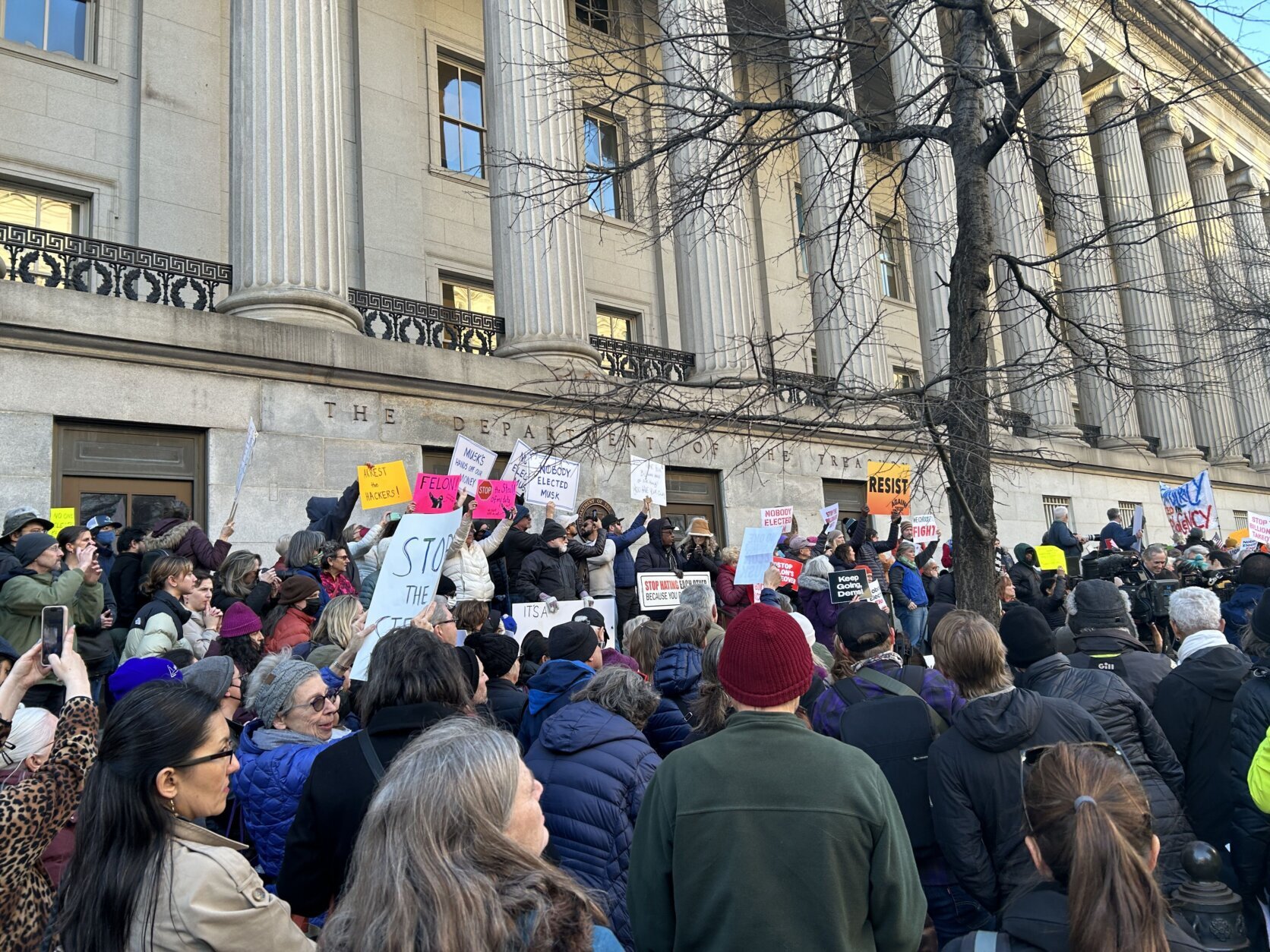
Beyond partisan opposition, the controversial nature of many proposals is likely to instigate broader social and community resistance. Measures seen as deleterious to the interests of marginalized groups or undermining inclusive policies invite protests and public dissatisfaction, sometimes leading to sustained social mobilization that demands policy reversals. This grassroots resistance could force political recalibrations, compelling administrations to backtrack on previously announced policy directions.
Additionally, internal dissent within supporting coalitions—exemplified by prominent groups rejecting associations with Project 2025—highlights the fractured support base. When influential segments within a political party distance themselves from the core projections of the policy plans, the likelihood of achieving comprehensive and unified support decreases significantly.
Implementation and Bureaucratic Challenges
Federal Workforce and Institutional Resistance
One of the more pragmatic aspects of policy failure revolves around the difficulties inherent in implementing abrupt organizational changes. Trump’s blueprint envisions a significant reduction in the federal workforce as part of a broader strategy to curtail government expenditures and streamline operations. In practice, such drastic measures risk disrupting the continuity of essential government services. Areas such as social security administration, public safety, and air traffic control could suffer interruptions that might irreversibly damage public trust.
Challenges in Restructuring Federal Agencies
Efforts to significantly reform or restructure federal agencies likely face internal resistance. Bureaucratic inertia, entrenched interests, and unionized labor groups all contribute to serious slowdowns in policy implementation. Additionally, the attempt to align federal agencies with specific ideological objectives can trigger internal dissent, where career officials committed to longstanding administrative procedures push back against sudden changes.
For example, proposals to make significant personnel cuts or merge agencies often run into procedural delays and practical complications. These efforts can inadvertently lead to inefficiencies or a complete failure to meet the intended cost-saving targets, ultimately negating the economic rationale behind the policies.
Complexity of Policy Overhaul
Beyond personnel issues, the sheer breadth of attempts to overhaul diverse policy domains—from education and health to finance and immigration—creates unfathomable logistical challenges. Comprehensive policies like those in Project 2025 require coordinated actions across multiple governmental layers and agencies. The complexity inherent in aligning all these aspects under a singular vision increases the risk that some policies may falter while others succeed, leading to a fragmented and incoherent overall strategy.
In practice, shifting public policy is a slow and iterative process. Radical proposals introduced without sufficient preparation or due consultation with stakeholders may crumble under the weight of bureaucratic resistance and unforeseen implementation issues.
Economic and Fiscal Implications
Budgetary Constraints and Fiscal Realities
Economic implications represent another significant stumbling block for Trump and Project 2025 policies. Although many of these proposals emphasize fiscal discipline and efficiency, the reality of the federal budget is much more complex. For example, aggressive cuts in spending or reallocations of funds might run afoul of existing fiscal laws, creating a scenario where the intended economic benefits are undermined by legal and administrative challenges.
Furthermore, attempts to reduce the federal workforce should theoretically result in cost savings; however, the savings achieved are often negligible compared to the overall budget. In some cases, the financial disruptions caused by abrupt cuts in service delivery may lead to additional costs, such as compensatory measures to address public backlash or legal expenses stemming from disputes over the reallocations.
Market Instability and Investment Uncertainty
The uncertainty surrounding policy implementation may also instigate market instability. Investors and economic stakeholders tend to favor predictability and transparency in government operations. Policies that dramatically shift fiscal policy or propose radically new economic models can lead to a sense of unpredictability, causing market volatility and spillover effects across various sectors.
In addition, economic proposals that promise substantial tax overhauls or reductions in social welfare spending risk alienating key segments of the economy. Such moves might lead to a reduction in consumer spending—a key driver of economic growth—and can also affect investor confidence, further exacerbating the negative economic impact.
Comparative Analysis: Economic Tables
The following table offers a comparative view of key economic factors potentially affected by the proposed policies:
| Economic Factor | Potential Impact of Policies | Underlying Risks |
|---|---|---|
| Federal Spending Cuts | Short-term savings vs. long-term service disruption | Increased administrative costs, legal challenges, reduced service efficiency |
| Tax Overhaul | Realignment of taxation with fiscal discipline | Market instability, unequal burden across demographics |
| Workforce Reductions | Decreased payroll expenses | Loss of operational efficiency, public dissatisfaction |
| International Relations | Reduced global cooperation in health and trade | Diplomatic isolation, potential trade disputes |
Social and Ethical Dimensions
Effects on Marginalized Communities
Many of the policy proposals are controversial primarily because they affect vulnerable or marginalized communities disproportionately. Changes in social programs, such as significant cuts to health care or education funding, are particularly contentious. The impact on individuals who rely heavily on these systems—for instance, low-income families or minority groups—could be severe, thus fueling widespread opposition.
The potential perception that these policies are designed without adequate consideration for the broader societal impact has led to active criticism from civil society groups, which fear that the reforms could exacerbate social inequality. Ethical questions come to the forefront when policies seemingly sacrifice the well-being of underrepresented populations in the name of fiscal austerity or ideological purity.
Media and Public Narratives
Media portrayal of these policies contributes significantly to public perceptions, influencing everything from voter behavior to legislative deliberations. Highly polarizing depictions—often characterized by terms like “dystopian” or “imperial presidency”—amplify the view that the policies lack a broad-based consensus. This framing not only undermines public support but also provides political opponents with a powerful narrative that questions the morality and viability of the overall agenda.
The interplay between media reporting and grassroots activism creates an environment where public sentiment can shift dramatically, adding another layer of risk to the policy’s long-term success.
Institutional and Administrative Roadblocks
Internal Dynamics within Political Institutions
Within both the executive branch and the broader federal bureaucracy, internal dynamics can impede the realization of policy goals. Even within political parties that support these proposals, there are often divergent views regarding the extent and pace of reform. When a significant portion of leadership or influential figures publicly distances themselves from certain proposals, the overall coherence and operational efficiency of the implementation process suffer.
The lack of cross-party consensus can also lead to legislative gridlock, whereby necessary measures for policy success are blocked by opposition in Congress. Moreover, dissent within administrative ranks—highlighted by outright resistance from career officials tasked with executing these reforms—further complicates implementation.
Case Study: Education Privatization
To illustrate the challenges of implementation, consider the policy aimed at privatizing education. The proposal seeks to redirect funds from public to private educational institutions, arguing that increased competition will drive efficiency. However, similar measures in the past have encountered severe public resistance due to concerns about equity and quality of education. Educators, parents, and local officials have mounted legal challenges and public protests, leading to delays and in some cases, complete abandonment of the policy.
The education sector, like many others targeted by these reforms, is characterized by deep-rooted community ties and a high level of public scrutiny. Any change that appears to undermine public trust or alter the fundamental structure of service delivery is likely to face administrative and legal obstacles, as well as sustained opposition from those directly affected.
Long-Term Political and Social Consequences
Erosion of Democratic Norms
A core criticism of the policies in question is that they could fundamentally alter the balance of power in the United States government. By attempting to consolidate authority in the executive branch and significantly weaken traditional checks and balances, these proposals risk undermining long-established democratic practices. Such a shift could lead to what critics describe as an “imperial presidency,” where the centralization of power creates vulnerabilities—both domestically and internationally—to authoritarian practices.
Furthermore, this erosion of democratic norms may have a lasting negative impact on media freedom, civil liberties, and the long-term stability of political institutions, ultimately resulting in a legacy of diminished governmental accountability and reduced public trust.
Impact on Policy Legitimacy and Governance
The perceived legitimacy of these far-reaching proposals is another factor that may contribute to political failure. When policies are introduced in a manner that appears rushed, ideologically driven, and disregards established democratic protocols, they can quickly lose credibility—even among supporters. A drift from transparent, accountable policy-making toward unilateral decision-making undermines public confidence and casts doubts on the longevity and success of the reforms.
This diminished legitimacy can have cascading effects, hindering the administration’s ability to pursue future initiatives. Political adversaries can leverage these weaknesses to build legislative coalitions or mobilize voters against further proposed reforms, effectively stalling or reversing gains achieved through earlier policy measures.
Institutional Reform Versus Policy Failure
Balancing Reform and Stability
The ultimate challenge for proponents of these policies lies in balancing the need for reform with the imperative of maintaining institutional stability. While ambitious policy overhauls can yield significant benefits if properly implemented, the risk of emergency measures causing long-term structural damage is considerable. Reforms that prioritize ideological consistency over pragmatic considerations may force a trade-off between rapid change and enduring, effective governance.
Moreover, piecemeal implementation—where some elements of the reform are successfully executed while others falter—can create institutional imbalances that adversely affect policy coherence. Such partial successes might even be used against future proposals, as critics argue that the disruption caused by previous reforms makes further changes even riskier.
Comparative Overview: Institutional Impact
Consider the following table that outlines the potential institutional effects when reforms are implemented piecemeal versus comprehensively:
| Approach | Potential Outcomes | Risk Factors |
|---|---|---|
| Comprehensive Overhaul | Rapid, cohesive change; alignment with ideological goals | High risk of administrative failure and legal challenges |
| Piecemeal Reform | Gradual improvement; potential for consistent policy adjustment | Inconsistencies and fragmented governance, leading to long-term instability |
Conclusion
In summary, the policies advanced by Trump and encapsulated in the Project 2025 blueprint are fraught with challenges that span legal, political, bureaucratic, economic, and social domains. The potential for failure arises from a combination of overreaching executive actions that invite judicial intervention, widespread political mobilization against perceived undemocratic practices, and the inherent difficulties of implementing sweeping organizational reforms. Economic implications further compound these challenges, as fiscal policies that disrupt existing systems may generate instability rather than the intended cost savings.
Moreover, the public and ethical dimensions—ranging from impacts on marginalized communities to concerns over the erosion of democratic norms—underscore that the proposed policies risk undermining the very institutions they purport to improve. While reforms are naturally disruptive, the degree of upheaval envisioned by these proposals could easily tip the balance towards long-term negative outcomes if critical resistance is not surmounted. Overall, these intertwined factors paint a challenging picture for the success of Trump and Project 2025 politics, suggesting that without careful calibration and broad-based support, the ambitious policy agenda may ultimately falter.
References
- Project 2025 Backfired - The Atlantic
- Project 2025 Tax Overhaul Blueprint - Kiplinger
- Conservative War of Words on Project 2025 - NY Post
- Experts on the Economic Risks of Project 2025 - Democrats
- Potential Cuts to SNAP and Beyond - American Progress
Recommended Related Queries
Last updated February 24, 2025