
Expressing Gratitude and Seeking Updates Thoughtfully
Crafting a polite email to thank a busy client while inquiring about sample testing progress without seeming pushy.
Key Highlights for Your Email
- Acknowledge their busy schedule: Start by explicitly recognizing that their time is valuable and you appreciate them taking the time to respond.
- Clearly state your gratitude: Express sincere thanks for their previous response regarding the sample testing progress.
- Gently inquire about updates: Phrase your request for further updates in a non-demanding way, emphasizing that you understand if there are none yet.
When communicating with busy clients, it's crucial to strike a balance between staying informed and being respectful of their limited time. This is especially true when following up on ongoing processes like sample testing. A well-crafted email can help you express gratitude for their initial response, subtly inquire about the current status, and ensure they don't feel rushed or pressured.
The Importance of a Polite and Professional Tone
Maintaining a polite and professional tone in your email is paramount. Clients, especially those with demanding schedules, appreciate clear, concise, and courteous communication. Avoid overly casual language or demanding phrasing. Your goal is to build and maintain a positive working relationship.
Understanding the Client's Perspective
Put yourself in your client's shoes. They are likely juggling multiple tasks and priorities. Receiving an email that is demanding or unclear can be frustrating. By acknowledging their busy schedule and being direct yet polite, you demonstrate empathy and respect for their time and workload.
Avoiding the Impression of Rushing
The user specifically asked how to avoid giving the impression of rushing the client. This requires careful wording. Instead of asking "When will the testing be finished?", consider phrases like "Could you please share any updates on the sample testing progress when you have a moment?" or "No pressure at all, but if there are any brief updates on the sample testing, I would be grateful to hear them."
Structuring Your Email for Clarity and Politeness
A well-structured email is easier to read and understand. Here's a suggested structure:
Subject Line: Clear and Concise
Your subject line should be informative so the client can quickly understand the email's purpose. Something like "Following up on Sample Testing Progress - [Your Company Name/Project Reference]" is effective. Avoid vague subject lines like "Quick question" or "Checking in."
Greeting: Professional and Personalized
Always address the client by name. "Dear [Client Name]," is a standard professional greeting.
Opening: Express Gratitude and Acknowledge Their Time
This is where you express thanks for their previous response and acknowledge their busy schedule. Phrases like "Thank you so much for your previous update on the sample testing progress," or "I wanted to express my sincere gratitude for taking the time to respond to my earlier email regarding the sample testing, especially knowing you have a busy schedule." are suitable.
Body: Gently Inquire About Updates
This section should politely ask for any available updates without creating pressure. Here are a few ways to phrase this:
- "If you have a moment and there are any further updates on the sample testing, I would be grateful to receive them."
- "No need to rush, but if there's any brief information you can share about the current status of the sample testing, please do so when convenient."
- "Just wanted to gently check in on the sample testing progress. Please share any updates when you have the opportunity."
Reiterating Understanding (Optional but Recommended)
To further reinforce that you are not trying to rush them, you can add a sentence like "I completely understand that these processes can take time, and I appreciate your efforts."
Closing: Professional and Forward-Looking
Thank them again and express your anticipation of hearing from them when they have updates. "Thank you again for your time and assistance. I look forward to hearing from you when you have further information." or "Appreciate your time and the work being done on the sample testing. I'll await any updates at your convenience."
Sign-off: Professional
Use a professional closing like "Sincerely," "Best regards," or "Regards," followed by your name and title.
Example Email Templates
Template 1: Simple and Direct
Subject: Following up on Sample Testing Progress - [Your Company Name/Project Reference]

Dear [Client Name],

Thank you so much for your previous update on the sample testing progress. I appreciate you taking the time to respond despite your busy schedule.

If you have a moment and there are any further updates on the sample testing, I would be grateful to receive them.

Thank you again for your time and assistance. I look forward to hearing from you when you have further information.

Best regards,

[Your Name]
[Your Title]
Template 2: More Detailed and Reassuring
Subject: Checking in on Sample Testing Status - [Your Company Name/Project Reference]

Dear [Client Name],

I hope this email finds you well.

I wanted to express my sincere gratitude for taking the time to respond to my earlier email regarding the sample testing, especially knowing you have a busy schedule. Your previous update was very helpful.

Just wanted to gently check in on the sample testing progress. No need to rush, but if there's any brief information you can share about the current status, please do so when convenient. I completely understand that these processes can take time, and I appreciate your efforts.

Appreciate your time and the work being done on the sample testing. I'll await any updates at your convenience.

Sincerely,

[Your Name]
[Your Title]
Key Phrases to Incorporate
Here are some key phrases you can use to convey politeness and understanding of their busy schedule:
| Purpose | Phrases |
|---|---|
| Expressing Gratitude | Thank you so much for...; I appreciate you taking the time...; Grateful for your response... |
| Acknowledging Busy Schedule | Knowing you have a busy schedule...; Despite your demanding schedule...; I understand you're very busy... |
| Gently Inquiring | If you have a moment...; When convenient...; No pressure at all...; If there are any brief updates... |
| Reassuring | I understand this takes time...; I appreciate your efforts...; No need to rush... |
Using these phrases can help soften your request for updates and reinforce that you are being considerate of their time.
When to Send Your Follow-Up
The timing of your follow-up email is also important. Sending it too soon after their initial response might seem pushy. Waiting a reasonable amount of time, perhaps a few business days to a week, depending on the complexity of the testing, is generally recommended.
Visualizing Effective Email Communication
Effective email communication with busy individuals is about being clear, concise, and respectful. Consider the flow and readability of your message. Here's an image that conceptually represents the elements of a good professional email:
 Elements of a well-structured professional email.
Additional Tips for Communicating with Busy Clients
- Be concise: Get straight to the point in your email. Busy people appreciate brevity.
- Use bullet points: If you have multiple points, use bullet points to make the information easy to scan.
- Proofread: Errors in your email can make you appear unprofessional. Always proofread before sending.
- Consider alternative communication (if appropriate): Depending on your relationship with the client and the urgency, a brief phone call or instant message might be more suitable than an email for a quick check-in. However, for a formal update request, email is generally preferred.
- Manage your expectations: Understand that busy clients may not be able to respond immediately. Be patient and avoid sending multiple follow-ups in quick succession.
Understanding Follow-Up Etiquette
Knowing how and when to follow up is a valuable skill in professional communication. It's about persistence without being annoying. A polite follow-up shows you are still interested and organized, while respecting the other person's time constraints.
The Art of Gentle Reminders
Think of your follow-up email as a gentle reminder rather than a demand for an immediate response. Frame your language to reflect this. Phrases like "Just wanted to gently follow up..." are more effective than "I need an update on..."
Avoiding Common Follow-Up Mistakes
Several common mistakes can make your follow-up seem pushy or unprofessional. These include:
- Sending follow-ups too frequently.
- Using aggressive or demanding language.
- Failing to reference previous communication.
- Not being clear about what you need.
By being mindful of these pitfalls, you can ensure your follow-up email is well-received.
Visualizing Effective Follow-Up
An effective follow-up email should stand out for its clarity and professionalism. It should be easy for the recipient to understand the context and what is needed. Consider this image which represents a clear and engaging email layout:
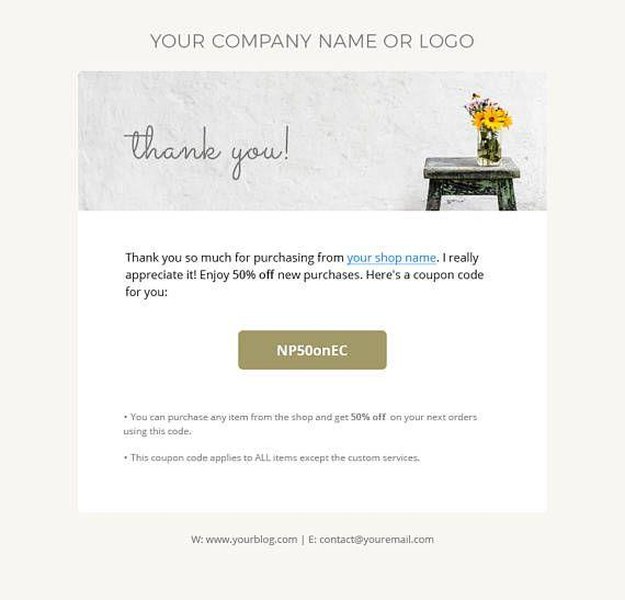 A well-organized email enhances readability and impact.
Thank You Emails After Meetings or Interactions
While the user's query is specifically about following up on sample testing, the principles of thanking someone for their time are broadly applicable. Sending a thank you email after a meeting or any significant interaction, especially with a busy person, is a sign of good etiquette and can strengthen the professional relationship.
Elements of a Good Thank You Email
A good thank you email should be prompt, specific, and sincere. It should:
-
Reference the meeting or interaction specifically.
-
Mention something you found particularly valuable or insightful.
-
Reiterate your interest or next steps, if applicable.
-
Express gratitude for their time and effort.
Even a brief thank you can leave a positive and lasting impression.
Acknowledging Their Effort
When someone, particularly a busy individual, goes out of their way to help you or provide information, acknowledging their effort is crucial. Phrases like "Thank you for taking the time and effort..." can be very impactful.
Frequently Asked Questions
How soon after a response should I send a follow-up email?
It's generally recommended to wait a few business days to a week before sending a follow-up email, especially if the client is busy. The exact timing can depend on the context and the nature of the request. Avoid sending follow-ups too frequently.
What if I don't receive a response after my follow-up?
If you don't receive a response after your initial follow-up, you can send another polite email after a suitable interval (e.g., another week). You might consider slightly rephrasing your request or offering an alternative way to connect, such as a brief phone call, if appropriate for your relationship with the client. Sometimes, sending the same email again can serve as a helpful reminder without adding extra text.
Is it ever okay to be more direct in a follow-up?
In some situations, and depending on your relationship with the client and the urgency of the matter, you might need to be more direct. However, even in such cases, it's important to maintain a professional and polite tone. Clearly explain the reason for the urgency, if applicable.
Should I include all the previous email history in my follow-up?
Including the previous email history can be helpful for context, especially if a significant amount of time has passed. However, if the email chain is very long, you might summarize the key points from the previous communication at the beginning of your follow-up.
How can I ensure my email doesn't sound demanding?
Focus on using polite language, acknowledging their busy schedule, and framing your request as a gentle inquiry for updates when convenient. Avoid using phrases that imply an expectation of an immediate response or pressure the client.
References
Last updated April 23, 2025