
Guidelines for Telecasting Political Parties' Hate Speech on Social Media
A Multidimensional Analysis of Regulatory and Platform-Specific Controls
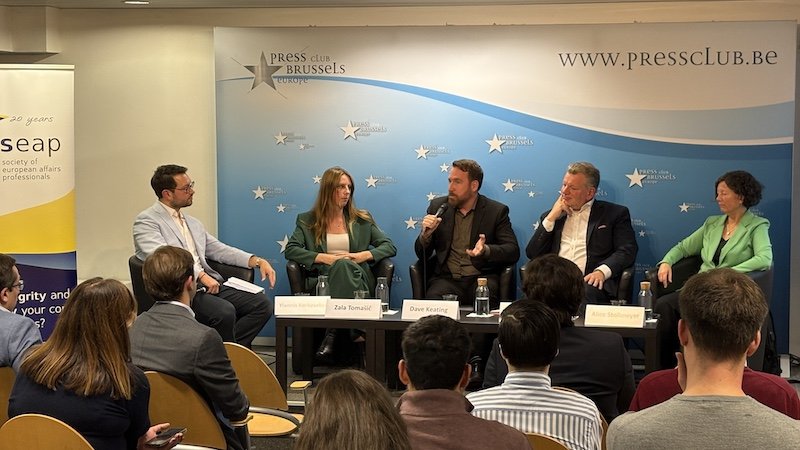
Key Highlights
- National and International Frameworks: Diverse guidelines come from national councils, international organizations, and legal frameworks, emphasizing no uniform global regulation yet aligning on principles of reducing harm.
- Platform-Specific Policies: Social media giants like Meta, Twitter, Instagram, YouTube, and TikTok have strict content moderation rules that include definitions and protocols to flag or remove hate speech.
- Balanced Regulation: There is a continuous need to balance freedom of expression and protection against hate speech while ensuring transparency in moderation decisions.
Understanding Hate Speech in Political Contexts
Hate speech, particularly in political discourse, commonly refers to expressions that demean, marginalize, or incite hostility against groups or individuals based on attributes such as race, religion, ethnicity, gender, and nationality. When political parties use hate speech on social media, it not only undermines healthy democratic debate but also risks inciting violence, polarizing societies, and degrading the overall quality of the political conversation.
Definition and Scope
Hate speech in the political arena is often defined as language that either explicitly or implicitly targets specific groups based on inherent characteristics. Regulatory frameworks and guidelines distinguish hate speech from political criticism by focusing on whether the speech is likely to incite violence or bias, and if it crosses the threshold from opinion to harmful discrimination. The complexity lies in striking a balance between limiting harmful speech and preserving freedom of expression.
Legal and Regulatory Definitions
In many jurisdictions, hate speech is encapsulated within broader legal constructs. For instance, laws within the European Union demand strict compliance by requiring social media platforms to remove hate speech content within 24 hours of notice. Similarly, countries like India have adopted regulations empowering government agencies to direct social media companies to extinguish posts deemed hateful. Both national legal frameworks and international covenants, such as the International Covenant on Civil and Political Rights (ICCPR), provide parameters that help define hate speech, albeit with room for interpretation.
Regulatory and Self-Regulatory Approaches
National Guidelines and Frameworks
Several nations have proactively developed guidelines that address the telecasting of hate speech by political parties. For example, the National Peace Council in Ghana introduced directives ahead of their general elections, urging political parties to adopt self-regulatory mechanisms and codes of conduct. Such national guidelines often stress the importance of preventing incitement to violence and maintaining election integrity through moderated public discourse.
In addition to Ghana, jurisdictions such as countries in the European Union have enforced legal obligations on social media platforms. The EU’s framework obliges tech companies to monitor and swiftly remove content that incites hatred or denies historical atrocities, ensuring a coordinated effort to curb hate speech. National laws, while varying in the degree of stringency, tend to align with broader international standards on human rights and free speech.
Self-Regulation by Political Parties
In parallel with governmental regulations, political parties are encouraged to institute internal ethical codes and self-imposed guidelines to mitigate hate speech. By adopting self-regulatory measures, parties can foster civil discourse within their campaigns and reduce the likelihood of violent rhetoric from spreading on social media. Internal codes of conduct typically emphasize the importance of respectful political dialogue and commit to refraining from language that dehumanizes or incites violence.
Political movements have also engaged with non-governmental bodies and civil society organizations to develop these principles. The goal is to frame ethical political communication as a norm, rather than an exception, thereby each party contributes to a sounder public sphere.
International Guidelines and Recommendations
Entities such as the United Nations and the Council of Europe have put forth recommendations that stress transparency in content moderation and the need to protect freedom of expression while curbing hate speech. International guidelines underscore the challenge of defining hate speech uniformly and recognize the importance of adaptations based on local contexts. These frameworks encourage collaborative efforts between nations, social media platforms, and political actors to create comprehensive strategies that address hate speech without curtailing legitimate political debate.
Platform-Specific Policies and Content Moderation
Social Media Platform Policies
Major social media platforms have their own sets of guidelines to tackle hate speech, each with nuances in how they define and act on harmful content. For example:
Meta (Facebook)
Meta’s policies clearly state that hate speech—especially when it targets individuals or groups based on protected characteristics—is not tolerated. The company employs a hybrid approach, utilizing both artificial intelligence and human content moderators to identify and remove hate speech. Content that incites violence or directly attacks specific groups is often demoted or removed outright to protect users.
Twitter (X)
Twitter’s guidelines similarly restrict hate speech, and the platform takes steps such as labeling, limiting distribution, or removing content that violates these rules. The company requires that political content adhere to strict standards, ensuring that hate speech does not proliferate unchecked within political debates.
TikTok and YouTube
TikTok and YouTube have developed targeted policies that specifically address hate speech and associated hate-related behavior. On TikTok, speech that incites violence or endorses hateful ideologies is prohibited, while YouTube enforces policies against harassment and hate, applying these rules particularly during periods of heightened political activities, such as elections.
Transparency and Reporting Mechanisms
One critical aspect of platform policies is the emphasis on transparency. Social media companies are increasingly required to publish transparency reports that detail their actions regarding hate speech and content moderation. These reports serve as a vital check on the powers granted to platforms and help ensure that decisions are made in an accountable manner.
Combining Tools for Effective Moderation
Modern content moderation relies on a combination of:
| Method | Key Features | Examples |
|---|---|---|
| AI-Powered Filters | Automated detection systems that scan posts for keywords, phrases, and imagery associated with hate speech. | Meta, YouTube |
| User Reporting | Mechanisms allowing users to flag potentially hateful content for review. | Twitter, TikTok |
| Human Moderators | Teams of experts or community moderators who assess context and intent. | Facebook, Instagram |
| Transparency Reports | Regular publications detailing content removal rates and policy enforcement actions. | Twitter, Facebook |
This multi-pronged approach is vital because no single tool is sufficient to tackle the complexities of hate speech in dynamic political contexts. The continuous evolution of speech patterns, the use of coded language, and cross-platform content sharing require flexible, transparent, and adaptive moderation strategies.
Balancing Freedom of Expression and Regulation
Challenges in Regulation
One of the main challenges in framing guidelines for telecasting hate speech lies in the fine balance between preventing harm and preserving freedom of expression. Free speech is a cornerstone of democratic societies, and over-regulation could lead to unintended censorship of political debate. As such, many regulations strive to define clear thresholds where speech becomes dangerous or incitive rather than merely controversial.
Legal instruments often set a high bar for content to be classified as hate speech by requiring that it is likely to incite or lead to discrimination or violence. However, these definitions can differ based on cultural contexts and legal traditions, making it imperative that both governmental guidelines and platform policies are flexible enough to adapt to specific localities while maintaining overarching human rights standards.
Ensuring Accountability and Mitigating Bias
Effective guidelines for telecasting hate speech must also address concerns regarding transparency and potential abuse. Both regulatory authorities and social media platforms are increasingly held accountable for their decisions to remove or curtail content. Measures such as appealing processes for moderated content, periodic transparency reports, and external audits are crucial components of maintaining trust in these systems.
Efforts to ensure that content moderation does not disproportionately affect political dissent are essential. Many guidelines recommend the establishment of independent review boards or partnerships with civil society organizations to monitor the fairness and consistency of enforcement practices.
Recommendations and Best Practices
Comprehensive Policy Development
An effective strategy to telecast political parties' hate speech on social media involves the creation and adherence to comprehensive policies that integrate:
- Clear Definitions: Establishing a specific and clear definition of what qualifies as hate speech, backed by legal precedents and international human rights standards.
- Reporting Mechanisms: Deploying robust user reporting tools and AI-driven filters coupled with human moderation for nuanced decision-making.
- Transparency: Regular public transparency reports detailing content moderation activities to foster trust and accountability.
- Appeals Process: Providing a clear and fair mechanism for content creators and political actors to contest moderation decisions.
- Collaboration Across Stakeholders: Encouraging dialogue between governments, social media companies, political entities, and civil society to refine and update guidelines regularly.
Adapting to Dynamic Political Environments
Political discourse is inherently dynamic. Therefore, guidelines need to be periodically reviewed and updated to address emerging trends and tactics used to circumvent existing rules. The capacity for rapid response is especially important during periods of heightened political activity, such as election campaigns, where misinformation and inflammatory rhetoric are more prevalent.
Several best practices that have emerged include:
- Pre-emptive Monitoring: Establishing dedicated monitoring teams during election periods to prevent the escalation of hate speech.
- Crisis Response Strategies: Coordinating with emergency services and legal entities when hate speech has the potential to incite immediate harm.
- Cross-Platform Cooperation: Enhancing collaboration between different social media platforms to share data and strategies for identifying and mitigating hate speech.
Examples of Successful Strategies
Analyzing cases from different regions can offer insights into effective strategies:
| Region/Organization | Strategy | Outcome |
|---|---|---|
| Ghana's National Peace Council | Instituted guidelines for political parties to self-regulate and adopt ethical codes during election campaigns. | Supported a more peaceful electoral process with reduced inflammatory political rhetoric. |
| EU Directive | Mandated rapid removal of hate speech within 24 hours, complemented by transparency reports from tech firms. | Ensured tighter control on hate speech and improved accountability among social media platforms. |
| Social Media Platforms (Meta, Twitter) | Implementation of AI and human moderation teams with user reporting systems. | Reduced spread of hate speech while maintaining a balance with free speech. |
International and Legal Perspectives
Global Legal Constraints and Ethical Considerations
Multiple international bodies have provided frameworks that inform domestic policies. The interplay between international human rights instruments and national laws creates a layered regulatory environment where the telecasting of hate speech by political parties is subject to complex legal interpretations. Countries such as France and India have instituted laws that mandate timely removal of content deemed hateful, while ensuring that enforcement does not stifle political expression. Key international agreements reiterate a commitment to protecting both public safety and freedom of expression.
Ethical considerations compel governments and social media companies to focus not only on suppressing hate speech but also on promoting positive, respectful political dialogue. There is a growing consensus that a healthy public sphere is built on diverse, balanced, and fact-based political debate.
Impact of Legal and Non-Legal Measures
The effectiveness of guidelines, whether derived from law or self-regulation, is often measured by their impact on public discourse. Governments and tech giants are increasingly investing in educational initiatives and media literacy programs to help citizens differentiate between legitimate political expression and hate speech that could incite bias or violence. This dual approach—combining punitive measures with educational efforts—fosters a more informed and less polarized public discussion.
Looking Ahead: Evolving Strategies and Adaptability
Ongoing Developments and Future Considerations
As social media continually reshapes political communication, guidelines for telecasting hate speech must be adaptable. Policy makers, tech companies, and civil society are engaging in ongoing dialogue to refine these strategies. Innovations in technology, such as more sophisticated machine learning algorithms for content detection, are expected to improve the precision and fairness of hate speech moderation.
Future regulatory efforts might involve greater international collaboration, resulting in a more harmonized approach to hate speech regulation on a global scale. Such efforts would aim to create standards that are not only acoustically responsive to rapid changes in political rhetoric but also deeply rooted in protecting democratic values and human rights.
Recommendations for Stakeholders
For political parties, social media platforms, and governments alike, the following recommendations have emerged:
- Regular Policy Reviews: Continuously update guidelines based on technological advances and emerging political trends.
- Collaborative Frameworks: Engage in multi-stakeholder dialogues involving regulators, tech companies, and civil society to balance regulatory rigor and free expression.
- Enhanced Transparency: Reinforce accountability through detailed public reporting on content moderation practices.
- Investment in Digital Literacy: Support educational programs that empower citizens to identify and challenge hate speech constructively within political discourse.
References
- 2024 Elections: Guidelines on Hate Speech - 3News
- Hate Speech vs. Freedom of Speech - United Nations
- Countering Hate Speech Through Media Literacy - UNESCO
- Social Media Policies: Mis/Disinformation, Threats, and Harassment - States United
- Toolkit on Hate Speech During Electoral Processes - Council of Europe
Recommended Related Queries
Last updated March 7, 2025