
Polyaspartic Resin Synthesis
An In-depth Exploration of Reaction Processes and Applications
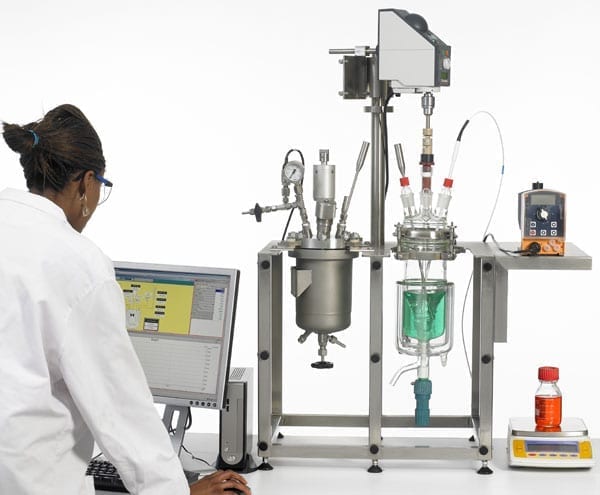
Key Insights
- Versatile Reaction Routes: Polyaspartic resin can be synthesized using aza-Michael addition reactions as well as polycondensation techniques, each offering unique advantages.
- Reaction Optimization: Control over reaction conditions, including temperature, molar ratios, and additives, is essential for tailoring the properties of the final resin.
- Industrial Applications: Resins derived from these processes are popular in coatings, adhesives, and sealants due to their rapid curing, low VOC emissions, and durability.
Understanding the Synthesis Process
Polyaspartic resins are advanced polymeric materials that have attracted significant attention since their introduction in the early 1990s. They can be synthesized via different chemical routes, primarily revolving around the aza-Michael addition reaction and polycondensation techniques. Both methods offer pathways to producing resins with rapid curing properties, low volatile organic compound (VOC) emissions, and excellent mechanical performance, making them ideal for various industrial applications.
Aza-Michael Addition Reaction
The aza-Michael addition reaction is one of the most prevalent methods for synthesizing polyaspartic resins. In this process, an amine – usually in the form of a polyamine or aliphatic diamine – reacts with a maleic ester (commonly diethyl maleate or other dialkyl maleates). The reaction transforms primary amines into secondary amines by adding across the carbon–carbon double bond of the maleic ester.
Reaction Mechanism and Conditions
The mechanism involves the nucleophilic addition of the amine to the activated double bond of the maleic ester. This reaction is favored at room temperature and can be further accelerated by modifying the molar ratios of the reactants. For instance, using an excess of amine relative to the maleic ester helps quickly consume the latter, limiting its availability and thus optimizing the reaction pathway.
The process is sensitive to steric effects; bulky groups introduced through secondary amine formation can create steric hindrance, slowing further reaction and allowing fine control over the structure of the final resin. Such control is critical in designing materials with proper mechanical and chemical properties for specific applications.
Typical Components
Primary components in the aza-Michael reaction include:
- Amine Sources: Aliphatic diamines or polyamines, often starting as primary amines that convert into secondary amines during the reaction.
- Maleic Esters: Diethyl maleate is frequently used due to its reactivity and ability to form stable polyaspartic esters.
- Reaction Modifiers: In some processes, micromolecular aldehydes or acrylic esters are introduced to further alter the structure and improve resin performance.
Alternative Synthesis Approaches
While the aza-Michael reaction serves as a key route, alternative pathways include the synthesis of polyaspartic acid through polycondensation reactions. These methods are particularly useful when aiming for materials with different functional properties.
Polycondensation of Aspartic Acid
In the polycondensation route, aspartic acid monomers are linked together under high-temperature conditions, typically above 160°C. This process results in polyaspartic acid (PASP), which exhibits excellent thermal stability, biodegradability, and chemical resistance.
Key Characteristics: Unlike the otherwise fast-curing polyaspartic esters obtained from the aza-Michael addition, polyaspartic acid is generally synthesized to achieve entirely different performance characteristics such as enhanced biodegradability and specific chemical resistance.
Polymerization of Maleamic Acid Precursors
Another alternative involves first synthesizing maleamic acid from maleic anhydride and a nitrogen source (e.g., ammonia or urea) followed by polymerization. This route requires high temperatures and typically the removal of water via distillation to drive the equilibrium towards polymer formation.
This method produces compounds that are similar in structure to polyaspartic materials but might be further modified for applications which demand higher thermal resistance and specific mechanical properties.
Modification with Acrylic Esters
To further enhance the characteristics of the resulting resins, acrylic esters can be employed in a subsequent reaction step. Introducing these components helps improve flexibility and adhesion, and enhances factors such as UV resistance and solvent tolerance.
Typically, this modification is carried out at moderate temperatures ranging from 30°C to 80°C for a duration of 12 to 48 hours. The process involves mixing aliphatic diamines, maleic acid esters, and acrylic esters in controlled molar ratios. For instance, typical ratios might involve 0.8-1.2 parts of aliphatic diamine, 1.6-2.4 parts of maleic ester, and a smaller fraction (often 0.02-0.1 parts) of acrylic ester.
Synthesis Overview and Industrial Relevance
The synthesis of polyaspartic resin is a fine balance between chemical reaction mechanisms and process conditions. The reactions involved are typically performed under carefully controlled conditions to yield materials with desired performances in coatings, sealants, adhesives, and elastomers.
Process Overview
| Step | Description | Conditions/Molar Ratios |
|---|---|---|
| Aza-Michael Reaction | Reaction between aliphatic diamine and maleic acid ester to form polyaspartic ester. | Room temperature or 60°C-100°C; molar ratio often exceeds 1:2 (amine to maleic ester). |
| Modification Step | Inclusion of additives such as acrylic ester or micromolecular aldehyde to tailor properties. | Typically 30°C-80°C for 12-48 hours; ratios adjusted based on desired resin properties. |
| Polycondensation Route | Synthesis of polyaspartic acid from aspartic acid monomers. | High temperatures (above 160°C), catalyst use may be required. |
| Polymerization of Maleamic Acid | Preparation of polymer via maleamic acid which is derived from maleic anhydride and a nitrogen source. | High temperature with water removal via distillation. |
Industrial Applications
Polyaspartic resins have gained widespread attention because of their excellent performance attributes, which include:
- Rapid Curing: The reaction mechanisms allow for rapid development of a film, minimizing downtime during application.
- Low VOC Emissions: The chemical structure inherently results in low or nearly zero volatile organic compound emissions, making these resins environmentally friendly.
- UV Resistance and Durability: Their chemical resistance contributes to longevity, particularly in outdoor or harsh chemical environments.
- High Mechanical Strength: The materials exhibit excellent adhesion and resilience, suitable for heavy-duty industrial applications.
As a result, industries including flooring, automotive, aerospace, and construction frequently employ polyaspartic resin-based coatings and adhesives to achieve durable and high-performance finishes.
Analytical Techniques and Reaction Monitoring
To ensure the reaction proceeds as desired and that the final product meets quality specifications, a variety of analytical techniques are used throughout the synthesis process. These methods confirm the formation of the polyaspartic structure and allow for process optimization.
Spectroscopic Analysis
Fourier transform infrared (FTIR) spectroscopy is frequently applied to verify the successful formation of secondary amine bonds via the aza-Michael reaction. Characteristic absorption bands help track the consumption of the maleic ester and the formation of polyaspartic ester bonds.
Other spectroscopic techniques such as nuclear magnetic resonance (NMR) can also be applied to closely examine the molecular structure and confirm the chemical modifications introduced during the reaction.
Thermal and Mechanical Testing
Thermal analysis methods, including differential scanning calorimetry (DSC) and thermogravimetric analysis (TGA), are used to assess the curing behavior and thermal stability of the resins. These tests reveal important characteristics such as the glass transition temperature and the decomposition temperature, which are critical for processing and end-use performance.
Mechanical testing, including tensile strength and adhesion assessments, confirms that the final resin formulation meets the rigorous demands of its intended applications.
Optimizing Resin Properties
Adjusting the synthesis conditions allows manufacturers to tailor the properties of polyaspartic resins. Changes in reaction temperature, time, or the inclusion of additional monomers and modifiers will influence factors like curing speed, flexibility, and chemical resistance. For example, incorporating acrylic esters not only boosts UV stability but may also impart improved flexibility to the resin.
The ability to customize these properties has been critical to the industrial success of polyaspartic resins, as it enables the development of specialized formulations targeted for unique environmental or mechanical demands.
Tailoring Formulations
Manufacturers can adjust reactant ratios and reaction conditions based on the final use-case. The table above provides an overview of synthesis steps and their corresponding reaction parameters. Fine adjustments in these steps allow for significant variation in:
- Curing Rate: Faster cure times ensure rapid formation of a protective film and minimal production delays.
- Adhesion: Greatly enhanced by overall molecular structure and the use of specific modifiers.
- Mechanical Stability: Crucial for applications in harsh environments and is achieved by optimizing the crosslink density during synthesis.
Comparative Advantages and Industrial Impact
When compared to traditional resin systems, polyaspartic resins offer several compelling benefits. Their rapid cure times, coupled with low odor and low environmental emissions, distinguish them from other resin systems that may require prolonged curing periods or exhibit higher VOC levels.
In addition, the ability to tailor the resin’s mechanical and chemical properties through careful control of the synthesis process has led to widespread industrial adoption. Polyaspartic resins have found applications in protective coatings for floors, automotive finishes, and specialty adhesives, reflecting their versatility and high-performance characteristics.
Environmental and Safety Considerations
A significant advantage of polyaspartic resins is their low VOC content, which contributes to safer working environments and compliance with environmental regulations. The synthesis process itself, particularly when conducted at room temperature or moderate conditions, minimizes energy consumption and reduces the need for volatile solvents.
Furthermore, the ability of these resins to provide durable finishes reduces the maintenance and replacement cycles in applications like industrial flooring and automotive coatings. This sustainability aspect further underlines the industrial importance of polyaspartic resins.
References
-
The Synthesis of Polyaspartic Acid Ester - Scientific.net
- Polyaspartic Esters - Wikipedia
-
Preparation Method of PAE Resin - Patsnap
- Polyaspartic Acid Ester Resin Patent CN111793003A - Google Patents
- Polyaspartic Resin Coating Technology - Google Patents
- Polyaspartic Resin Overview - Turkchem
- Revolutionary Coating Solutions - Polyaspartic Resin
- Polyaspartic Resins - Izel Kimya
- Preparation and Water Absorbent Behavior of Superabsorbent Polyaspartic Acid - Springer
Recommended Queries
Last updated March 6, 2025