
Unraveling the Connection: Polycythemia, Raynaud's, Fatigue, and Weight Gain
Exploring how your longstanding blood condition might be linked to your recent symptoms.
It's understandable to feel concerned when new health issues arise, especially when you already manage a chronic condition like polycythemia. You've noted several changes over the past year – the onset of Raynaud's phenomenon in your hands, significant weight gain, and extreme fatigue – alongside your childhood diagnosis of polycythemia. Based on current medical understanding, there's a strong possibility that these symptoms are indeed interconnected through the effects of your underlying blood disorder.
Key Insights
- Symptom Connection: Your recent fatigue, Raynaud's phenomenon, and possibly weight gain are likely linked to your longstanding polycythemia, primarily due to its effects on blood thickness and circulation.
- Underlying Mechanisms: Polycythemia increases red blood cell count, thickening the blood. This impairs oxygen delivery (causing fatigue) and affects small blood vessels (contributing to Raynaud's). Weight gain is less directly linked but has been observed in some studies.
- Medical Evaluation is Crucial: While these connections are plausible, it's essential to consult your healthcare provider for a thorough evaluation to confirm the causes and ensure appropriate management.
Understanding Polycythemia's Impact
The Basics of Your Blood Condition
Polycythemia is characterized by an abnormally high concentration of red blood cells in your bloodstream. Whether it's primary polycythemia (like Polycythemia Vera, PV, a myeloproliferative neoplasm where the bone marrow overproduces cells) or secondary polycythemia (caused by other conditions), the result is similar: thicker, more viscous blood. You mentioned having this since childhood, which might point towards a specific type requiring careful management.
This increased blood thickness (viscosity) is central to understanding many potential symptoms and complications. It forces your heart to work harder to pump blood and can slow down circulation, especially in smaller blood vessels. This reduced blood flow can impact oxygen delivery to tissues and organs throughout your body.
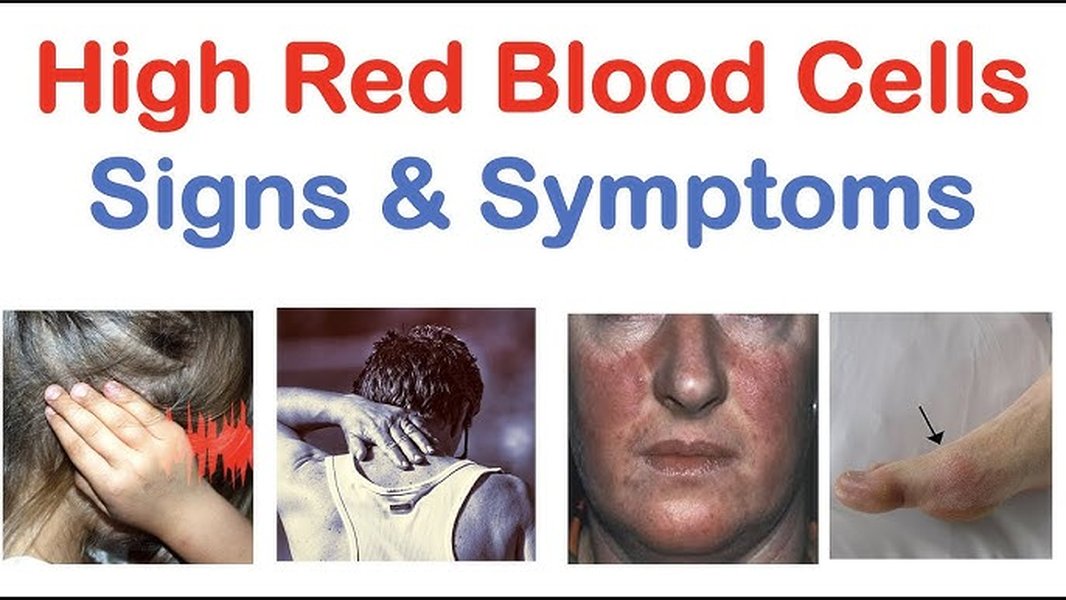
Illustration depicting increased red blood cells characteristic of polycythemia.
Decoding Your Recent Symptoms
Why the Extreme Fatigue?
Fatigue is one of the most common and often debilitating symptoms reported by individuals with polycythemia, particularly PV. There are several reasons why your condition could be causing extreme tiredness:
- Impaired Oxygen Delivery: The thickened blood struggles to navigate through tiny capillaries, reducing the efficient delivery of oxygen to your muscles and organs. This oxygen deficit can lead to feelings of profound exhaustion and weakness.
- Increased Cardiac Workload: Your heart has to pump harder to circulate the viscous blood, which can be tiring over time.
- Inflammatory Processes: In conditions like PV, the underlying disease process can involve chronic inflammation, driven by substances called cytokines. This inflammation itself can contribute significantly to fatigue.
- Increased Bone Marrow Activity: The overproduction of blood cells is an energy-intensive process for your bone marrow.
Given that fatigue is a hallmark symptom directly linked to the physiological changes caused by polycythemia, the extreme fatigue you're experiencing is very likely related to your underlying condition, potentially indicating changes in its activity or control.
The Link Between Polycythemia and Raynaud's Phenomenon
Raynaud's phenomenon is a condition where small blood vessels, typically in the fingers and toes, constrict excessively in response to cold temperatures or emotional stress. This causes distinct color changes (white, blue, then red), numbness, tingling, or pain.
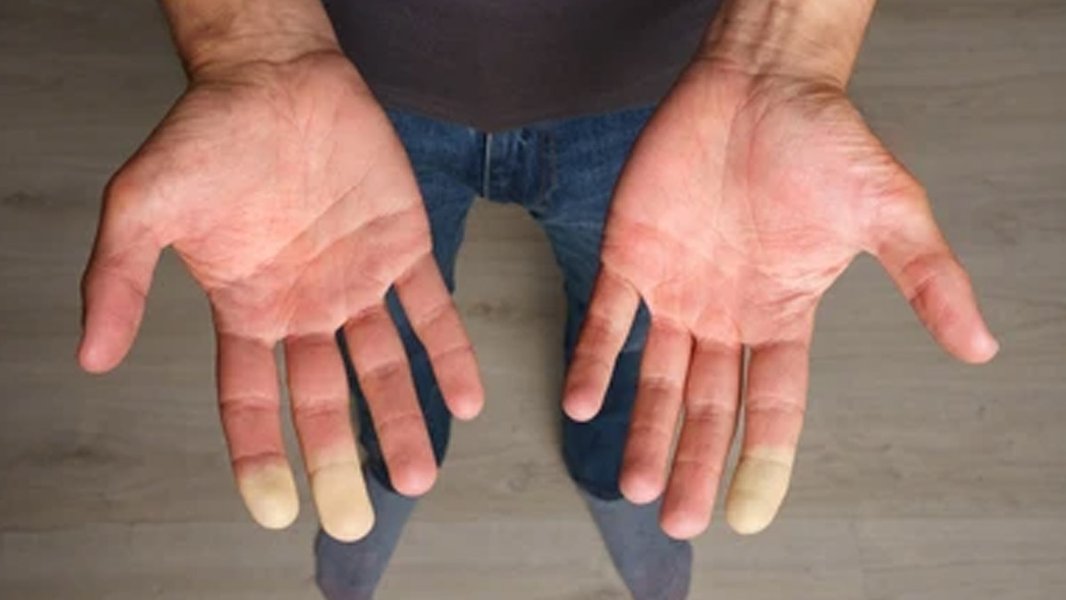
Typical appearance of fingers during a Raynaud's episode.
There's a well-established connection between polycythemia and secondary Raynaud's phenomenon (meaning Raynaud's caused by an underlying condition):
- Microvascular Disturbances: Polycythemia is known to cause problems in the microcirculation – the network of tiny blood vessels. The thick blood and potentially increased number of platelets can physically impede flow or cause dysfunction in these small vessels.
- Circulatory Impairment: Sluggish blood flow due to high viscosity makes the small arteries in your hands more susceptible to the vasospasm (sudden constriction) that characterizes Raynaud's.
- Hematologic Cause: Medical literature explicitly lists blood disorders like polycythemia and other myeloproliferative neoplasms as potential causes of secondary Raynaud's phenomenon.
Therefore, the recent development of Raynaud's in your hands could very well be a manifestation of how your polycythemia is affecting your peripheral circulation.
Investigating the Weight Gain
Weight changes in polycythemia can be complex. While traditionally, unexplained *weight loss* might be associated with advanced disease or complications like an enlarged spleen (splenomegaly), recent observations suggest weight *gain* can also occur.
- Study Findings: At least one study involving PV patients reported a significant percentage experiencing weight gain. While the exact reasons weren't fully determined, potential links to medication effects were suggested. Some treatments might interfere with hormones regulating appetite, like leptin.
- Indirect Factors: The extreme fatigue associated with polycythemia might lead to reduced physical activity, which can contribute to weight gain over time.
- Non-Specific Symptom: Weight gain is also a very common issue influenced by many factors (diet, activity, other health conditions, medications). While it *could* be linked to your polycythemia or its treatment, it's less directly tied than fatigue or Raynaud's.
It's important to discuss this weight gain with your doctor to explore potential causes, including those related to your polycythemia, its treatment, or other independent factors.
Visualizing the Interconnections
Mindmap: Polycythemia and Associated Symptoms
This mindmap illustrates how the core issue of polycythemia (increased red blood cells leading to thickened blood) can branch out to cause the various symptoms you're experiencing.
Symptom Association Strength
This chart provides a visual representation of the relative strength of association between polycythemia and your reported symptoms, based on current medical understanding. It also includes potential contributing factors that might influence these symptoms.
As shown, fatigue and Raynaud's have a strong association with polycythemia's known effects. Weight gain's connection is less direct but possible. Factors like disease progression, medication side effects, and inflammation likely play significant roles in the overall symptom picture.
Symptom Summary Table
This table summarizes the potential connections between your symptoms and polycythemia:
| Symptom | Potential Link to Polycythemia | Primary Mechanism(s) | Notes |
|---|---|---|---|
| Extreme Fatigue | Very Strong | Impaired oxygen delivery due to thick blood; Increased cardiac workload; Systemic inflammation. | A hallmark symptom of polycythemia. |
| Raynaud's Phenomenon (Hands) | Strong | Microvascular dysfunction; Impaired circulation in small vessels due to blood viscosity; Vasospasm triggered by circulatory changes. | Polycythemia is a known cause of secondary Raynaud's. |
| Weight Gain (20 lbs) | Possible / Less Direct | Potential medication side effects (e.g., affecting leptin); Reduced physical activity due to fatigue; Metabolic changes (less understood). | Less commonly cited than weight loss; Requires ruling out other causes. |
Understanding Polycythemia Vera Symptoms
To gain a deeper understanding of the common signs and symptoms associated with Polycythemia Vera (PV), a specific type of polycythemia, the following video provides a helpful overview. It discusses factors like age, blood counts, and details common symptoms, which can offer context even if your specific type of polycythemia differs.
The video elaborates on how symptoms like fatigue arise and mentions other potential issues associated with PV, reinforcing the connections discussed earlier.
Next Steps: Seeking Clarity
Consult Your Healthcare Team
While the information presented suggests a strong link between your longstanding polycythemia and your recent symptoms, it is absolutely essential to discuss these developments with your doctor, likely a hematologist who manages your polycythemia.
Key Discussion Points:
- Detailed Symptom History: Describe the onset, frequency, and severity of your fatigue, Raynaud's episodes, and the timeline of your weight gain.
- Review Current Management: Discuss your current polycythemia treatment (if any) and its effectiveness.
- Potential Investigations: Your doctor may recommend tests such as:
- Complete Blood Count (CBC) to check red blood cell levels, hematocrit, platelets, and white blood cells.
- Tests for specific mutations (like JAK2 if PV is suspected).
- Evaluation for splenomegaly (enlarged spleen).
- Possibly inflammatory markers.
- Evaluation by a rheumatologist or vascular specialist for the Raynaud's phenomenon to confirm the diagnosis and assess severity.
- Treatment Adjustments: Based on the evaluation, adjustments to your polycythemia management might be needed to better control blood counts and alleviate symptoms.
- Addressing Weight Gain: Discuss potential causes and strategies for managing the weight gain.
A comprehensive assessment is crucial to confirm the cause of your symptoms, rule out other possibilities, and ensure you receive the most appropriate care to manage both your polythemia and the symptoms impacting your quality of life.
Frequently Asked Questions (FAQ)
Could my polycythemia have worsened over the last year?
Yes, it's possible. Polycythemia, especially types like PV, can be progressive. The development of new or worsening symptoms like severe fatigue and Raynaud's could indicate a change in your condition's activity or control. This is why regular monitoring and discussing new symptoms with your hematologist is vital.
Is Raynaud's caused by polycythemia dangerous?
While often uncomfortable, Raynaud's itself is usually not dangerous. However, in severe cases, significantly reduced blood flow can lead to complications like skin ulcers or, rarely, tissue damage. When secondary to a condition like polycythemia, it signifies underlying circulatory issues that need management, primarily by controlling the polycythemia.
Can lifestyle changes help manage fatigue from polycythemia?
While medical treatment to control the polycythemia is primary, some lifestyle adjustments might help manage fatigue. These can include pacing activities, ensuring adequate hydration (which can slightly affect blood viscosity), gentle exercise as tolerated (after consulting your doctor), prioritizing sleep, and managing stress. However, these are supportive measures and don't replace medical management.
If my symptoms are connected to polycythemia, what treatments might help?
Treatment focuses on managing the underlying polycythemia to reduce blood viscosity and control cell counts. This might involve:
- Phlebotomy: Regular removal of blood to lower red cell volume.
- Medications: Drugs like hydroxyurea, interferon, or JAK inhibitors (like ruxolitinib for PV) might be used to suppress bone marrow production of blood cells.
- Low-dose Aspirin: Often recommended to reduce the risk of blood clots.
References
- How To Identify Fatigue And Weakness In Polycythemia - polycythemiasymptoms.com
-
Contemporary and future strategies in polycythemia vera - ScienceDirect
-
Raynaud's Syndrome Overview - U.S. News & World Report
- Raynaud Disease - StatPearls - NCBI Bookshelf
-
Myeloproliferative Disease: An Unusual Cause of Raynaud's Phenomenon and Digital Ischaemia - NCBI PMC
- Battle of the Bulge: Weight Gain and Polycythemia Vera - Blood-Cancer.com
- Polycythemia vera - Symptoms & causes - Mayo Clinic
-
Erythrocytosis (High Red Blood Cell Count) - Cleveland Clinic
Recommended
Last updated April 23, 2025