
Unraveling the Genetic Blueprint: How Polygenic Risk Scores for Neurodevelopmental Disorders Shape Cognitive Performance
Explore the intricate genetic connections between polygenic risk scores, neurodevelopmental disorders, and cognitive abilities.
Key Insights into Polygenic Risk Scores and Cognition
- Strong Association: Extensive research confirms a consistent link between higher polygenic risk scores (PRS) for neurodevelopmental disorders (NDDs) and poorer cognitive performance across various domains and life stages.
- Broad Impact: PRS for NDDs like ADHD, ASD, and schizophrenia are associated with lower IQ, reduced working memory, executive function deficits, and impaired academic skills.
- Mechanistic Understanding: These genetic influences impact critical neural development pathways, neurotransmitter function, and brain structure, which collectively underpin cognitive processes.
Polygenic Risk Scores (PRS) offer a powerful lens through which to understand the complex interplay between an individual's genetic makeup and their cognitive abilities, especially in the context of neurodevelopmental disorders. Derived from large-scale Genome-Wide Association Studies (GWAS), PRS synthesize the cumulative effect of thousands of common genetic variants. Each variant, while having a small individual effect, collectively contributes to an individual's predisposition to a particular trait or disorder. For neurodevelopmental disorders (NDDs), such as Autism Spectrum Disorder (ASD), Attention Deficit Hyperactivity Disorder (ADHD), and schizophrenia, these scores capture the polygenic nature of these conditions, meaning that multiple genes contribute to their susceptibility.
The Fundamental Link: PRS for NDDs and Cognitive Performance
The prevailing evidence strongly indicates a significant association between higher polygenic risk scores for neurodevelopmental disorders and diminished cognitive performance. This connection is not merely theoretical but is substantiated by numerous large-scale studies and meta-analyses, revealing a multifaceted relationship.
General Cognitive Abilities and IQ
Individuals with higher PRS for neurodevelopmental and psychiatric disorders frequently exhibit lower general cognitive ability, often reflected in lower IQ scores. For instance, studies have shown that PRS for conditions like schizophrenia, bipolar disorder, and ADHD are linked to reduced overall intelligence. These genetic factors influence the trajectories of cognitive development from childhood through adulthood, suggesting that genetic predispositions can alter typical cognitive maturation.
The predictive power of PRS for cognitive traits is notable. Some research indicates that PRS can account for up to 10% of the variance in cognitive test performance and 7% for general cognitive ability in adult populations. This substantial explanatory power underscores the genetic underpinnings of cognitive variation.
Impact on Specific Cognitive Domains
Beyond general cognitive ability, PRS for NDDs have been linked to impairments in specific cognitive domains critical for daily functioning and academic success:
- Working Memory: Higher genetic risk for disorders like ADHD is associated with deficits in working memory, a crucial component for information processing and problem-solving.
- Executive Function: PRS for ASD and schizophrenia correlate with impaired executive functions, including planning, decision-making, and inhibitory control.
- Attention: Sustained attention can be negatively impacted by higher polygenic risk for certain NDDs.
- Academic Skills: PRS for educational attainment and intelligence have been shown to explain a significant portion of the variance—up to 10% in some studies—in academic performance.
- Visual Memory: While not universally consistent, some studies suggest a link between PRS for intelligence and visual memory performance.
- Language and Motor Skills: In infants, PRS for ASD are associated with delays in developmental milestones, including gross motor and receptive language skills, which are early indicators of potential cognitive difficulties.
Mechanistic Pathways: How Genetics Influence Cognition
The association between PRS for NDDs and cognitive performance is rooted in the complex biological mechanisms through which genetic variants exert their effects on brain development and function.
Neurodevelopmental Processes
Genetic variants associated with NDDs frequently impact fundamental neurodevelopmental pathways. These pathways govern critical processes such as cortical maturation, neuronal migration, and the formation of synaptic connections. Disruptions in these processes can lead to atypical brain structure and function, which in turn manifest as cognitive deficits. Even common genetic variations can influence early neurodevelopmental processes, increasing susceptibility to psychiatric conditions and related cognitive impairments later in life.
An illustration depicting the complex interplay of genetic and environmental factors in neurodevelopmental disorder pathways.
Neurotransmitter Regulation and Synaptic Plasticity
Many genes implicated in NDDs play crucial roles in regulating neurotransmitter systems, such as dopamine, serotonin, and glutamate. Genetic mutations affecting neurotransmitter regulation can disrupt neuronal network activity during critical periods of brain development, leading to cognitive disruptions. For example, variants in genes like COMT, which regulates dopamine, have been linked to cognitive impairments and increased risk for ADHD and schizophrenia.
Furthermore, these genetic variants can influence synaptic plasticity—the ability of synapses to strengthen or weaken over time—which is essential for learning and memory. Impaired synaptic plasticity can contribute directly to the cognitive deficits observed in individuals with high PRS for NDDs.
Brain Structure and Function
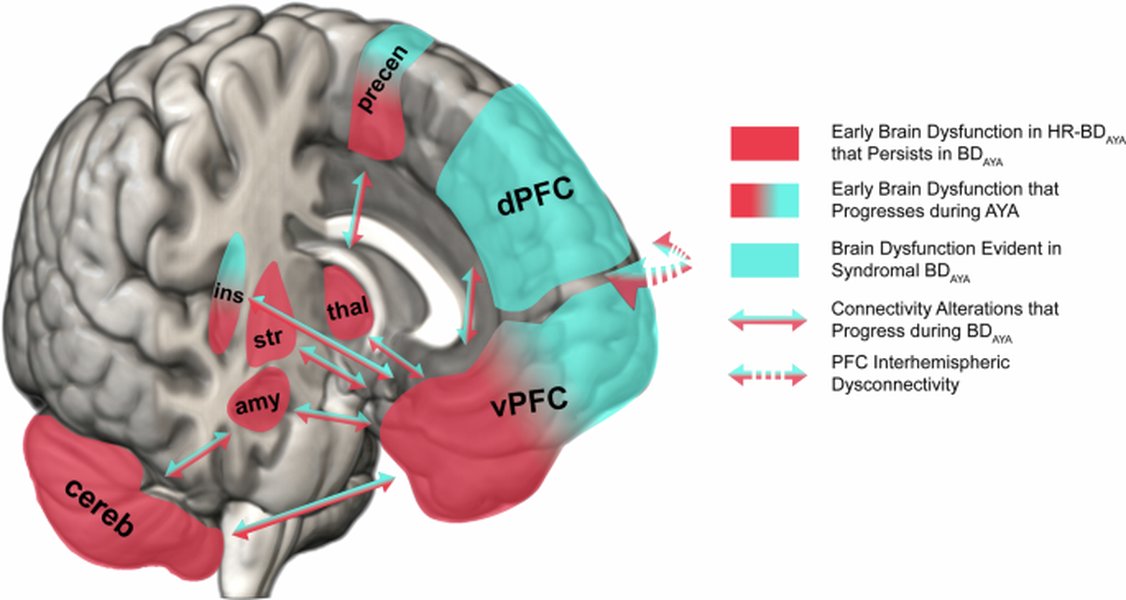
Imaging genetics studies have consistently revealed associations between PRS for neurodevelopmental disorders and variations in brain structure and function. For instance, polygenic risk scores for autism and schizophrenia have been significantly linked to differences in grey matter structure. These structural variations provide a neural basis for the observed genetic influences on cognition, suggesting that higher genetic liability for these conditions corresponds to measurable changes in brain morphology that can impact cognitive processing.
Developmental Trajectories and Age-Related Effects
The influence of PRS for NDDs on cognitive performance is evident across the lifespan, from early childhood to later adulthood.
Early Life Manifestations
While some neuropsychological and behavioral features may not be prominent during infancy, genetic influences on cognitive ability can begin early. Cumulative prenatal risk factors and even DNA methylation patterns have been associated with child cognitive ability, suggesting that early life events and genetic predispositions interact to shape developmental trajectories. PRS for certain NDDs can predict externalizing behaviors and cognitive deficits in childhood, closely linked to underlying neurodevelopmental disruptions.
Persistence and Decline in Adulthood
The impact of PRS for NDDs on cognition often persists and can even contribute to age-related cognitive decline. Higher polygenic risk has been strongly associated with increased rates of decline in memory and executive function, particularly in neurodegenerative conditions like Alzheimer's disease. PRS can identify individuals at higher risk for cognitive impairment, even in those considered at neutral risk based on specific gene alleles.
This radar chart illustrates the perceived impact of Polygenic Risk Scores (PRS) for Neurodevelopmental Disorders (NDDs) across various cognitive domains. Higher scores indicate a greater perceived impact on poorer performance in that domain. Note that these are qualitative estimates based on the synthesis of information, not quantitative data.
Genetic Overlap and Syndrome-Specific Insights
The genetic landscape of neurodevelopmental and psychiatric disorders often reveals significant overlap, underscoring common underlying biological pathways that can affect cognition.
Genetic Overlap and Pleiotropy
Polygenic risk scores demonstrate a genetic overlap between various psychiatric conditions, including schizophrenia, bipolar disorder, major depressive disorder, and traits like educational attainment and IQ. This pleiotropy—where a single gene or genetic variant influences multiple distinct traits—means that the same genetic variants contributing to a neurodevelopmental disorder might also influence cognitive abilities.
for NDDs and Cognitive Performance"] id1["Core Concept: Cumulative Genetic Liability"] id1_1["Sum of Many Common Genetic Variants"] id1_2["Each Variant Has Small Effect"] id1_3["Derived from GWAS"] id2["Association with Poorer Cognitive Outcomes"] id2_1["General Cognitive Ability (IQ)"] id2_1_1["Lower IQ Scores"] id2_1_2["7-10% Variance Explained"] id2_2["Specific Cognitive Domains"] id2_2_1["Working Memory Deficits"] id2_2_2["Executive Function Impairment"] id2_2_3["Reduced Attention"] id2_2_4["Academic Skill Challenges"] id2_2_5["Processing Speed Issues"] id2_3["Early Life Manifestations"] id2_3_1["Developmental Delays (Language, Motor)"] id2_3_2["Childhood Behavioral Phenotypes"] id2_4["Age-Related Decline"] id2_4_1["Accelerated Memory Decline"] id2_4_2["Executive Function Decline in Adulthood"] id3["Mechanistic Underpinnings"] id3_1["Neurodevelopmental Pathways"] id3_1_1["Cortical Maturation"] id3_1_2["Neuronal Connectivity"] id3_2["Neurotransmitter Regulation"] id3_2_1["Dopamine System Disruption"] id3_2_2["Synaptic Plasticity Impairment"] id3_3["Brain Structure & Function"] id3_3_1["Grey Matter Alterations"] id3_3_2["Neural Network Activity Disruption"] id4["Disorder-Specific Examples"] id4_1["ADHD PRS"] id4_1_1["Linked to Lower IQ & Working Memory"] id4_2["ASD PRS"] id4_2_1["Correlates with Educational Attainment, Logical Memory, Executive Function"] id4_3["Schizophrenia PRS"] id4_3_1["Negatively Associated with Cognitive Performance (Memory, Processing Speed)"] id5["Influencing Factors"] id5_1["Common Genetic Variations"] id5_2["Rare Genetic Variations (CNVs)"] id5_3["Environmental Factors (Interact, but Often Independent)"] id5_3_1["Socioeconomic Status"] id5_3_2["Prenatal Stress"]
This mindmap illustrates the central concepts and relationships concerning Polygenic Risk Scores (PRS) for Neurodevelopmental Disorders (NDDs) and their association with cognitive performance. It breaks down the intricate connections from cumulative genetic liability to specific cognitive impacts and underlying mechanisms.
Specific Genetic Syndromes and Copy-Number Variants (CNVs)
Beyond common genetic variations, rare genetic variations, such as copy-number variants (CNVs), are also known to significantly impact cognitive ability and increase the risk for neurodevelopmental disorders. Syndromes like Down's syndrome, Williams syndrome, and Turner's syndrome, caused by specific chromosomal anomalies, are well-studied for their distinctive patterns of cognitive deficits. These findings reinforce that disruptions to gene dosage and broad genomic regions can profoundly affect cognitive functioning.
Depiction of chromosomal abnormalities, which can lead to neurodevelopmental disorders and associated cognitive impacts.
The Broader Context: Predictive Power and Environmental Influences
While PRS are powerful tools for understanding genetic risk, their utility and interpretation must consider broader influences.
Predictive Utility of PRS
Polygenic risk scores for NDDs can predict not only the risk of a clinical diagnosis but also subclinical cognitive difficulties in the general population. They can help identify individuals at higher risk for cognitive impairment or decline, even before the onset of overt symptoms. This predictive power holds promise for future precision medicine approaches, potentially enabling earlier detection and intervention strategies.
Interaction with Environmental Factors
It is important to acknowledge that cognitive outcomes are not solely determined by genetic factors. Environmental factors, such as socioeconomic status, prenatal stress, early-life experiences, and educational opportunities, also play significant roles. While these environmental influences can interact with genetic risk, studies suggest that genetic risks can exert effects independently of socioeconomic status. This highlights the complex interplay of nature and nurture in shaping cognitive abilities.
Summary of Cognitive Domains Affected by PRS for NDDs
The table below summarizes the cognitive domains frequently impacted by higher polygenic risk for neurodevelopmental disorders, based on current research findings.
| Cognitive Domain | Description of Impact | Associated NDDs (Examples) |
|---|---|---|
| General Cognitive Ability (IQ) | Lower overall intellectual functioning and reduced IQ scores. | ADHD, ASD, Schizophrenia, Bipolar Disorder |
| Working Memory | Difficulties holding and manipulating information in mind; impaired short-term retention. | ADHD, Schizophrenia, Major Depressive Disorder |
| Executive Function | Challenges with planning, problem-solving, decision-making, inhibitory control, and cognitive flexibility. | ASD, ADHD, Schizophrenia |
| Attention | Issues with sustained attention, selective attention, and attentional control. | ADHD, Schizophrenia |
| Academic Skills | Lower performance in areas such as reading, writing, and mathematics. | Educational Attainment PRS, ADHD, ASD |
| Processing Speed | Slower speed in performing cognitive tasks and mental operations. | Schizophrenia |
| Visual-Spatial Abilities | Difficulties with spatial reasoning, visual perception, and navigation (less consistent across all NDDs). | Some genetic syndromes (e.g., Williams syndrome) |
Understanding Genetic Contributions to Neurodevelopmental Disorders
To further contextualize the role of polygenic risk scores, it's insightful to explore the broader landscape of genetic contributions to neurodevelopmental disorders. The following video delves into how rare genetic mutations can lead to NDDs, offering a glimpse into the diverse genetic architectures that influence brain development and cognitive outcomes.
This video, "Rare genetic neurodevelopmental disorders: from basic ...", provides an overview of how rare genetic mutations can cause neurodevelopmental disorders. It offers a deeper understanding of the genetic underpinnings, complementing the polygenic perspective by illustrating how both common and rare genetic variations contribute to the complex spectrum of NDDs and their associated cognitive challenges.
Frequently Asked Questions (FAQ)
What exactly is a Polygenic Risk Score (PRS)?
How strong is the association between PRS for NDDs and poor cognitive performance?
Does a high PRS for an NDD mean someone will definitely have cognitive impairments?
Can environmental factors mitigate the effects of high PRS on cognition?
Conclusion
In conclusion, the scientific evidence strongly supports a clear and consistent association between polygenic risk scores for neurodevelopmental disorders and poorer cognitive performance. These scores encapsulate the cumulative effect of many common genetic variations that influence brain development, neurotransmitter function, and brain structure, all of which are fundamental to cognitive abilities. The impact is observed across general cognitive ability (IQ), specific domains like working memory and executive function, and manifests across the lifespan from childhood through adulthood. While PRS are powerful tools for understanding genetic predispositions and identifying individuals at higher risk, it is crucial to remember that cognitive outcomes are complex and influenced by a dynamic interplay of both genetic and environmental factors. Continued research in this area will further refine our understanding and potentially pave the way for more targeted interventions.
Recommended Further Exploration
- How are polygenic risk scores calculated and validated for clinical use?
- What is the impact of rare genetic variants on neurodevelopmental disorders and cognitive function?
- How do environmental factors interact with genetic risk to influence cognitive development in neurodevelopmental disorders?
- What is the neurobiological basis of cognitive deficits observed in schizophrenia and how do PRS relate to it?