
Unpacking the Trustworthiness of Pope Leo XIV: A Comprehensive Analysis
Examining the New Pontiff's Background, Vision, and Public Perception
Key Insights into Pope Leo XIV's Trustworthiness
- Continuity and Reform: Pope Leo XIV, formerly Cardinal Robert Prevost, is widely expected to continue Pope Francis's pastoral focus and reforms, particularly regarding poverty, marginalized people, and increased participation of women in the Church.
- Global Experience and Diverse Background: As the first American Pope, with significant time spent ministering in Peru and high-profile roles in the Vatican, Leo XIV brings a unique global perspective that many believe enhances his credibility and ability to "build bridges" within a diverse Church.
- Public Perception and Challenges: While many express optimism, particularly given his commitment to "ordinary people" and addressing modern challenges like AI, some conservative factions and political figures have voiced skepticism, highlighting the inherent political divides within public opinion of the papacy.
The election of Pope Leo XIV, formerly Cardinal Robert Prevost, marks a historic moment as the first American pontiff. His selection has naturally raised questions about his trustworthiness, particularly in the context of his predecessor, Pope Francis, and the complex challenges facing the Catholic Church today. To assess his trustworthiness, it's crucial to examine his background, stated intentions, and the initial public and ecclesiastical reactions to his papacy.
A Legacy of Service: Pope Leo XIV's Background and Path to Papacy
From Chicago Roots to Global Ministry
Pope Leo XIV was born Robert Francis Prevost in Chicago, Illinois. His journey to the papacy is notable for its international breadth and commitment to the Augustinian order. Having spent two decades ministering in Peru, where he became a bishop and a naturalized citizen, he developed a profound understanding of the global Church, especially the needs of the Global South. This experience sets him apart, as he is described as "the least American among the American cardinals," having dedicated most of his ministry abroad. His return to Rome saw him appointed by Pope Francis to a highly influential post as prefect of the Dicastery for Bishops, demonstrating Francis's trust in his administrative capabilities and progressive leanings.
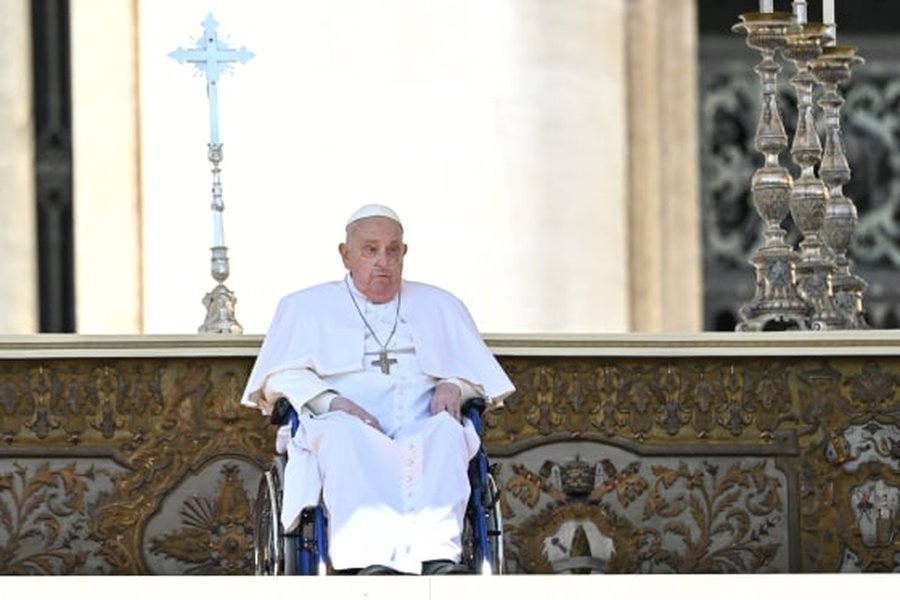
Pope Francis, the predecessor to Leo XIV, whose pastoral focus and reforms are expected to be continued.
The Influence of Pope Francis's Legacy
Pope Francis, who served from 2013 until his death in 2025, significantly shaped the College of Cardinals, appointing 80% of the current cardinal electors. This strategic influence aimed to diversify the cardinalate and reflect the Church's global nature, with a particular emphasis on voices from the Global South and those with varying ideological perspectives. As such, Leo XIV's election, a consensus pick after a quick conclave, is seen by many as a continuation of Francis's pastoral focus and reform agenda. He is expected to build on efforts to address issues such as poverty, the marginalized, and the increased participation of women within the Church, having himself supported Francis's decision to include women in the Dicastery for Bishops.
The Conclave Process: A Testament to Divine Guidance
The papal conclave, a secretive process where cardinals gather in the Sistine Chapel, is governed by strict rules to ensure the election of a new pope. The process involves multiple rounds of balloting until a candidate secures two-thirds of the votes. The appearance of white smoke from the chimney of the Sistine Chapel, accompanied by the ringing of St. Peter's Basilica bells, signifies the election of a new pontiff. This centuries-old tradition, while deeply rooted in spiritual significance, also involves pragmatic considerations, as cardinals seek a leader who can navigate the complex challenges of the modern world.
A video explaining the conclave, the secretive process by which a new Pope is chosen, which culminated in the election of Leo XIV.
The video above provides a concise explanation of the conclave, the highly secretive process through which the cardinals elect a new Pope. It details the steps, the significance of the black and white smoke, and the spiritual and logistical considerations involved. This understanding is crucial for appreciating the context of Leo XIV's election, highlighting that the process is not merely a political vote but one imbued with deep spiritual meaning for Catholics, who believe the Holy Spirit guides the cardinal electors. The swiftness of Leo XIV's election, taking only two days and a few rounds of voting, suggests a strong consensus among the cardinals, indicating confidence in his leadership.
Pope Leo XIV's Vision and Stance on Key Issues
A Bridge-Builder with a Missionary Heart
In his first public remarks from the balcony of St. Peter's Basilica, Pope Leo XIV emphasized a vision of "building bridges," signaling his intent to foster unity within the Church and with the wider world. His Augustinian background, characterized by a commitment to missionary outreach and a consultative approach to decision-making, is expected to shape his papacy. He has publicly stated his desire for the Church to "enlarge the tent and to let everyone know they are welcome inside the church," a sentiment that resonates with Francis's emphasis on inclusion and mercy.
Continuity and Nuance on Progressive Issues
While often described as a reformer, Leo XIV's approach to certain issues appears nuanced. He has acknowledged the enrichment that women's perspectives bring to the Church and has been involved in Francis's initiative to include women in the Dicastery for Bishops. However, he has also commented that "clericalizing women" might not solve problems and could create new ones, suggesting a cautious stance on issues like the ordination of women priests, aligning with traditional Catholic doctrine while seeking greater female participation in other roles. On LGBTQ+ issues, his views are still emerging, but his emphasis on welcoming everyone suggests a pastoral, rather than condemnatory, approach.
Furthermore, his reported concern for immigration and the environment aligns with Pope Francis's advocacy for these issues, particularly given his own background in Peru and his grandparents' immigrant story. This focus on social justice and the care for creation indicates a continuity with the progressive social teachings of the previous pontificate. His initial homily at the Sistine Chapel positioned him on the side of "ordinary people," pledging to lift them up and address the "wounds that afflict our society," including the challenges posed by artificial intelligence to "human dignity, justice and labor."
Analyzing Trustworthiness through Key Attributes
To provide a structured assessment of Pope Leo XIV's trustworthiness, a radar chart can illustrate various dimensions of his perceived reliability and leadership qualities, based on initial reports and his background. This chart represents an opinionated analysis of his strengths and areas where public perception might be divided.
This radar chart illustrates various dimensions of Pope Leo XIV's perceived trustworthiness and leadership qualities. His Pastoral Compassion and Global Experience score highly due to his background in Peru and his focus on "ordinary people." His Administrative Acumen is recognized from his prior Vatican role. The chart also attempts to capture the differing expectations from various Catholic groups. Reform-minded Catholics might emphasize a stronger Reformist Stance and Transparency & Accountability, while Traditional Catholics might prioritize Consistency with Doctrine. Pope Leo XIV's challenge will be to balance these expectations while fostering Unity and Bridge-Building.
Public Reception and Challenges
A Mix of Optimism and Skepticism
The election of Pope Leo XIV has been met with a varied public response, reflecting the diverse perspectives within and outside the Catholic Church. Many have expressed excitement over the first American pope, hoping his background will bring fresh perspectives to global issues. His focus on social justice, immigrants, and the environment has been particularly welcomed by those who aligned with Pope Francis's progressive stances. Supporters see him as a leader who will continue the necessary modernization of the Church while staying grounded in its core principles.
Political Divides and Traditionalist Concerns
However, the papacy, regardless of the individual, often becomes entangled in political narratives. Some conservative factions, particularly in the United States, have criticized Leo XIV, viewing his past comments and his alignment with Francis's reforms as leaning too "woke" or "Marxist." Figures close to former President Trump have expressed disappointment, suggesting the new Pope may not be "America first." This highlights a persistent challenge for any pope: navigating the highly polarized political landscapes of various nations while maintaining spiritual leadership over a global flock. Traditionalist Catholics, who have expressed skepticism towards Popes from John XXIII to Francis, may continue to view Leo XIV with similar reservations, sometimes questioning his alignment with certain doctrines.
Addressing the Abuse Crisis and Institutional Credibility
A significant challenge for Pope Leo XIV, and indeed for the entire papacy, is the ongoing sexual abuse crisis within the Church. While Pope Francis made efforts to address this issue more directly than his predecessors, the Church's credibility has been severely undermined by past failures to protect victims and hold perpetrators accountable. The new pope will be under immense pressure to demonstrate zero tolerance for abuse and to implement comprehensive reforms that ensure accountability and transparency. His trustworthiness will, in part, be judged by how effectively he tackles this deeply painful and complex issue, ensuring the safety of the faithful and rebuilding trust.
Below is a table summarizing key aspects of Pope Leo XIV's papacy that contribute to perceptions of his trustworthiness:
| Aspect of Trustworthiness | Description | Potential Impact on Trust |
|---|---|---|
| Continuity with Pope Francis | Expected to continue Francis's pastoral focus, reforms on poverty, marginalized groups, and increased participation of women. | Builds trust among those who admired Francis's papacy; may raise concerns among conservative factions. |
| Global Perspective | First American Pope with extensive experience in Peru and high-profile Vatican roles; speaks multiple languages. | Enhances credibility as a leader for a diverse, global Church; seen as capable of "building bridges." |
| Stance on Social Issues | Expressed concern for immigrants, the poor, and the environment; advocates for "ordinary people." | Resonates with those prioritizing social justice; may be criticized by those with opposing political views. |
| Administrative Experience | Served as prefect of the Dicastery for Bishops, overseeing bishop appointments. | Suggests competence in Church governance and reform implementation. |
| Addressing Modern Challenges | Committed to addressing artificial intelligence's impact on human dignity, justice, and labor. | Demonstrates forward-thinking leadership and relevance in a rapidly changing world. |
| Traditionalist Concerns | Some conservative Catholics express skepticism regarding his progressive leanings. | Could face internal resistance or criticism from those who desire a more traditional approach. |
| Abuse Crisis Response | Inherits the ongoing challenge of addressing past sexual abuse and ensuring accountability. | His actions on this issue will be critical in rebuilding and maintaining trust among the faithful and the public. |
Frequently Asked Questions (FAQ)
What is Pope Leo XIV's background?
How was Pope Leo XIV elected?
What are Pope Leo XIV's key priorities?
Is Pope Leo XIV considered a progressive or conservative?
How has the public reacted to Pope Leo XIV's election?
Conclusion
Pope Leo XIV's trustworthiness appears to be rooted in his extensive global experience, his commitment to continuity with Pope Francis's pastoral vision, and his emphasis on social justice and bridge-building. His background as a missionary in Peru and his significant administrative role in the Vatican prior to his election position him as a leader capable of understanding and addressing the diverse needs of the global Catholic Church. While he faces the inherent challenges of navigating political divides and the ongoing institutional credibility issues, his initial pronouncements suggest a pontificate focused on unity, inclusion, and the well-being of "ordinary people." Ultimately, his actions and how he addresses the complex issues confronting the Church will define his legacy and determine the enduring perception of his trustworthiness among the faithful and the world at large.
Recommended Further Reading
- How does the Catholic Church address modern social issues?
- What is the role of the College of Cardinals in the Catholic Church?
- What were the key reforms implemented by Pope Francis?
- Challenges and future directions for the Catholic Church
References
Last updated May 21, 2025