
Common Backend Frameworks in Different Programming Languages
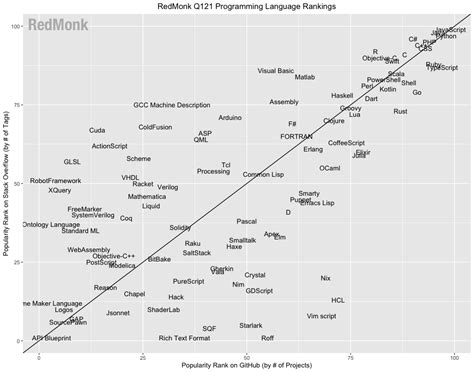
Backend frameworks are essential tools for developers to build robust, scalable, and secure web applications. They provide structured environments for handling server-side logic, database interactions, API creation, and more. This comprehensive guide explores the most common backend frameworks across various programming languages, highlighting their key features, use cases, and reasons for their popularity.
1. Python
Python is renowned for its simplicity, readability, and versatility, making it a top choice for backend development. Its extensive ecosystem and supportive community contribute to its widespread adoption.
a. Django
- Description: Django is a high-level, open-source framework that follows the Model-View-Controller (MVC) architectural pattern. It emphasizes rapid development and clean, pragmatic design.
- Key Features:
- Built-in admin panel for CRUD operations.
- Object-Relational Mapping (ORM) for database interactions.
- Comprehensive authentication system.
- Robust security features to protect against common vulnerabilities.
- Scalable architecture suitable for large-scale applications.
- Use Cases: Ideal for building large-scale web applications such as e-commerce platforms, social networks, and content management systems.
- Popular Projects: Instagram, Pinterest, Mozilla, Spotify.
b. Flask
- Description: Flask is a lightweight and flexible micro-framework that provides the essentials for web development without imposing a specific project structure.
- Key Features:
- Minimalistic design with modularity.
- Supports extensions for adding functionality like database integration and form validation.
- Easy to learn and use, making it suitable for beginners.
- Highly customizable, allowing developers to choose their tools and libraries.
- Use Cases: Best suited for small to medium-sized applications, RESTful APIs, and prototypes.
- Popular Projects: Netflix, Reddit API, Lyft.
c. FastAPI
- Description: FastAPI is a modern, high-performance framework designed for building APIs efficiently. It leverages Python’s type hints for better code validation and automatic documentation.
- Key Features:
- Automatic generation of OpenAPI documentation.
- High performance, comparable to Node.js and Go.
- Built-in support for asynchronous programming using async/await.
- Dependency injection system for better modularity.
- Use Cases: Ideal for building high-performance APIs and microservices that require rapid development and scalability.
2. JavaScript/TypeScript (Node.js)
JavaScript, complemented by its superset TypeScript, has become a dominant language for both frontend and backend development. Node.js, a runtime environment, powers several backend frameworks known for their performance and scalability.
a. Express.js
- Description: Express.js is a minimalistic and unopinionated framework for Node.js, widely recognized for its simplicity and flexibility.
- Key Features:
- Lightweight and fast with a minimal footprint.
- Extensive middleware support for handling requests and responses.
- Highly flexible, allowing developers to structure their applications as they prefer.
- Large ecosystem of plugins and extensions.
- Use Cases: Ideal for building RESTful APIs, single-page applications, and server-side rendered applications.
- Popular Projects: Uber, LinkedIn, Accenture.
b. NestJS
- Description: NestJS is a progressive framework built on top of Node.js and Express.js. It uses TypeScript by default and is heavily inspired by Angular.
- Key Features:
- Modular architecture for enhanced scalability.
- Built-in support for WebSockets and GraphQL.
- Dependency injection for improved code maintainability.
- Support for microservices architecture.
- Use Cases: Best suited for enterprise-level applications, scalable server-side applications, and microservices.
- Popular Projects: Adidas, Capgemini, Trilon.
c. Koa.js
- Description: Koa.js is a modern framework developed by the creators of Express.js. It emphasizes a more expressive and modular middleware system.
- Key Features:
- Built-in support for async/await, enhancing asynchronous programming.
- Middleware chaining for better control over request/response handling.
- Minimalistic design with no built-in routing or templating, allowing for greater customization.
- Use Cases: Suitable for building lightweight APIs and applications that require flexibility.
3. Java
Java remains a stalwart in backend development, particularly in enterprise environments. Its frameworks are celebrated for their robustness, scalability, and extensive feature sets.
a. Spring Boot
- Description: Spring Boot is an extension of the Spring framework that simplifies the development of production-ready applications by minimizing boilerplate code and configurations.
- Key Features:
- Embedded servers like Tomcat and Jetty for ease of deployment.
- Built-in dependency injection to manage components.
- Comprehensive security features through Spring Security.
- Support for microservices architecture.
- Auto-configuration to streamline setup processes.
- Use Cases: Ideal for microservices, enterprise applications, and RESTful APIs.
- Popular Projects: Netflix, Amazon, eBay.
b. Micronaut
- Description: Micronaut is a modern, lightweight framework designed for building modular, testable microservices and serverless applications.
- Key Features:
- Fast startup time and low memory consumption.
- Built-in dependency injection with compile-time processing.
- Native cloud support for seamless deployment.
- AOT (Ahead-Of-Time) compilation for enhanced performance.
- Use Cases: Perfect for microservices, serverless computing, and applications requiring high performance and scalability.
4. PHP
PHP continues to be a dominant language for web development, with frameworks that simplify building dynamic and interactive web applications.
a. Laravel
- Description: Laravel is a modern PHP framework known for its elegant syntax and developer-friendly features. It follows the MVC architectural pattern and emphasizes convention over configuration.
- Key Features:
- Built-in ORM (Eloquent) for seamless database management.
- Blade templating engine for dynamic content rendering.
- Task scheduling and queue management for handling background jobs.
- Comprehensive authentication and authorization systems.
- Robust routing system with support for RESTful APIs.
- Use Cases: Ideal for building content management systems (CMS), e-commerce platforms, and SaaS applications.
- Popular Projects: Invoice Ninja, October CMS, BBC.
b. Symfony
- Description: Symfony is a mature and flexible framework that provides reusable PHP components for building complex web applications. It offers a highly modular architecture, allowing developers to use only the components they need.
- Key Features:
- Highly customizable with a modular architecture.
- Built-in debugging tools and profiler for efficient development.
- Extensive ecosystem of reusable bundles.
- Strong community support and comprehensive documentation.
- Use Cases: Best suited for enterprise-level applications, large-scale projects, and applications requiring high customization.
5. Ruby
Ruby is celebrated for its simplicity and developer-friendly syntax, making it a favorite for rapid application development.
a. Ruby on Rails
- Description: Ruby on Rails, often referred to as Rails, is a full-stack framework that emphasizes convention over configuration. It streamlines repetitive tasks, accelerating the development process.
- Key Features:
- Built-in ORM (Active Record) for database interactions.
- Scaffolding for rapid application prototyping.
- Comprehensive routing system for RESTful APIs.
- Strong focus on developer productivity and maintainable code.
- Vibrant ecosystem with a vast collection of gems (plugins).
- Use Cases: Perfect for startups, minimum viable products (MVPs), and e-commerce platforms requiring rapid development and scalability.
- Popular Projects: Airbnb, GitHub, Shopify.
b. Sinatra
- Description: Sinatra is a lightweight framework for Ruby, designed for building simple web applications and APIs with minimal overhead.
- Key Features:
- Minimalistic and highly flexible design.
- Easy to learn and use, making it suitable for small projects.
- Supports modular extensions for added functionality.
- Use Cases: Ideal for small applications, microservices, and APIs that require simplicity and ease of deployment.
6. C#
C# is a versatile language developed by Microsoft, widely used for building Windows applications and web services. Its frameworks offer powerful features and seamless integration within the Microsoft ecosystem.
a. ASP.NET Core
- Description: ASP.NET Core is a cross-platform, high-performance framework for building modern, cloud-based web applications and APIs. It is a successor to the traditional ASP.NET framework, offering enhanced features and flexibility.
- Key Features:
- High performance and scalability for enterprise-level applications.
- Built-in dependency injection for better modularity and testing.
- Cross-platform support, allowing deployment on Windows, Linux, and macOS.
- Strong integration with Microsoft Azure for cloud-based solutions.
- Comprehensive security features and middleware support.
- Use Cases: Ideal for enterprise applications, cloud-based services, and RESTful APIs requiring high performance and scalability.
- Popular Projects: Stack Overflow, Microsoft products, GoDaddy.
b. Nancy
- Description: Nancy is a lightweight framework inspired by Sinatra, designed for building simple and flexible web applications with minimal configuration.
- Key Features:
- Minimalistic and easy to use.
- Flexible routing and middleware support.
- Highly customizable, allowing developers to tailor the framework to their needs.
- Use Cases: Suitable for small to medium-sized applications, RESTful APIs, and projects that require simplicity and flexibility.
7. Go (Golang)
Go, or Golang, is a statically typed, compiled language developed by Google. It is prized for its simplicity, performance, and concurrency support, making it a popular choice for backend development.
a. Gin
- Description: Gin is a lightweight and high-performance web framework for Go, designed to build scalable and efficient web applications.
- Key Features:
- Fast routing with minimal overhead.
- Middleware support for request handling and response processing.
- Built-in JSON validation and rendering.
- Extensible with a wide range of plugins and extensions.
- Use Cases: Ideal for building RESTful APIs, microservices, and high-performance web applications.
b. Echo
- Description: Echo is a high-performance, minimalist framework for Go that prioritizes developer productivity and extensibility.
- Key Features:
- Middleware chaining for streamlined request processing.
- Built-in template rendering for dynamic content.
- WebSocket support for real-time applications.
- Extensible architecture allowing integration with various third-party libraries.
- Use Cases: Suitable for building APIs, real-time applications, and scalable microservices.
c. Beego
- Description: Beego is a full-stack framework for Go that provides a comprehensive set of tools for building web applications and APIs.
- Key Features:
- Built-in ORM and task scheduling for efficient database management.
- Support for WebSocket and RESTful APIs.
- Modular structure facilitating scalable application development.
- Integrated tools for logging, caching, and session management.
- Use Cases: Ideal for enterprise applications, real-time systems, and complex web applications requiring robust features.
8. Rust
Rust is a systems programming language focused on safety, speed, and concurrency. Its backend frameworks leverage these strengths to build high-performance and reliable web applications.
a. Rocket
- Description: Rocket is a web framework for Rust that emphasizes safety and speed, making it ideal for building performant web applications.
- Key Features:
- Type-safe routing ensuring compile-time checks.
- Built-in testing tools for efficient development.
- High performance leveraging Rust’s concurrency model.
- Extensible with a variety of plugins and middlewares.
- Use Cases: Suitable for building APIs, web servers, and system-level web applications where performance and safety are paramount.
b. Actix
- Description: Actix is a powerful framework for Rust designed for building web applications and APIs with a focus on performance and scalability.
- Key Features:
- High performance with asynchronous support.
- Robust actor-based system for handling concurrent processes.
- Comprehensive middleware support.
- Strong type safety and memory safety guarantees.
- Use Cases: Best for high-performance applications, real-time systems, and scalable APIs requiring efficient concurrency handling.
Conclusion
The selection of a backend framework is pivotal to the success of a web application. It depends on various factors including the programming language of choice, project requirements, scalability needs, and the expertise of the development team. Each framework offers unique strengths tailored to specific use cases:
-
Python: Django and FastAPI are excellent for rapid development and high-performance APIs, while Flask offers flexibility for smaller projects.
-
JavaScript/TypeScript: Express.js and Koa.js provide lightweight solutions for APIs and microservices, whereas NestJS is ideal for enterprise-level applications.
-
Java: Spring Boot and Micronaut cater to enterprise applications and microservices with robust features and scalability.
-
PHP: Laravel and Symfony streamline web development with their comprehensive feature sets and strong community support.
-
Ruby: Ruby on Rails accelerates development for startups and MVPs, while Sinatra offers simplicity for smaller applications.
-
C#: ASP.NET Core stands out for building high-performance, scalable web applications within the Microsoft ecosystem.
-
Go: Gin, Echo, and Beego provide high-performance solutions for APIs and microservices, leveraging Go’s concurrency strengths.
-
Rust: Rocket and Actix offer safety and performance for building reliable and efficient web applications.
By thoroughly understanding the features and use cases of these frameworks, developers can make informed decisions to select the most suitable tool for their projects, ensuring efficiency, maintainability, and scalability.
Sources
Last updated January 3, 2025