
Unlocking Population Health: The Power of Epidemiological Studies
Explore how large-scale correlational research shapes public health insights
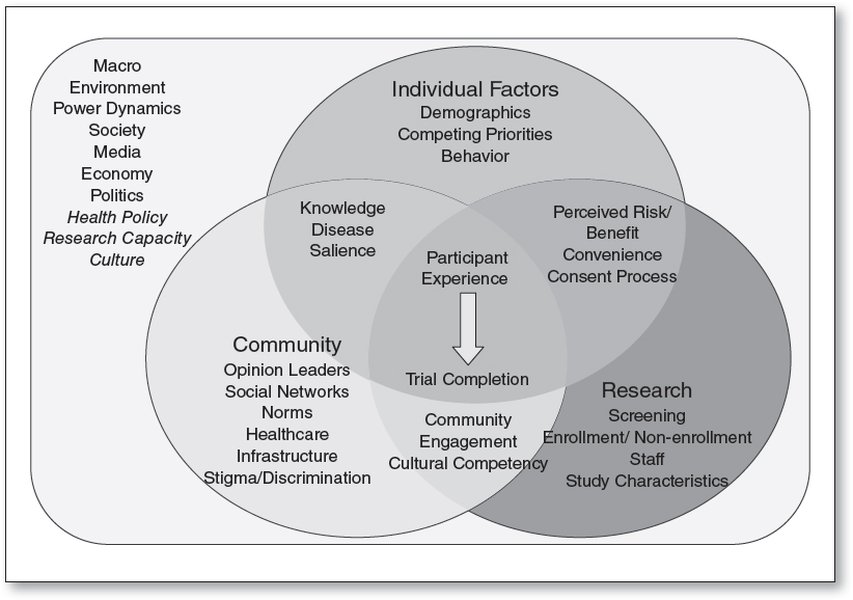
Key Insights at a Glance
- Epidemiological Studies Overview: These studies analyze disease prevalence and risk factors across populations.
- Role in Public Health: They identify patterns in health events, enabling effective prevention and intervention strategies.
- Methodological Versatility: Ranging from observational to cohort and case-control studies, they offer comprehensive cross-sectional insights.
Understanding Epidemiological Studies
Large-scale correlational studies that measure the prevalence of a disorder in the population are known as epidemiological studies. These studies are a cornerstone of public health research. Epidemiology is the scientific discipline that examines the distribution and determinants of disease across populations. By exploring variations in disease frequency, epidemiological research helps identify potential risk factors, design interventions, and shape health policies on a community, regional, or global scale.
In contrast to other research methodologies, epidemiological studies are primarily descriptive and analytical. They capture snapshots of health conditions over time—tracking how a disorder affects different groups within the population. These studies are instrumental in understanding the prevalence of diseases, monitoring trends, and assessing the impact of environmental, social, and behavioral risk factors.
What Distinguishes Epidemiological Studies?
Unlike randomized-controlled trials, which assign specific interventions to assess treatment impact, epidemiological studies focus on observing and describing relationships between disease occurrences and various risk factors in real-world settings. In epidemiology:
- Descriptive Epidemiology: Emphasizes the who, what, when, and where of disease occurrence, providing estimates of disease burden (prevalence) over a given time.
- Analytical Epidemiology: Investigates potential causal relationships by comparing groups within a population, for example, exposing the links between environmental factors and disease prevalence.
Deep Dive into Methodologies and Applications
Methodological Approaches in Epidemiological Research
Observational Studies
Observational studies are among the most common in epidemiology. They involve monitoring existing conditions without modifying the environment or intervention. Examples include:
- Cohort Studies: Following groups of individuals over time to evaluate disease development in relation to potential risk factors.
- Case-Control Studies: Retrospectively comparing individuals with a disorder (cases) against those without (controls) to identify exposure differences.
- Cross-Sectional Studies: Providing a snapshot of a population’s health status at a specific point in time to estimate disease prevalence.
Analytical Concepts
The analytical branch of epidemiological studies employs statistics to assess the strength and significance of associations between exposures (such as lifestyle or environmental factors) and health outcomes. This approach allows researchers to determine which factors might contribute to an increased disease risk and the extent of that risk.
By examining trends over time and across diverse populations, epidemiological studies guide public health decisions. These studies provide crucial information that can lead to targeted interventions, improved health policies, and ultimately, better health outcomes at the population level.
Practical Applications in Public Health Research
Impact on Policy, Prevention, and Future Research
Epidemiological studies are key to understanding disease dynamics. Their findings inform various aspects of public health, including:
| Aspect | Description |
|---|---|
| Prevalence Measurement | Accurate estimation of the number of cases of a disorder in a population at a specific time. |
| Identification of Risk Factors | Recognition of lifestyle, environmental, and genetic factors that increase disease risk. |
| Policy Guidance | Data-driven decisions to allocate resources and implement public health interventions. |
| Epidemic Preparedness | Surveillance data that helps predict and manage future disease outbreaks. |
| Intervention Effectiveness | Evaluation of public health measures and their impact on reducing disease prevalence. |
Through robust data collection and careful analysis, epidemiology contributes to reducing the burden of diseases worldwide. The continuous refinement of study designs and statistical methods ensures that public health responses are based on reliable evidence.
Visualizing Epidemiological Insights
To help you better visualize the multifaceted aspects of epidemiological studies, the radar chart below represents several components of epidemiological research. These components include study design robustness, data collection quality, analytical methods, risk factor identification, policy impact, and intervention evaluation.
Multimedia Enhancements
Epidemiological Studies Explained Through Visual Content
The video below provides a comprehensive overview of epidemiological studies, explaining their significance and demonstrating how these studies are designed and implemented. This resource is exceptionally helpful for those seeking a visual and narrative explanation of population health trends and research methodologies.
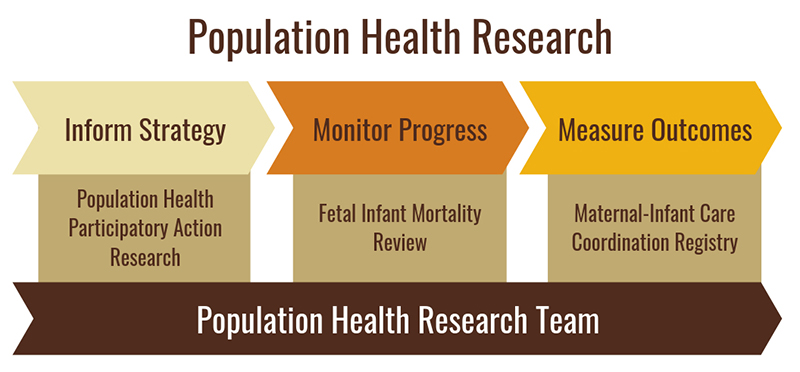
Additionally, the images below depict real-world examples of public health research and the environments where data is collected, which further illustrates the practical aspects of conducting epidemiological investigations.

FAQs on Epidemiological Studies
References
- What is the difference between population health and epidemiology? - University of Wisconsin
- Study design: Epidemiological Studies Overview - UNISA
-
Epidemiology is about disease in populations - PMC
- Population and Health: An Introduction to Epidemiology - PRB
- Epidemiology - Wikipedia
Recommended Related Queries
Last updated April 3, 2025