
Comprehensive Overview of Crude Oil Processing at Port Arthur Refineries, Texas
Exploring the Versatile Crude Processing Capabilities and Advanced Refining Technologies
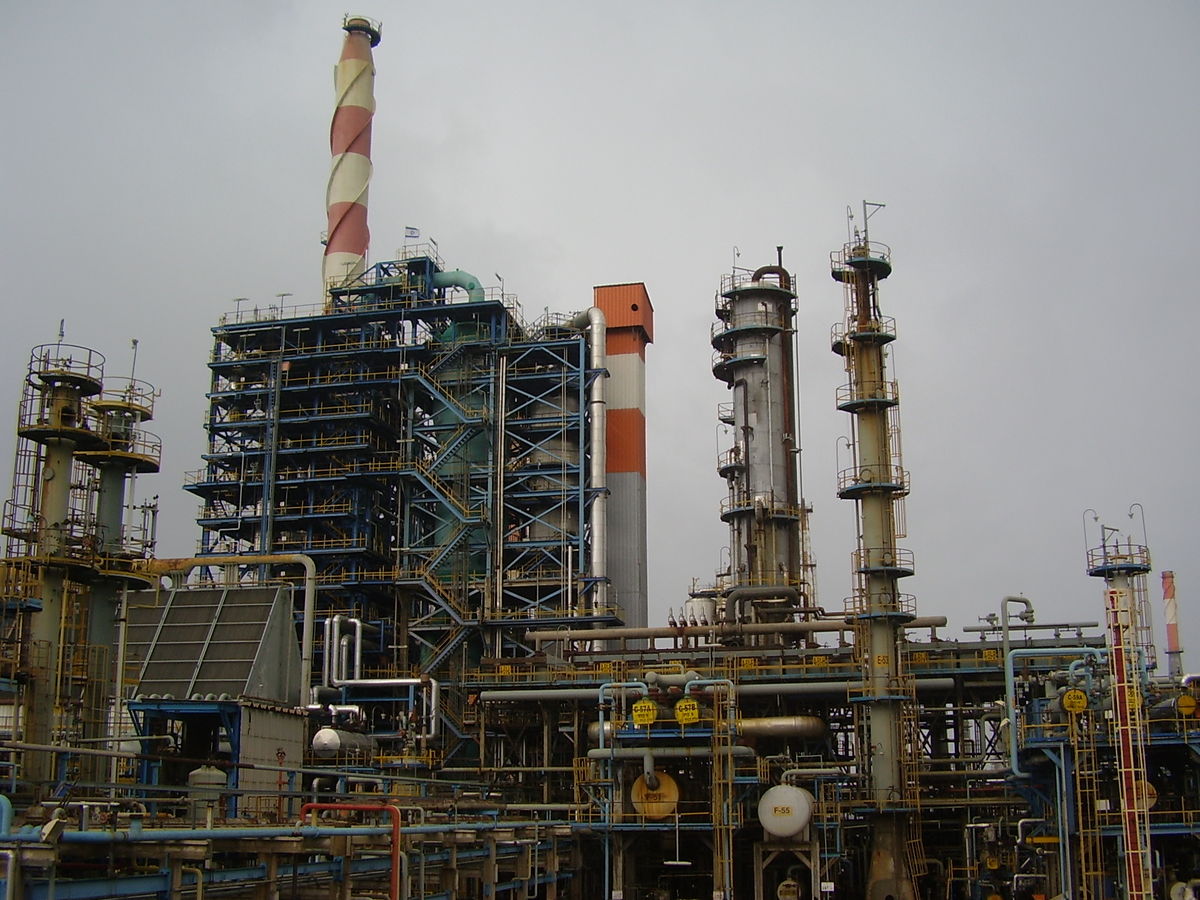
Key Takeaways
- Diverse Crude Processing: Port Arthur refineries are equipped to handle a wide range of crude oil grades, including both heavy and light, sweet and sour varieties.
- Advanced Refining Infrastructure: State-of-the-art facilities such as fluidized-bed catalytic crackers and cokers enable efficient and flexible refining operations.
- Significant Refining Capacity: The combined processing capacities of the refineries make Port Arthur the largest oil refining hub in North America.
Introduction to Port Arthur Refineries
The Port Arthur region in Texas is renowned for its substantial contribution to the petroleum refining industry in the United States. Hosting some of the largest and most advanced refineries, including those operated by Motiva Enterprises, Valero Energy, and TotalEnergies, Port Arthur stands as a pivotal hub for processing a diverse array of crude oil grades. This comprehensive overview delves into the types of crude oil processed, the refining capabilities, infrastructure advancements, and the strategic significance of these refineries in the global energy landscape.
Understanding Crude Oil Grades
Classification of Crude Oils
Crude oil is categorized based on its density and sulfur content, which determine its market value and the complexity of refining processes required. The primary classifications include:
1. Light vs. Heavy Crude
Light Crude Oil: Characterized by a higher API gravity and lower viscosity, light crude is easier and less costly to refine. It typically contains a higher proportion of valuable hydrocarbons such as gasoline and diesel. An example of light crude is West Texas Intermediate (WTI).
2. Sweet vs. Sour Crude
Sweet Crude Oil: Contains low sulfur content, making it less corrosive and easier to process into high-quality fuels. Sweet crudes are preferred for producing cleaner-burning gasoline and diesel.
Sour Crude Oil: Has a higher sulfur content, requiring more intensive refining processes to remove impurities. While sour crude is generally cheaper, the additional processing increases overall refining costs.
Crude Oil Grades Processed at Port Arthur Refineries
The Port Arthur refineries are designed to handle a broad spectrum of crude oil grades, ensuring operational flexibility and economic efficiency. The primary grades processed include:
1. Heavy Sour Crude
This grade is characterized by high viscosity and sulfur content. Port Arthur's refineries are equipped with specialized units like cokers and hydrotreaters to process heavy sour crude, converting it into valuable products such as diesel, gasoline, and petrochemicals.
2. Light Sweet Crude
With lower viscosity and sulfur content, light sweet crude is more straightforward to refine. The refineries utilize catalytic crackers and hydrotreaters to maximize the yield of high-value products from this type of crude.
3. Medium Crude Grades
Intermediate grades with moderate sulfur content and density fall between light and heavy crude. Port Arthur's infrastructure efficiently manages these grades, optimizing the balance between processing costs and product quality.
Refining Capabilities and Infrastructure
Advanced Processing Units
The ability to process diverse crude oil grades hinges on the presence of advanced refining technologies. Port Arthur refineries incorporate several key units that enhance their versatility and efficiency:
1. Fluidized-Bed Catalytic Cracker (FCC)
The FCC unit is essential for breaking down large hydrocarbon molecules into smaller, more valuable ones like gasoline and diesel. This technology is particularly effective for processing lighter crude oils.
2. Coking Units
Cokers handle heavy sour crude by thermally cracking residual oils into lighter products and petroleum coke. This process is vital for maximizing the yield from heavier crude inputs.
3. Hydrotreaters
Hydrotreating units remove impurities such as sulfur, nitrogen, and metals from the refined products. This ensures compliance with environmental standards and improves fuel quality.
4. High-Pressure Distillate Hydrodesulfurization Units
These units further refine products like diesel and jet fuel by reducing sulfur content to ultra-low levels, catering to stringent environmental regulations.
Refining Capacity and Scalability
Port Arthur houses multiple refineries, each contributing to the region's overall refining capacity:
| Refinery | Operator | Processing Capacity (Barrels per Day) | Crude Types Processed |
|---|---|---|---|
| Motiva Port Arthur Refinery | Motiva Enterprises (Saudi Aramco) | 720,000 | Heavy, Light, Sour, Sweet |
| Valero Port Arthur Refinery | Valero Energy | 360,000 | Heavy, Light |
| TotalEnergies Port Arthur Refinery | TotalEnergies | 238,000 | Heavy, Light |
Technological Advancements and Modernization
Continuous investment in modernization ensures that Port Arthur refineries remain at the forefront of refining technology. Key advancements include:
1. Expansion Projects
Recent expansions have increased distillation and coking capacities, allowing refineries to process heavier crude grades more efficiently and produce higher volumes of refined products.
2. Sustainable Refining Practices
Port Arthur refineries are adopting sustainable practices, including energy-efficient processes and waste reduction techniques, to minimize environmental impact while maintaining high productivity.
3. Integration of Petrochemical Production
Some refineries have integrated petrochemical production units, enabling the conversion of refined products into essential petrochemicals used in various industries, thereby enhancing economic value.
Product Outputs and Market Impact
Range of Refined Products
The refined products resulting from crude oil processing at Port Arthur refineries cater to diverse market needs. Key outputs include:
1. Fuels
Products such as gasoline, diesel, and jet fuel are primary outputs, meeting the energy demands of transportation sectors worldwide.
2. Petrochemicals
Chemicals derived from refining processes are integral to producing plastics, solvents, and other industrial materials essential for various manufacturing processes.
3. Lubricants and Base Oils
High-quality lubricants and base oils are produced, serving critical roles in machinery operation, automotive industries, and other applications requiring specialized oil products.
4. Petroleum Coke
A byproduct of heavy crude processing, petroleum coke is used in industrial applications such as steel production and as a fuel source in power generation.
Economic and Strategic Significance
Port Arthur's refining capabilities significantly impact both the regional and national economy. The refineries contribute to energy security, create employment opportunities, and support ancillary industries. Additionally, their capacity to process diverse crude grades enhances market resilience, allowing adaptability to fluctuating crude prices and supply dynamics.
Global Market Integration
Port Arthur refineries play a crucial role in the global oil supply chain. Their ability to process various crude grades from both domestic sources and international imports positions them as key players in global energy markets. This integration facilitates the efficient distribution of refined products to international markets, fostering economic ties and energy trade partnerships.
Operational Flexibility and Market Adaptability
Dynamic Crude Selection
The capacity to process multiple crude grades allows Port Arthur refineries to select crude based on economic viability and market demand. This flexibility ensures optimal usage of available resources, minimizing costs and maximizing profitability.
1. Economic Optimization
Refineries can switch between different crude types depending on price fluctuations, ensuring cost-effectiveness and maintaining competitive product pricing.
2. Supply Chain Resilience
Diverse crude processing capabilities enhance supply chain resilience, allowing refineries to manage supply disruptions and maintain steady production levels.
Product Customization
Advanced refining technologies enable the customization of refined products to meet specific regulatory standards and market requirements. This adaptability ensures compliance and caters to varying consumer preferences across different regions.
Environmental Considerations and Sustainability
Emission Control and Reduction
Port Arthur refineries implement comprehensive emission control systems to minimize environmental impact. Technologies such as hydrodesulfurization and advanced catalytic processes reduce sulfur emissions and other pollutants.
1. Sulfur Removal
Hydrotreating units effectively remove sulfur compounds, resulting in cleaner-burning fuels that comply with environmental regulations.
2. Energy Efficiency
Refineries prioritize energy-efficient processes, reducing overall energy consumption and greenhouse gas emissions.
Waste Management and Recycling
Effective waste management strategies are integral to refinery operations. This includes recycling of byproducts, proper disposal of hazardous materials, and implementation of waste minimization techniques.
1. Byproduct Utilization
Petroleum coke and other byproducts are repurposed for use in various industrial applications, reducing waste and enhancing resource efficiency.
2. Environmental Compliance
Adherence to stringent environmental regulations ensures that refinery operations meet or exceed compliance standards, safeguarding local ecosystems and communities.
Historical Evolution and Future Prospects
Historical Development of Port Arthur Refineries
Port Arthur's journey as a refining powerhouse began in the early 20th century with the establishment of facilities to process local crude oil sources like Spindletop. Over the decades, strategic expansions and technological advancements have transformed the region into a leading refining hub with the capacity to handle a diverse range of crude oils.
1. Early Foundations
Initial refinery operations focused on processing locally sourced crude, laying the groundwork for Port Arthur's long-standing association with the petroleum industry.
2. Expansion and Modernization
Subsequent expansions introduced advanced refining technologies, increasing processing capacities and expanding the range of crude grades that could be efficiently processed.
Future Developments and Innovations
Looking ahead, Port Arthur refineries are poised to continue their evolution with ongoing investments in technology and infrastructure:
1. Integration of Renewable Energy
Incorporating renewable energy sources into refinery operations aims to reduce carbon footprints and promote sustainable energy practices within the industry.
2. Digital Transformation
Embracing digital technologies such as automation, artificial intelligence, and data analytics enhances operational efficiency, predictive maintenance, and decision-making processes.
3. Enhanced Petrochemical Integration
Further integration with petrochemical production units is expected to foster the creation of higher-value products, reinforcing Port Arthur's position in the global petrochemical market.
Conclusion
Port Arthur refineries in Texas exemplify the pinnacle of modern petroleum refining, characterized by their ability to process a wide array of crude oil grades with efficiency and flexibility. Equipped with advanced technologies and vast processing capacities, these refineries not only contribute significantly to the regional and national economy but also play a crucial role in the global energy supply chain. Continuous investments in modernization, sustainability, and innovation ensure that Port Arthur remains a leading hub in the ever-evolving landscape of the petroleum industry.
References
Last updated February 3, 2025