
POSCO Stainless Steel Scrap Sourcing
A deep dive into the global sourcing strategy for stainless steel scrap
Key Insights
- Global Sourcing Focus: POSCO actively diversifies its stainless steel scrap procurement across multiple international markets.
- Regional Expertise: Japan, South Korea, and the United States are notable regions, with additional contributions from China, Canada, and European countries.
- Environmental Commitment: The strategy aligns with POSCO’s drive for eco-friendly steel production by leveraging recycled materials.
Overview of POSCO’s Strategy
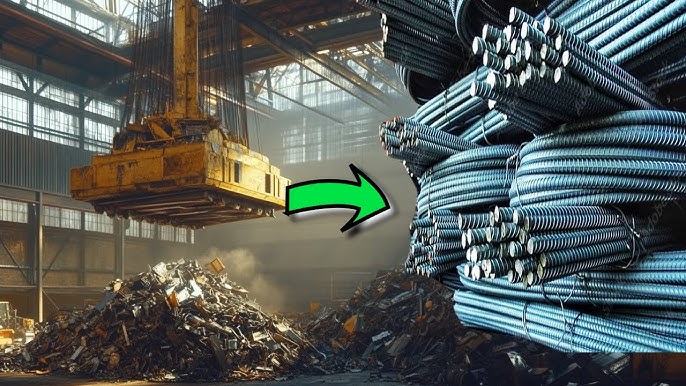
POSCO, a major South Korean steel manufacturer, has implemented a comprehensive strategy to procure stainless steel scrap from diverse international markets. This approach supports the company’s transition to environmentally friendly production processes by ensuring a stable supply of high-quality, recycled material. The strategy is designed not only to secure necessary raw materials amid increasing global demand but also to minimize the carbon footprint of their production methods.
The sourcing of stainless steel scrap is essential in meeting both production requirements and regulatory standards for sustainable manufacturing. POSCO’s initiative extends beyond simply purchasing scrap; it involves strategic investments in procurement systems, long-term relationships with suppliers, and leveraging global networks to create an efficient supply chain. This comprehensive approach allows POSCO to integrate scrap metal into its steelmaking processes, contributing toward a circular economy.
Detailed Analysis by Region
East Asia
Japan
One of the most emphasized sources for POSCO is Japan. Japanese scrap is well-known for its high quality, and POSCO has established recurring purchase agreements with Japanese suppliers. The resumption of regular weekly purchases underscores the importance of Japan as a reliable source for stainless steel scrap. POSCO's continued engagement with Japanese exporters ensures that they have access to premium scrap material, which is crucial for maintaining high production standards.
South Korea
As the home country of POSCO, South Korea stands as a strategic source for stainless steel scrap. Domestic procurement is essential not only for operational ease and logistical advantages but also for supporting local recycling efforts. By emphasizing domestic sourcing alongside international procurement, POSCO ensures a balanced supply mix that provides flexibility and reliability in its manufacturing process.
North America
United States
The United States is recognized as a significant supplier of stainless steel scrap. With large-scale industrial activity and active trade in scrap metal, POSCO benefits from the robust recycling industry in the U.S. This not only enhances the security of supply but also diversifies the geographic risk involved in sourcing scrap materials. POSCO has actively pursued relationships with U.S. suppliers to tap into high-volume scrap production.
Canada
Although less prominently featured than the United States, Canada also contributes to the supply of stainless steel scrap. Canadian markets, known for their adherence to environmental regulations and efficiency in recycling operations, provide another layer of stability to POSCO's diversified procurement strategy.
Europe
European Union and Individual European Countries
European countries represent a crucial segment of the global scrap market. Notably, countries within the European Union, along with specific markets such as Germany and the Netherlands, play an important role in supplying stainless steel scrap. Data on trade volumes and the overall strength of the European recycling industry indicate robust exports of stainless steel scrap. POSCO’s approach involves tapping into this well-organized supply chain, which is consistent with its commitment to reducing carbon emissions and improving sustainability.
Asia Beyond East Asia
China
China, as the largest global player in steel production and recycling, is a significant potential source of stainless steel scrap. The country’s vast industrial network produces considerable amounts of scrap metal, and while the specifics of POSCO’s procurement details may vary, engagement with China is part of a broader strategy to secure raw materials from high-volume markets. This diversification is key to managing risk and ensuring continuous supply as global environmental standards become increasingly stringent.
Vietnam
Vietnam is emerging as an important market for POSCO’s stainless steel scrap procurement. The involvement of companies such as POSCO VST Company Limited highlights the region’s growing role in providing high-quality scrap resources. This engagement is part of POSCO’s effort to establish strong procurement channels in Southeast Asia, where industrial growth and modern recycling practices are contributing to an expanding supply base.
Other Global Markets
Australia, Indonesia, and South Africa
POSCO INTERNATIONAL has been noted for its global sourcing efforts that also extend to regions such as Australia, Indonesia, and South Africa. While these regions have traditionally been associated with iron scrap and other raw materials, their role in supporting the overall strategy for sustainable production remains significant. They contribute additional layers of diversity that help POSCO mitigate supply chain risks while making sure that environmentally friendly production targets are met.
While these countries may not be singularly noted as primary sources of stainless steel scrap, they illustrate POSCO’s expansive procurement network. Such diversity is valuable in maintaining steady production levels and meeting global sustainability targets in the steel manufacturing industry.
Procurement System and Sustainability
The procurement of stainless steel scrap is not only an exercise in acquiring raw materials; it is an integral part of POSCO’s broader commitment to sustainable production. The steel industry is under increasing pressure to reduce its carbon footprint, and the use of recycled materials is one of the most effective ways to meet these environmental challenges.
POSCO’s strategy includes significant investments in a systematic steel scrap procurement framework. This system is designed to standardize the quality and consistency of the materials, ensuring that the scrap metal acquired meets stringent production standards. By establishing contracts for long-term supply and implementing processes to double the volume of steel scrap procurement by 2030, POSCO is setting benchmarks in sustainable industry practices.
Recycling stainless steel scrap comes with multiple advantages. It reduces the necessity to extract and process virgin raw materials, thereby lowering the energy consumption and greenhouse gas emissions associated with steel production. Additionally, a robust scrap procurement system aids in managing industry fluctuations and supply chain disruptions, making the overall production process more resilient.
Comparative Global Trade Data and Its Relevance
An analysis of global trade data on stainless steel scrap provides further context to understanding POSCO’s procurement strategy. Europe, for example, sees vast quantities of stainless steel scrap traded across countries such as Germany and the Netherlands, with the United States also emerging as a significant player in this market. Such data underscore the importance of a diversified supply chain.
Even though not all trade data correlates directly with POSCO’s current suppliers, the overview of trade volumes helps in understanding the competitive landscape of the scrap market. Countries with large export volumes typically have well-developed recycling industries, offering a reliable quality of scrap that meets even the most rigorous standards.
| Region | Key Countries/Sources | Notable Market Characteristics |
|---|---|---|
| East Asia | Japan, South Korea | High quality scrap, reliable supply agreements, domestic sourcing advantages |
| North America | United States, Canada | High-volume industrial recycling, robust market infrastructure |
| Europe | Germany, Netherlands, EU | Organized recycling systems, high export volumes, sustainable practices |
| Broader Asia | China, Vietnam | Large production capacity, emerging market reach, high-volume scrap variations |
| Other Global Markets | Australia, Indonesia, South Africa | Diversification of supply and additional risk mitigation options |
Integration of Global Sourcing with Environmental Initiatives
The Role of Recycling
The integration of stainless steel scrap procurement into steelmaking processes is part of a larger commitment by POSCO towards environmental sustainability. The industry’s environmental challenges have led to the development of advanced recycling technologies that can reclaim high quality materials from used steel products. POSCO capitalizes on these technological advancements by ensuring their procurement network is both robust and globally diverse.
Recycling stainless steel scrap is considerably less energy-intensive compared to producing steel from raw ore. This energy saving translates into significant reductions in overall carbon emissions. Moreover, by utilizing scrap metal, POSCO can achieve enhanced resource efficiency—a factor that is increasingly critical in today’s industrial climate. The creation of systematic, large-scale recycling processes not only benefits the environment but also contributes to long-term cost savings and a stable supply chain.
Sustainability in Procurement Processes
Central to POSCO’s procurement strategy is the implementation of robust quality assurance systems that verify the consistency of the scrap quality. This systematic approach involves detailed assessments of scrap metal properties, ensuring the materials meet production standards. The verification process is critical, as it guarantees that the benefits of recycling are not diminished by quality inconsistencies. Such stringent quality controls underscore POSCO’s commitment to integrating sustainability into all facets of its production chain.
As global environmental standards continue to evolve, POSCO’s proactive procurement strategy is a clear demonstration of how companies in heavy industries can adapt to and shape emerging regulatory frameworks. The move to double the procurement volume by 2030 is not only a reflection of market demand but also a commitment to sustainability principles, emphasizing the need for industrial practices that favor both economic and environmental interests.
Practical Considerations and Future Outlook
Challenges in Sourcing
Despite its expansive sourcing network, POSCO faces challenges common to the global scrap market, such as price volatility, supply chain delays, and varying regulatory standards across countries. Navigating these challenges requires a well-coordinated supply chain management strategy and frequent market assessments. Continuous investment in procurement technologies and international partnerships is crucial to mitigate these challenges.
Future Opportunities
As the global economy evolves, the opportunities for increasing stainless steel scrap procurement continue to grow. Emerging markets in Southeast Asia and other parts of the world present new potential sources that align with POSCO's long-term sustainability goals. The expansion into underexplored regions not only offers new supply avenues but also diversifies potential risks. With a strong emphasis on recycling and eco-friendly production, POSCO is well-positioned to capitalize on these future opportunities while supporting global efforts to reduce industrial greenhouse gas emissions.
Strategic investments in procurement infrastructure, quality control measures, and international logistics systems are expected to further streamline POSCO's sourcing processes. This, in turn, will enhance production efficiency and support the company’s strategic goal of becoming a leader in sustainable steel production. The evolution of global trade practices, along with improvements in scrap recycling technology, suggests an upward trend in the availability and quality of recycled stainless steel scrap.
References
- Korean steel mills rush to secure metal scrap from abroad - Ked Global
- POSCO resumes regular Japanese scrap purchases - Argus Media
- POSCO increases scrap purchases by 30% - SteelRadar
- Responsible Minerals - POSCO ESG - POSCO
- POSCO Group is speeding up its transition to an eco-friendly production - MK
Recommended Queries
Last updated March 13, 2025